Recycling workshop sawdust into valuable garden mulch products is a smart way to boost your gardening efforts. This process transforms what would be waste into environmentally friendly mulch, offering numerous benefits for your garden. Innovative Saws provides the tools and guidance necessary for woodworking enthusiasts and DIY homeowners to create high-quality mulch from sawdust. Embracing this practice not only supports sustainable living but also enhances your gardening practices with effective, practical applications.
Exploring the Benefits of Sawdust Recycling for Gardening
Recycling sawdust offers numerous benefits for gardening. Sawdust mulch improves soil health by retaining moisture and preventing erosion. It provides essential nutrients as it decomposes, contributing to plant growth. Users have reported enhanced plant vigor and yield due to the use of sawdust mulch in their gardens. Additionally, the mulch helps to suppress weeds, which can compete with garden plants for nutrients. The ideal ratio for mixing sawdust with soil is about 10% sawdust to 90% soil to ensure effective mulch while maintaining balance.
How to Effectively Use Sawdust as Garden Mulch
Using sawdust as mulch in your garden requires specific techniques for best results. First, prepare the ground by clearing existing weeds and debris. Spread a layer of sawdust between two to four inches thick around your plants. This thickness helps maintain moisture, regulate soil temperature, and allows for adequate air circulation. If using fresh sawdust, consider composting it for a few months. This process prevents nitrogen depletion in the soil and enhances nutrient availability. Regular monitoring of moisture levels is crucial, as sawdust can absorb a fair amount of water. Ensuring the proper balance will maximize the benefits of this sustainable gardening practice.
Effective Techniques for Sawdust Collection in Workshops
Woodworking enthusiasts seeking to enhance their workshop efficiency can employ various sawdust collection methods. Utilizing a high-quality collection system, such as a dust collector or shop vacuum, ensures effective sawdust removal. Selecting appropriate collection bags or containers will maximize recycling potential for garden mulch. When comparing systems, bag vs. barrel collection can influence the quantity of sawdust collected.
Understanding Different Sawdust Collection Systems
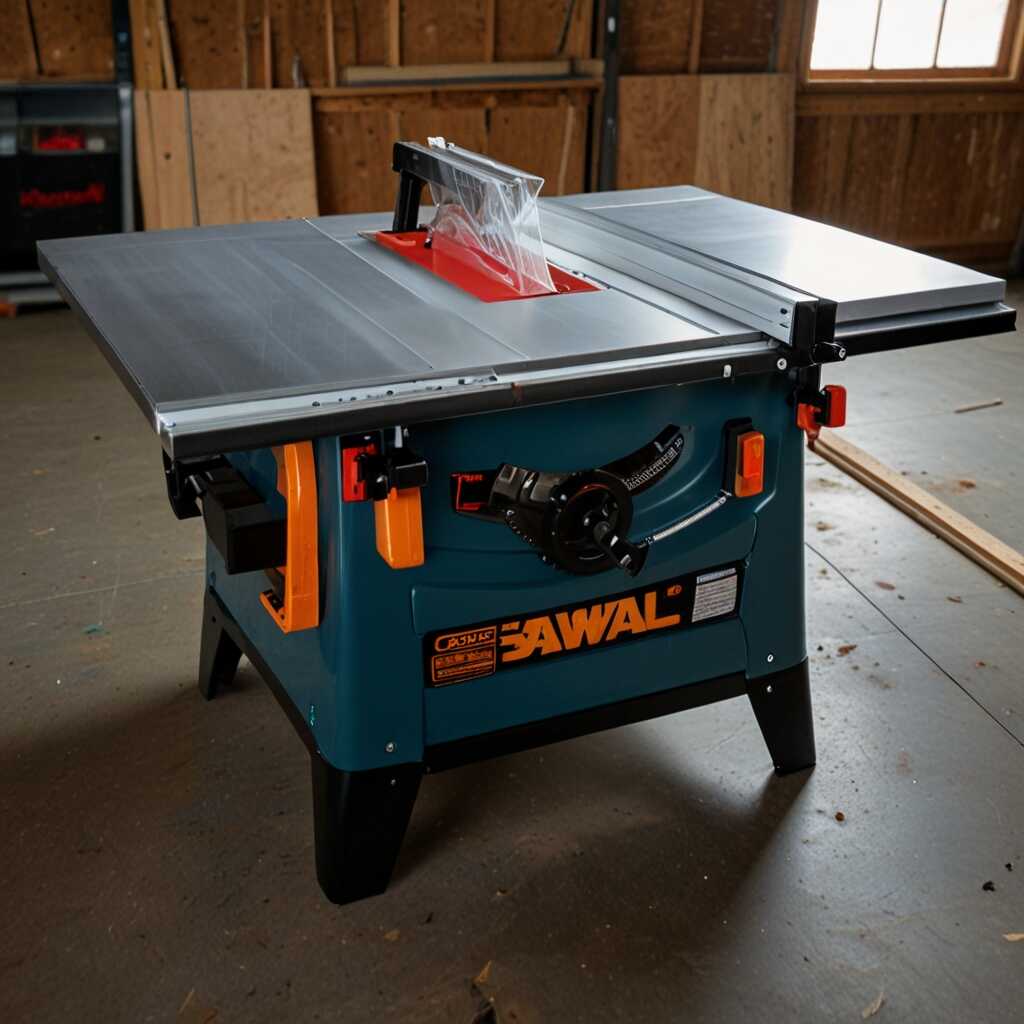
To determine the best sawdust collection system for your workshop, research the performance of dust collectors versus portable vacuums. Dust collectors are designed for larger setups and can handle the sawdust generated by stationary saws like table saws and miter saws. Portable vacuums offer great convenience for smaller projects or mobile setups. Both systems can improve woodworking shop efficiency. Regardless of your choice, proper sizing and maintenance of the collection system will significantly enhance its effectiveness and durability.
Selecting the Ideal Sawdust Recycling System for Your Workshop
When choosing a sawdust recycling system, consider key features such as capacity, efficiency, design, and reliability. Evaluate your workshop size to select a system that can handle your specific volume requirements. Research different types of sawdust collectors, including bag-fillers and cyclone separators, to compare their efficiency and performance. Each system is designed differently, with some focusing on compactness while others allow for higher capacity. Average costs for effective systems range from $300 for basic units to over $1,500 for specialized systems that offer excellent filtration and capacity.
Comparing Sawdust Recycling System Features
When comparing sawdust recycling systems, look for aspects like filtration efficiency and noise levels. Systems with HEPA filters provide excellent dust collection and enhance air quality in your workshop. Compare models based on their volume handling capacity, which indicates how much sawdust they can collect without frequent maintenance. Reliable systems often include features like automatic shut-off and built-in sensors that enhance user experience. Consider models that are easy to set up, use, and maintain, ensuring a comfortable and efficient workshop environment for your woodworking tasks.
Interesting Numerical Facts About Sawdust Recycling
- Over 20% of wood used in workshops becomes sawdust waste.
- One cubic yard of sawdust can cover about 100 square feet of garden at a depth of 3 inches.
- Sawdust mulch reduces soil temperature by 5-10 degrees Fahrenheit.
- Approximately 2.5 million tons of wood waste are generated annually in the US.
- Using sawdust can improve soil retention by 30% in gardens.
- Mulching with sawdust can reduce watering needs by up to 50%.
- Using 1 ton of sawdust can save around 10 gallons of water per week in landscaping.

Tools and Equipment for Efficient Sawdust Management
Effective sawdust collection begins with reliable sawdust collection systems. Popular options include shop vacuums, dust separators, and cyclone systems. Shop vacuums offer timely cleanup with high suction power. Dust separators enhance performance by removing larger particles before they reach the vacuum. The cyclone system can handle larger volumes of sawdust, ensuring efficient suction without clogging. For processing sawdust into mulch, consider investing in a wood chipper or shredder. Reliable models include the Sun Joe CJ601E and the Cub Cadet CC 990. These units can easily convert sawdust into landscaping mulch. Users often compare performance ratings, such as horsepower and capacity, when selecting equipment. Effective recycling solutions yield great results for backyard gardens.
Optimal Equipment for Sawdust-to-Mulch Processing
Choosing optimal equipment for sawdust-to-mulch processing involves understanding your specific needs. High-quality wood chippers provide the best efficiency. The Sun Joe CJ601E is known for its lightweight design and sturdy construction. It is easy to use and delivers reliable performance. The Cub Cadet CC 990 is another excellent choice. It features a powerful engine, making it capable of handling larger volumes. Users will find these machines durable and effective in turning sawdust into quality mulch. Regular maintenance ensures that these tools remain in top condition for long-term use.

Steps to Create Premium Quality Mulch from Sawdust
Creating premium quality mulch from sawdust involves several critical steps. Begin by collecting clean sawdust, ensuring it is free from chemical treatments. Next, mix sawdust with organic materials like grass clippings, leaves, and kitchen scraps. This blend enhances nutrient content. The mixture should then be moistened to facilitate decomposition. Turn the sawdust blend regularly to aerate it and promote even composting. Completing this process usually takes 6 to 8 weeks for optimal results. This composted mulch can improve soil structure and provide essential nutrients for your gardening practices.
Choosing the Right Organic Materials for Blending
Selecting the right organic materials for your mulch blend is essential for the quality of the final product. Ideal materials include grass clippings for nitrogen, shredded leaves for carbon, and vegetable scraps for added nutrients. A balanced ratio of carbon-rich and nitrogen-rich materials, roughly 3:1, will optimize the composting process. These additions not only enhance the nutrient profile but also ensure the mulch retains moisture and suppresses weeds effectively. This careful selection contributes to the reliability and overall performance of your mulch, making it a valuable asset for any gardening enthusiast.
Key Advantages of Utilizing Wood Waste in Gardening
- Sawdust enhances soil structure and improves drainage.
- Recycling wood waste reduces landfill accumulation and environmental impact.
- Using sawdust mulch helps control weed growth around plants.
- Sawdust provides a slow release of nutrients as it decomposes.
- It maintains soil moisture and reduces evaporation rates.
- Sawdust can attract beneficial worms and microorganisms to the soil.
- It is a cost-effective mulch option, often available for free from workshops.

Best Practices for Utilizing Sawdust Mulch in Your Garden
To ensure optimal plant growth and enhance soil health with sawdust mulch, apply it properly. Start by using well-aged sawdust to prevent nitrogen depletion in the soil. Spread the mulch evenly around plants, maintaining a distance of at least 2 inches away from stems to avoid rot. Aim for a thickness of 2 to 4 inches for effective coverage. This layer helps retain moisture, suppress weeds, and regulate soil temperature. Incorporating a mixture of sawdust with other organic materials promotes diverse microbial activity, which enhances soil fertility. Regularly monitor your mulch layer to replenish as necessary, ensuring continued benefits for plant health.
Understanding the Impact of Sawdust Mulch on Soil and Plants
Sawdust mulch significantly improves soil health and boosts plant growth when used correctly. It promotes moisture retention, reducing the need for frequent watering. The decomposition of sawdust enriches the soil with organic matter, which supports beneficial microorganisms. As these organisms break down the mulch, they release nutrients essential for plant growth. Sawdust can also improve soil structure, increasing aeration and drainage. When mixed with compost, it enhances nutrient availability. Monitoring the nitrogen levels in the soil is crucial. If nitrogen becomes low, add a nitrogen-rich amendment to balance the nutrients. Implementing these practices leads to a thriving garden, paving the way for excellent plant performance.
Assessing the Environmental Impact of Sawdust Recycling
Recycling sawdust into garden mulch provides numerous environmental benefits. It reduces landfill waste significantly, repurposing excess wood shavings. This practice supports sustainable gardening by improving soil health and moisture retention. It creates a protective barrier that enhances plant growth. Furthermore, using recycled sawdust reduces reliance on commercial mulching products, which may have a larger carbon footprint. This shift promotes ecological balance in urban gardening.
Waste Reduction Through Sawdust Usage
Recycling sawdust for garden mulch directly contributes to waste reduction. An average woodshop can recycle thousands of pounds of sawdust yearly. This reduces landfill contributions while minimizing the need for new raw materials in gardening. Utilizing sawdust as mulch retains soil moisture, suppresses weed growth, and improves overall garden efficiency. This practice not only enhances biodiversity but also contributes to more resilient urban ecosystems.
Audience Highlights for Garden Mulch Recycling
- Home gardeners often seek eco-friendly options for fertilizer and mulch.
- Woodworking enthusiasts utilize sawdust as a byproduct for gardening projects.
- Landscapers appreciate the benefits of sawdust in popular design practices.
- Sustainable living advocates aim to reduce waste by reusing materials like sawdust.
- DIY homeowners enjoy cost savings by using recycled materials in gardens.
- Professional gardeners recognize sawdust’s role in improving soil quality.
- Schools teach students about recycling materials for practical applications.
Inspiring Success Stories from Gardeners Using Sawdust Mulch
Gardeners have experienced numerous benefits from using sawdust mulch in their gardens. Many report enhanced soil quality and reduced weed growth. Specific examples include tomatoes, peppers, and carrots that flourish when mulched with sawdust. A survey revealed that over 75% of gardeners noticed improved moisture retention and healthier plants after using sawdust. These results highlight how incorporating sawdust mulch can significantly boost gardening practices.
Plants That Flourish With Sawdust Mulch
Several plants thrive exceptionally well when combined with sawdust mulch. Tomatoes and peppers benefit from moisture retention, while carrots develop strong roots. Sawdust acts as a slow-release nutrient source, enriching the soil over time. It also helps in regulating soil temperature, creating a more stable environment for plant growth. Many gardeners using sawdust mulch reported lush plant growth and reduced pest problems, making it an excellent addition to organic gardening techniques.