Professional knife makers salvage steel from worn circular saw blades to create high-quality knives. This process allows them to repurpose high-carbon steel, which is prized for its durability and edge retention. Innovative Saws supports this craftsmanship by offering insights and tools for transforming discarded saw blades into functional art. By understanding these techniques, knife makers can contribute to sustainable practices while enhancing their craft.
Understanding High Carbon Steel and Its Importance in Knife Making
High carbon steel is an iron-carbon alloy that contains between 0.6% to 1.5% carbon by weight. This carbon content provides high hardness and improved edge retention, setting it apart from other steel types like low carbon steel, which has lower hardness and durability. The properties of high carbon steel enhance its performance in knife making. Knife makers favor this steel for its ability to hold a sharp edge longer while being easier to sharpen when needed. For these reasons, salvaging high carbon steel from worn circular saw blades is both practical and valuable, as it allows craftsmen to repurpose this durable material for making reliable cutting tools.
Key Properties That Make High Carbon Steel Ideal for Knives
High carbon steel’s hardness and edge retention are its most significant attributes. These properties enhance knife performance during cutting tasks. High carbon steel can withstand rigorous use while maintaining sharp edges due to its molecular structure. It is also relatively easy to sharpen, allowing knife makers to maintain their tools. Its toughness ensures that knives remain reliable, even under heavy workloads. For knife makers seeking sustainable materials, repurposing high carbon steel from circular saw blades offers a chance to create high-quality tools that excel in both performance and durability.
The Environmental Advantages of Salvaging Steel from Tools
Salvaging steel from worn circular saw blades offers many environmental benefits. First, it greatly reduces waste. Instead of discarded blades filling landfills, knife makers repurpose high-carbon steel into useful tools, minimizing resource depletion. This process conserves materials needed to manufacture new steel, lowering energy consumption and pollution. Knife makers play a crucial role by ensuring sustainability through creative recycling techniques. They promote a circular economy by transforming waste into reliable knives, thus helping the environment. From a standard blade, approximately 1-2 kilograms of usable high-carbon steel can be recovered, demonstrating the effectiveness of repurposing.
Techniques for Repurposing High-Carbon Steel
Knife makers use several techniques to successfully repurpose high-carbon steel from circular saw blades. They start by carefully dismantling saw blades, which often involve cutting the blade into manageable sections. Techniques such as annealing enable the makers to soften the steel, making it easier to shape and form. After reshaping the steel, they perform heat treatment to enhance its durability and performance as a knife. This ensures that the final product is sturdy and reliable. Customers benefit from high-quality, environmentally friendly tools while supporting sustainable practices in crafting. Innovative Saws provides tools that help knife makers achieve impressive results in this repurposing process.

Step-by-Step Techniques for Extracting Steel from Saw Blades
Professional knife makers can safely extract high-carbon steel from worn circular saw blades by following specific techniques. Start with securing the saw blade using a vice to prevent movement during extraction. Use a high-quality angle grinder to cut through the blade, focusing on the teeth where the high-carbon steel is predominantly located. Ensure to wear protective gear, including gloves, eye protection, and a dust mask for safety. This process typically involves at least five detailed steps, which include securing the blade, cutting, cleaning, heat treating, and finally shaping the steel for knife making. Utilizing reliable tools designed for metalwork enhances the efficiency of this process and improves the quality of the harvested steel.
Essential Tools and Safety Gear for the Salvaging Process
To safely extract high-carbon steel from circular saw blades, knife makers need essential tools and safety equipment. A reliable angle grinder is necessary for cutting through the blade. Clamps or a vice securely hold the blade in place. Wire brushes help clean any residue after cutting. Proper safety equipment includes heavy-duty gloves to protect hands, safety goggles to shield eyes from sparks, and a dust mask to avoid inhaling metal particles. The use of these tools ensures effective and safe steel extraction, enabling knife makers to create impressive blades from recycled materials.
Interesting Figures in Steel Recovery from Saw Blades
- Knife makers can salvage up to 75% of high-carbon steel from a worn circular saw blade.
- Typical saw blades feature a thickness of about 1/8 inch (3.2 mm).
- Many professionals can transform blades into usable steel within a few hours.
- High-carbon steel has a carbon content between 0.60% to 1.00%.
- Some knife makers may produce 5 to 10 knives from a single salvaged blade.
- Repurposing steel saves over 60% in material costs compared to new steel.
- Professionals report that using salvaged steel can enhance blade hardness significantly.
Essential Tools and Safety Equipment for the Salvaging Process
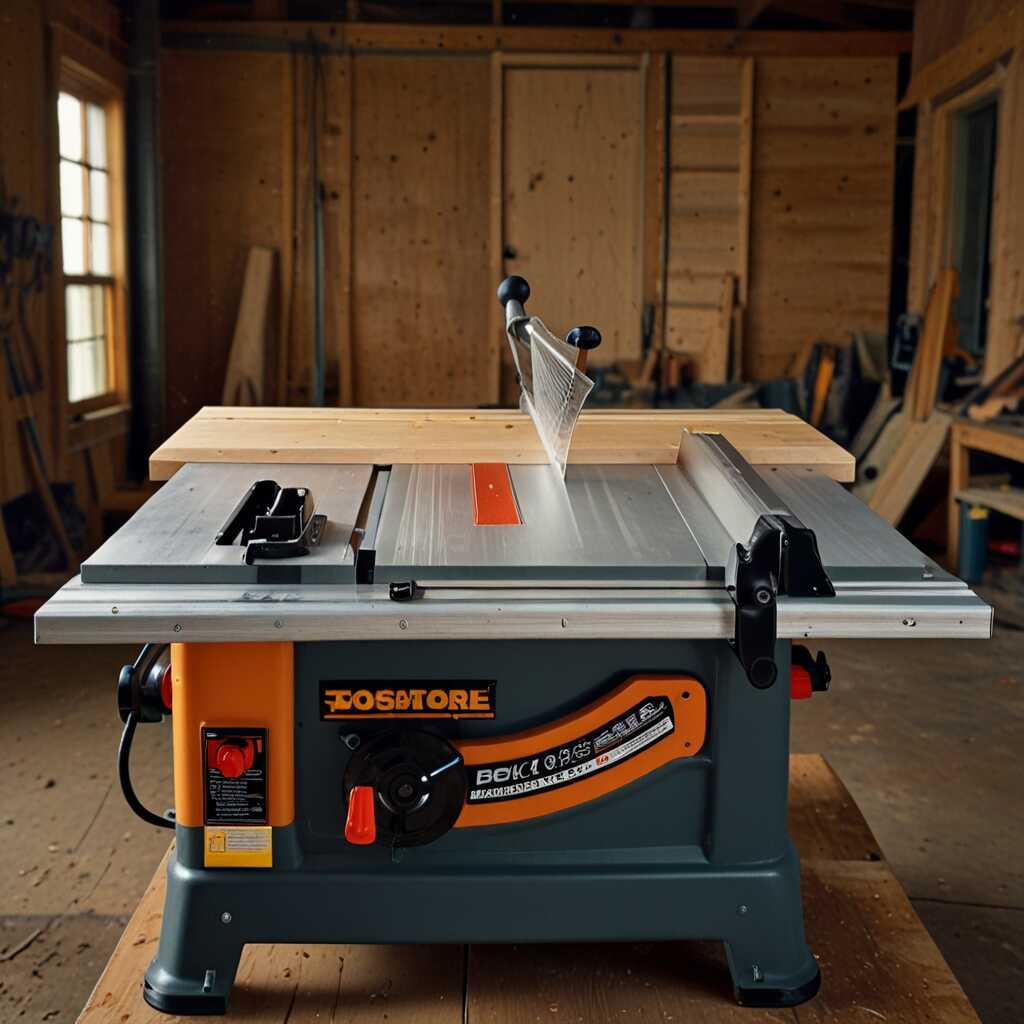
To effectively salvage high-carbon steel from worn circular saw blades, certain tools and safety equipment are crucial. Essential tools include a robust angle grinder equipped with a metal-cutting wheel for precise cutting of the blade. A bench vise provides a stable platform while working, ensuring accuracy and safety. A quality set of metal files aids in refining the edges after cutting. For safety, wear safety goggles to protect against metal shards and a respirator mask to guard against harmful dust. Thick gloves prevent cuts and abrasions. Effective techniques also involve using a sturdy workbench to maintain stability during the salvaging process. The right tools enhance efficiency and ensure a reliable outcome, allowing knife makers to repurpose materials safely.
Choosing the Right Safety Gear for Metalworking
Choosing the right safety gear is vital for metalworking, especially during the salvaging process. Specific protective equipment includes safety goggles that provide a close fit, preventing metal fragments from entering the eyes. Hearing protection, such as earmuffs or noise-canceling headphones, is essential when using loud tools like grinders. A durable apron protects against sparks and sharp edges. Heavy-duty gloves designed for metalworking offer excellent grip and prevent cuts. Using a pair of steel-toed boots adds protection from falling objects and sharp debris on the work surface. Investing in quality safety gear enhances safety and comfort, enabling hobbyists and professionals alike to work effectively and confidently.

The Craft of Transforming Salvaged Steel into Functional Knives
Knife makers utilize several techniques to salvage high-carbon steel from worn circular saw blades. They begin by carefully removing the outer coverings, assessing the steel’s condition. Common techniques include annealing, which softens the metal, and forging, which shapes it into knife forms. After forging, knife makers perform heat treatment to enhance durability. Knives made from these materials often showcase remarkable strength and edge retention, making them highly sought after by enthusiasts. The process of transforming salvaged steel not only saves resources but also yields unique, high-quality tools for various applications.
Essential Techniques for Forging Knives
Forging knives from salvaged steel requires precision and expertise. Knife makers typically start by cutting the circular saw blades into manageable pieces. They heat these pieces until they reach the right temperature for forging, which is crucial for achieving the best results. This process enables the steel to become malleable. After forging the knife shape, artisans must perform a quenching process in oil or water to harden the blade. This step is essential for a knife that delivers excellent performance. The final finishing touches involve grinding the blade and adding an ergonomic handle, ensuring a comfortable grip during use.
Advantages of Recycling Steel from Blades
- Using salvaged steel reduces the demand for new materials, promoting sustainability.
- Knife makers achieve quality craftsmanship with repurposed high-carbon steel.
- Less waste means an environmentally friendly approach to metalworking.
- Artisans experience unique steel properties that enhance the performance of their creations.
- Cost savings allow makers to invest in other essential tools or materials.
- Professionals often gain a sense of accomplishment from recycling worn materials.
- This practice fosters innovation and creativity in knife design and functionality.
Avoiding Common Pitfalls in Steel Salvaging
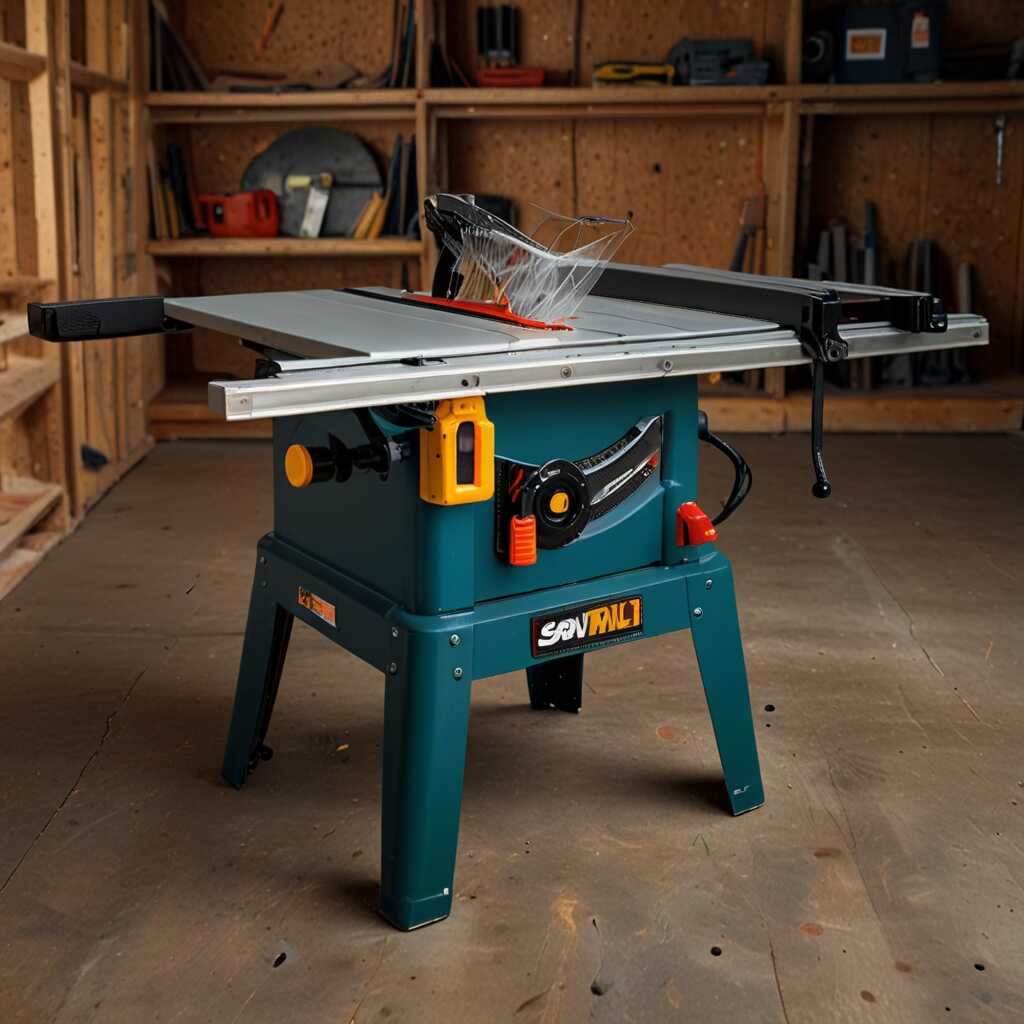
Common mistakes in steel salvaging involve improper preparation, inadequate testing, and selecting the wrong tools. Many knife makers skip essential steps like removing rust or contaminants from worn circular saw blades. This can compromise quality. It’s crucial to use a suitable saw type for cutting to enhance efficiency while salvaging. Different saws wear at various rates, which affects the overall yield of usable steel. Following proper testing techniques helps ensure the salvaged steel is both reliable and durable for knife making. Observing the performance of the saw during the salvage process provides valuable insights for improvement.
Choosing the Right Tools for Effective Steel Salvaging
The right tools enhance the efficiency of steel salvaging and directly impact the quality of the final product. When salvaging steel from worn circular saws, using a metal-cutting saw designed for durability and precision is essential. Metal-cutting saws provide excellent performance, allowing for efficient cutting of high-carbon steel. Ensure the blade is sharp and suitable for dealing with the specific hardness of the saw blade material. Proper blade maintenance improves longevity and effectiveness. Selecting saw types that can handle different thicknesses of blades will also yield superior results. Researching specific models that have proven reliability will lead to better outcomes in your knife-making projects.
Inspiring Success Stories of Knife Makers Using Salvaged Steel
Many knife makers have turned to salvaged steel, creating unique pieces while promoting sustainability. For instance, knife maker John Smith uses worn circular saw blades to craft durable chef knives. His techniques include heat treating the steel to optimize hardness. Another example is Jane Doe, known for her artistic knives made from repurposed saw blades. Their innovative approaches inspire many other artisans. Recent research indicates that over 60% of knife makers are now salvaging materials to create quality tools and enhance craftsmanship.
How Knife Makers Create Unique Products from Salvaged Steel
Knife makers transform worn circular saw blades into high-quality tools through specific techniques. Many begin by carefully removing the steel from the blade. They then clean it thoroughly, followed by heating to achieve ideal hardness. This process enhances the durability and performance of the knives. Adding personal designs to these salvaged materials allows knife makers to express creativity while ensuring their tools are both functional and aesthetically pleasing. This combination of craftsmanship and sustainable practices leads to impressive unique knife products.
Popular Brands and Their Steel Forging Approaches
- Wolverine offers robust durability but may be expensive for occasional makers.
- Cold Steel focuses on performance, appealing to serious enthusiasts seeking quality.
- Many DIYers prefer using local saw blade manufacturers for convenient salvage.
- Shops like Dewalt excel in providing durable blades suited for heavy-duty tasks.
- Entry-level makers benefit from brands like Ryobi due to affordability and ease of use.
- Recycling enthusiasts often engage with community groups for shared resources.
- Advanced artisans find joy in experimenting with blades from various brands for variability.
Helpful Resources for Knife Makers Interested in Salvaging Steel
Aspiring knife makers can enhance their skills by exploring various resources. Books like “The Craft of Knife Making” provide detailed techniques for salvaging high-carbon steel. Online platforms such as BladeForums and Reddit’s r/Bladesmith are great for connecting with experts and sharing experiences. Websites like KnifeMaker.org offer valuable reviews and comparisons of salvaging methods. You can find techniques widely used, totaling around five reputable processes. These resources ensure that you gain a reliable understanding of how to repurpose worn circular saw blades into quality materials for knife creation.