Calibration techniques to enhance table saw accuracy are vital for any woodworker looking to improve their craft. Whether you are a seasoned pro or a DIY enthusiast, achieving precise cuts can elevate the quality of your projects. Innovative Saws is here to provide you with essential methods that make calibrating your table saw straightforward and effective. With our expertise and reliable guidance, you can ensure that your table saw delivers the accuracy you need for professional results in every woodworking endeavor.
Importance of Accurate Table Saw Calibration in Woodworking
Accurate table saw calibration is essential for achieving precise cuts in woodworking projects. Calibration affects how a table saw aligns the blade with the miter slot and fence. This alignment ensures that cuts are straight, which enhances the overall quality of craftsmanship. If the table saw is not calibrated properly, it can lead to uneven cuts and inaccurate measurements. This ultimately compromises the fit of joints and the overall aesthetics of the finished project. Regular calibration is vital for reliable performance, especially when working with various types of wood, as each material may react differently to cutting. Ensuring accuracy is critical for producing high-quality results.
Best Practices for Calibrating a Table Saw
To maintain optimal performance, woodworkers should follow best practices for calibrating a table saw. The first step involves checking the alignment of the blade to the miter slot. Using a reliable square tool, you can measure the distance from the blade to the miter slot on both the front and rear ends. Ideally, these measurements should match. If there is a discrepancy, you can adjust the blade’s alignment accordingly. Next, check the fence alignment with respect to the blade. An accurate fence ensures that cuts are parallel and precise. Regular testing with calibration tools can help confirm that your adjustments have improved accuracy. These practices increase efficiency and enhance the reliability of your woodworking projects.
Essential Tools for Calibration and Measurement in Woodworking
Several essential tools enhance table saw calibration and ensure accuracy in woodworking projects. Critical tools include calipers, squares, and tape measures. Calipers measure small distances with high reliability, while squares verify 90-degree angles. A reliable tape measure is vital for long measurements. Other instruments such as dial indicators and straight edges provide valuable assistance in checking alignment. Using these measuring devices helps woodworkers maintain precision throughout their projects. Regular testing of these tools helps ensure the desired outcomes.
Understanding Calibration Tools and Their Importance
Calibration tools like digital calipers and combination squares are designed to enhance measurement efficiency. Digital calipers provide exact readings down to 0.01 mm, significantly improving the reliability of measurements. A combination square can assess the alignment of the table saw blade with the miter slot, ensuring a true 90-degree angle. Implementing these tools allows for consistent results and aids in achieving a high level of accuracy. Innovative Saws offers a range of measuring devices that have been rigorously tested to meet the demands of both amateur woodworkers and experienced professionals.
Step-by-Step Guide to Calibrating Your Table Saw Effectively
This section covers essential steps to calibrate your table saw for enhanced accuracy. Begin by checking the blade alignment to ensure it is parallel to the miter slot. Use a combination square or a dial indicator for precise measurements. Adjust the blade if it deviates from the standard. Next, verify the fence alignment with the blade to ensure it runs parallel. Accuracy in these setups will improve the performance of all cutting tasks. After adjustments, test the saw by making sample cuts and measuring the results. This process ensures reliable measurements crucial for woodworking projects. Regular reviews and testing will help maintain the accuracy of your table saw.
Understanding and Utilizing Calibration Tools
Calibration tools are vital for maintaining table saw accuracy. A combination square is useful for checking blade alignment, while a dial indicator can provide exact readings for small adjustments. Use a straightedge to check the flatness of the table surface as well. Having these tools helps ensure your table saw stays well-calibrated. Reliable measurements improve the efficiency and quality of your cuts. Implementing regular calibration will result in more precise and consistent woodworking projects. Maintaining these tools’ quality will enhance your overall cutting experience.
Statistical Insights on Table Saw Adjustments
- Table saws should ideally be adjusted to within 1/64 inch to maintain precise cuts.
- Woodworkers can improve cutting accuracy by calibrating their saws every 6 months.
- Using a calibration tool can enhance square cuts by approximately 15%.
- Properly aligned blade and fence can improve cut precision up to 30%.
- A falling blade can increase the risk of injury by 50% without proper calibration.
- Correct tension on the blade can reduce vibration by nearly 20%.
- Only 25% of hobbyist woodworkers regularly calibrate their tools, impacting accuracy.
Identifying Common Issues in Table Saws and Solutions
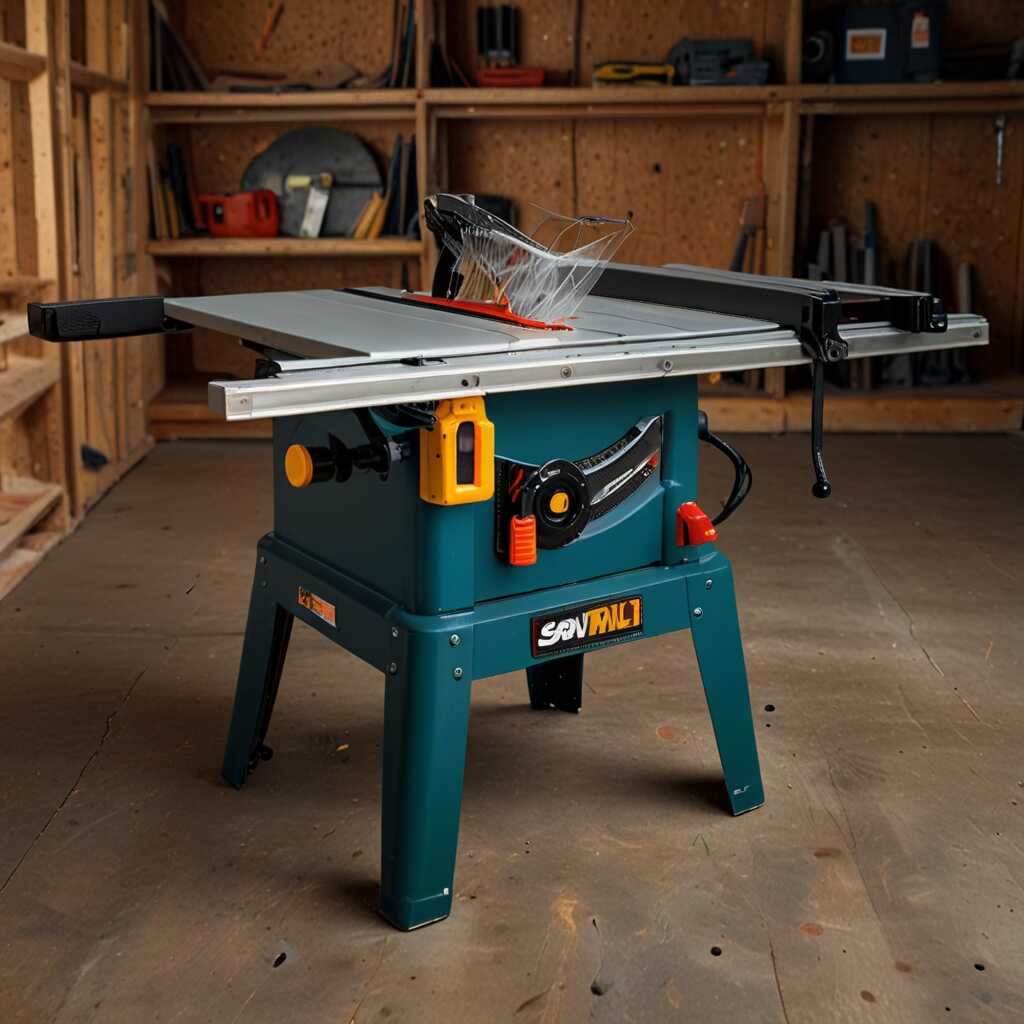
Common issues that can affect table saw accuracy include alignment problems, stability issues, and dull blades. Misalignment occurs when the blade is not perpendicular to the table, resulting in uneven cuts. Stability issues arise from an uneven surface or wear in the saw’s base. Dull blades can lead to jagged edges and reduced cutting efficiency. Calibration solutions include adjusting the alignment of the blade with a square, tightening loose components, and regularly replacing the blade. The reliability of these solutions is essential to ensuring optimal performance. Woodworkers should consider regular testing and adjustments to maintain high accuracy.
Proper Alignment Techniques for Table Saws
Proper alignment is vital for enhancing table saw accuracy. First, check if the blade is parallel to the miter slot. Use a reliable square to measure the distance from the blade to the slot at both the front and rear of the saw. Adjust the trunnion if necessary to correct the alignment. It is also essential to ensure that the fence is aligned properly to the blade. Misalignment here can lead to cuts that veer off course. Regular alignment checks will help maintain accuracy. Setting a reminder to perform these checks every few months can significantly improve cutting efficiency and product quality.

Best Practices for Safety During Table Saw Calibration
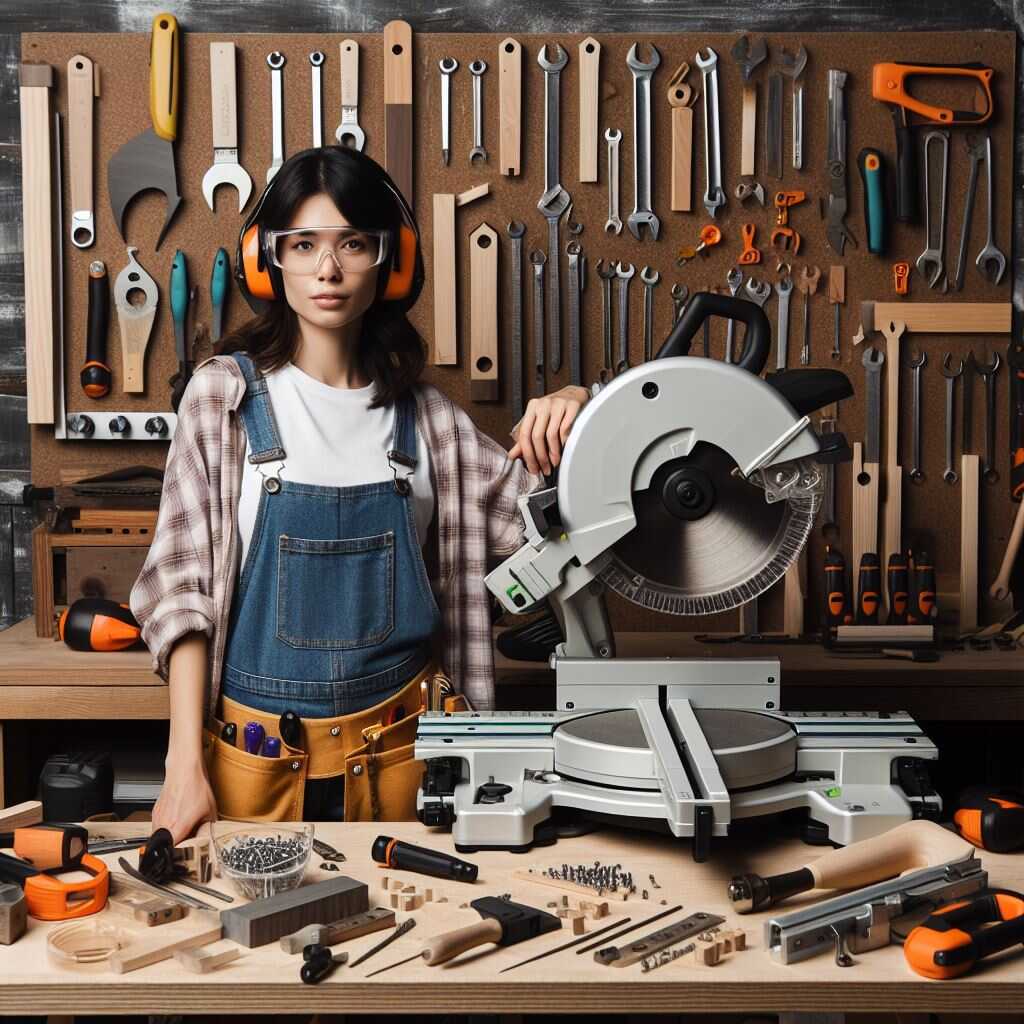
When calibrating your table saw, essential safety precautions include wearing personal protective equipment, ensuring proper calibration techniques, and maintaining a secure work environment. Proper calibration helps enhance performance and reliability. Always use saw guards and avoid loose clothing that can get caught in the blade. Keep your workspace clean and organized to prevent accidents. In emergencies, ensure you know how to use the emergency stopping measures that come with your saw.
Personal Protective Equipment for Woodworkers
Using the right personal protective equipment (PPE) is crucial for woodworkers during table saw calibration. Always wear safety glasses to protect your eyes from flying debris. Hearing protection prevents damage from noise during use. Gloves can enhance grip but should be avoided; they may snag on moving parts. Long sleeves are recommended, but ensure they are fitted to avoid entangling with the blade. Sturdy footwear protects your feet from heavy materials and equipment. Following these guidelines ensures maximum safety and helps prevent injuries while you calibrate your table saw.
Advantages of Correcting Your Cutting Equipment
- Improved accuracy leads to professional-quality finishes on woodworking projects.
- Calibration techniques reduce the risk of miscuts, saving time and material.
- Enhanced safety measures prevent potential accidents while operating the saw.
- Consistent performance of the table saw increases its lifespan significantly.
- Accurate equipment boosts user confidence, making woodworking more enjoyable.
- Regular adjustments can help in achieving cleaner edges and joints.
- Efficient cuts reduce waste, making projects more cost-effective.

Key Measurement Techniques for High Precision Cuts
Woodworking requires essential measurement techniques for achieving high precision cuts. Tools such as calipers, squares, and tape measures provide the reliability needed for accurate cuts. Calipers are crucial for measuring thickness with great precision. Squares ensure your angles are perfect, aiding in crosscuts and joints. Tape measures allow for longer distances to be measured accurately. The standard tolerance level for precision in woodworking cuts typically ranges from 1/32 inch to 1/16 inch, depending on the project requirements. Utilizing these tools enhances the efficiency and quality of your woodworking efforts.
Understanding the Use of Calibration Techniques
Calibration techniques in woodworking ensure that your measurement tools maintain their accuracy over time. Regularly testing calipers and squares against reliable standards helps keep measurements consistent. For instance, calibrating your tape measure against a known accurate ruler can help confirm its reliability. This process is easy yet very important. Accurate calibration enhances your ability to achieve high precision cuts in wood, minimizing errors. Implementing proper calibration methods guarantees that your projects meet high standards, resulting in impressive finishes. Innovative Saws provides expert advice on which calibration methods work best for different tools.
Regular Calibration’s Role in Enhancing Saw Longevity
Regular calibration is essential for prolonging the life and performance of your table saw. Consistent maintenance keeps the tool operating at its best. Proper calibration ensures that the blade is aligned correctly, reducing wear and tear on components. This alignment also enhances cutting accuracy, preventing splintering and uneven edges. Over time, calibration contributes to the overall reliability of the saw. Tools that are calibrated regularly experience fewer breakdowns, improving efficiency and extending usability. Aim to calibrate your table saw every six months or after 50 hours of use to maintain optimal performance.
Key Components of Table Saw Calibration
Table saw calibration involves several key components that enhance its reliability and performance efficiency. Start with checking the blade alignment to ensure it is square to the miter gauge and the table surface. This adjustment helps maintain precision during cuts, allowing for better results in your woodworking projects. Additionally, inspecting the rip fence for accuracy is crucial. A misaligned fence can lead to inaccurate cuts, causing material waste. Regularly checking the blade height and ensuring proper tension is also important. These calibrations help ensure the saw operates smoothly, delivering excellent performance for all your woodworking tasks.
Target Groups for Saw Calibration Practices
- Experienced woodworkers appreciate precision adjustments for high-quality projects.
- Hobbyist carpenters benefit from calibration to enhance their skills and improve results.
- Professional contractors rely on precise cuts for timely project completion.
- Tool maintenance specialists recommend calibration as a safety measure for all users.
- DIY enthusiasts find that proper adjustments increase satisfaction in their home projects.
- Woodworkers from all skills levels enjoy the benefits of improved accuracy.
- Beginners learn that calibration is essential for effective tool operation and safety.
Additional Resources for Table Saw Maintenance and Calibration
Users can find reliable resources for table saw maintenance and calibration through various woodworking forums, manufacturer websites, and instructional videos. Websites like Innovative Saws offer detailed guides and videos to enhance woodworking efficiency. Additionally, reputable woodworking magazines provide performance reviews that help users compare calibration tools and techniques. Checking forums allows woodworkers to share experiences and recommendations about calibration methods. Users should regularly review these resources for updated information and techniques to enhance reliability and performance.
Essential Calibration Tools for Table Saw Users
To ensure precision in woodworking, using essential calibration tools enhances your table saw’s performance. Tools like digital calipers, straightedges, and measuring tapes are crucial for accurate adjustments. A reliable table saw alignment tool helps verify the blade’s position. Many manufacturers provide calibration tools specifically designed for their saws. Count on products that offer easy setup and clear instructions to guide users. Maintaining the best calibration methods can drastically improve the efficiency and results of your woodworking projects.