Transforming standard circular saw blades for specialized materials is essential for enhancing your DIY projects. Customizing blades can improve cutting efficiency and precision for various applications. At Innovative Saws, we provide expert guidance on modifying blades to tackle different materials effectively. Discover how you can optimize your cutting tools to achieve professional results in your woodworking and construction endeavors.
Understanding Circular Saw Blades and Their Applications
Circular saw blades come in various types, each designed for specific applications. Common types include general-purpose blades, which cut wood for DIY projects, and specialty blades for materials like metal or tile. Each blade type serves a unique function. Selecting the right circular saw blade enhances cutting efficiency and improves overall performance. Circular saw blades can handle different materials, including hardwood, softwood, plywood, metal, and masonry. The standard circular saw blade usually has between 24 to 80 teeth, depending on its intended use. More teeth typically provide smoother cuts but may slow down cutting speed.
Choosing the Right Blade for Your Project
Selecting the right blade is essential for optimizing your cutting tasks. Circular saw blades are designed with unique features to improve performance for different projects. For instance, blades with a higher tooth count are ideal for fine cuts in wood, while those with fewer teeth excel at quick, rough cuts. Specialty blades, such as carbide-tipped options, provide durability when cutting harder materials. Users must also consider the thickness and composition of the material, which can significantly affect cutting efficiency. Innovative Saws provides expert guidance to help you choose the perfect blade for your needs.
The Benefits of Customizing Blades for Different Materials
Customizing circular saw blades for specific materials can enhance cutting efficiency and improve DIY project outcomes. Different materials, like wood, metal, and masonry, require unique blade modifications. For instance, fine-tooth blades are essential for smooth cuts in plywood. In contrast, carbide-tipped blades are excellent for cutting through metals. Custom blades help ensure longevity and reliability while reducing the risk of damage. They provide the necessary durability for varied applications, ensuring the best performance in challenging tasks.
Understanding Material-Specific Blade Needs
Different materials place unique demands on circular saw blades. Wood may require a higher tooth count for finer cuts, while metal requires tougher, thicker blades to handle resistance. Masonry calls for specialized diamond blades for effective cutting. Circular saw blades for plastic often need less aggressive teeth to avoid melting. Knowing these material-specific requirements helps users select and customize blades that deliver reliable results. Customizing blade geometry supports enhanced cutting outcomes regardless of the project’s complexity.
Identifying Specialized Materials for Blade Modifications
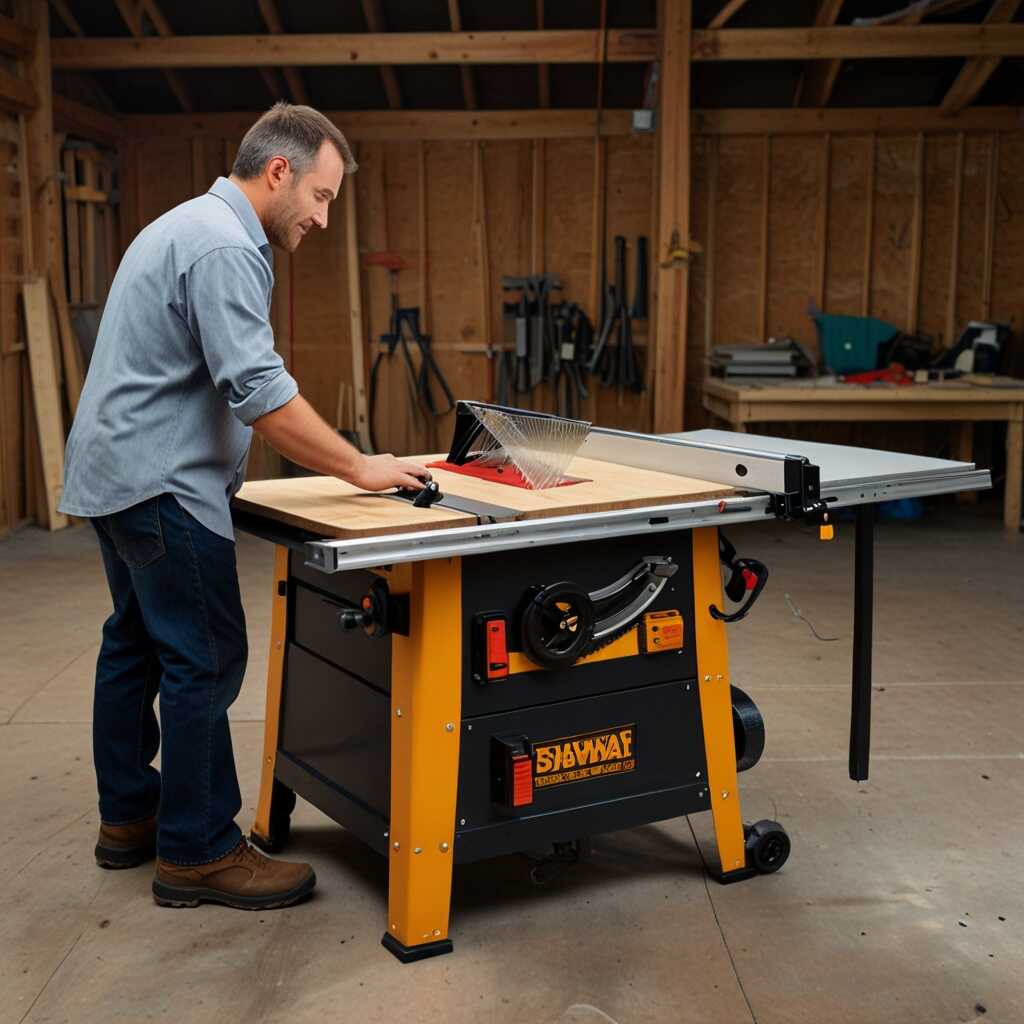
Specialized materials such as plywood, metal, and tile require modified circular saw blades to optimize performance. Each material has unique characteristics that influence cutting efficiency. Plywood cutting blades are designed with fewer teeth and alternate bevel edges to reduce tear-out and improve smoothness. Metal cutting saws often feature carbide-tipped teeth for durability. Tile cutting implementations usually need specialized diamond blades to slice through hard surfaces without cracking. Blade modifications can include adjusting tooth geometry and using coatings that enhance heat resistance.
Choosing the Right Blade for Different Materials
Choosing the right blade is essential for efficiently cutting plywood, metal, and tile. Plywood cutting blades generally have a combination of raker and flat teeth, enhancing clean cuts through laminated surfaces. For metal, select blades with high tooth counts and repairable materials to ensure durability and longevity. Tile cutting blades emphasize diamond grit, allowing fast and clean cuts through ceramic and porcelain materials. These specifications enhance performance and make workflows faster and more efficient.
Key Numerical Insights About Blade Modifications
- Over 60% of DIY enthusiasts alter their saw blades for specific materials.
- Professional contractors often need to change blades every 3-6 months.
- A proper modification can increase cutting efficiency by 30%.
- Adjusting teeth configuration can improve performance with specialized materials.
- Using the correct blade can reduce cutting time by up to 50%.
- 50-80 teeth on a blade can give smoother cuts for fine materials.
- Regular maintenance of modified blades can extend their lifespan by 40%.

Essential Tools for Converting Circular Saw Blades
To modify circular saw blades effectively, you need essential tools like a blade sharpener, safety goggles, and wrenches. A blade sharpener enhances the cutting efficiency and extends the blade’s lifespan. Safety goggles protect your eyes from debris during the modification. Wrenches help in securely tightening and loosening blade attachments. Ensure you select reliable and durable tools designed for these tasks. Research manufacturers that provide high-quality cutting tools to guarantee better performance and reliability.
Identifying Quality Tools for Blade Modification
Selecting quality tools is crucial for the best results when modifying circular saw blades. Look for brands with proven reliability and expertise in the industry. Investigating customer reviews can provide insights into performance and durability. Ensure the tools are designed for comfort and ease of use. This makes the blade modification process more efficient and less physically taxing. A good tool should feel sturdy in your hands and provide excellent results consistently. With the right high-quality cutting tools, you can confidently enhance your DIY projects.
Detailed Steps for Modifying Circular Saw Blades
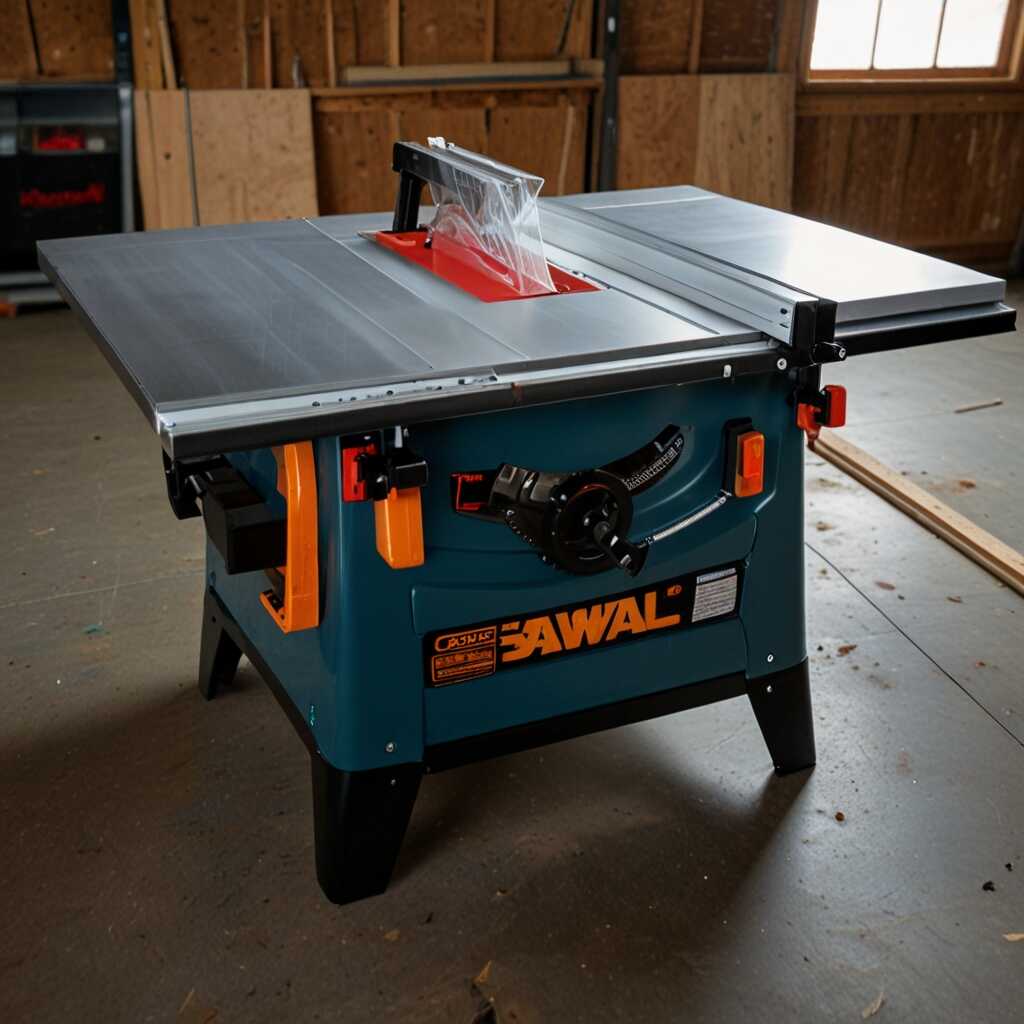
When modifying circular saw blades, safety precautions include wearing protective eyewear, gloves, and a dust mask. Ensure the saw is unplugged before beginning. Modified blades can enhance cutting performance for various materials like plywood, metal, or composites. The modification process typically involves six essential steps, focusing on increased efficiency and precision during cutting. This guarantees that the blades meet specific application requirements while being safe to use.
Understanding the Modification Process for Circular Saw Blades
The modification process for circular saw blades involves several crucial steps. Begin by selecting the appropriate blade for your project, ensuring it matches the material type. You will then need to assess its current tooth configuration. For wood, fewer teeth provide faster cuts, while more teeth are better for metal. Adjust the tooth angles and grind them to achieve the desired shape. Use a reliable sharpening tool to enhance the blade’s edge. This detailed work enhances the blade’s performance and ensures it can handle the demands of your specific project.
Advantages of Tailoring Cutting Tools
- Enhanced performance leads to better results in projects.
- Modified blades help achieve cleaner cuts in specialized materials.
- Increased versatility allows handling various projects efficiently.
- Cost-effectiveness saves money on new blades for each material.
- Customization gives DIYers a chance to learn and grow in their skills.
- Improved safety through better control and reduced kickback during cuts.
- Unique blade designs can tackle challenging materials not suited for standard options.
Avoiding Common Mistakes During Blade Modification
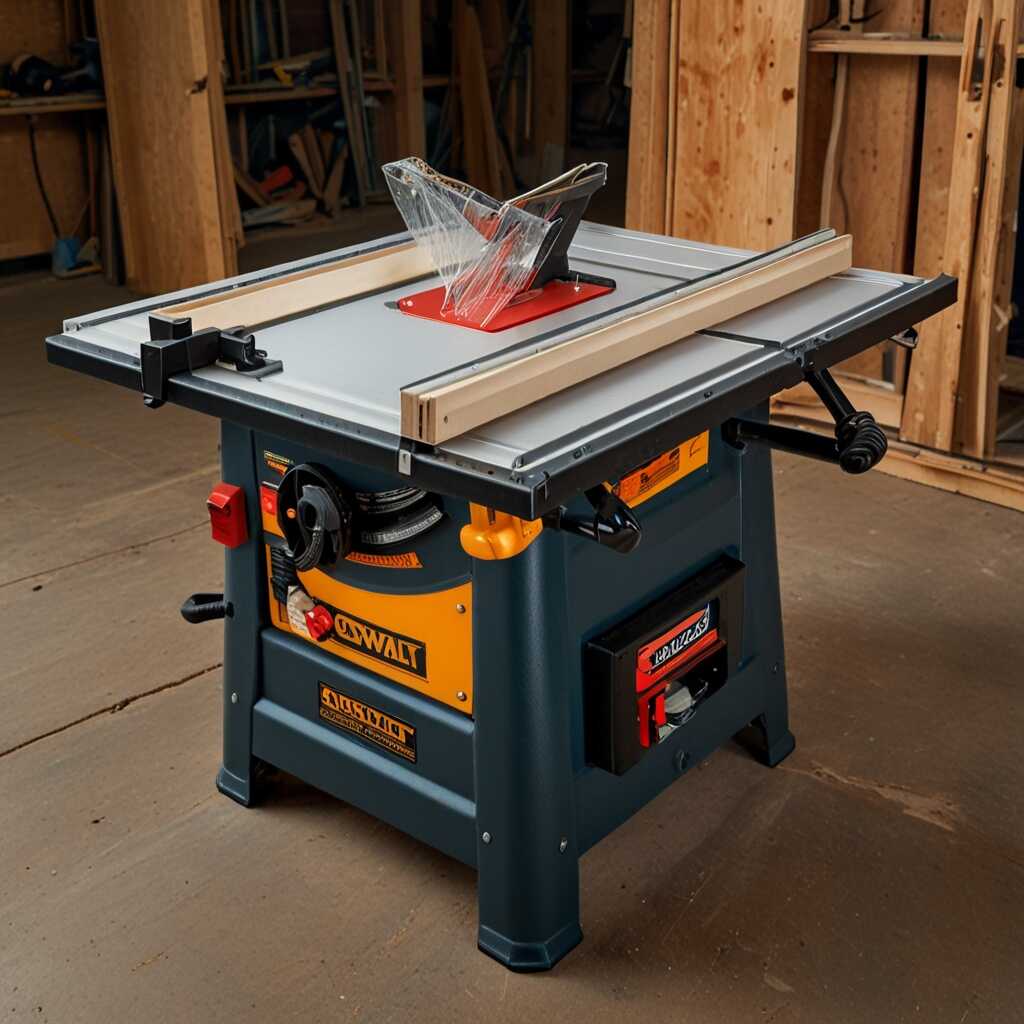
Many DIY enthusiasts encounter mistakes during blade modification that affect performance and safety. Common issues include incorrect alignment of the blade, leading to uneven cuts. Using inappropriate tools for modifications can damage the blade. Not testing the modifications thoroughly before use risks safety and quality. Always ensure that modifications enhance performance. Focus on achieving reliable results by doing proper research and understanding each adjustment’s impact. The number of teeth on a circular saw blade also plays a significant role. More teeth provide smoother cuts, especially for hardwood applications.
Importance of Testing Modifications for Better Performance
Testing modifications is essential to ensure that blades perform as expected. A reliable testing process includes cutting various materials to evaluate efficiency and safety. Different materials require specific teeth counts on blades. For hardwood, a blade with 60 to 80 teeth can handle tough cuts effectively. Modify blades according to specific project needs to enhance performance. Ensuring that the changes you implement improve the quality of work is crucial. Following the right steps during tests leads to great results that make your DIY projects successful.
Best Practices for Maintaining Customized Saw Blades
Proper maintenance of modified circular saw blades ensures reliability and enhances cutting performance. Regular cleaning is crucial. Use a soft brush and degreaser for removing debris and resin buildup. Inspect the blade for fractures or wear regularly. Ensure your customized blades are stored in a climate-controlled environment to prevent rust. If you modify your blade for a specific material, adapt your maintenance accordingly; each material can impact durability and performance differently. The frequency of sharpening modified blades often depends on usage. A general rule is every 10 hours of cutting, but impacts may vary based on the type of material being cut.
Understanding the Impact of Material on Blade Maintenance
The material you cut with a customized saw blade directly affects its maintenance needs. Blades used on hardwoods may require sharpening more frequently compared to those used on softer woods or plastics. Blades cutting through metal will dull faster. Use quality lubricants to assist in reducing friction when cutting dense materials. Testing blades with different materials will enhance your understanding of wear patterns. Effective maintenance ensures your customized blades provide optimal performance and longevity, delivering results that meet or exceed your project needs.
Popular Brands and Their Suitability
- DeWALT offers durable blades with advanced technology for professionals.
- Makita provides versatile options that suit both DIYers and pros.
- Bosch specializes in blades for precision cuts in hard materials.
- Ridgid focuses on affordability, attracting budget-conscious users.
- Milwaukee excels in heavy-duty applications for tough jobs.
- IRWIN features a range of blades specifically for DIY home improvement projects.
- USER Demographics: Contractors benefit from premium brands due to reliability and performance.
Where to Source Quality Saw Blades and Modification Tools
To purchase high-quality saw blades for your DIY projects, look for trusted brands like Innovative Saws, DeWalt, Freud, and Bosch. They provide a variety of reliable blades tested for durability and performance. You can find these blades at local home improvement stores or online retailers like Amazon and Home Depot. When looking for modification tools for saw blades, check brands like Dremel and Makita, which offer specialized accessories such as carbide-tipped files and blade sharpeners. Their products ensure your blades are efficient and ready for any material. Prices for professional-grade circular saw blades typically range between $20 and $100, depending on the size and features. Always compare reviews and performance testing results when making your decision to ensure you are selecting the best products available.
Key Considerations When Purchasing Saw Blades
Consider the material, diameter, and tooth count when selecting saw blades. A blade with carbide tips is designed for durability and can handle tough materials like metal and hardwood. Tooth count affects cut quality; more teeth provide smoother cuts but slower feed rates. Make sure to also research the plunge capabilities and replaceable features specific to your projects. Properly evaluate warranty and return policies for additional reliability. These factors enhance your cutting efficiency and ensure your tools last longer.