Crafting wooden mounting boards for orchids with precision saw cuts is a rewarding project for orchid enthusiasts. These specialized boards support healthy orchid growth while allowing growers to display their plants beautifully. Innovative Saws provides the tools and insights needed for effective orchid mounting, emphasizing the importance of using the right precision saw cuts for this task. By combining creativity with accurate techniques, you can create stunning displays that showcase your orchids while enjoying the woodworking process.
Understanding the Benefits of Wooden Mounting Boards for Orchid Growth
Wooden mounting boards significantly enhance orchid health by improving airflow and moisture retention. Using wooden materials provides a natural texture that helps orchids attach their roots securely. This attachment allows orchids to breathe better, leading to more substantial root growth. Various types of wood, such as cedar or oak, offer unique advantages. For example, cedar resists decay, while oak provides sturdy support. Lastly, the aesthetic appeal of wooden boards adds visual interest to your orchid collection.
Choosing the Right Wood for Orchid Mounting
Selecting the right wood is crucial for maximizing the benefits of your wooden mounting boards. Ideal wood types should be porous and durable. Cedar is highly recommended due to its ability to repel moisture, making it resistant to rot. Additionally, its natural antimicrobial properties help to enhance overall orchid health. Oak is another good choice, as it provides a sturdy base while allowing air circulation. When considering thickness, boards between ¾ inch to 1 inch are perfect, offering a reliable support structure without hindering airflow.
Selecting the Ideal Wood for Mounting Boards in Orchid Care
When choosing wood types for constructing mounting boards for orchids, it’s important to consider durability and moisture resistance. Cedar, for example, is a popular choice due to its natural resistance to rot and insects. It’s essential for creating reliable and sturdy boards that can withstand the environment in which orchids thrive. Other suitable woods include oak, which offers excellent longevity, and cork, known for its lightweight and moisture-retaining properties. Different wood species can also enhance orchid care by providing a breathable structure that fosters healthy root systems. The thickness of the wood is crucial as well; generally, half an inch is a good measure to ensure that the boards hold the orchids securely while enabling moisture retention.
Understanding the Benefits of Different Wood Textures for Orchids
Different wood textures can significantly impact orchid health and aesthetics. Rough textures, for instance, provide more grip for the orchid roots, allowing them to anchor better. Smooth surfaces, while less ideal for root adhesion, can enhance moisture retention, allowing for better hydration. Woods like cork or textured cedar create an environment that mimics the natural habitats of many orchid species. These woods promote air circulation while capturing moisture, leading to healthier plants. Additionally, using sustainably sourced wood enhances overall gardening practices by supporting eco-friendly options. Understanding these benefits allows orchid growers to make informed decisions when selecting the best wood type for optimal orchid growth.

Tools Essential for Crafting Orchid Mounting Boards
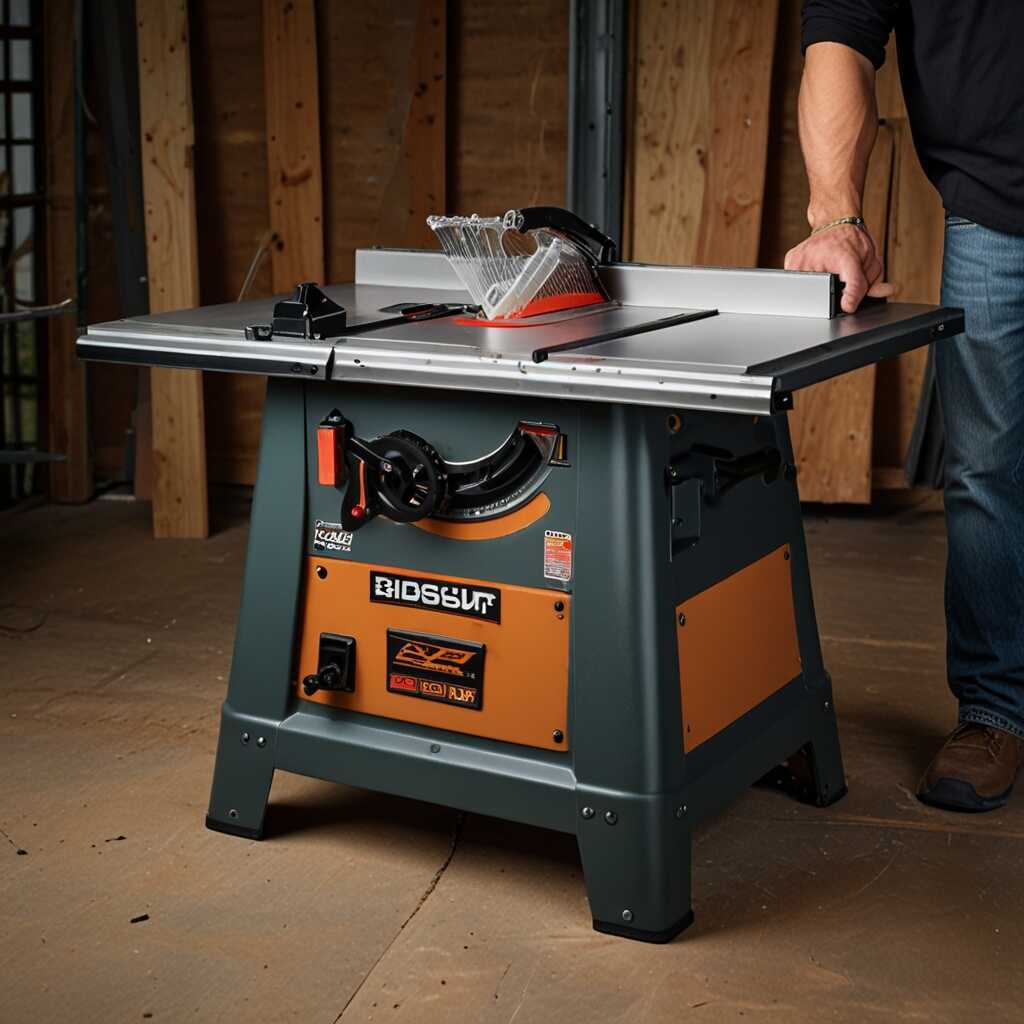
To craft orchid mounting boards successfully, you need specific tools that ensure precision and reliability. Essential tools include woodworking saws like band saws and scroll saws, which are great for making intricate cuts. A circular saw also serves well for straight cuts through thicker wood. When selecting saws, consider features like blade size and cutting depth. Multiple saws can be utilized for different cut types, enhancing the quality of your work and ensuring that your wooden mounting boards are sturdy and visually appealing.
Choosing the Right Type of Saw for Orchid Mounting
Selecting the right saw for crafting orchid mounting boards maximizes efficiency and quality. Band saws excel in making smooth, curved cuts, while scroll saws perform well for detailed designs. Circular saws facilitate straight cuts, ideal for larger boards. Always assess the blade type and size to ensure it fits your cutting project. For the best results, use saws designed for the material of your wood. Reliable saws from Innovative Saws offer high performance and durability, ensuring successful crafting of your orchid mounts.
Key Numerical Insights for Orchid Mounting Projects
- 1: Ideal wood thickness for mounting boards is typically around 1 inch.
- 45%: Many orchid growers prefer natural wood over synthetic materials.
- 3: Common types of wood used are cedar, oak, and cork.
- 4: Saw cuts should maintain an angle of 45 degrees for effective support.
- 2: Precision saw types include band saws and table saws.
- 10: Orchids thrive when mounted at least 10 inches away from direct heating sources.
- 12: Regular maintenance for the boards every 12 months improves lifespan.

Mastering Precision Cutting Techniques for Wood
To achieve precision cuts in wood for orchid mounting boards, start by selecting the right saw. Saws such as the miter saw and band saw are excellent choices for angled and curved cuts. Always use a quality blade that fits your specific project. Blade sharpness directly affects reliability and cut quality. Measure your cuts carefully before saw use to ensure accuracy. For mounting boards, a thickness of ¾ inch is generally recommended. This thickness offers durability without compromising aesthetics and ensures that the orchids attach securely.
Choosing the Right Saw for Your Wood Cutting Needs
Choosing the right saw entails understanding your specific cutting needs for orchid mounting boards. Miter saws excel at making precise angle cuts, which are essential for creating flush joins. Band saws handle intricate curves easily, providing flexibility for unique board shapes. A good practice is to test saw performance with sample cuts, assessing features like blade stability and ease of control. Reliable saws come with a warranty, ensuring durable performance and customer satisfaction. Innovative Saws provides expert reviews and guides, helping users determine the best saw based on their project requirements.

Best Practices for Mounting Different Orchid Species
Understanding the best practices for mounting different orchid species on wooden boards is essential for successful growth. The technique varies based on species needs. Phalaenopsis orchids do well on flat surfaces, while Cattleyas benefit from vertical mounting. Dendrobiums thrive when provided extra airflow, which can be achieved through slatted boards. Always ensure that the attachment method is secure but gentle to accommodate the delicate roots. Using sphagnum moss can enhance moisture retention without suffocating the roots. Regularly review the orchids’ health post-mounting to gauge success.
Specific Techniques for Popular Orchid Species
Each orchid species has unique mounting requirements that improve their growth. Phalaenopsis thrives with simple horizontal mounting; a sturdy wooden board works best. For Cattleyas, consider slotted boards to allow airflow, which reduces rot risk. Dendrobiums require a bit more attention; adding sphagnum moss or bark enhances moisture retention in a well-ventilated environment. Secure roots using fishing line or soft ties to prevent damage. Maintain an ideal spacing of 4 to 6 inches between plants for optimal light and airflow. This setup yields great results and improves overall health.
Advantages of Specialized Orchid Mounts
- Enhanced airflow: Supports root health by promoting adequate air circulation.
- Crafting wooden mounting boards for orchids promotes their natural growth.
- Flexible design: Allows customization based on various orchid species.
- Improved drainage: Wooden boards prevent excess moisture and reduce rot.
- Easy attachment: Orchid mounting techniques simplify the secure placement of roots.
- Visual appeal: Wooden mounts provide a rustic aesthetic that enhances decor.
- Environmentally friendly: Using natural materials contributes to sustainability.
Maintaining Wooden Mounting Boards to Extend Lifespan
To effectively maintain wooden mounting boards for orchids, regular cleaning and treatment are essential. Start by using a soft, damp cloth to wipe the boards and remove dust or debris. After cleaning, apply a protective treatment, such as a wood sealant or outdoor-rated varnish, to guard against moisture and pests. The best options for care include products specifically designed for plant-related wooden items. These treatments enhance durability while ensuring boards remain visually appealing over time. For optimal results, check your boards every few months for signs of wear. You may need to reapply the sealant annually or when you notice decreased effectiveness.
Essential Tools and Materials for Wooden Board Care
Essential tools and materials for caring for your wooden orchid boards include a soft cloth, a gentle wood cleaner, and a high-quality wood sealant. For delicate board maintenance, consider using natural oils like linseed oil or tung oil, which help sustain moisture balance. A fine-grit sandpaper can also be helpful for smoothing rough areas without damaging the board. It is advisable to have these items on hand to ensure easy access during regular maintenance. Following the correct processes will enhance the performance and lifespan of your wooden mounting boards significantly.
Enhancing Aesthetic Appeal of Orchid Mounting Boards
Incorporating decorative elements into your orchid mounting boards can greatly enhance the aesthetic appeal. Options include driftwood, twine, or vibrant paint. Natural materials like moss add texture and complement the orchids’ colors. Choose reliable supplies from Innovative Saws. When selecting materials, consider durability and resistance to moisture. This helps maintain the quality of both the wood and the orchids. The ideal thickness for wooden mounting boards ranges from 0.75 to 1.5 inches for sturdy support. This thickness provides adequate stability for various orchid types while also allowing room for creativity in design.
Creative Techniques for Enhancing Visual Appeal
Your creativity can shine in the design process of your orchid mounting boards. Try incorporating vibrant colors through paint or environmental-friendly wood stains. Using carved designs or patterns adds a personal touch. For a rustic look, leave the wood in its natural state, allowing the grains to showcase. Pair your orchids with unique decorative elements like shells or pebbles. These features improve visual interest and provide a great backdrop for your orchids. Considering these creative techniques ensures you create a stunning and personalized space for your plants, making them a focal point in your home.
Target Audience for Wooden Orchid Mounting Solutions
- Hobbyist gardeners appreciate hands-on projects and creative expression.
- Botanical artists flourish with unique mounting for displays and compositions.
- DIY enthusiasts enjoy building projects that enhance their orchid collections.
- Orchid enthusiasts focus on plant care, custom mounts improve their results.
- Woodworkers seek projects that blend their skills with botanical interests.
- Collectors value specialized mounts that showcase their prized orchids.
- Greenhouse owners benefit from efficient mounting solutions for various plants.
Connecting with Resources and Communities for Orchid Growers
Orchid growers benefit from various online resources and communities. Websites like OrchidBoard and the American Orchid Society provide valuable care guides, forums, and expert advice for enthusiasts. These platforms allow growers to share experiences and solutions. Local orchid societies often host events, workshops, and meetings, enabling face-to-face interactions and exchanges of essential knowledge. Innovative Saws, with over 15 years of experience, also supports the woodworking facet of orchid mounting by providing reliable precision cutting tools. Engaging in these communities and exploring these resources helps ensure successful orchid cultivation and enhances the overall growing experience.
Finding Local Orchid Societies and Online Forums
Finding local orchid societies can greatly enhance your growing experience. Look for community groups through platforms like Meetup and Facebook. Local societies often provide valuable resources, including workshops and plant shows, enabling you to connect with experienced growers. Online forums like OrchidBoard offer extensive discussions about care techniques, pest management, and hybridization. These forums are rich in data from growers worldwide. Participating in these communities allows you to exchange tips on the best orchid care practices.