Expert tips on using miniature saws for precise bonsai tree shaping can greatly enhance your bonsai artistry. These specialized tools allow enthusiasts to achieve intricate designs and perfectly defined tree features. At Innovative Saws, we provide essential guidance on the types of miniature saws available, effective techniques for precise shaping, and maintenance tips to keep your tools in top condition. Selecting the right saw for your bonsai projects becomes easier with our expertise and comprehensive product range, ensuring you achieve professional results with every tree you craft.
Understanding the Essential Role of Miniature Saws in Bonsai Artistry
Miniature saws play a vital role in bonsai shaping. These specialized saws differ significantly from standard saws. They are designed to offer precision, allowing for intricate cuts that maintain the natural aesthetics of bonsai trees. While standard saws can be too bulky for close, detailed work, miniature saws have smaller blades that enhance maneuverability and control. Miniature saws generally range from 6 to 12 inches in length, making them ideal for detailed work on small branches and delicate roots. This design quality helps bonsai enthusiasts achieve the specific shapes and sizes required for their artistic vision, ensuring reliable results throughout the shaping process.
Choosing the Right Miniature Saw for Your Bonsai Needs
Selecting the right miniature saw requires understanding your specific bonsai projects. Consider the size and type of branches you’ll be working with. Saws with finer teeth are excellent for delicate cuts, while those with coarser teeth can handle thicker branches with greater efficiency. Look for ergonomically designed handles, which enhance comfort during extended use. Brands like Innovative Saws offer products tested for durability, ensuring they stand up to frequent use. Reading reviews about specific saws can provide additional insights into their effectiveness. Ultimately, selecting the right tool enhances your efficiency and improves your bonsai shaping artistry.
How to Select the Perfect Miniature Saw for Your Bonsai Needs
This section covers the various types of miniature saws that are best suited for shaping bonsai trees. You can choose between fine-toothed pull saws for delicate cuts or larger reciprocating saws for thicker branches. The right choice depends on your specific trimming needs and the unique type of bonsai you are working on. When selecting, consider factors like blade length, tooth count, and the saw’s ability to handle the species of bonsai. Miniature saws like the Japanese Ryoba or Dozuki are popular for their precision and reliability.
Ideal Blade Length for Miniature Saws in Bonsai Work
The ideal blade length for miniature saws used in bonsai projects typically ranges from 6 to 12 inches. For intricate shaping and finer cuts, select blades around 6 to 8 inches. Longer blades, about 10 to 12 inches, are designed for thicker branches and larger cuttings. This variety allows for detailed work in tight spaces. Consider the bonsai type when choosing the length; smaller trees benefit from shorter blades, while larger varieties require longer options. Always ensure that the saw you choose provides a secure grip for efficient handling.

Step-by-Step Techniques for Mastering Bonsai Tree Shaping
Mastering bonsai tree shaping involves using effective techniques that blend artistry and horticultural knowledge. First, assess the tree’s current shape and identify areas needing modification. Use specialized pruning saws to make precision cuts. For major adjustments, employ downward strokes, allowing control and creating fine contours. For intricate designs, use miniature saws with fine teeth that can handle detailed work without damaging the tree’s health. Effective techniques include trunk undercutting, branch thinning, and shaping foliage, ensuring the harmony of design and plant vitality. Use these methods consistently for the best results.
Understanding Miniature Saw Options for Bonsai Shaping
Choosing the right miniature saw for bonsai shaping is essential for achieving desired results. Options like fine-toothed pruning saws excel at making intricate cuts with precision. Some saws are designed with ergonomic handles that enhance comfort during long sessions. Others feature blades that can handle various branch sizes seamlessly. It is vital to select a saw that matches your project’s scale. This enables effective shaping while minimizing stress on the tree. Researching and comparing saws is critical for informed decisions that lead to impressive results.
Key Numerical Facts Regarding Miniature Cutting Tools
- Miniature saws range from 4 inches to 8 inches in blade length.
- Different types include a variance of saw teeth counts, usually between 10 to 20 teeth per inch.
- Many enthusiasts report gaining skill in shaping within 3 to 6 months of practice.
- A well-maintained saw can last several years with regular use.
- Users recommend practicing on at least 5 different bonsai species for diverse shaping techniques.
- Professional saws often cost between $15 and $50, depending on features.
- Precision work can reduce branch removal time by around 30% using the right tools.
Tool Maintenance Tips to Enhance the Longevity of Your Miniature Saws
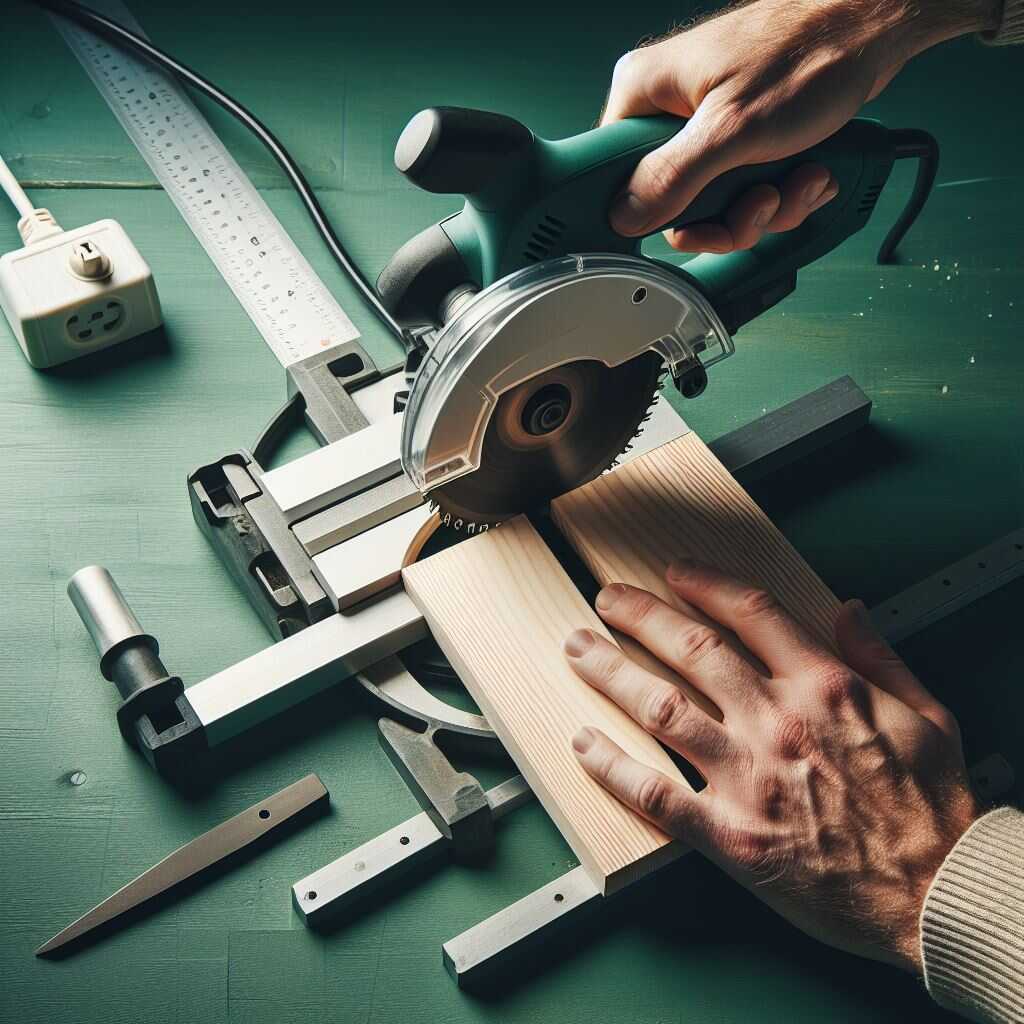
Maintaining miniature saws is vital for long-lasting performance. Start by cleaning the blade after each use with a brush to remove debris. Check for any signs of rust or wear regularly. Apply a light lubricant to moving parts to ensure smooth operation. Use a dedicated storage case to protect your saws from damage. Regularly inspect the blade for dullness. Resharpen as needed to maintain cutting efficiency. Following these tips helps bonsai enthusiasts keep their tools in prime condition for precision shaping.
Proper Cleaning Techniques for Miniature Saws
Proper cleaning techniques significantly enhance the performance of miniature saws. Use a gentle brush to clean the blade, removing any resin and sap buildup. For deeper cleaning, warm soapy water with a soft cloth is effective. Rinse and dry immediately to prevent moisture from causing rust. Avoid harsh chemicals that may damage the blade’s finish. This detailed cleaning process improves precision and extends the lifespan of your tools, ensuring your miniature saw stays reliable for all bonsai tree shaping needs.
Complementary Tools for Enhanced Bonsai Tree Care and Shaping
Bonsai enthusiasts can enhance their tree shaping efforts by using various tools alongside miniature saws. Essential implements include bonsai scissors, which are designed for precise trimming of leaves and small branches. Pruning shears help in cutting thicker branches while maintaining tree health. Wire bending tools are invaluable for shaping branches and trunks, enabling the artistry that bonsai requires. Collectively, these tools provide reliability and efficiency, enhancing the overall bonsai care experience. Users should consider incorporating at least five different trimming and shaping tools in their toolkit to achieve optimal results.
Understanding Essential Trimming and Shaping Tools
Bonsai scissors are crucial for making clean, efficient cuts. They come in various sizes to handle delicate leaf work. Pruning shears cut thicker branches while minimizing damage to the tree. The wire bending tools allow hobbyists to style branches and trunks effectively, promoting artistic designs. These tools should be made from durable materials to ensure longevity and performance. When users select tools, they should focus on comfort and ease of use, enabling them to work quickly and accurately. Always choose tools that feel comfortable in hand; this improves overall efficiency during the shaping process.
Advantages of Utilizing Compact Saws for Tree Artistry
- These saws provide better control for intricate cuts and designs.
- Miniature saws are lightweight and easy to maneuver around delicate branches.
- Using these tools minimizes damage to surrounding foliage during shaping.
- Precision cuts lead to healthier regrowth and more aesthetically pleasing results.
- They enhance the bonsai artist’s ability to execute fine details in their work.
- These saws often help create more complex shapes in a relatively short time.
- Many users report increased satisfaction from precise shaping outcomes.

Crucial Safety Practices When Using Miniature Saws on Bonsai Trees
Safety is critical when using miniature saws for bonsai tree shaping. Firstly, always wear safety goggles to protect your eyes from wood splinters. Use gloves to enhance grip and shield your hands. Ensure that you are working in a well-lit area to avoid accidents. Keep your fingers away from the blade’s path for safety while cutting. Consider using a saw with a blade guard for added protection. Proper handling techniques include a firm grip and maintaining control of the saw to ensure accuracy and safety. Regularly check your miniature saw’s condition to avoid malfunction during use, ensuring a reliable and efficient cutting experience.
Key Safety Gear Recommendations for Miniature Saw Users
Choosing the right safety gear enhances your experience when using miniature saws. Start with high-quality safety goggles that fit securely. Look for gloves designed for tool handling, which provide both grip and protection. A sturdy apron can prevent wood shavings and cutoffs from damaging your clothing. Ear protection is essential if your saw produces loud noise levels. Lastly, ensure that your workspace is clear of clutter to avoid tripping hazards. Proper gear enhances focus and comfort, enabling bonsai enthusiasts to shape their trees effectively and safely.
Valuable Resources for Bonsai Enthusiasts to Advance Their Skills
Recommended books for bonsai enthusiasts include “The Complete Manual of Bonsai” and “Bonsai Basics.” Online communities like “Bonsai Nut Forum” and “Bonsai Planet” offer a space for sharing techniques. In 2025, new websites will emerge, joining the ranks of current resources such as Bonsai Empire and The Bonsai Society. These sites provide essential information and reviews, helping individuals enhance their tree shaping skills.
Essential Bonsai Websites for Beginners
Essential bonsai websites provide structured resources for beginners. Websites like Bonsai Empire and Bonsai Tree Gardener feature detailed articles on bonsai shaping techniques. They include beginner guides, images, and step-by-step instructions. Users can compare tools and techniques, ensuring they choose the right saw for their project needs. Forums often feature expert reviews on products, enhancing the learning experience for newcomers in bonsai shaping.
Popular Brands and Their Target Users for Miniature Saws
- X-Acto offers precision tools for detailed projects with a focus on affordability and accessibility.
- Fischer Craft is well-known for robust designs ideal for professionals seeking durability in their tools.
- Berger models are preferred by hobbyists for their ease of use and effective cutting for novice users.
- Creative Bonsai caters to dedicated enthusiasts desiring high-quality, specialized saws for expert shaping.
- Manufacturer reputation matters; long-standing brands ensure that tools are rigorously tested.
- Makita and Bosch produce compact saws favored by both professionals and serious hobbyists.
- Understanding user skill levels helps customers select the best tools for their shaping projects.
Engaging with the Bonsai Community and Showcasing Your Creations
Connecting with the bonsai community enhances your bonsai experience. You can join local bonsai clubs or forums to meet fellow enthusiasts. Sharing projects on social media platforms like Instagram or Facebook allows you to showcase your bonsai art. Joining groups such as Bonsai Society of America or Bonsai Northwest provides invaluable insights and advice. These platforms often share experiences and expertise that can greatly enhance your skills.
Exploring Local and Online Bonsai Groups
Local bonsai groups provide hands-on workshops, allowing you to learn effective techniques from experienced members. Online forums often share comparisons of different miniature saws and styling methods. Engaging in these communities fosters relationships with knowledgeable individuals who can provide feedback on your work. Participating in local exhibitions or contests helps you showcase your art and gain recognition. Annual bonsai contests, for instance, create opportunities for valuable critiques and networking within the community.