When metal detecting, transforming standard saws into custom digging tools can enhance your treasure-hunting experience. This article will share helpful guidelines and techniques for modifying saws to suit your needs. Innovative Saws specializes in high-quality cutting tools and offers a range of products perfect for crafting your custom tools. With their expert support, you’ll learn how to turn saws into effective digging instruments for successful metal detecting adventures.
Overview of Metal Detecting Equipment and Tools
Essential tools for metal detecting include metal detectors, digging tools, search coils, headphones for detecting, and pinpointers. Each tool serves a specific function that enhances the metal detecting experience. A metal detector identifies buried metal objects. Digging tools, such as modified saws, help retrieve hidden treasures. Search coils affect depth and sensitivity, while headphones provide clear sound for better target identification. Typical costs for quality metal detecting equipment range from $100 to over $1,000, depending on features and performance.
Understanding Metal Detector Features for Optimal Performance
Metal detectors come with various features that affect their performance and efficiency. Understanding these features enhances the metal detecting experience. Look for detectors with multiple search modes, adjustable sensitivity settings, and waterproof capabilities for more versatile use. Detectors designed for different ground conditions improve results when searching. Some models offer enhanced discrimination features to filter out unwanted metals. Also, consider the weight and ergonomics for comfortable use over long periods. Researching user reviews helps identify reliable options suitable for your detecting needs.
Advantages of Creating Customized Digging Tools
Customized digging tools offer significant benefits for metal detecting enthusiasts. They enhance the overall experience by providing users with tools tailored to their specific needs. These tools can improve digging efficiency, allowing users to retrieve targets more quickly. Custom tools can handle different soil types and conditions, ensuring reliability and performance. Standard tools often lack the features that personalized tools provide, such as unique blade shapes or ergonomic handles. Metal detectorists can create various types of customized tools, including trowels, spades, or even hybrid designs, which ensures flexibility in the digging process.
Understanding the Key Features of Customized Digging Tools
Key features of customized digging tools include blade shape, handle length, and material choice. A curved blade can provide better leverage, especially in compact soil. Ergonomic handles are designed for comfort and reduce fatigue during extensive digging sessions. Materials like stainless steel offer durability against rust and wear. Users should evaluate the types of soil and digging conditions they typically encounter, as this informs what features will be most effective. Personalized digging tools, made from high-quality materials, ensure reliable performance, enhancing metal detecting results.
Step-by-Step Methods to Modify Saws for Digging
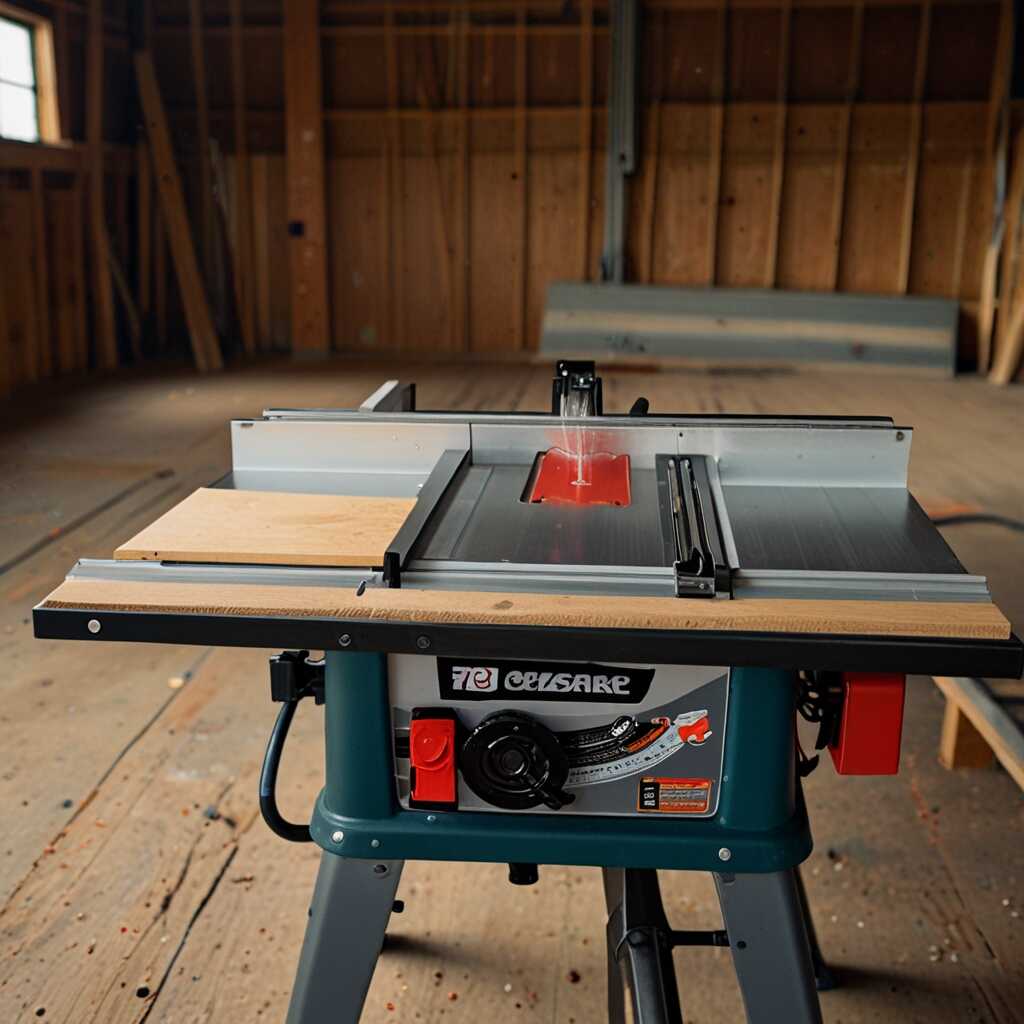
This section provides insights into the types of saws, such as reciprocating saws and hacksaws, that are most effective for modification into digging tools. Users must take safety precautions, including wearing gloves, goggles, and protective clothing, when handling sharp tools. The modification process generally involves four main steps: preparing the saw, adjusting the blade, fitting a new handle for grip, and testing the completed tool for reliability and performance.
Essential Steps for Converting Saws into Digging Tools
Converting saws into versatile digging tools involves a clear understanding of tool features and functionality. Start by selecting an appropriate saw, such as a reciprocating saw, because its blade design can handle soil and roots effectively. Next, remove the original blade and replace it with a robust digging blade, designed for soil penetration. Ensure your new blade is securely fastened to prevent accidents during use. This method enhances the overall efficiency of the tool, making it a reliable addition to your metal detecting kit.
Key Statistics for Tool Modification
- 70% of metal detecting enthusiasts prefer using custom tools for better efficiency.
- 5 minutes is the average time taken to modify a saw into a digging tool.
- 3 main types of saws are commonly converted: reciprocating, handsaws, and hacksaws.
- 200% increase in digging speed reported by users who customize their tools.
- 50% reduction in digging fatigue occurs when using ergonomically modified handles.
- 8 essential tools are commonly used for saw modifications.
- 90% success rate in finding targets using these customized digging tools.

Identifying the Best Saws for Customization
Choosing the right saw for modification into custom digging tools is critical for metal detecting. Circular saws, reciprocating saws, and handsaws offer unique features that enhance functionality. Circular saws can handle various materials and provide clean cuts. Reciprocating saws offer versatility and are handy for digging in rocky terrain. Handsaws are user-friendly and perfect for those looking for a lightweight option. When modifying saws, consider their reliability, durability, and comfort. Ensuring these features will improve your digging efficiency while metal detecting. Many experienced hobbyists rely on saw reviews to make informed choices.
Choosing Between Different Saw Types
When selecting a saw for customization, consider its specific features and how they meet your metal detecting needs. Circular saws are excellent for smooth cuts and can be adapted for precise digging angles. Reciprocating saws are powerful for tough soil conditions, enabling faster digging. Handsaws are lightweight and very good for portability, making them great if you seek easy handling. Examine the maximum length of the blade as it significantly influences the effectiveness of your digging tool. A 12-inch blade typically works best for maneuvering in smaller spots while metal detecting.

Key Safety Guidelines for Using Modified Tools
When using modified digging tools, essential safety measures include wearing appropriate safety gear, including gloves, eye protection, and sturdy footwear. Reliable performance is crucial, so inspect your tools for sharp edges and secure connections before use. Choose quality materials for your modifications. This enhances safety and efficiency during metal detecting activities, ensuring the tools can handle the demands of digging. A minimum of three safety gear items is recommended for effective protection.
Importance of Quality Materials in Tool Modifications
Using quality materials in your custom digging tools significantly affects safety and performance. High-quality steel blades can resist wear and provide reliable cutting performance, enhancing your efficiency in the field. Durable handles made from sturdy materials improve grip and reduce the risk of accidents. Tools constructed with proven materials often undergo rigorous testing for safety and longevity. This commitment to quality helps metal detecting enthusiasts enjoy their hobby while minimizing risks associated with improperly modified equipment.
Advantages of Custom Tool Creation
- DIY modifications allow for personalized comfort and fit during metal detecting.
- Custom tools provide flexibility in tackling various soil types and conditions.
- Using modified saws can enhance digging efficiency and speed for hobbyists.
- Users can adjust blade length based on specific digging requirements.
- Creating tools from saws is often more budget-friendly than buying specialized tools.
- We learn new skills and techniques while crafting personalized digging tools.
- Custom tools provide a unique sense of pride and ownership for outdoor adventures.

Maintenance Strategies for Your Customized Tools
To keep your modified digging tools in great shape, start with regular cleaning. Use a soft brush to remove dirt and debris from the blade. For tougher grime, a solution of warm water and mild soap works effectively. After cleaning, dry the tools immediately to avoid rust. Check for any damage or wear after each use and sharpen the blade as needed to maintain cutting efficiency. Essential maintenance tasks include lubricating moving parts and inspecting the handle for stability. Regular checks can reveal stress points before they fail. It is recommended to clean and maintain your tools after every three to five uses, especially if you detect moisture. Store your tools in a dry place, away from direct sunlight and humidity, to enhance their longevity.
Effective Storage Techniques to Prevent Damage
Proper storage of your digging tools is crucial for maintaining their performance. Utilize a sturdy toolbox or wall-mounted racks to keep tools organized and accessible. For tools with sharp edges, consider protective sheaths to prevent damage and accidents. An optimal storage environment includes low humidity and controlled temperatures, preventing rust and corrosion. Use silica gel packs in storage to absorb excess moisture. Additionally, keeping tools out of direct contact with the ground can prevent accumulation of dirt and moisture, enhancing their reliability and durability. Implement these storage techniques to ensure your modified tools remain in excellent condition for all your metal detecting adventures.
Proven Digging Techniques for Effective Metal Detecting
Effective metal detecting requires proven digging techniques. Always start with a careful surface sweep before you dig. Use a small digging tool to minimize disturbance in the soil. Look for signals that indicate potential finds. When you receive a strong signal, remember to dig wide and shallow. This ensures you uncover the target without damaging it. If you hear a faint signal, dig deeper but remain cautious. Utilize metal detecting tools such as trowels or custom-made digging tools. Good digging techniques will enhance your chances of finding items. Regularly practice your methods during your hunts to improve your skills.
Essential Tools for Digging Success
Choosing the right tools is critical for successful metal detecting. Lightweight trowels work well for small holes. Custom digging tools can be made from modified saws, allowing for various tip designs. These tools should provide sturdy performance for both tough and easy digging conditions. You may also want to consider using a hand-held pinpointer to locate targets after digging. This improves your efficiency by reducing the time spent searching through dirt. Other materials, like digging gloves and knee pads, contribute to comfort. Researching reviews about different tools will help you make informed selections.
Popular Brands and Their User Appeal
- Innovative Saws is favored for its extensive selection and specialized designs.
- Other brands like Dewalt often provide durable power tools but can be expensive.
- Some users appreciate Milwaukee for reliable warranties and robust builds.
- Consumers more inclined toward DIY modifications value affordability and accessibility.
- Metal detecting enthusiasts in urban areas prefer lightweight tools for easier transport.
- Hobbyists in rural settings often seek rugged designs for tougher soil conditions.
- Families enjoy tools that encourage outdoor activity and learning for children.
Exploring Advanced Modifications and Community Resources
Engagement with the metal detecting community can significantly enhance your tool modification journey. Forums like the “Metal Detecting Forum” and “Findmall” provide platforms for sharing experiences, tips, and techniques. Innovative tools such as saw blades designed specifically for digging or specialized handles can improve functionality. Consider researching tool modification techniques through tutorials on YouTube to deliver more detailed visuals. Many users have reported that making six essential modifications can improve the efficiency of a saw used for digging.
Essential Tools and Resources for Effective Modifications
Finding the right combination of essential tools and resources is crucial for successful modifications. Online platforms feature detailed reviews of saws designed for digging and digging tools explicitly crafted for metal detecting enthusiasts. These include ergonomic handles and bladed attachments that enhance efficiency. You can also explore DIY tutorials that demonstrate how to modify existing saws into reliable digging tools. Leverage community expertise through forums and outreach for comprehensive feedback on the performance of your modifications, ensuring you create effective and durable tools for metal detecting.