Solar-powered workshop systems efficiently supply energy for running multiple saws, transforming how woodworkers and contractors operate. By harnessing renewable energy, you can eliminate reliance on traditional power sources while keeping your workshop running smoothly. This article will guide you through implementing solar energy solutions in your workspace, ensuring you can power various cutting tools without interruption. Innovative Saws provides the expertise you need to choose the right solar setup and optimize your energy use effectively.
Introduction to Solar Power in Woodworking Workshops
Solar power has become essential in woodworking workshops due to its ability to provide reliable energy solutions. Many woodworkers seek solar energy to improve efficiency while lowering energy costs. It supports running multiple saws without the dependency on local grid power. A typical solar panel setup can generate between 300 to 400 watts per panel, potentially powering several tools simultaneously.
Benefits of Solar Energy for Woodworkers
Using solar energy in woodworking offers numerous benefits. It reduces reliance on costly electricity, ensuring consistent power for essential tools like miter saws and band saws. This is particularly useful for workshops in remote locations where grid access may be limited. Solar energy systems are designed to be reliable, providing a sustainable way to handle various cutting projects. Investing in solar installations can lower operational costs significantly, allowing more focus on craftsmanship.
Essential Components of a Solar-Powered Workshop
A solar-powered workshop system consists primarily of solar panels, inverters, and batteries. Solar panels convert sunlight into electricity, while inverters change that electricity from direct current (DC) to alternating current (AC), making it usable for your saws and tools. Batteries store excess energy generated during sunny days for use at night or cloudy days. Understanding these essential components is crucial for setting up an efficient solar energy system to power multiple saws effectively. Choosing components from reliable manufacturers enhances overall system performance and ensures durability.
Understanding Solar Panel Systems for Workshops
Solar panel systems for workshops are designed to maximize energy production while maintaining efficiency. Most workshops require between 4 to 12 solar panels, depending on the total energy needs of your saws. Look for panels rated above 300 watts for best results. High-efficiency models provide more power in limited space. Integrating these with a capable inverter and battery charger optimizes energy use and enhances reliability. Systems should be tested rigorously to ensure proper performance in different weather conditions. If you’re looking for recommendations, Innovative Saws offers expert guidance on selecting solar components suitable for your workshop.

Advantages of Adopting Solar Energy in Woodworking
Using solar energy in woodworking shops offers numerous benefits. Solar power reduces operational costs, leading to significant energy savings. A woodworking shop can save up to 50% on energy bills after switching to solar power. Additionally, solar-powered systems enhance efficiency, enabling businesses to run multiple saws without interruption. These systems are designed to provide reliable electricity, making them ideal for professional woodworkers and DIY enthusiasts. The environmental impact is also positive, as solar power reduces the carbon footprint and reliance on fossil fuels. Switching to solar energy not only lowers costs but also promotes sustainability in woodworking practices.
How to Maximize Energy Savings with Solar Systems
Maximizing energy savings involves understanding your energy needs and properly sizing your solar system. Conduct an energy audit to assess your shop’s consumption and peak demand. This data helps in selecting the right solar panel capacity. Innovative Saws can provide guidance on suitable solar solutions for your workshop. Matching your system to energy usage ensures you achieve maximum efficiency. Consider adding battery storage for consistent power supply during cloudy days or at night. With effective solar power management, woodworking shops can significantly cut down on energy costs while achieving high performance across multiple machines.
Key Statistics on Workshop Power Sources
- Solar panels can produce between 250 to 400 watts per panel, depending on the type and efficiency.
- Residential solar installations have grown by more than 20% annually in recent years.
- Running multiple saws may require around 2,000 to 5,000 watts of power.
- A standard solar-powered workshop system can generate enough energy for 4-6 saws daily.
- Solar energy can help reduce electricity bills by up to 90% over time.
- Performance degradation of solar panels happens at a 0.5% annual rate, ensuring longevity.
- A typical solar panel system can last 25 years or more with proper care.
Calculating Energy Requirements for Running Multiple Saws
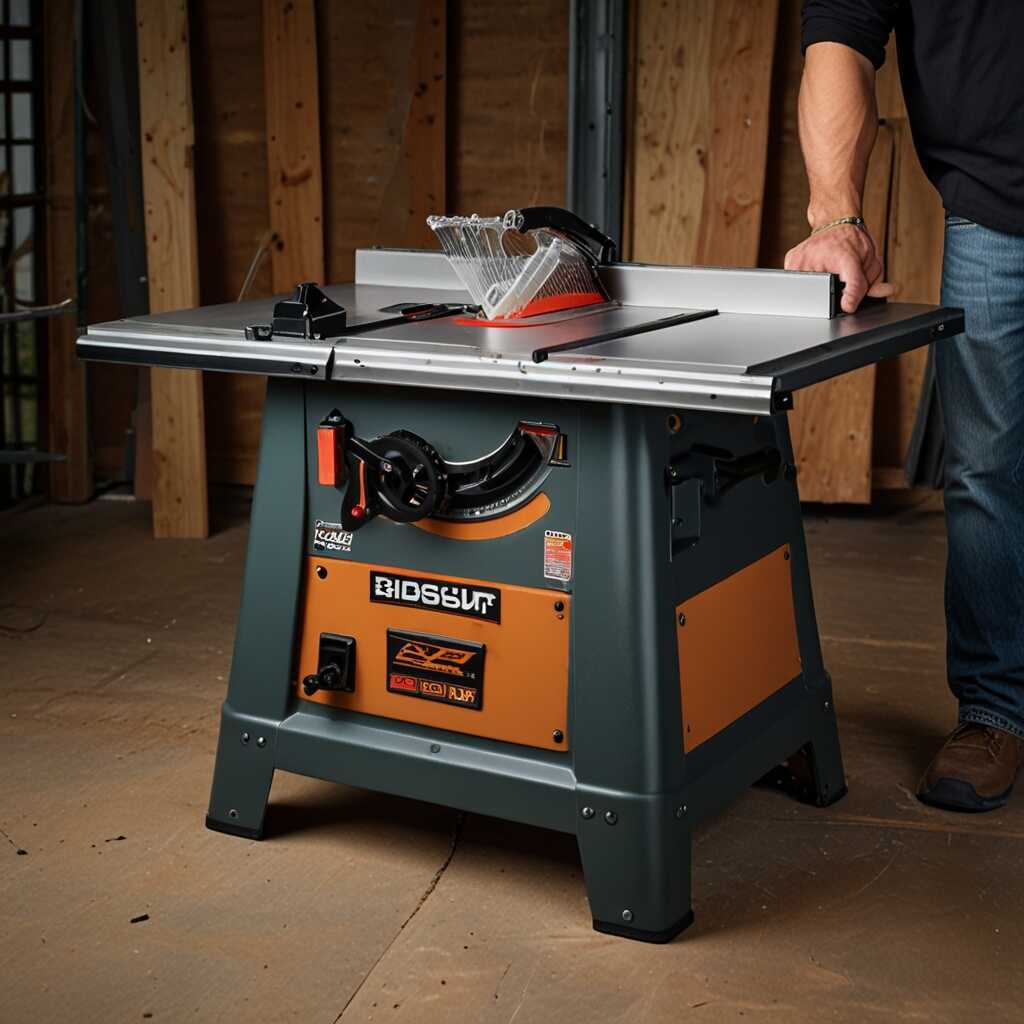
To effectively calculate the energy requirements for running multiple saws, consider the saw types, their power ratings, and usage frequency. Each saw has a specific wattage, which you can find in its product specifications. Adding up the wattage of all saws gives you the total energy requirement. For instance, if you run a table saw (1,500 watts), a miter saw (1,200 watts), and a circular saw (800 watts) simultaneously, your total would be 3,500 watts. This assessment helps you design an efficient solar system to handle the load, ensuring reliability and performance.
Understanding Saw Power Ratings for Efficient Solar Design
Knowing the power ratings of various saw types is essential for optimizing your solar energy setup. For example, a table saw typically requires around 1,500 watts, while a miter saw might need 1,200 watts. Circular saws usually need about 800 watts. Using these numbers, you can determine how many solar panels you need to install to generate enough electricity. It’s crucial to choose high-efficiency panels that can deliver reliable power. Researching different solar solutions ensures your setup runs efficiently, enhancing overall workshop performance.
Step-by-Step Guide for Installing Solar Energy Systems
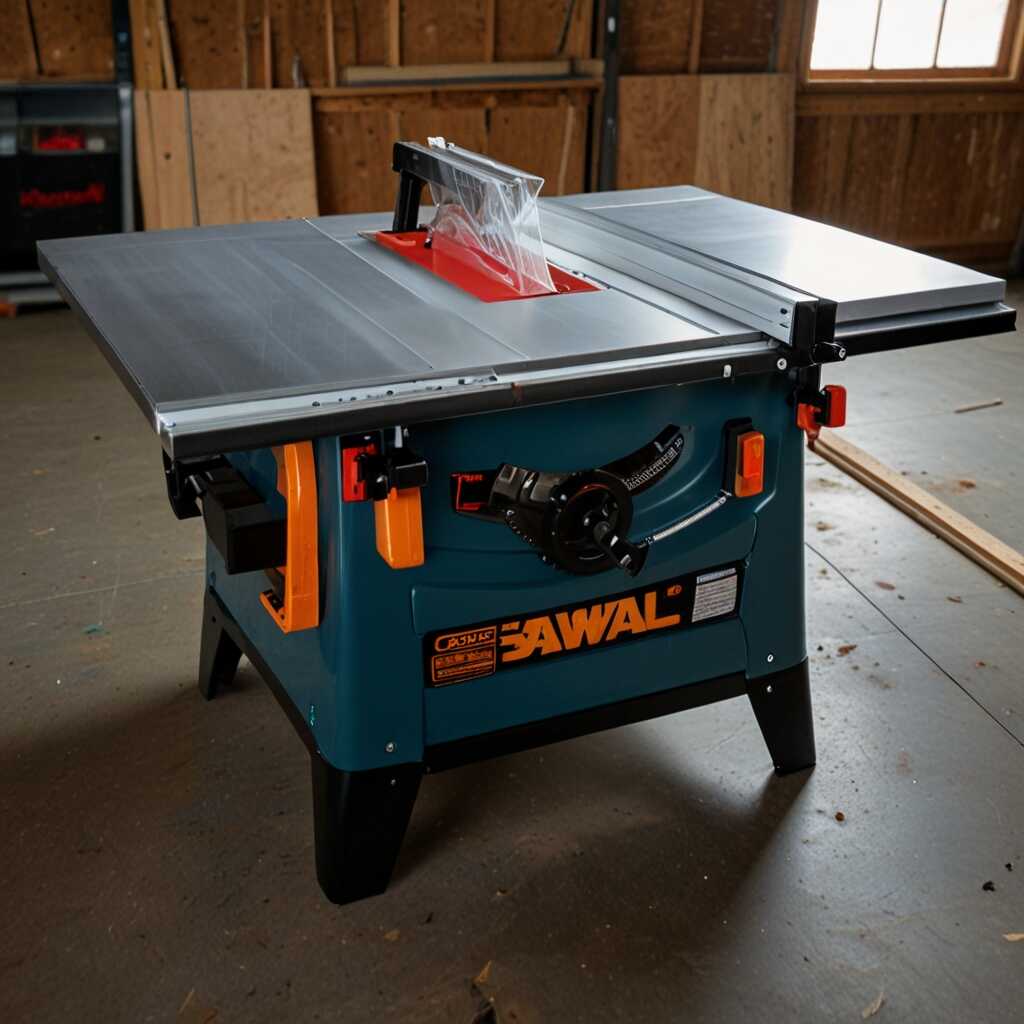
To install a solar energy system in your workshop, follow these essential steps. First, assess your workshop’s energy needs by calculating the total wattage required to run multiple saws. Next, evaluate your local climate, as solar efficiency can significantly vary based on sunlight exposure. Third, choose the right components including solar panels, an inverter, and batteries, ensuring they are reliable and durable. Follow this by preparing the installation site, which may require roof inspection and mounting equipment. Finally, connect your system, making sure all components are properly installed and tested for performance.
Determining Workshop Energy Needs
To effectively determine your workshop energy needs, start by creating a list of all electrical tools, specifically saws, you intend to use. Each tool has a wattage rating that affects total consumption. For example, circular saws may consume around 1,500 watts while miter saws may use 1,800 watts. Add up the wattage for all tools to estimate your total energy requirement. Consider peak usage times to ensure your solar installation can handle energy demands during busy periods. This comprehensive evaluation will guide the selection of a solar system designed for efficiency and reliability.
Advantages of Using Renewable Energy in Workshops
- Solar-powered systems offer significant cost savings on energy bills over time.
- Powered saws and tools are environmentally friendly, reducing carbon footprints.
- Users can work off-grid, providing flexibility in remote locations.
- Efficient systems can generate enough energy for multiple saws simultaneously.
- Solar panels have low maintenance requirements, making them convenient.
- Solar energy improves workshop reliability, as power outages won’t affect operations.
- Incentives and rebates can make solar energy systems more affordable.
Maintenance Best Practices for Solar Systems in Workshops
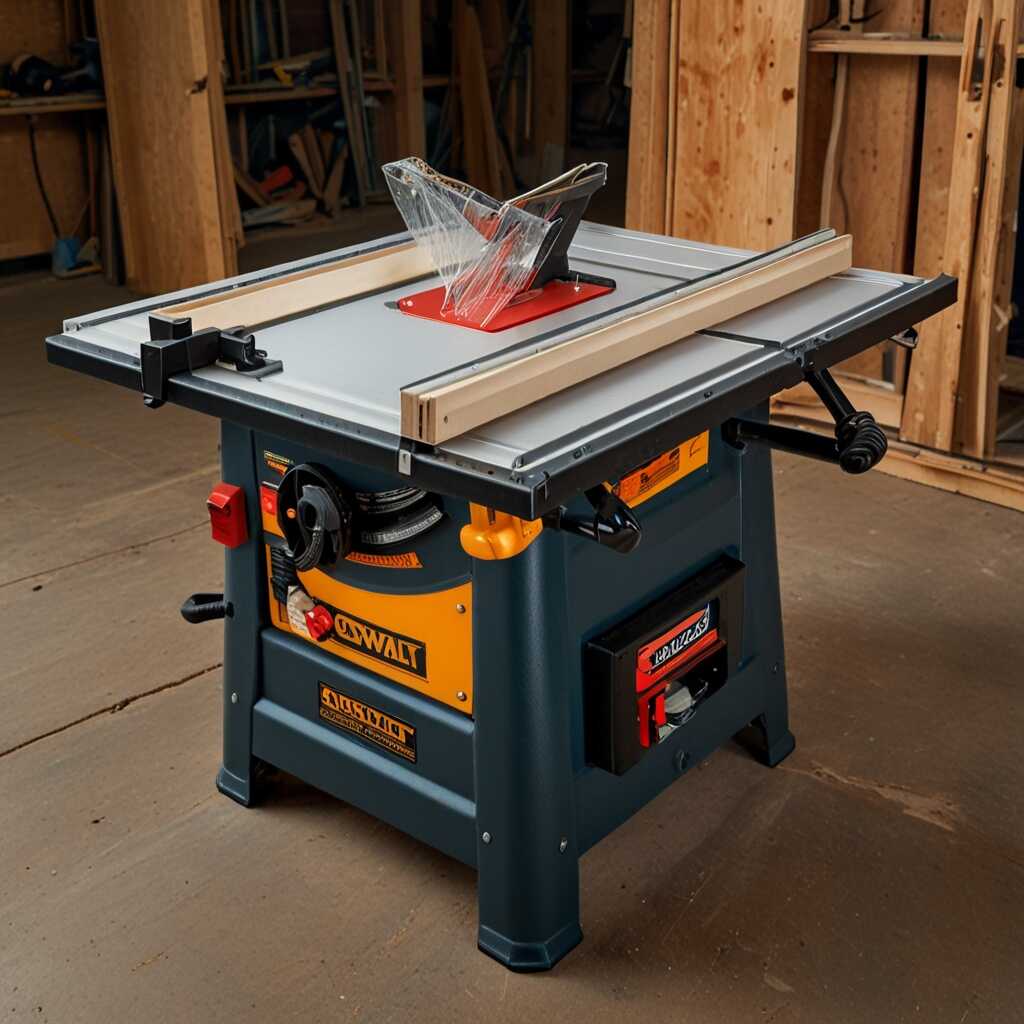
Essential maintenance practices for solar energy systems in workshops include regular inspections, cleaning, and performance monitoring. Users should check for debris on solar panels. Keeping panels clean enhances energy efficiency. Inspect wiring and connections for wear to ensure reliability. Regular testing of the system’s output provides insight into performance levels. Assess the inverter regularly, as it converts the solar energy to usable power. Proper maintenance helps extend the lifespan of solar panels, which can reliably serve workshops for 25-30 years.
How to Clean and Inspect Solar Panels in Your Workshop
Cleaning solar panels is crucial for maintaining high energy efficiency. Use a soft brush or a squeegee with a mild detergent solution to remove dust and grime. Regularly inspect your solar panels for any cracks or damage. Check the mounting structure for sturdiness and stability. Seasonal inspections are also essential to ensure snow or leaves do not obstruct sunlight. Keep records of cleaning and inspections to track performance over time. Solar maintenance can dramatically improve your workshop’s overall energy performance.
Real-Life Success Stories of Solar-Powered Workshops
Several workshops have transitioned to solar power successfully, showcasing impressive results. One notable example is a woodworking shop that now runs multiple saws entirely on solar energy. This shop utilizes a solar array designed to generate enough electricity to handle the workload efficiently. Workshops like this demonstrate how solar energy enhances efficiency while offering reliable power without dependency on grid electricity. Another example is a cabinetry workshop that reduced its energy costs by 60% after installing solar panels. These real-world examples provide valuable insights into practical implementations of solar solutions for woodworkers and DIY enthusiasts.
Key Benefits of Solar Energy for Workshops
The transition to solar energy offers numerous advantages for workshops. Solar-powered systems can manage various saw types, including miter saws, table saws, and band saws, enabling reliable performance. These saws are designed to operate effectively under solar power, enhancing the overall efficiency of woodworking projects. Additionally, workshops can expect substantial cost savings on energy bills, with reports indicating reductions of up to 70%. Solar systems are also durable and sustainable, aligning with eco-conscious values while delivering excellent performance and reliability for professional and DIY woodworking needs.
Industries and Enthusiasts Benefiting from Solar Solutions
- Professional woodworkers can streamline operations with reliable solar power.
- DIY enthusiasts often seek cost-effective solutions for their projects.
- Contractors benefit from energy independence when working on remote sites.
- Eco-conscious consumers prefer using renewable energy to power their tools.
- Small business owners reduce operating costs through solar investments.
- Hobbyists appreciate lower electricity bills while staying eco-friendly.
- Construction teams can utilize solar setups to enhance efficiency and productivity.
Emerging Trends and Innovations in Solar Technology
Recent advancements in solar energy solutions have transformed how workshops operate. Companies are developing new solar panel enhancements that maximize energy output and durability, allowing woodworkers to run multiple saws efficiently. Innovations include more efficient photovoltaic cells that convert sunlight into electricity and energy storage systems that ensure consistent power supply even during cloudy conditions. Reliable brands like Innovative Saws focus on empowering users with information on solar power systems that suit their specific workshop needs.
Understanding Solar Energy Efficiency Improvements for Workshops
Solar energy efficiency improvements play a crucial role in workshop setups. Enhanced solar panels can produce more energy with less space, which is essential for workshops with limited room. High-capacity energy storage solutions provide ample power for running different saws simultaneously, reducing reliance on grid energy. Upgrading to smart solar management systems helps track energy usage and optimizes performance. These innovations can significantly lower operational costs and improve sustainability in woodworking practices.