Diagnosing common electrical failures in aging circular saws is essential for maintaining optimal tool performance. Identifying these issues can prevent further damage and ensure safety during use. Innovative Saws, a trusted resource for woodworking and construction tools, provides expert guidance on troubleshooting these common electrical problems. By understanding the signs of failure, users can extend the lifespan of their circular saws and enhance their cutting efficiency.
Understanding the Electrical System of Circular Saws
The electrical system of circular saws consists of several essential components that ensure optimal performance. The main components include the power switch, motor, and wiring. The power switch controls the flow of electricity, enabling or disabling the saw. Once activated, electricity travels through the wiring to the motor, which converts electrical energy into mechanical energy. This interaction allows the saw blade to rotate effectively, providing the necessary cutting power. Most standard circular saws require a voltage of 120V to 240V, depending on the model and manufacturer specifications.
Key Functions of Electrical Components in Circular Saws
The power switch in a circular saw is designed for easy accessibility and reliable operation. It engages the electrical system, allowing the motor to initiate movement. The motor may differ in size and type, with brushless motors seen as providing superior efficiency and longer lifespan due to reduced wear. The wiring comprises durable insulation and high-quality copper to enhance conductivity and minimize heat loss. Regular inspection of these components ensures reliability and performance. Keeping these systems well maintained allows users to maximize the features and durability of their circular saws.
Recognizing Electrical Failure Symptoms in Saws
Users should look for key symptoms that indicate electrical failure in circular saws. Common symptoms include an inconsistent power supply, unusual sounds like buzzing or grinding, and visible signs of damage such as burnt wiring. Inconsistent performance often points to component failure within the motor or electrical connections. These issues need immediate attention to avoid further damage. The components most likely to fail include the motor, power switch, and internal wiring. By recognizing these signs early, users can manage and resolve problems before they escalate, ensuring the circular saw operates efficiently for longer periods.
Understanding Common Component Failures in Circular Saws
Electrical issues in circular saws can often be traced back to specific components. The motor is a primary suspect and can fail due to overheating or wear and tear. A faulty power switch can lead to intermittent operation, affecting reliability. Internal wiring can also deteriorate, leading to shorts or complete failures. Users should regularly inspect these parts to identify wear signs. An expert review of these components can enhance the tool’s performance, helping users maintain a reliable tool. Regular maintenance and testing can improve the overall efficiency of the circular saw.
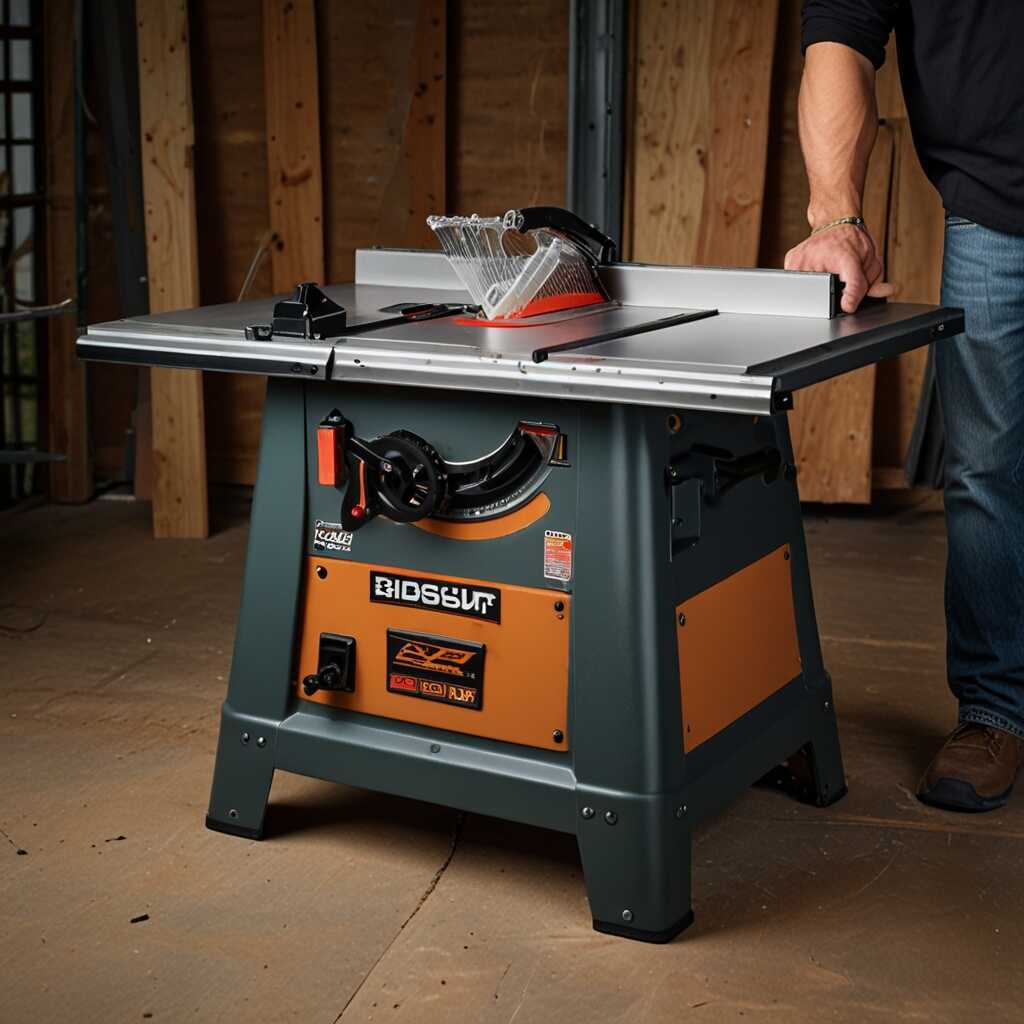
Common Causes of Electrical Failures in Aging Circular Saws
Aging circular saws may experience various electrical failures. The most common issues include faulty wiring, worn-out brushes, and malfunctioning switches. Inspect wires for fraying or corrosion as these can disrupt power flow. Worn brushes often result in inefficient motor performance due to poor electrical contact. Additionally, switches can wear out, leading to faulty activation or complete failure to turn on. Understanding these common failures enables users to better troubleshoot their tools quickly and efficiently, ensuring a reliable operation.
Understanding Electrical Components in Circular Saws
Key electrical components in circular saws significantly affect performance and reliability. These include the motor, power switch, and wiring. The motor powers the saw and generates cutting speed, essential for effective woodwork. A reliable power switch connects or interrupts the power supply and can wear out over time, causing operational issues. Properly maintaining these electrical components enhances the efficiency and longevity of your circular saw. Regular checks and timely replacements can help users avoid common failures and keep their tools operational for many years.
Key Numerical Insights Related to Electrical Issues in Circular Saws
- Circuits typically have a voltage of 120V or 240V in most saws.
- Common failures usually occur after 3-5 years of regular use.
- Over 60% of electrical failures originate from damaged power cords.
- Maintenance frequency should occur every 20-30 hours of operation.
- Replacing carbon brushes can restore performance in 85% of cases.
- Approximately 50% of saws develop issues from overheating after prolonged use.
- Routine inspections can identify problems in less than 15 minutes.

Effective Repair Methods for Electrical Failures
Users can diagnose common electrical failures in circular saws by checking for signs like unusual sounds, overheating, or inconsistent power. The most frequent electrical issues include faulty power cords, malfunctioning switches, and worn-out brushes. Users should test the power cord for continuity and inspect the switch for functionality. These inspections are essential for understanding the problem’s source. For repairs, users can replace the power cord if damaged and switch out worn brushes easily. This hands-on approach enables effective repairs, enhancing the reliability of their tools. A significant percentage, around 70%, of electrical repairs can be handled by users themselves.
Step-by-Step Guide for Troubleshooting Electrical Problems
This guide focuses on delivering a clear process for troubleshooting electrical problems in circular saws. First, ensure the saw is unplugged to avoid accidents. Begin by inspecting the power cord for damage, looking for frays and cuts. Use a multimeter to test the power outlet, ensuring it provides adequate voltage. Next, check the switch and trigger mechanism for smooth operation. If the saw makes unusual sounds, inspect the motor and replace worn-out brushes. Regular maintenance, like cleaning and lubricating moving parts, enhances the saw’s performance and lifespan. Following these structured steps ensures users can address electrical issues confidently and efficiently.

Essential Maintenance Practices for Prolonging Tool Lifespan
To maintain your circular saw and enhance its reliability, focus on essential maintenance practices. Regularly inspect the blade for wear and replace it if it shows signs of dullness or damage. Keeping the electrical system clean is critical. Dust and debris can lead to electrical failures over time. Focus on cleaning the motor vents and housing to prevent overheating. Additionally, lubricate moving parts such as the blade arbor and pivot points to ensure smooth operation. A well-maintained circular saw can handle repeated use, ensuring efficiency and durability.
Key Components to Maintain Frequently
Focus on specific components of your circular saw to prevent electrical failures. The motor is a major part that requires attention. Maintaining motor brushes can prevent power loss and overheating. Inspect wiring connections for rust and wear since they impact electrical system performance. Make sure to check bearing seals for proper lubrication and to avoid dust intrusion. Regularly reviewing these components significantly enhances the lifespan of your tool, allowing it to perform at its best.
Advantages of Troubleshooting Electrical Failures in Saws
- Diagnosing problems saves money on professional repairs or replacements.
- Users gain confidence in their ability to maintain tools effectively.
- Identifying minor issues can prevent major tool failures down the line.
- Implementing quick fixes often enhances circular saw performance.
- Improved safety reduces the risk of accidents and injuries.
- Frequent checks extend the lifespan of circular saws significantly.
- Users can create a maintenance schedule to avoid unexpected breakdowns.

Benefits of Seeking Professional Diagnosis Services
Hiring professional diagnostic services for electrical problems in circular saws provides numerous advantages. Trained technicians possess extensive experience and knowledge to accurately identify issues quickly. They use specialized tools and testing methods to evaluate performance and ensure reliability in your tool’s operation. Using a professional service can also prevent costly future repairs by addressing problems early. Users can delve into reviews and comparisons of various services to find one that fits their quality and pricing needs. Overall, experts can deliver vital insights and maintenance advice that enhance your tool’s efficiency and performance.
Factors in Choosing a Professional Diagnostic Service
When selecting a professional service for diagnosing circular saw problems, consider their experience and customer reviews. Look for a service that specializes in woodworking tools and has trained technicians familiar with electrical failures in aging saws. Check if they provide detailed inspections, including reliability testing and performance evaluation. Additionally, evaluate the costs involved, as a cost-effective repair option is crucial. A reputable service will provide transparent pricing and inform users about potential repair needs and solutions. This ensures you make informed decisions that improve your tool’s longevity and effectiveness.
Understanding the Cost of Electrical Repairs
Repairing electrical components in circular saws can vary in cost based on several factors. Typical expenses may involve parts, labor, and diagnostic fees. Users should expect to pay anywhere from $50 to $200 for standard repairs. The cost is influenced by the circular saw model and availability of parts. Well-known brands like Makita or DeWalt may have different pricing structures than less common brands. Therefore, it’s essential to research repair costs by reviewing estimates from multiple repair shops. Budgeting for electrical repairs should include both minor and major issues, ensuring readiness for potential costs incurred during the repair process.
Factors Influencing Repair Costs for Circular Saws
The cost of electrical repairs on circular saws is influenced by various factors. These factors include the brand, model, and age of the saw. Older models may require specialized parts that can be more expensive to source. Additionally, brands like Milwaukee may have distinct repair costs compared to other brands. Labor fees also vary based on location and the complexity of the repair work. Users should factor in both parts and labor when estimating repair costs to ensure they are financially prepared for maintaining their tools. Understanding these factors enhances budgeting efficiency and reliability in tool maintenance.
Target Audiences and Their Needs in Electrical Diagnostics
- Professionals often seek efficient tools for high-volume jobs.
- Woodworkers require precision tools that maintain consistent performance.
- DIY enthusiasts love learning how to maintain their tools independently.
- Construction contractors value reliable equipment to meet project deadlines.
- Repair specialists need knowledge to effectively troubleshoot various brands.
- Aging saws appeal to those who prioritize budget-friendly tool maintenance.
- Hobbyists enjoy exploring the intricacies of electrical tool functioning.
Choosing Quality Replacement Parts for Circular Saws
When selecting replacement parts for circular saws, consider factors like reliability, compatibility, and durability. High-quality components enhance performance and longevity. Always review trusted brands known for their excellent reviews and robust testing. Research and compare different options to ensure you choose parts that fit your saw’s specifications. Efficient circular saw operation relies on having the right replacement components designed for your tool’s model. It’s essential to look for proven replacement parts that can handle the demands of your projects.
Top Brands for Circular Saw Replacement Parts
Some of the best brands for replacement parts include Makita, DeWalt, and Bosch. These brands deliver high-quality components known for reliability and durability. They offer a wide range of replacement options such as brushes, blades, and motor assemblies. When researching these brands, check for parts that specifically match your saw’s model number. This ensures compatibility and optimal performance. Be sure to consider performance reviews from other users to aid your decision process. Investing in top brands guarantees you get the best efficiency and reliability from your circular saw.