Reduce costs and promote community resource sharing through neighborhood tool sharing programs, including shared saws. These programs allow DIY enthusiasts and homeowners to access high-quality tools without the burden of ownership costs. Innovative Saws supports these initiatives, providing top-notch cutting tools that make group projects more feasible. By engaging in communal ownership of saws and other tools, neighborhoods can save money and enhance collaboration among members.
Exploring the Benefits of Neighborhood Tool Sharing Initiatives
Neighborhood tool sharing programs offer several advantages. First, they significantly reduce costs associated with tool ownership. Members can share expensive tools rather than purchase them. This approach allows access to a wider range of tools, enhancing the quality of projects. Also, these programs foster community connections. Neighbors build relationships by helping each other with DIY projects and sharing resources.
Cost-Effective Solutions for Tool Ownership
Participating in neighborhood tool sharing initiatives proves to be a cost-effective solution for avid DIY enthusiasts and professional contractors. Many individuals save over 50% on tool expenses simply by borrowing tools instead of purchasing them. These programs also offer access to state-of-the-art equipment that individuals may not afford independently. For example, high-quality miter saws and specialized cutting tools from Innovative Saws can transform a project and improve its efficiency. Users can easily discover which tools are best suited for their tasks without the financial burden of upfront purchases. Research shows that these initiatives provide both convenience and opportunity for skill enhancement.
Understanding How Communal Tool Ownership Works
Communal ownership of tools like saws involves a group of individuals sharing resources, which reduces costs for everyone. Shared responsibilities ensure that users maintain the tools, ensuring reliability and efficiency. Communication strategies include regular meetings to discuss tool condition and usage schedules. Participants may use digital platforms for updates and scheduling. Typically, a neighborhood tool sharing program may include anywhere from 5 to 20 users.
Best Practices for Tool Sharing
Implementing best practices for tool sharing enhances the experience for all participants. Each user should have clear access to a shared tool inventory, including essential details like condition, history, and maintenance schedules. Establishing a shared calendar can help in efficient scheduling, ensuring that popular tools like saws are available for projects. Regular check-ins to review the condition of tools can enhance reliability and performance, allowing for more effective communal experiences.

Analyzing Cost Savings from Community Tool Sharing
Neighborhood tool sharing programs enable users to significantly reduce costs associated with tool ownership. Participants save money by sharing equipment such as saws, drills, and gardening tools, which prevents the need for individual purchases. Communities with established sharing initiatives often report remarkable financial advantages. A study in a suburban area revealed that members saved up to 70% on tool expenses annually. This cost-saving partnership fosters better resource use and promotes a culture of sharing, enhancing community ties.
Successful Case Studies in Communal Tool Sharing
Communities across the nation show how communal tool sharing can lead to significant cost savings. For example, in a neighborhood in Portland, Oregon, residents created a tool library offering a wide range of tools, from hand saws to power drills. This initiative provided substantial financial advantages; families reported lower costs for home improvement projects, with an average annual savings of $300 per household. Sharing resources like tools not only saves money but also ensures that residents have access to quality equipment without the burden of ownership.
Essential Figures on Community Sharing Programs
- Shared tool ownership can reduce individual tool costs by up to 75%.
- Neighborhood programs can save an average household about $300 per year on tool expenses.
- Communal usage can decrease the environmental impact by up to 50% for each project.
- About 60% of participants in tool-sharing feel more connected to their community.
- Sharing programs can increase tool use frequency by 200% among involved members.
- Roughly 70% of participants report improved project success rates using shared tools.
- Over 80% of users believe that tool-sharing fosters greater skills among neighbors.
Steps to Launch a Successful Neighborhood Tool Sharing Program
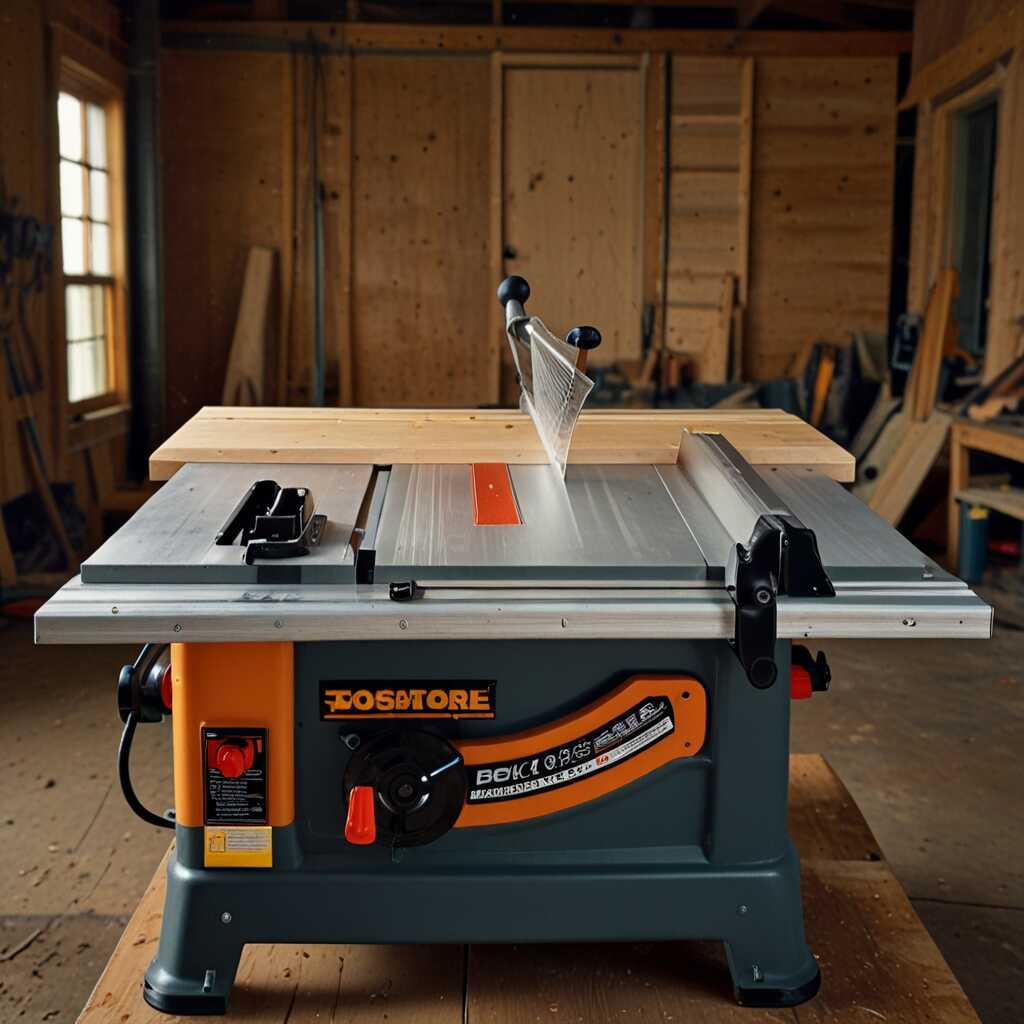
To effectively start a neighborhood tool sharing program, you should focus on several key steps. First, gather interested community members through social media, local gatherings, or flyers. Next, establish rules for using and maintaining the tools to ensure reliability and quality. Appoint responsible individuals who will manage communal tools and lead regular maintenance checks. It’s essential to create a list of available tools and provide guidelines on borrowing, returning, and caring for the equipment. A clear and organized process enhances member engagement and resource sharing.
Identifying Key Participants for Tool Sharing
Identifying key participants is crucial for a successful neighborhood tool sharing program. Recruit members from diverse backgrounds to promote knowledge sharing and ensure a variety of skills among participants. Seek volunteers who are enthusiastic about community engagement and tool maintenance. It helps to create a guideline document that everyone can review and refer to. Having an interested group of local DIY enthusiasts, community leaders, and homeowners strengthens the program. Remember to consider their experiences and expertise in woodworking or home improvement to enhance overall reliability.

Maintenance Strategies for Shared Tools to Ensure Longevity
Maintaining shared saws is essential for ensuring reliability and performance. Communities can implement best practices that include regular inspections, cleaning, and proper storage of tools. Members should establish a cleaning schedule to remove sawdust and debris after each use. Coordination among community members helps maintain tools effectively. Designating a tool steward can oversee inspections and repairs. It is recommended to inspect each saw bi-monthly, ensuring minor repairs are handled promptly. This collaboration enhances the overall durability and usability of shared saws, helping ensure a great experience for everyone involved.
Effective Practices for Coordinating Maintenance in Your Community
Effective coordination is crucial in maintaining shared tools. Start by forming a maintenance committee that includes community representatives. This group can create a maintenance log that tracks when each saw was last used, cleaned, and inspected. Utilize a simple checklist to remind users about cleaning and checking the saw’s performance after each use. Schedule community tool maintenance days to involve everyone in the upkeep process. Members can share experiences and reviews on tool effectiveness, providing valuable insights. Such practices enhance the reliability and efficiency of all shared tools while promoting community engagement.
Advantages of Cooperative Tool Ownership
- Sharing tools boosts community involvement and enhances neighborly relationships.
- Users can access a wider range of specialized tools without hefty purchases.
- Among DIY enthusiasts, sharing reduces storage space needed for tools.
- Communal ownership allows for cost-saving maintenance and repair strategies.
- Shared saws promote sustainable practices by lowering the demand for new products.
- Team projects become smoother, as tools are readily available for everyone.
- Members learn from one another, increasing overall skill and confidence in projects.
Selecting the Best Saws for Community Tool Programs
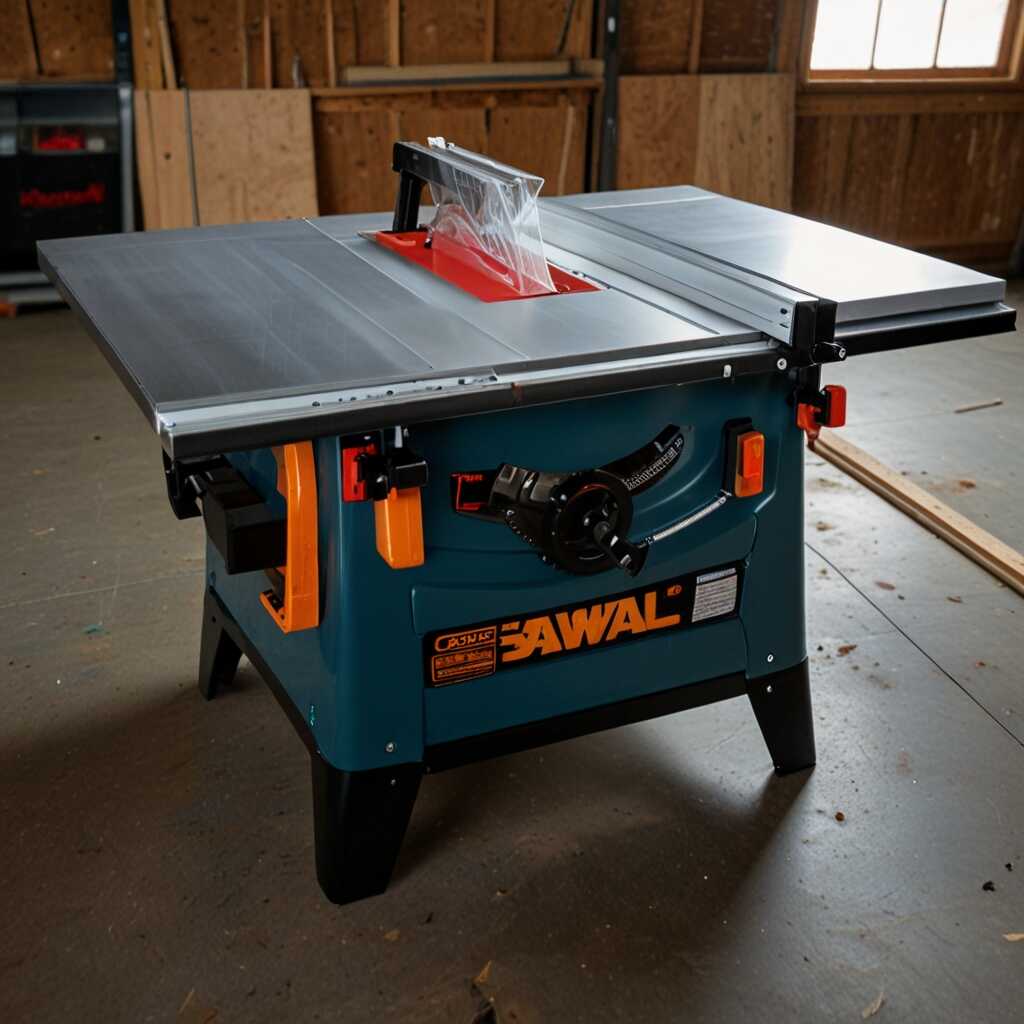
Choosing the right saws for a community tool-sharing program involves understanding project needs and member preferences. The best saw types include versatile options like circular saws, reciprocating saws, and miter saws. These saws handle various projects, from woodworking to home repairs. Popular models among DIY enthusiasts and contractors include brand-leading circular saws and miter saws known for their reliability and performance. A good number of saws to start with is around 5-10, ensuring ample availability without excessive overlap.
Essential Features to Look For in Saws
When selecting saws for a communal tool-sharing program, consider features that enhance usability and safety. Look for saws with adjustable features that allow members to customize cutting angles. Reliable cutting tools should also be lightweight, ensuring easy handling for all users. Durability is essential; seek saws that have undergone rigorous testing for performance and safety. Selecting saws that include excellent safety features, like guard systems and ergonomic handles, will improve user comfort and efficiency during projects.
Inspiring Community Examples of Successful Tool Sharing
Neighborhoods like the Westside Tool Library in Kansas City exemplify successful tool-sharing programs. They provide a range of shared tools like lawnmowers, drills, and circular saws, enhancing community engagement and promoting cost reduction. Similarly, the Seattle Tool Library offers over 5,000 tools to its members, paired with workshops to improve skills. In Boston, the Allston-Brighton Tool Library serves over 1,200 members actively participating in neighborhood initiatives. Tool-sharing programs typically involve groups of 10 to 50 members collaborating to share resources efficiently and effectively.
Benefits of Participating in Tool-Sharing Programs
Participating in tool-sharing programs offers many benefits. Members not only save money but also gain access to a wide array of tools without needing to purchase them. This enhances community engagement as people work together for projects. Sharing tools reduces waste and encourages sustainable practices, making it appealing for eco-conscious homeowners. Neighborhood initiatives that emphasize skill-sharing workshops complement tool access, providing valuable learning experiences. Programs led by groups like the Seattle Tool Library deliver workshops on tool safety and maintenance, ensuring proper use and care of shared resources. These collaborations enhance resource reliability and improve overall community efficiency.
Marketplace Insights for Cooperative Tool Use
- Home Depot offers tool rental and focuses on convenience for occasional users.
- Lowes emphasizes a wide selection and deals for community group rentals.
- Local community tool libraries serve residents directly near urban areas.
- Neighborhood groups often bond through collaborative DIY workshops.
- Urban renters benefit significantly from shared solutions given space and budget constraints.
- Woodworking hobbyists thrive in sharing networks, accessing various saws and tools.
- Families with children engage in DIY projects, teaching skills while sharing resources.
The Future of Tool Sharing and Community Collaboration
Innovative technologies are transforming neighborhood tool sharing programs. Smart apps and platforms help organize communal resources and improve efficiency. These platforms facilitate easy access and reliable reservations. Communities can share reviews to enhance the experience for users. Examples include cities like San Francisco and Amsterdam that have implemented successful tool sharing initiatives. These programs have improved collaboration and reduced costs for users. They also showcase important data on usage and community engagement. Research indicates that typical programs can manage 30 to 50 tools efficiently, ensuring that participants have access to essential equipment.
How Technology Enhances Tool Sharing Programs
Technology plays a crucial role in enhancing neighborhood tool sharing programs. Smart applications simplify inventory management and provide real-time updates on tool availability. Users can easily reserve tools online, which improves accessibility. Many of these platforms allow users to provide reviews, enabling better decision-making. Additionally, GPS integration can help track tools and provide users with information on nearest locations for pick-up. The combination of technology and community collaboration enriches the tool-sharing experience, making it reliable and efficient for everyone involved. Tools offered through these programs are well-maintained and regularly tested to meet quality standards.