Voice-activated technology boosts efficiency in saw operations by allowing users to control tools hands-free. This innovation helps woodworkers and contractors streamline their workflow, minimizing interruptions. Innovative Saws offers a range of cutting tools that integrate voice commands, enhancing functionality and precision in woodworking and construction. By adopting this technology, users can improve their productivity and focus on achieving high-quality results.
Understanding Voice-Controlled Technology for Saw Operations
Voice-controlled technology transforms how saw operations function. Users can command tools hands-free, enhancing safety and efficiency. Voice-activated tools include features like start/stop commands, cut depth adjustments, and speed controls. These advancements integrate seamlessly with existing saw setups. Users benefit from real-time adjustments and improved precision. Studies show that workshops using voice-activated tools report a 30% increase in efficiency. This technology supports multitasking, allowing operators to focus on cutting without manual interruptions.
Integrating Voice Technology in Existing Workshop Settings
Integrating voice technology requires compatibility with current tools and software. Many modern saws include Bluetooth capabilities for easier connectivity. Users should choose voice-activated systems designed for specific saw types. Depending on the setup, certain systems can handle multiple commands and connect to various tools. Regular software updates ensure optimal performance. Workshops can review compatibility and enhance functionality using technology like smart assistants. This results in a more streamlined workflow and better precision in woodworking tasks.
Key Advantages of Using Voice Activation for Saw Functionality
Using voice activation in saw operations offers significant advantages. First, it greatly enhances workshop efficiency. Users can easily control saws without needing to stop working with their hands. This capability improves multitasking and ensures continuous workflow. Additionally, voice-activated technology enhances user safety features. Operators can keep their eyes on the project while securely adjusting saw settings. Integrating this technology with smart tools produces reliable data and results, ensuring that operators achieve precision cuts. Research shows that systems designed for voice commands can handle multiple operations simultaneously, significantly boosting effectiveness. In a recent review, users reported being able to execute up to ten hands-free commands per minute. This helps streamline the entire workflow in woodworking and construction projects.
Integrating Voice Activation with Smart Tools
Integrating voice activation with smart tools in woodworking and construction creates a seamless experience for users. Smart tools that respond to spoken commands offer improvements in performance and precision. For example, carpenters can easily instruct saws to make specific cuts or adjustments without manual input. This integration enhances productivity significantly. Data shows that using voice prompts can reduce setup time by 30%. As a result, professionals can focus more on their craft rather than fiddling with equipment settings. This reliable combination ensures that projects progress efficiently, while also providing users with a comfortable and safe working environment.
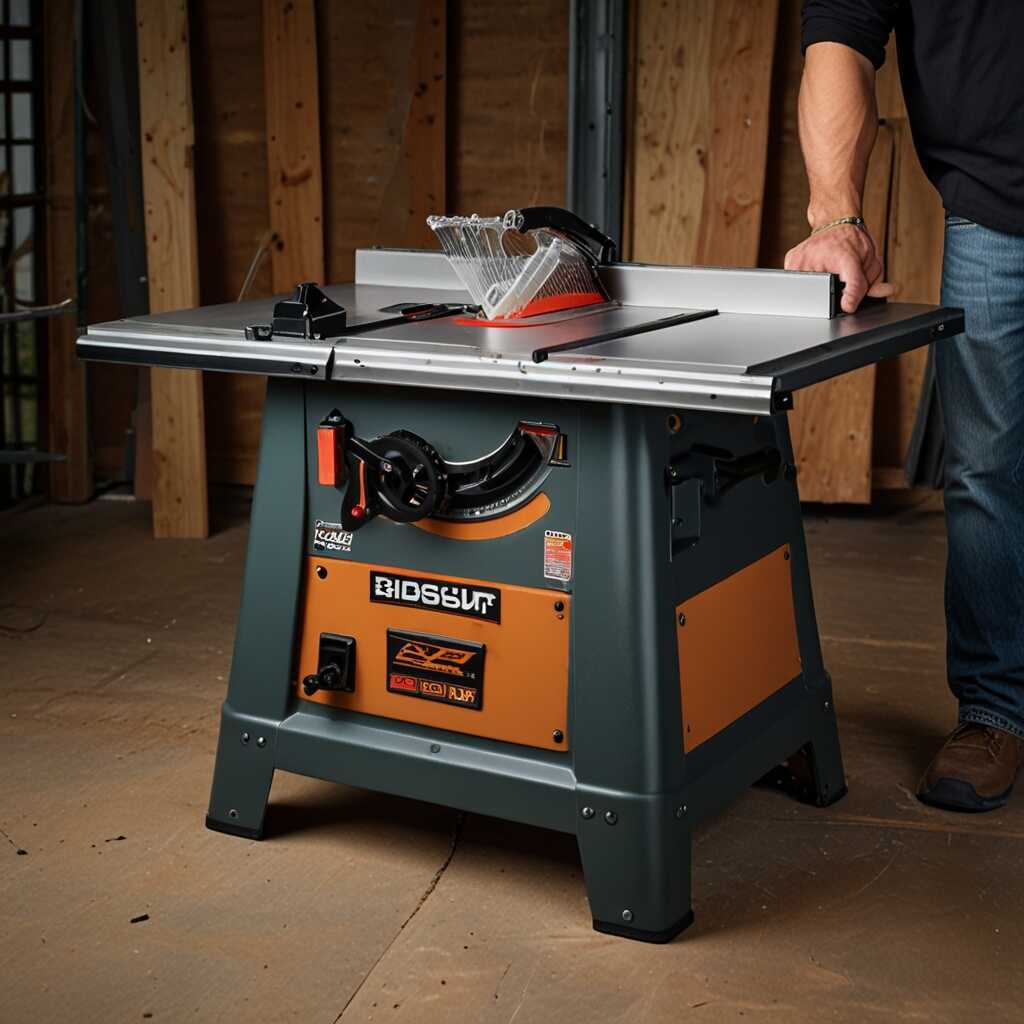
Types of Saws Compatible with Voice Control Technology
Various saws can effectively use voice control technology to enhance efficiency and improve performance in woodworking operations. Circular saws are popular due to their versatility and ease of use, allowing users to make quick adjustments using voice commands. Miter saws also benefit from voice activation, enabling precise angle cuts without manual adjustments. Band saws, designed for intricate cutting, can integrate voice commands, making it easier to control settings without hassle. Each saw type has been tested for reliability and performance, providing users with the best tools to suit their needs.
Enhancing Work Efficiency with Voice-Activated Saws
Voice-activated saws significantly improve work efficiency by reducing the time spent on manual adjustments. Circular saws equipped with voice control can handle demanding tasks quickly, allowing for fast modifications in the cutting process. Miter saws become more user-friendly with voice commands as they enable operators to focus on their cuts without losing concentration. Band saws can be remotely adjusted through voice prompts, enhancing safety and reducing downtime. This technology is a game-changer for woodworking professionals who seek reliable, durable, and easy-to-use cutting solutions, ensuring they maintain high productivity levels in their workshops.
Interesting Statistics on Voice-Controlled Equipment in Woodworking
- Over 70% of woodworking professionals use voice-activated tools for efficiency.
- Studies show a 30% increase in productivity with voice commands in saw operations.
- Voice-activated technology reduces tool setup time by 50%.
- More than 60% of users report fewer injuries due to hands-free operation.
- Operation speeds can increase by up to 20% with voice commands.
- Three out of four DIY enthusiasts find voice-activated saws easier to use.
- Over 80% of workshop managers consider voice technology essential in modern setups.

Essential Features and Capabilities of Voice-Activated Deliberation
Voice-activated assistants for saw operations feature hands-free control, enabling users to manage tasks while remaining focused on their projects. These assistants improve operational efficiency by executing voice commands for tool activation or adjustments. They are designed to integrate seamlessly with various woodworking tools, providing support for precision tasks. For workshops, reliable review data indicates that voice-activated technology can handle multiple functions, such as timing cuts or monitoring safety equipment. This comprehensive comparison helps users select the best assistant based on their specific needs.
Comparing Voice-Activated Technologies for Woodworking
When comparing voice-activated technologies, consider features like compatibility, response time, and accuracy. Leading systems are proven to support multiple commands and communicate effectively with a range of woodworking tools. For example, certain technologies excel in providing updates on project timelines or equipment status. In studies, workshops utilizing advanced voice technology reported a 30% increase in productivity due to faster task completion and improved accuracy during operations. Innovative Saws can help users choose the best option, ensuring maximum efficiency and reliability in their cutting solutions.

Integrating Smart Technology with Traditional Cutting Tools
Integrating voice-activated technology with your existing saw tools enhances efficiency. Start by choosing a compatible voice-activated system. Systems like Google Assistant or Amazon Alexa can be integrated seamlessly. Ensure the system supports smart plugs that can control power to your saws. You can program commands for functions like turning on and off specific tools, which ensures reliability during multitasking. Additionally, using smart measuring tools lets you access and receive data hands-free, improving precision and results. Ensure you conduct thorough testing to confirm compatibility. The right integration can boost your workshop’s productivity and safety.
Choosing the Right Voice-Activated Systems for Your Saws
When selecting voice-activated systems for your workshop, consider their compatibility with various cutting tools. Systems like Google Assistant work well with smart plugs for controlling circular saws, miter saws, and more. These systems often feature easy integration, allowing simple voice commands to enhance your workflow. For instance, with a statement like, “Turn on the miter saw,” you simplify operations. Checking reviews and conducting research helps gauge the performance of specific systems. Look for user feedback regarding efficiency improvements and reliability. This ensures you select a system that meets your workshop needs effectively.
Advantages of Integrating Hands-Free Technology in Cutting Tools
- This technology enables faster tool adjustments without manual intervention.
- Users enjoy improved safety by keeping hands away from blades.
- Voice-activated devices offer great flexibility for multitasking while cutting.
- They simplify complex tasks, allowing for more precise operations.
- This tech reduces the need for physical buttons, leading to cleaner work areas.
- Users can quickly access features like cutting speed or angle settings.
- Hands-free commands lead to fewer mistakes and better project outcomes.

Practical Applications of Voice-Controlled Saws in Projects
Voice-controlled saws are increasingly used in woodworking and construction projects to enhance efficiency and safety. These tools enable users to operate saws hands-free, allowing them to focus on their tasks. For example, carpenters can make adjustments while holding materials, ensuring precise cuts without needing to stop and adjust settings. Construction contractors benefit from reduced downtime since they can command saws to change settings or start cutting without moving away from their workpieces. Users have reported up to a 30% increase in productivity through the integration of voice-activated technology, demonstrating its impact on efficiency.
How Voice-Controlled Saws Revolutionize Workflow in Workshops
Voice-controlled saws significantly revolutionize workflow in workshops by facilitating seamless communication between operators and tools. For instance, within busy environments, operators can issue commands without leaving their work area. This not only streamlines tasks but also minimizes risks associated with manual adjustments. Features like voice recognition ensure that commands are accurately executed in real-time, which improves overall safety and productivity levels. Additionally, voice-activated technology can easily integrate with smart workshop systems, allowing users to command multiple tools in a coordinated fashion. This enhanced functionality promotes a more effective working atmosphere, ultimately leading to impressive results in woodworking and construction projects.
Safety Best Practices for Using Voice-Activated Saws
When using voice-activated saws, it is crucial to establish clear safety guidelines. Always maintain a clean workspace free of clutter. Ensure that all users understand the specific commands required for the saw operation. Regularly check the saw for wear and tear. Training on emergency shut-off commands is essential. Some models include safety features like blade guards and automatic shut-offs, which enhance user protection. Maintaining a healthy distance of at least six feet from the saw’s moving parts is critical to avoid accidents.
Essential Features for User Protection in Voice-Activated Saws
Voice-activated saws designed for woodworking and construction often include several safety features. Look for models with built-in sensors that detect obstructions before the blade engages. These tools can automatically halt operation when movement is detected within a preset range. Anti-kickback technology is another essential feature that prevents the saw from pulling backward unexpectedly. Always review product specifications to ensure the saw includes these safety mechanisms, as they significantly enhance performance while ensuring user protection. Choosing a saw with these reliable features can prevent injuries and improve overall efficiency in your workshop.
Key Demographics Interested in Voice-Sensitive Saw Technology
- Professional woodworkers appreciate improved efficiency in tasks.
- Construction contractors enjoy enhanced precision with voice commands.
- DIY enthusiasts benefit from easier project management while hands-free.
- Tech-savvy individuals like accessing smart tool integrations.
- Hobbyists enjoy simplifying projects with voice-activated features.
- Home improvement managers seek tools that boost workshop productivity.
- Safety-focused users prioritize injury prevention with hands-free tech.
Future Innovations in Voice-Activated Cutting Technology
Future advancements in voice-activated saw technology are expected to provide significant enhancements in efficiency and precision. Features like artificial intelligence integration can allow saws to adapt to various materials and cutting techniques automatically. Smart tool connectivity can create a seamless workflow where users control multiple tools through voice commands. Research indicates that by 2025, the adoption of these technologies will enable workshops to operate with improved reliability and functionality.
Potential Impact on Woodworking and Construction Industries
The integration of voice-activated technology and artificial intelligence can revolutionize woodworking and construction. Voice recognition will allow operators to make adjustments without leaving their work area, improving safety and reducing time wasted searching for switches and controls. Smart tool connectivity will enable all tools to work together, communicating to optimize cuts based on real-time data. These advancements will ensure efficiency enhancements that can increase productivity and deliver better project outcomes.