Choosing the right blade teeth configurations is essential for cutting different renovation materials effectively. Whether you are working with wood, metal, or tile, the correct blade can make all the difference in your project’s success. Innovative Saws offers expert guidance on selecting the best blades for various materials, ensuring optimal performance and safety. Understanding blade types will help DIY enthusiasts, contractors, and woodworkers achieve professional results in their renovation projects.
Understanding Blade Teeth Configurations for Effective Renovation
Blade teeth configurations consist of the number, shape, and arrangement of teeth on a saw blade. They are essential for achieving precise cuts tailored to specific renovation materials. For instance, blades with fewer teeth enhance speed by providing faster cuts, ideal for softwoods. Conversely, blades with more teeth create smoother finishes on hardwoods, metals, and tiles. Choosing the right configuration helps ensure reliable performance and minimizes wear. Innovative Saws specializes in providing tools with proven teeth configurations that can handle various materials, enhancing efficiency during renovation projects.
Choosing the Right Blade for Your Material
Selecting the correct blade for your material significantly impacts cutting performance. When cutting softwoods like pine or fir, choose blades with 24 to 30 teeth for faster cuts. For hardwoods like oak and maple, blades with 40 to 80 teeth deliver smoother finishes due to finer cuts. Metal and masonry require specialized blades designed for durability and reliability, often featuring carbide-tipped teeth for extended life. By matching the blade teeth configuration to your material, you enhance efficiency and reduce the risk of damage to the workpiece.
Selecting Blades for Different Types of Wood Projects
Selecting blade teeth configurations is crucial for achieving excellent results in woodworking projects. Different wood types require specific blade features for optimal performance. Softwoods like pine need fewer teeth, typically around 24 to 30 teeth for quick cuts. This helps enhance efficiency while cutting through the softer material. In contrast, hardwoods such as oak or cherry benefit from blades with a higher tooth count. A blade with 40 to 80 teeth offers good precision and fewer tear-outs. Choosing the right blade enhances the wood’s finish and ensures reliability in your work.
Understanding Tooth Count for Specific Wood Types
The tooth count directly influences the cutting performance of blades. For hardwood projects, a blade with 60 to 80 teeth is ideal. This configuration provides clean cuts while avoiding splintering. Softwood projects are better suited for blades with 24 to 30 teeth, as they cut faster. Cutting materials like plywood may require a balance, with about 40 to 50 teeth helping to ensure a smooth finish. With this knowledge, DIY enthusiasts and professional contractors can enhance their woodworking results effectively.
Best Blade Types for Efficient Metal Cutting Applications
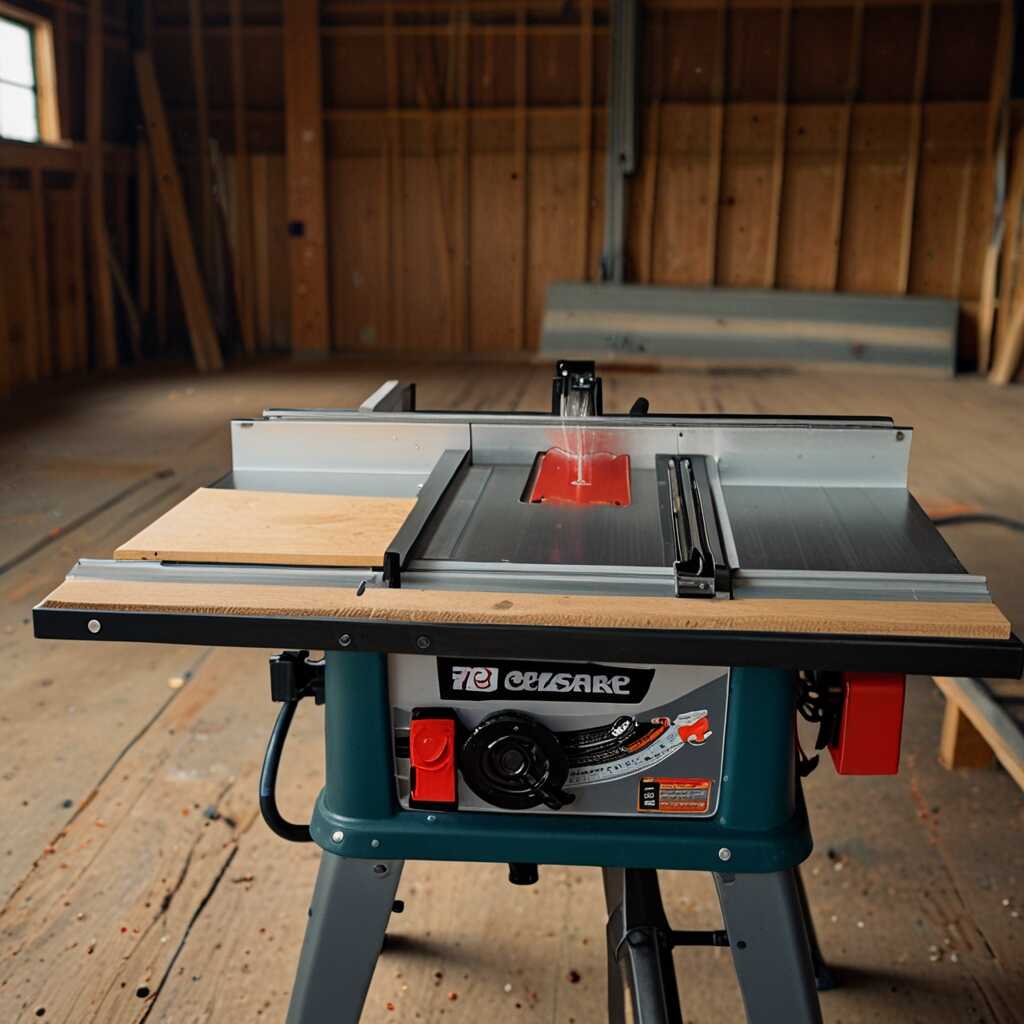
Choosing the right blade teeth configuration is crucial for cutting metal materials efficiently. For steel, high-speed steel blades generally provide the best results due to their durability and heat resistance. Bi-metal saw blades are ideal for various metals, including stainless steel and aluminum, as they combine flexibility and strength. The optimal tooth count for cutting metal typically ranges from 10 to 14 teeth per inch, ensuring clean and precise cuts without excessive friction or heat buildup. Each blade type is rigorously tested to guarantee reliability and performance across different metal applications, providing users with dependable options.
Understanding Tooth Count for Metal Cutting Blades
The tooth count plays a vital role in the efficiency of metal-cutting saw blades. Blades with a lower tooth count, between 8 and 10, are suited for quick cuts on thicker materials. Meanwhile, blades with a higher tooth count, between 14 and 24, excel at making smooth cuts in thinner metals, reducing the risk of jagged edges. Selecting the appropriate tooth count enhances the cutting efficiency and extends the blade’s lifespan. Innovative Saws offers a range of options, catering to different metal types and thicknesses, helping users achieve optimal results for their renovation projects.
Key Numerical Insights for Optimal Cutting Performance
- Most blades have between 24 to 80 teeth for varying cutting applications.
- Blades with 24 teeth cut faster but finish rougher, while 80-teeth blades provide smoother cuts.
- Each tooth angle typically ranges from 5 to 30 degrees.
- Thin kerf blades need less power, making them more efficient.
- Typical teeth spacing is about 1/8 inch on most woodworking blades.
- Professionals often use different blade sizes, usually 10 to 12 inches in diameter.
- Blades can last from 30 to 100 cuts, depending on the material and usage.
Choosing the Right Blades for Masonry and Tile Projects
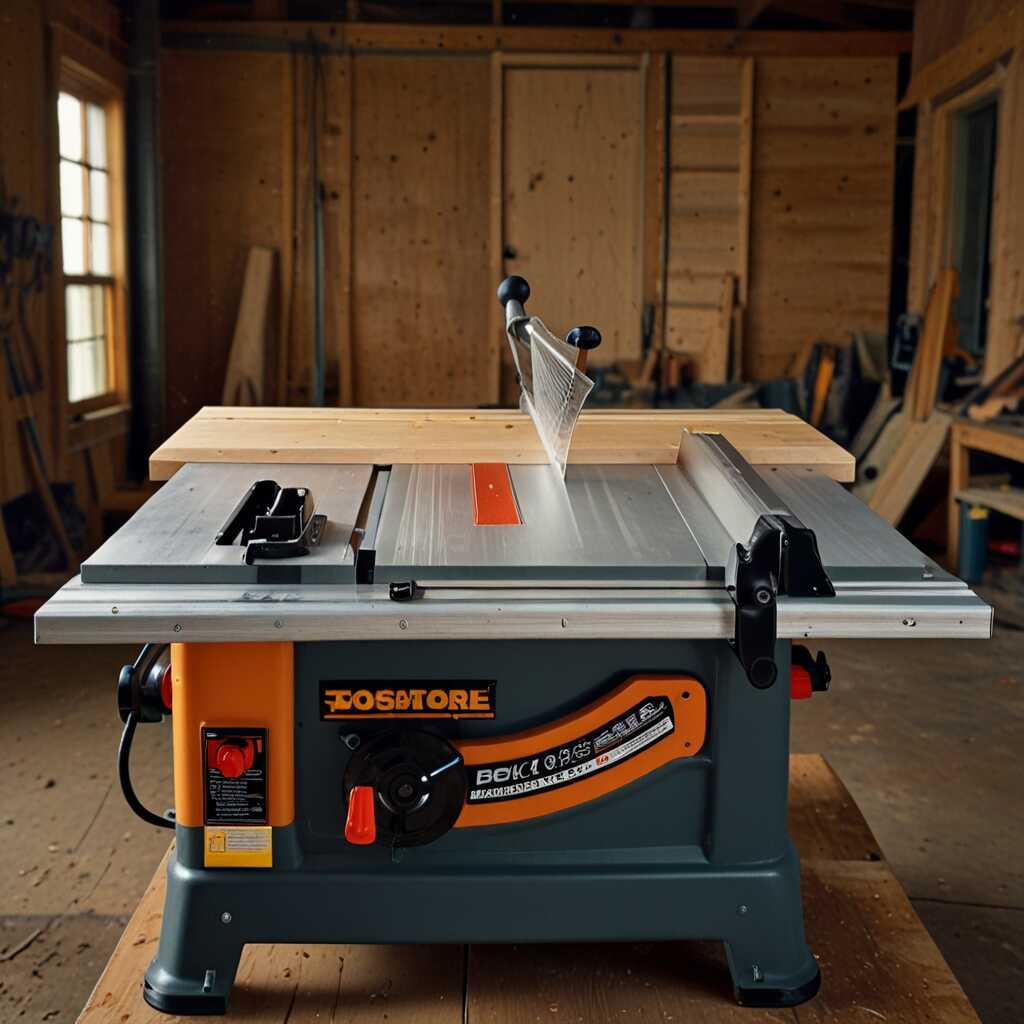
The right masonry cutting blades must feature durability and reliability. For hard materials like stone and ceramic, diamond blades excel. They offer proven performance, enhancing cutting speeds and ensuring clean edges. Carbide-tipped blades also perform well for tile cutting but may wear down faster on dense materials. The ideal RPM for cutting ceramic tiles typically ranges from 4,000 to 6,000. This range provides efficient cutting while minimizing chipping and breakage, ensuring a high-quality finish.
Comparative Advantages of Diamond Blades Over Carbide-Tipped Blades
Diamond blades offer unmatched cutting efficiency for tile and masonry projects. They can handle the toughest materials with ease, providing cleaner cuts and longer life. In contrast, carbide-tipped blades are generally more affordable but struggle with harder materials. They can chip tiles and create rough edges, which requires additional finishing. The choice between these blade types depends on project scale and material density. For serious projects demanding precision, diamond blades prove to be the better investment, ensuring exceptional results every time.

Ideal Blade Teeth Configurations for Plastics of All Kinds
When selecting blade teeth configurations for soft plastics, opt for finer tooth counts, typically between 10 to 14 teeth per inch (TPI). Soft plastics, such as polyethylene, benefit from a smoother cut, which a finer tooth configuration provides. For hard plastics, like PVC and acrylic, choose blades with larger teeth, ranging from 5 to 8 TPI. This configuration prevents melting during the cutting process. Each blade should be designed for the material; choosing the right tooth count greatly enhances cutting efficiency. Testing various configurations will help identify which works best for your specific projects.
Choosing the Right Blade for Different Plastic Types
The right blade for soft and hard plastics varies significantly. For soft plastics, blades with a high TPI and a thin kerf improve efficiency and reduce the risk of warping. Blades for harder plastics need robust teeth to withstand more pressure. Consider carbide-tipped blades for long-lasting performance on hard materials, as they provide excellent durability and cutting precision. Regular testing on scrap pieces helps determine if your selected blade configuration performs reliably. Innovative Saws offers a comprehensive selection tailored for these applications, ensuring you find the correct blade for your project needs.
Advantages of Choosing the Right Cutting Configurations
- Accurate blade configurations ensure clean cuts, minimizing splintering and tear-out.
- Different settings reduce cutting time, enhancing productivity for renovation projects.
- Correct blade types extend the life of your saw and maintain tool efficiency.
- Using the appropriate blade promotes safety, reducing the risk of blade binding.
- Well-suited teeth configurations optimize the user experience during tasks.
- Blade choice impacts the quality of joint and finish work significantly.
- Using the correct teeth pitch prevents overheating during long jobs.

Understanding Key Criteria for Selecting Renovation Blades
When selecting renovation blades, consider factors like the type of material, cut precision, and project demands. Different materials like wood, tile, and metal require specific blade teeth configurations for effective cutting. For instance, tougher materials may need blades with more teeth for a smoother finish. Opt for blades designed for particular uses, ensuring reliability and performance. It’s essential to review materials before starting any project. The number of teeth on the blade affects cutting efficiency and results. Fewer teeth can handle fast cuts through soft materials, while more teeth create a clean finish on harder surfaces.
Choosing the Right Blade Teeth Configuration for Specific Materials
Selecting the right blade teeth configuration is crucial for various renovation materials. For hardwoods, use a blade with 60 to 80 teeth to achieve a smooth cut. For softwoods, a 24 to 30 tooth blade works effectively as it cuts faster. Tile and masonry require specialized diamond blades to ensure durability and quality. The number of teeth influences both speed and quality of the cut, making it essential to match the blade to the material’s properties. Understanding these details enhances your renovation project’s success.
Critical Maintenance Practices to Extend Blade Lifespan
Cleaning saw blades regularly is important to remove debris, sap, and pitch that can accumulate during use. Use a soft brush and warm soapy water to scrub blades, followed by thorough rinsing and drying. Lubrication plays a key role in maintaining blade performance. Apply a light coat of oil to facilitate smooth operations and minimize wear. Proper storage is crucial; keep blades in a dry, dust-free space to prevent rust and damage. Maintenance should be conducted after every 5 to 10 uses, depending on the material cut. Following these essential care practices enhances blade longevity, ensuring reliable performance for all your cutting needs.
Recommended Frequency for Tool Maintenance
To ensure optimal performance and enhance the lifespan of your cutting tools, establish a regular maintenance schedule. For professional-grade saw blades, consider conducting a detailed review every 10 uses or once a month, whichever comes first. This helps identify early signs of wear and tear. DIY enthusiasts might find it useful to maintain blades after significant projects or heavy use, typically every 5 to 10 uses. Regular checks for blade dullness or damage will enhance their efficiency in cutting different materials. By adhering to a solid tool maintenance schedule, you will improve reliability and achieve excellent cutting performance consistently.
Brands and Their Target Users for Effective Cutting Solutions
- DeWalt: Popular among DIY enthusiasts for durability and ease of use.
- Bosch: Favored by professionals for precise cutting and reliability.
- Makita: Known for its lightweight design, attracting contractors seeking portability.
- Milwaukee: Professionals trust it for its advanced technology and performance.
- Ridgid: Appeals to budget-conscious DIYers and home renovators for cost-effectiveness.
- Craftsman: Popular with hobbyists for a wide range of reliable blades and saws.
- Festool: Geared towards serious woodworkers who prioritize high-quality finishes.
Guidance on Upgrading Cutting Tools Wisely
Upgrading cutting tools is essential for efficiency. Signs include frequent blade dullness, decreased cutting speed, or discomfort during use. If tools struggle with specific materials or require constant maintenance, it’s time to invest in quality cutting tools. Quality tools make renovation projects more efficient. They have features like durable blades and ergonomic designs, ensuring comfortable operation. Comparing reviews will help find reliable options in your price range. Data shows investing in efficient tools often saves time and enhances overall project results.
Choosing the Right Features for Your Renovation Projects
Selecting the best cutting tools involves understanding essential features. Look for reliable brands like Innovative Saws that provide tools designed for specific materials. Features such as blade design, tooth count, and adjustment mechanisms greatly influence cutting efficiency. Higher tooth counts deliver smoother cuts on harder materials like tile or hardwood. Ergonomic handles help improve comfort, reducing strain during prolonged use. Investing in quality cutting tools will make your renovation experience more enjoyable and effective.