Choosing specialized blades for cutting fiberglass boat components is essential for achieving clean and precise cuts. The right blade can significantly impact the quality of your work and the durability of the finished product. Innovative Saws offers a wide range of specialized cutting tools designed for marine carpenters and boat builders, ensuring you have the best options for fiberglass materials. Understanding the key features of these blades will help you select the perfect tool for your specific project needs.
Critical Tools for Effectively Cutting Fiberglass Boat Parts
To cut fiberglass boat parts effectively, you need essential tools like specialized blades designed for fiberglass. These blades should provide reliability and durability. Common specialized blades include carbide-tipped circular saw blades, fine-toothed jigsaw blades, and oscillating tool blades. Each type fulfills different cutting tasks, from straight cuts to intricate shapes, enhancing efficiency. Innovative Saws offers various options tested for performance in fiberglass cutting. Their selection helps marine carpenters find the best tools for their projects.
Choosing the Right Specialized Blade for Cutting Fiberglass
When choosing a specialized blade for cutting fiberglass, consider the material’s density and the required precision. Carbide-tipped blades excel for straight cuts in rigid fiberglass materials, while fine-toothed blades are great for intricate and detailed shapes. Oscillating tool blades provide versatility in tight spaces. Always review the product specifications for features ensuring blade compatibility with your specific saw. Innovative Saws ensures their blades undergo rigorous testing, providing data on performance and reliability for boat builders.
Characteristics of Fiberglass and Its Impact on Cutting Techniques
Fiberglass is a composite material known for its strength and flexibility. Its unique properties necessitate specialized cutting techniques. The fibers in fiberglass can create friction and heat, affecting blade performance. This requires choosing blades designed for composites to enhance cutting efficiency. Understanding these properties helps in selecting the right tools and techniques tailored for fiberglass, ensuring smooth and reliable cutting results.
Comparison of Fiberglass with Other Materials
Fiberglass differs significantly from materials like wood, metal, and plastic when it comes to cutting. Unlike wood, fiberglass does not splinter but can delaminate if cut improperly. Metal requires blades designed for steel, while plastic can melt if heated. Choosing the right blade for fiberglass is crucial for cutting performance. Blades that can handle the unique properties of fiberglass include those with carbide tips, which provide durability and precision. This ensures clean cuts without damaging the material.

Choosing the Right Blades for Your Fiberglass Cutting Needs
When choosing specialized blades for cutting fiberglass, look for features that enhance efficiency and reliability. Blades should have carbide-tipped teeth, designed to handle the abrasive nature of fiberglass without dulling quickly. Different applications may require blades with varying tooth designs; fine-toothed blades excel in detailed cuts, whereas coarse-toothed blades work best for quicker, rough cuts. Expert reviews from brands like Innovative Saws highlight how well-tested and proven these blades perform in terms of durability and quality, making them a solid choice for marine carpenters.
Understanding Tooth Configuration for Optimal Performance
Tooth configuration on fiberglass cutting blades plays a crucial role in achieving the best results. Blades with alternating top bevel (ATB) teeth are ideal for clean crosscuts in fiberglass, providing a smooth finish. Blades featuring triple chip grind (TCG) teeth are effective for tackling thicker materials and reducing chipping. The combination of these configurations can significantly enhance the cutting performance. Opting for a blade with the right tooth count is just as important; a higher tooth count results in finer cuts, while a lower tooth count is better for fast, rough cuts. Ensure that the selected blade aligns with the project requirements for efficiency and comfort.
Key Measurements for Selecting Cutting Tools
- Fiberglass boat materials generally have thicknesses ranging from 1/8 inch to 1 inch.
- Optimal blade RPM for cutting fiberglass is between 3000 to 5000 RPM for clean cuts.
- Blade tooth count for fine cuts can arrive at 80 or more teeth.
- Specialized blades often range from 7 to 12 inches in diameter.
- Professional saws can weigh between 5 to 20 pounds, affecting portability.
- Mixing epoxy resin and fiberglass usually requires a ratio of 1:2 by weight.
- Some blades may cost between $20 to $100, influencing budget choices.
Best Practices for Maintaining Your Specialized Cutting Tools
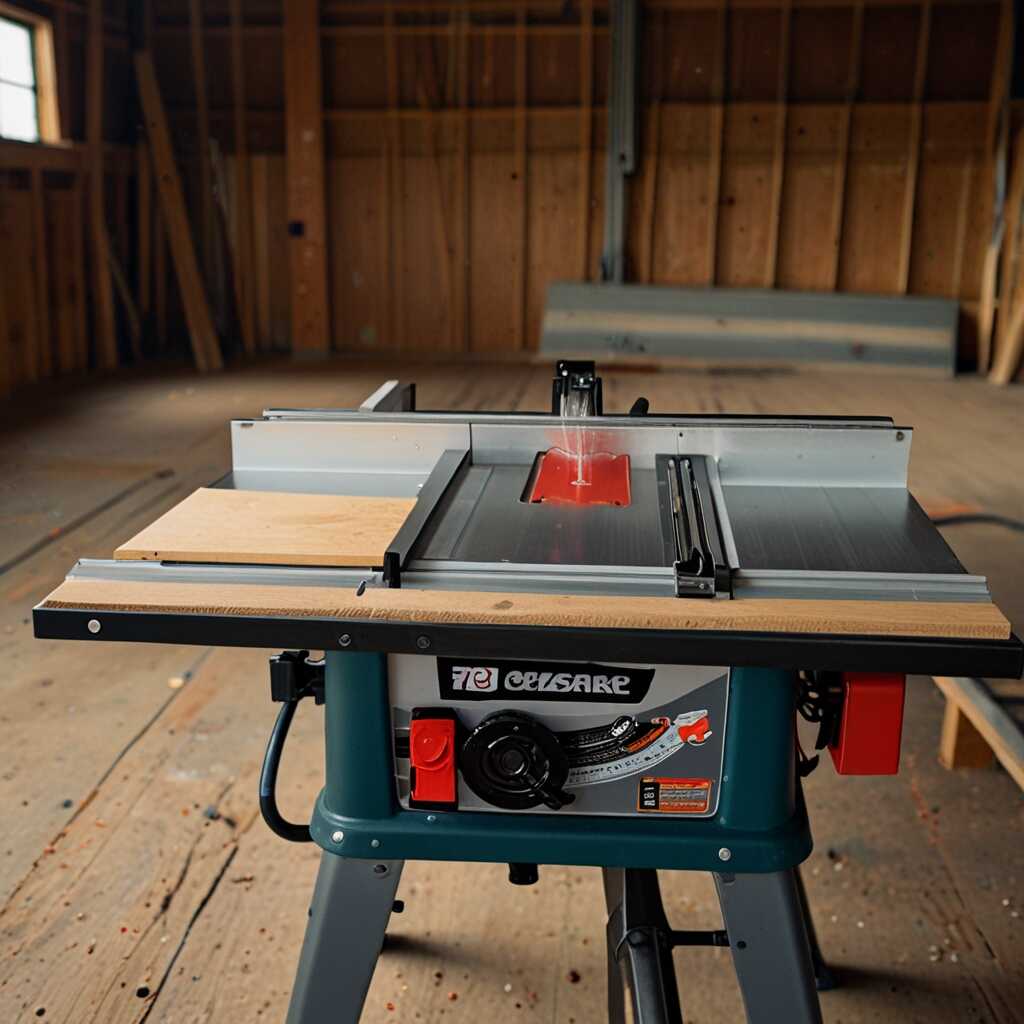
To ensure the reliability and performance of your specialized blades for fiberglass, regular maintenance is essential. Start by inspecting your blades for damages, such as chips or dullness. Sharpen blades as needed, as a sharp edge enhances cutting efficiency and reduces strain on both the tool and your hands. Cleaning blades after each use prevents resin buildup, which can impede performance. Use a soft brush or cloth and a non-corrosive cleaner to remove debris. Store your tools in a dry, cool area to prevent rust and degradation. These practices help extend the lifespan of specialized cutting tools and keep them ready for your fiberglass projects.
Essential Cleaning Techniques for Fiberglass Tools
Effective cleaning techniques play a pivotal role in tool maintenance. After working with fiberglass, use denatured alcohol or acetone to dissolve any resin left on the blade. A toothbrush can effectively scrub hard-to-reach areas without damaging the blade. For stubborn residues, soaking the blades in a cleaner solution for 15 minutes can help. Ensure you dry the blades thoroughly before storage to prevent rust. Regularly following these cleaning techniques ensures your specialized tools are always in optimal working condition, enhancing their longevity and performance.

Frequent Mistakes to Avoid When Cutting Fiberglass
Common mistakes in fiberglass cutting include improper blade selection, incorrect cutting speed, and neglecting protective gear. Using the wrong specialized blades can compromise cutting accuracy and lead to uneven edges. Many marine carpenters overlook the need for cooling during cuts, risking overheating and fiber damage. It’s also essential to use the right cutting techniques to prevent chipping, which makes a significant difference in results.
Choosing the Right Blades for Fiberglass
Selecting specialized blades that are specifically designed for fiberglass is crucial for effective cutting. Blades with fine teeth minimize chipping and ensure clean cuts. Carbide-tipped or diamond blades enhance durability and cutting efficiency, making your tasks easier and faster. Always consider the thickness and composition of the fiberglass when choosing a blade. For best results, test different speeds based on the blade type, as this will help maintain quality and ensure smooth finishes.
Advantages of Choosing Tailored Cutting Tools
- Specialized blades reduce chipping and splintering while cutting fiberglass.
- They enhance precision, ensuring clean edges and accurate measurements.
- Blade materials can resist wear, increasing lifespan and effectiveness.
- Using appropriate blades minimizes health risks from fiberglass dust.
- Properly fitted blades improve overall cutting efficiency and speed.
- Specialized options allow versatile use across various fiberglass components.
- Enhanced control during cutting reduces mistakes and improves user confidence.

Safety Guidelines for Working with Fiberglass Materials
When working with fiberglass materials, safety is essential. Marine carpenters should wear personal protective equipment (PPE) like gloves, goggles, and respirators. These items protect from fiberglass dust and sharp fibers that can cause irritation or injury. Following OSHA regulations ensures a safe working environment. Marine carpenters must have updated training on cutting fiberglass. It helps to know emergency procedures in case of accidents. Generally, a minimum of 8 hours of safety training is recommended before handling fiberglass. This training enhances awareness of potential hazards and effective safety practices.
Essential Personal Protective Equipment for Fiberglass Work
Using the right personal protective equipment (PPE) is critical when working with fiberglass. Marine carpenters should invest in high-quality respirators that filter fine fiberglass particles. Eyewear with side shields can safeguard against flying debris. Durable gloves prevent skin contact with sharp edges while handling fiberglass components. A full-body coverall can also reduce exposure to dust and fibers. Ensuring these safeguards are in place enhances overall safety during cutting and assembly processes. Innovative Saws offers safety gear tailored for the fiberglass industry, ensuring reliability and quality for all users.
Latest Innovations in Fiberglass Cutting Technology
Recent innovations in fiberglass cutting technology have focused on enhancing efficiency and performance. Advanced diamond-tipped blades now provide improved durability while making precise cuts in fiberglass. These blades are engineered to resist wear and reduce heat build-up, ensuring reliable performance on tough materials. Additionally, new saw designs increase maneuverability, allowing marine carpenters to handle complex shapes with ease. Comparatively, traditional methods often lack the precision and speed of modern cutting technologies, requiring more effort and time.
Key Features of Modern Cutting Tools for Fiberglass
Modern cutting tools for fiberglass boast features that significantly improve cutting efficiency. For example, specialized blades now include coatings that reduce friction and enhance durability, allowing for longer-lasting performance with fewer replacements. Many of these blades are designed with optimized tooth geometry, which improves cut quality and lessens debris generation. In addition, tools equipped with vibration dampening technology provide smoother operation. This enhances user comfort, making it easier to maintain control while cutting. Comparing these new features with older tools highlights a substantial leap in cutting efficiency and quality, which can help marine carpenters achieve professional results.
Comparative Analysis of Cutting Tool Options
- Makita blades offer high performance, but they can be costly for budget users.
- Dewalt provides affordable options, but durability may be less than premium brands.
- Bosch offers specialized saws with ergonomic designs for ease of use.
- Users of professional-grade saws often demand precision and speed, making them suitable for marine carpenters.
- DIY enthusiasts typically prefer cost-effective solutions for occasional projects.
- Custom fabricators need higher precision, so they lean towards top-tier brands.
- Home users may look for general-purpose cutting tools that balance cost and performance.
Professional Insights for Selecting Appropriate Cutting Blades
When selecting specialized blades for fiberglass, consider material compatibility, blade type, tooth count, and finish quality. Blades designed specifically for fiberglass have unique features, such as carbide tips and special tooth configurations that enhance cutting reliability. Comparing blade performance can reveal which offers the best efficiency for your project needs. Analyzing customer reviews and expert recommendations helps ensure you make informed decisions. Regarding longevity factors, average lifespans range from 20 to 50 cuts, heavily influenced by usage conditions and maintenance practices.
Understanding Blade Types for Fiberglass Applications
Choosing the right type of blade is crucial for achieving optimal results when cutting fiberglass. Tungsten carbide blades are highly recommended due to their durability and ability to handle fiberglass composite materials easily. Blades with fewer teeth provide faster cuts but may leave a rough finish, while those with a higher tooth count deliver smoother edges, crucial for visible sections of boat components. Blades designed with a unique profile for fiberglass prevent chipping and offer a very good performance in both precision and speed, making them essential for marine carpenters.