Essential saws play a crucial role in the efficient production of wind turbine blades, enabling manufacturers to create high-quality components. These specialized cutting tools are designed to handle the unique materials and dimensions involved in blade fabrication. Innovative Saws offers a comprehensive selection of these essential saws, ensuring that manufacturers can achieve precise cuts and optimal performance. Understanding the applications and maintenance of these tools is vital for maximizing productivity and ensuring the longevity of the equipment used in wind turbine blade production.
Fundamentals of Specialized Saws in Wind Turbine Manufacturing
Specialized saws are essential in wind turbine blade manufacturing for several reasons. They ensure precision in cutting composite materials, enhancing the efficiency of the production process. Commonly used saws include band saws, which handle intricate cuts, and circular saws, designed for straight, long cuts. Depending on the manufacturing facility, wind turbine blade production typically requires three to five types of specialized saws to cover all cutting applications efficiently.
Types of Specialized Saws for Blade Production
In wind turbine blade production, specialized saws enhance cutting accuracy and reduce waste material. Band saws are crucial for curved cuts, allowing for complex blade shapes. Circular saws are used for straight cuts through large composite materials. Reciprocating saws can handle demolition situations during maintenance or adjustments. Each saw type is designed to meet specific cuts needed in blade manufacturing, ensuring reliability and improving overall production efficiency.
Comprehensive Overview of Saws Used for Blade Production
Manufacturing wind turbine blades involves various saw types, each designed for specific tasks and sized for large materials. Essential saws include band saws, which are proficient in making precise cuts in thick composite materials. Circular saws also play a vital role, especially for straight cuts through larger sections. Band saws excel in resawing and curve cuts, providing reliability and efficiency. On the other hand, circular saws enhance cutting speed for straight edges, significantly improving production rates. Understanding the applications of these saws enables manufacturers to select the best tools for their operations, ensuring quality and performance in turbine blade production.
Key Features of Band Saws and Circular Saws
When focusing on the features of band saws and circular saws, users should consider blade material, power ratings, and cutting capabilities. Band saws typically have long, flexible blades made from high-speed steel or carbide, which allows for precision cutting and smooth finishes. They can handle thick materials used for blades, often going up to several inches in thickness. Circular saws, when selected appropriately, can provide efficient and clean cuts in large panels, with blade diameters ranging from 7 to 12 inches, enhancing overall productivity. Each saw’s specifications play a vital role in their efficiency and durability, which are crucial for high-quality wind turbine blade production.

Critical Features for High-Performance Cutting Tools
Specialized saws for wind turbine blade production require essential features that enhance their performance. Blade material is crucial, as high-speed steel (HSS) and carbide-tipped blades provide durability and cutting precision. Blade dimensions must suit the specific design of the turbine blades. These configurations ensure efficient cutting without chipping. Performance testing criteria should include reliability under continuous use and the ability to handle various materials effectively. A high-quality saw can typically achieve cutting speeds of around 300 meters per minute, allowing for fast and efficient manufacturing of large blades.
Influence of Blade Material and Dimensions on Performance
Blade material and dimensions significantly influence the cutting performance of specialized saws. For wind turbine blades, using carbide-tipped blades is essential for their durability and efficiency. Carbide blades resist wear and provide better cutting precision, which is crucial for intricate blade designs. In terms of dimensions, wider blades handle thicker materials better and maintain stability during cutting operations. Optimal blade length and thickness prevent flexing and ensure straight cuts. This combination of appropriate blade material and dimensions can greatly enhance the overall efficiency of the production process, supporting manufacturers in meeting their output goals for 2025 and beyond.
Critical Numerical Insights for Profitable Manufacturing
- Wind turbine blade production requires saws that can handle materials over 70 feet long.
- Large blades weigh between 15,000 and 30,000 pounds, necessitating specialized equipment.
- Manufacturers often use saws to make cuts with a precision tolerance of ±1 mm.
- Innovative saws help improve production efficiency by reducing cutting time by up to 25%.
- Production facilities typically operate 24/7 to meet a growing demand for energy.
- Top manufacturers produce nearly 10,000 blades annually with the right tools.
- Cost-effective saws can last for up to 20 years with proper maintenance.

Effective Cutting Techniques for Blade Efficiency
Effective cutting techniques significantly enhance wind turbine blade production efficiency. Techniques such as optimized saw positioning, consistent feed rates, and specialized cutting speeds contribute to improved manufacturing accuracy. Circular saws excel in straight cuts, while band saws are preferred for intricate contouring. Understanding the differences in saw types, like those mentioned, helps manufacturers choose the right tool for specific tasks. The optimal cutting speed for saws used in this industry generally ranges between 80 to 100 feet per minute for composite materials, balancing cutting efficiency and material integrity.
Comparative Analysis of Saw Types
Circular saws, band saws, and miter saws serve distinct purposes in wind turbine blade manufacturing. Circular saws deliver straight cuts with high-speed capabilities, making them suitable for initial cuts. Band saws handle curves and shapes with precision, allowing for detailed designs. Miter saws provide accurate angle cuts, essential for joint fabrication. The seamless integration of these saw types in production lines ensures reliability and enhances overall efficiency in blade creation.

Overcoming Material Challenges in Blade Manufacturing
Wind turbine blade production faces specific material challenges. Common issues include dealing with the density and hardness of composite materials. These properties can lead to tool wear and affect cutting performance. Proper blade choice enhances cutting efficiency. Materials such as fiberglass and carbon fiber are prevalent in blades. Their properties impact cutting practices, requiring saws that are durable and reliable. Specialized saws designed for these materials have features that improve precision and prolong tool life. Understanding these challenges helps manufacturers ensure quality results.
Understanding Composite Material Properties in Blade Production
Composite materials like fiberglass and carbon fiber exhibit unique properties that affect cutting techniques. Fiberglass is strong yet can produce micro-cracking during cutting. This necessitates specialized saw blades designed with specific teeth configurations for smoother cuts. Carbon fiber is stiffer and can cause high blade wear if not approached correctly. Saws with higher RPMs and advanced cooling methods can handle these composites effectively. Choosing the right saw with appropriate features significantly enhances cutting performance and results in superior blade production.
Advantages of Specialized Cutting Tools in Production
- Efficient saws enhance speed and accuracy, leading to higher output rates.
- Innovative cutting tools minimize waste by providing cleaner cuts and less scrap.
- These saws reduce the need for manual labor, cutting production costs.
- Consistent performance results in fewer defects, increasing overall quality.
- Advanced sawing technology improves worker safety by reducing accidents.
- Many specialized saws are designed for easy maintenance and longevity.
- They accommodate various materials, making them versatile for different projects.
Best Practices for Maintaining Specialized Saws
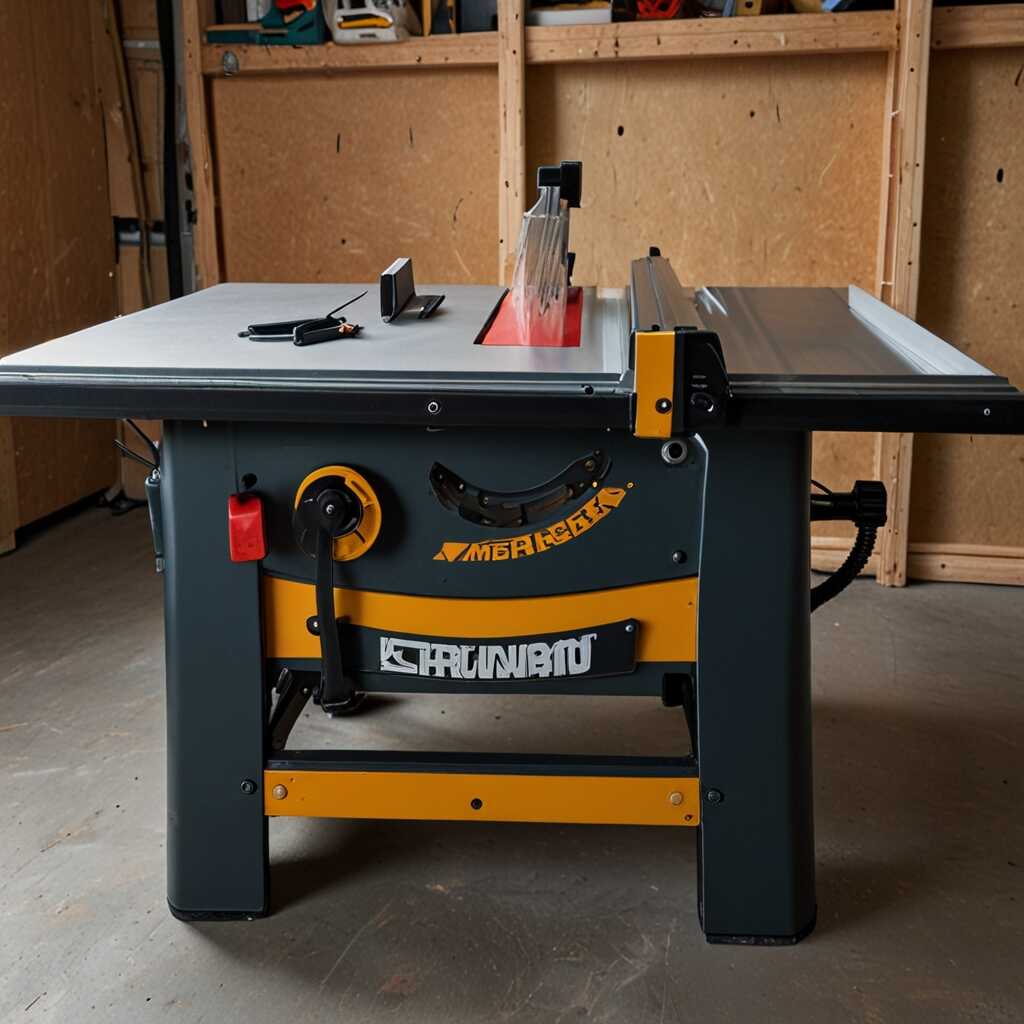
To ensure the reliability and lifespan of specialized saws, users must perform regular maintenance tasks. Essential maintenance includes cleaning saw blades after use to remove debris and sap, which can diminish cutting performance. Different saw types, like band saws and circular saws, have varying requirements; for instance, circular saws need periodic checks on alignment and balance, while band saws require tension adjustments on blades. Cleaning and lubrication should ideally occur after every major use, helping maintain optimal performance. Innovative Saws provides expert guidance to enhance saw reliability and durability.
Essential Techniques for Saw Care and Maintenance
Understanding essential techniques for saw care can significantly enhance their reliability and performance. When cleaning saw blades, use a soft brush and a suitable cleaning agent to remove buildup. Lubrication is vital; apply quality machine oil to the moving parts of the saw after cleaning to prevent rust and ensure smooth operation. Regularly review the alignment and tension of the blades, particularly for band saws. Different saws might have unique maintenance schedules, so referring to manufacturer guidelines can provide the best results for each specific tool.
Guidelines for Selecting the Appropriate Saws
When choosing saws for wind turbine blade manufacturing, consider factors like material type, cutting precision, and project scale. Analyze whether you need saws that can handle composites, wood, or metals. The right saw can enhance the efficiency of your production process. For example, band saws are excellent for intricate cuts, while circular saws excel in straight cuts. The typical blade length for efficient operation in wind turbine production is around 80 to 120 inches, which can accommodate large-scale components. Innovative Saws provides expert recommendations based on these requirements to ensure reliability and excellent performance.
Types of Saws for Enhanced Wind Turbine Blade Production
Choosing the right types of saws is crucial for enhancing the blade production process. Circular saws provide fast, straight cuts for primary blade shapes. Band saws allow for precision cuts, which is essential for complex designs and detailed profiles. Miter saws are important for angle cuts needed in specific blade manufacturing processes. Ensure the saws you select have a reliable performance record, durability, and are designed specifically for high-efficiency production tasks. The right combination of saws will improve your overall manufacturing process and meet the demanding requirements of wind turbine blade production.
Key Players and Their Impact on Manufacturing Success
- Brand A focuses on heavy-duty cutting and is favored for durability.
- Brand B is known for precise saws, ideal for detailed blade designs.
- Some brands cater to large-scale manufacturers, providing bulk options.
- Engineers prefer brands offering advanced safety features for operator protection.
- DIY enthusiasts appreciate brands with user-friendly models for smaller projects.
- Some brands provide excellent warranties, ensuring long-term investment security.
- Technology seekers often gravitate toward brands that feature cutting-edge innovations.
Innovations Shaping the Future of Wind Turbine Manufacturing
Latest innovations include advanced manufacturing technologies, precision cutting, and automation. These trends significantly influence specialized saw applications in producing wind turbine blades. Techniques such as 3D printing and automated fabrication improve efficiency. Innovative material usage like lightweight composites enhances blade performance. The wind turbine sector anticipates considerable market growth by 2025 due to these advancements.
Advanced Manufacturing Technologies in Wind Turbine Production
Advanced manufacturing technologies greatly enhance production of wind turbine blades. Techniques such as robotic automation automate cutting and assembly, resulting in precise cuts with minimal waste. Specialized saws designed for composite materials efficiently manage varying densities and thicknesses. Integrating laser cutting with traditional saws offers a seamless transition in production. These innovative practices result in improved accuracy and faster production times, increasing overall efficiency.