Restoring antique clocks often requires creating wooden gear teeth using specialized micro saws. This process demands precision and skill to ensure the new teeth function seamlessly with the clock’s mechanism. For antique clock restorers and woodworking enthusiasts, understanding the techniques and tools involved in this craft is essential. Innovative Saws offers a range of precision cutting tools to facilitate this intricate restoration process.
Introduction to Antique Clock Restoration Techniques
Restoring antique clocks is vital for preserving history and craftsmanship. This process safeguards valuable timepieces while maintaining their historical accuracy. Clock restorers use techniques such as creating wooden gear teeth. They rely on specialized micro saws to achieve precise cuts. These saws are designed for efficiency and provide exceptional control, ensuring each piece fits seamlessly. With expert knowledge, restorers select quality materials that reflect the original design. Restoring an antique clock often requires hundreds of hours, highlighting the importance of dedication and skill in this craft.
Essential Materials and Tools for Clock Restoration
Clock restorers require a specific set of materials and tools to effectively restore antique clocks. High-quality wood is essential for making wooden gear teeth. Restorers often use hardwoods, like maple or oak, for their durability and aesthetic appeal. Specialized micro saws are crucial as they allow for intricate cuts that traditional saws cannot achieve. Additionally, clamps, files, and sanding tools help finish the teeth smoothly. By utilizing precision tools, restorers ensure that each gear functions optimally within the clock. Using the right combination of tools and techniques enhances the overall reliability and performance of the restored clock.
Functionality of Wooden Gear Teeth in Mechanical Clocks
Wooden gear teeth are essential for the smooth operation of antique clocks. They interact with other gears to create movement. This design ensures timing accuracy and mechanical efficiency over time. Historical clockmaking techniques reveal that wooden teeth were often crafted from durable hardwoods. The flexibility of wood allowed for easy adjustment, improving the reliability of the clocks. Clockmakers tested these wooden components for durability and performance, ensuring they worked well with metal gears. Over time, these wooden gear teeth have shown impressive longevity, often lasting several decades when properly maintained.
Importance of Wood in Clock Mechanisms
The use of wood in clock mechanisms enhances the design and performance of antique clocks. Wood offers unique qualities for gear teeth, such as resistance to wear and the ability to absorb shock. This shock absorption helps maintain timing accuracy despite minor external disturbances. Different hardwoods were chosen based on their strength and availability, with oak and walnut being popular choices. The craftsmanship involved in shaping these wooden gear teeth required skill and attention to detail, which greatly improved their durability and performance. Innovative Saws provides detailed guides for those looking to restore or replicate these wooden components, ensuring the best results in clock restoration.

Essential Tools and Micro Saws for Clock Restoration
Creating wooden gear teeth for antique clocks requires specific tools. Specialized micro saws are essential for accuracy. These saws offer the precision needed to craft intricate and delicate parts. Common micro saws used by restorers include scroll saws, fret saws, and jewelers’ saws. Each saw has unique features designed for different cutting techniques. Their compact size and fine blades allow restorers to make detailed cuts with reliability. Tools like clamps, chisels, and magnifying glasses enhance the process. Using the correct tools maximizes efficiency and results in high-quality replacements for clock gears.
Benefits of Specialized Micro Saws for Gear Teeth Creation
Specialized micro saws provide several advantages when creating wooden gear teeth. They can handle intricate designs and offer impressive precision. For instance, scroll saws are excellent for making curved cuts while minimizing blade drift. Fret saws allow for fine, intricate cuts that are crucial in clock restoration. Jewelers’ saws are designed for tight and detailed work, making them ideal for small or complex gear teeth. Choosing the right type of micro saw helps enhance the overall quality of the restoration. Each saw’s specific features can significantly improve performance, ensuring that the gears fit perfectly in the clock mechanism.
Key Numbers in Restoration Techniques
- Micro saws can cut wood with a thickness of just 0.1 mm.
- Antique gear teeth usually measure between 1 and 5 inches in diameter.
- Restorers may use up to 10 distinct tools in a single restoration project.
- Some restorers spend between 5 and 20 hours crafting each gear tooth.
- The ideal RPM for micro saws ranges from 5,000 to 10,000.
- Wooden gears can last for over 100 years if properly maintained.
- Restoration projects often take anywhere from weeks to months, depending on complexity.
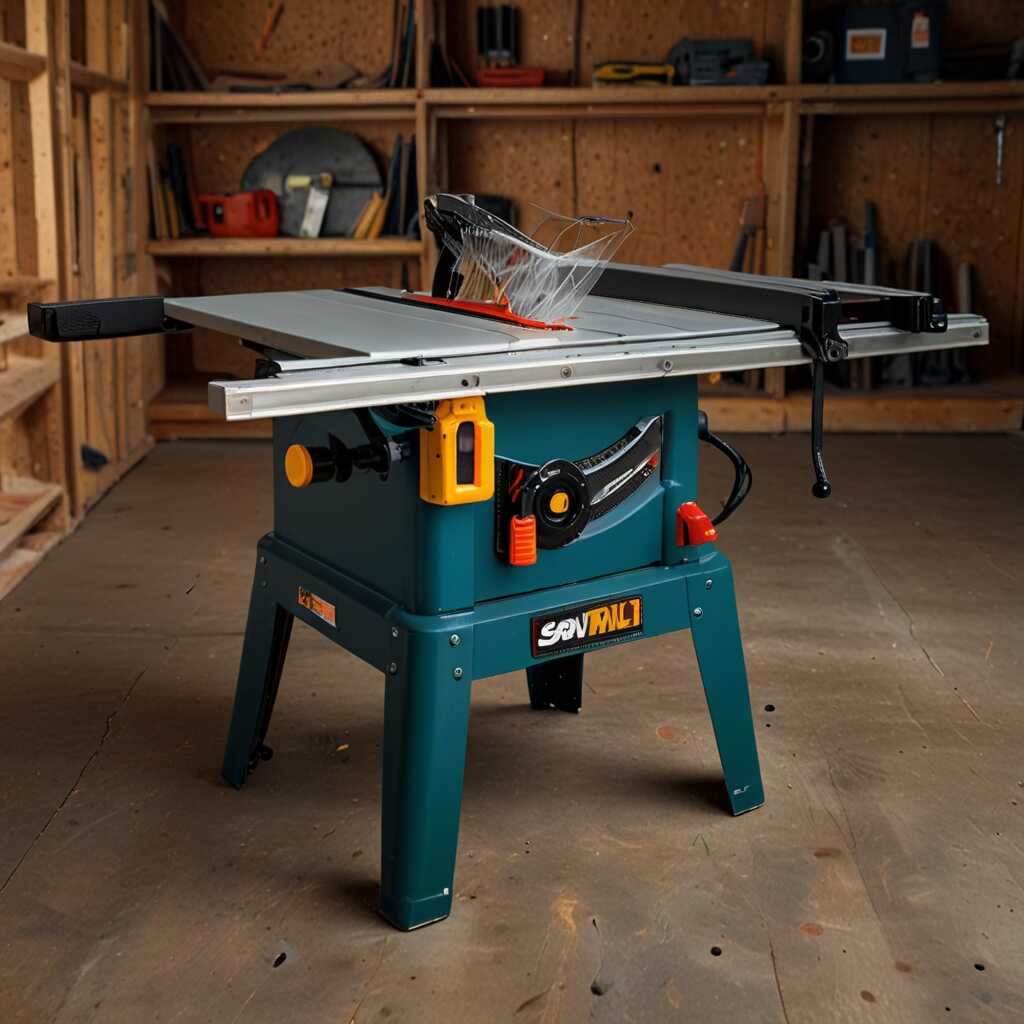
Selecting the Optimal Wood for Gear Teeth Replacement
Choosing the right wood types for crafting gear teeth is vital for ensuring reliability and durability. Common wood choices include hardwoods such as maple, oak, and cherry. These types provide a good balance of strength and flexibility. The grain pattern is essential for the performance of gear teeth. Straight-grained wood reduces friction and wear, enhancing efficiency. Historical correctness is also crucial. Research the original materials used in the specific antique clock model. This ensures the restoration remains true to its origins. Finally, the typical thickness of wooden gear teeth ranges from 1/8 inch to 1/4 inch. Accurate measurements will enhance the gear fit and reliability.
Understanding the Impact of Grain Pattern on Gear Teeth
The grain pattern of wood plays a critical role in the performance of clock gear teeth. Straight grain provides higher strength and stability, minimizing the risk of splits during use. Wood with tight, uniform grain typically resists warping and wear. This is important because warping can cause gears to misalign. For optimal results, select wood that has been properly seasoned. Seasoned wood is less likely to shrink and swell with humidity changes. Avoid wood types with knots or irregular grain. These imperfections can lead to weak areas and reduce overall performance. The right grain pattern will enhance the longevity and reliability of restored gear teeth.

Step-by-Step Techniques for Fabricating Wooden Gear Teeth
To create wooden gear teeth, restorers begin with precise measurements of the existing gear. They use templates for exact dimensions. Selecting the appropriate micro saw is crucial. Popular options include scroll saws and micro band saws, which enable fine cuts. When cutting, ensure that the blade is sharp and appropriate for the wood type. Maintaining a steady hand while following the template ensures accuracy. After cutting the shape, use fine sandpaper to smooth edges. Test fit the gear before final attachment. This careful method enhances the reliability of the restoration.
Choosing the Right Micro Saw for Precision Gear Cutting
Selecting the right micro saw can significantly impact the success of your wooden gear fabrication. For intricate designs, a scroll saw is recommended due to its ability to make precise curves and tight corners without splintering. A micro band saw is great for thicker stock, as it can handle denser woods efficiently. Always choose blades specifically designed for fine cuts. For added accuracy, consider saws with variable speed controls, as they allow for adjustments based on wood thickness. This ensures smoother and cleaner cuts, enhancing the overall quality of your gear teeth.
Advantages of Crafting Historical Components
- Micro saws offer precision cutting, ensuring accurate gear shape and size.
- Restoration enhances the clock’s functionality and appearance.
- Using wood gears adds authenticity to the timepiece.
- Crafting your own gear teeth can save costs compared to purchasing replacements.
- It promotes a deeper understanding of traditional clock mechanisms.
- Skills developed during restoration can lead to improved woodworking techniques.
- Restorers foster a sense of accomplishment and connection to history.
Proper Maintenance for Restored Antique Clocks
Daily maintenance includes dusting the clock to avoid dirt buildup and checking for signs of wear. Wooden components require careful polishing with a soft cloth to maintain their luster. High humidity can warp wooden gears, while low humidity can dry them out. Store the clock in a room with stable humidity and temperature. For deep cleaning, it is advisable to service the clock at least once every two years to ensure reliability. Specific lubrication points on the movement should be checked regularly and lubricated with suitable oils designed for clock mechanisms.
Essential Tips for Preserving Wooden Components
To preserve wooden components, apply a quality wood polish specifically designed for antique clocks. Regularly inspect the gears and other wooden parts for any signs of cracks or splitting. Maintaining a consistent indoor climate helps protect the clock from damage. Use a hygrometer to monitor humidity levels, keeping them between 40-60%. Apply a coat of beeswax every six months to enhance protection against dust and moisture. Following historical clock maintenance practices improves longevity and functionality, ensuring the clock remains functional for generations.
Overcoming Common Challenges in Clock Restoration
Restoring wooden gear teeth in antique clocks presents challenges such as precise sizing, durability, and proper alignment. Restorers often face issues with sourcing the right wood types, which can affect the reliability of gear performance. Specialized micro saws help in creating accurate cuts. Additionally, ensuring the gears fit snugly without excessive friction is essential for clock functionality. The right techniques and tools enable restorers to overcome these hurdles effectively and enhance the final results.
Essential Techniques for Creating Durable Wooden Gear Teeth
Proper techniques are vital for creating durable wooden gear teeth. Expert restorers emphasize using specialized micro saws designed for precision cuts. Selecting the appropriate wood is equally important. Hardwoods like oak or maple are popular choices for their strength and durability. Proper lubrication during assembly ensures efficient movement of the gears. Testing the gear teeth through multiple runs can help identify areas needing adjustments. By utilizing these essential techniques, restorers can achieve excellent performance from wooden gears.
Understanding Market and Use Cases for Restoration Tools
- Hobbyists enjoy restoring clocks as a fulfilling pastime with historical significance.
- Amateur restorers often seek guidance and tips from expert forums and workshops.
- Professional restorers work on high-value antiques, ensuring authenticity.
- The market includes brands like Innovative Saws, known for reliable micro saws.
- Some restorers focus on educational settings, teaching clock maintenance to students.
- Collectors appreciate the craftsmanship and stories behind handcrafted gear teeth.
- Statics show a growing interest in preserving vintage clocks, boosting demand for tools.
Further Learning Resources for Antique Clock Restoration
To enhance your skills in antique clock restoration, several valuable resources are available. Books like “The Clock Repairer’s Handbook” provide essential insights into techniques and tools used for wooden gear teeth creation. Websites such as the National Association of Watch and Clock Collectors offer in-depth articles, forums for expert advice, and reviews on specialized cutting tools. Additionally, online platforms like Coursera provide courses focused on clock repair, covering topics from basic restoration techniques to detailed hands-on projects that teach the crafting of wooden components.
Essential Tools and Techniques for Clock Restoration
Understanding the essential tools and techniques is crucial for successful clock restoration. Specialized cutting tools are designed to create precise wooden gear teeth required in vintage clocks. These tools often include micro saws, which enable intricate cuts that enhance performance and reliability. Techniques such as using a coping saw for delicate work and ensuring the gears fit perfectly are vital. Courses focused on clock restoration frequently include hands-on experience with these tools, enabling enthusiasts to develop their skills effectively. Always select tools that provide excellent quality and durability for the best results.