Creating custom home entertainment centers with precision saw techniques can transform your living space into a personal sanctuary. By using the right tools and methods, you can achieve professional results tailored to your specific dimensions. Innovative Saws offers expert guidance and a range of cutting tools that help you design and construct your ideal entertainment center. Whether you are a DIY enthusiast or a professional woodworker, our tools and resources empower you to craft a beautiful and functional centerpiece for your home.
Essential Tools for Crafting Custom Home Entertainment Centers
When building custom home entertainment centers, essential tools include precision cutting tools like circular saws, miter saws, and band saws. Circular saws are great for making straight cuts through plywood and lumber. Miter saws excel at angle cuts, ensuring the pieces fit perfectly. Band saws can handle curved cuts and more intricate designs. For assembly, tools such as drills and pocket hole jigs are also crucial. Selecting these tools enhances cutting efficiency and accuracy, providing professional results.
Choosing the Right Saws for Precision Cutting
When choosing the right saws for precision cutting in your entertainment center project, focus on specific needs. Circular saws work best for straight, long cuts, while miter saws allow for angled cuts, ensuring corners fit seamlessly. Use a band saw to create curves or to resaw thicker materials. Invest in high-quality blades designed for your material types to enhance cutting performance. Using the right saw ensures reliability and efficiency, leading to excellent and professional outcomes for your custom builds.
Effective Measurement Techniques for Custom Dimensions
Accurate measurements are crucial for constructing a custom entertainment center. Use reliable measurement tools like tape measures, laser distance meters, and carpenter squares. These tools help obtain precise measurements, enabling you to plan effectively. Accurately measuring your living room space is also essential. Consider the placement of windows, doors, and electrical outlets. This ensures your entertainment center fits well without obstructing room flow. For standard entertainment centers, ideal dimensions typically range between 60 to 80 inches wide, 20 to 24 inches deep, and 24 to 36 inches high, ensuring both functionality and style.
Essential Tips for Space Planning
When planning your entertainment center, effective space planning techniques enhance your results. Start by sketching a layout of your living room dimensions. Include key features like windows and doors. Photograph your living space for reference. Measure wall lengths, floor space, and ceiling height to understand potential boundaries. This aids in visualizing how different designs will fit in your space. Ensure the entertainment center remains accessible for maintenance and connects with electrical outlets easily. Additional features like shelving height and cable management should also be considered for a seamless design.

Choosing the Right Saw Types for Specific Cutting Needs
Different saw types are essential for building custom home entertainment centers. For cutting entertainment center components, circular saws work best for straight cuts through larger boards. Miter saws excel at making precise angled cuts for joints. Jig saws are perfect for intricate cuts around curved edges. Band saws handle thicker materials well, allowing for versatile cut configurations. Understanding how these saws compare will ensure you choose the right tool for your project.
Selecting the Best Saw for Intricate Cuts
When needing intricate cuts for furniture construction, jig saws offer great flexibility. They can easily maneuver around tight curves and corners, making them perfect for details in entertainment centers. Precision cutting tools like scroll saws can also deliver excellent results in creating fine patterns and designs. These saws ensure reliability and performance when working with intricate details. Whether you’re making decorative elements or fitting components together, choosing the right saw enhances your efficiency and helps achieve professional results.
Key Measurements for a Personalized Setup
- Standard width of home entertainment units ranges from 50 to 80 inches.
- Popular heights for entertainment centers lie between 28 to 60 inches.
- Depth of units typically varies from 15 to 20 inches for optimal use.
- Precision saw techniques can reduce material waste by up to 30%.
- Using accurate measurements can enhance functionality by up to 50%.
- Most DIY projects can be completed within 4 to 10 hours.
- A quality saw can last for over 10 years with proper care and maintenance.
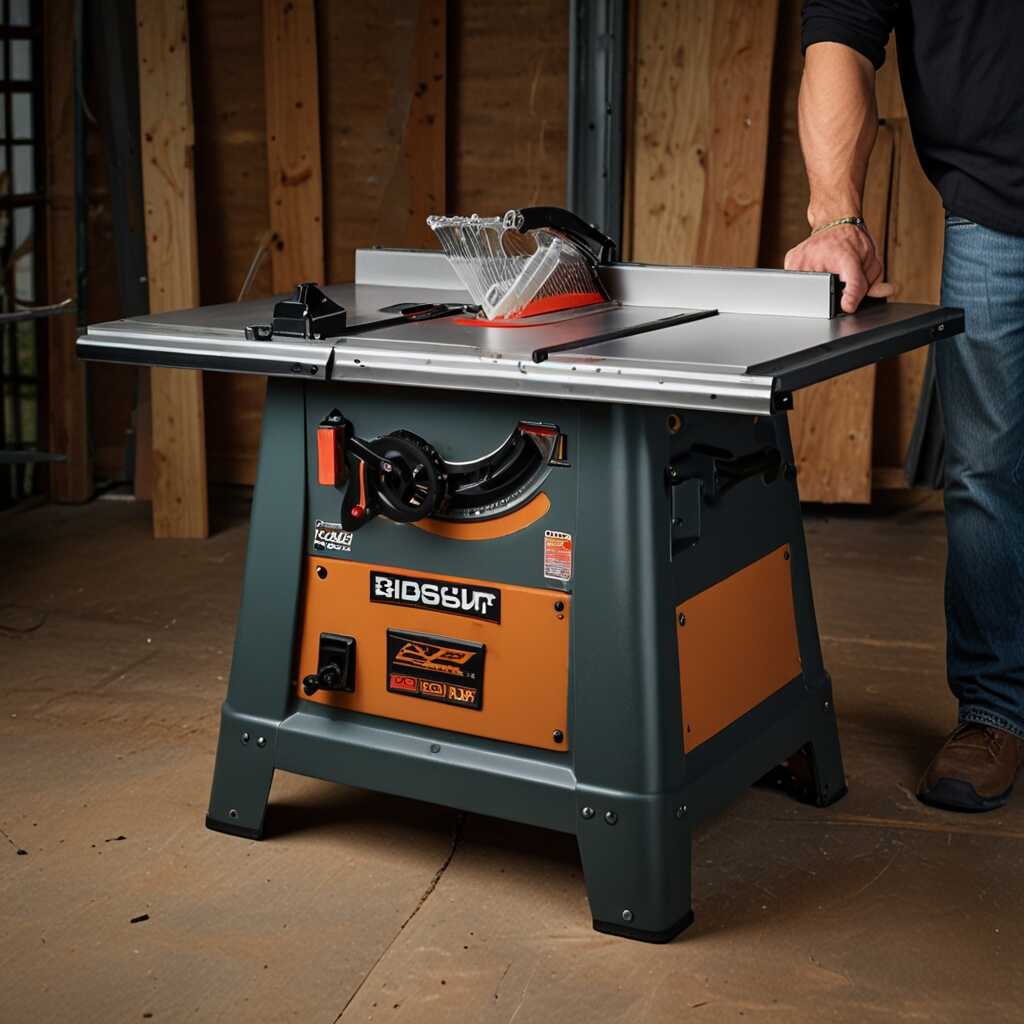
Proven Techniques for Making Square and Clean Cuts
Achieving square and clean cuts involves several key techniques. Use a reliable miter saw to ensure exact angles. Set it to a 90-degree angle for precise corner joints. Investing in high-quality saw blades improves performance and ensures clean edges. Using a straightedge guide will enhance cutting precision, especially for longer pieces. Regularly check the calibration of your saw. It will help in maintaining true cuts. Always clamp the material you are cutting to prevent movement. This ensures accuracy and safety. Using these cutting precision techniques leads to reliable results.
Advanced Methods for Achieving Perfect 90-Degree Cuts
To achieve a perfect 90-degree cut, use a miter saw with a laser guide feature. Ensure your saw is properly aligned and calibrated. Measure twice and cut once to avoid mistakes. A high-quality blade designed specifically for your project enhances performance. When setting your blade angle, consider using a digital angle gauge for accuracy. This tool can provide exact measurements, ensuring the perfect cut. A firm grip on the material is essential. Use clamps to secure it in place. Applying these advanced methods guarantees high-quality results every time.

Maintaining Your Cutting Tools for Longevity
Effective cleaning of your cutting tools involves regularly wiping down blades with a clean, dry cloth. Cleaning tools helps prevent rust and resin buildup. Always check the manufacturer’s recommendations for specific cleaning solutions. Essential maintenance practices include sharpening your saw blades when they become dull. Use a saw sharpening tool designed for your blade type. Perform maintenance based on your usage frequency; tools used daily may require weekly checks. Those used occasionally may need monthly maintenance. Keeping a maintenance schedule enhances tool reliability and performance.
Essential Steps for Saw Blade Sharpening
Sharpening saw blades reduces strain and enhances cutting efficiency. To sharpen your blades, first, clean them to remove debris and resin. Use a sharpening jig or a file if you’re comfortable with manual methods. Follow the tooth angle specifications for each saw type. For regular users, sharpening should occur after 5 to 10 hours of cutting. This practice not only extends the life of your blades but also results in cleaner cuts. Innovative Saws can provide additional resources for proper sharpening techniques suited to specific blades.
Advantages of Creating A Custom Design
- Tailoring your setup maximizes space and efficiency in your room.
- Utilizing precise saw techniques leads to professional, clean cuts and finishes.
- Customized units enhance aesthetics, adding value to your home.
- Personalized designs allow for specific storage solutions for your media.
- You gain the satisfaction of a project completed with your personal touch.
- Custom builds can adapt to unique room layouts and features.
- Incorporating technology can improve the overall entertainment experience.

Step-by-Step Guide to Assembling an Entertainment Center
Start assembling your entertainment center by gathering essential tools like a drill, screwdriver, level, and wood glue. Main components include shelves, frames, doors, and any cable management systems. Assembly may take between two to six hours based on complexity and familiarity with assembly techniques.
Ensuring Component Stability During Assembly
Proper alignment of all components significantly enhances the entertainment center’s sturdiness. Begin by laying out all parts to ensure you understand the arrangement. Assemble the frame first, using wood glue along with screws for increased durability. Always check for level alignment to avoid future stability issues. For doors and shelves, use hinges and brackets designed for strength. This ensures that all parts fit securely, making your piece aesthetically pleasing and reliable.
Integrating Aesthetic Design Elements into Furniture Construction
When creating a custom home entertainment center, consider essential design elements like color schemes and materials. You can choose finishes that complement your room. Incorporate practical storage solutions to keep everything organized. Think about multimedia integration for your devices, ensuring easy access and functionality. Common design styles include contemporary minimalism, rustic charm, and retro aesthetics. This variety helps you enhance not only the look of the space but also its usability in your daily life.
Enhancing Functionality through Design Choices
To enhance functionality, focus on customizing design choices based on your equipment needs. Make sure the shelving accommodates modern electronics, with spaces for gaming consoles, speakers, and streaming devices. Use cable management solutions that hide wires, maintaining a clean look. If your space is smaller, create a multi-functional unit with shelves or cabinets that can handle various uses. Choose materials that provide durability while feeling comfortable in your home. Innovative Saws offers tools that ensure precise cuts, allowing you to achieve the best results with your design.
Target Audience for Custom Seating Solutions
- Professional woodworkers often create high-quality custom units for clients.
- DIY enthusiasts enjoy personalizing their entertainment setups.
- Interior designers aim to match units with their overall room themes.
- Families benefit from designs that accommodate multiple devices and games.
- Gamers prefer dedicated spaces for their consoles and accessories.
- New homeowners appreciate tailored solutions that fit their new spaces.
- Makeovers attract individuals wanting to modernize their living rooms.
Identifying and Avoiding Common Mistakes in Woodworking
Common mistakes in woodworking include miscalculating measurements, using the wrong saw for specific cuts, and neglecting tool maintenance. Miscalculations can lead to wasted materials. Always double-check measurements before cutting. Using saws like miter saws for precise angle cuts enhances accuracy. Neglecting reliable maintenance causes tools to underperform. Ensure proper blade care and regular testing of cutting tools for reliability. A comprehensive project planning checklist helps avoid overlooked steps and enhances efficiency.
Essential Techniques for Accurate Measurements
To achieve precise measurements, start by using high-quality measuring tools such as a laser level or a tape measure with clear markings. Standardize your measurements by establishing a reference point on your materials. Make consistent use of cutting templates for repeated cuts. Tools from Innovative Saws, like miter saws and table saws, offer features that enhance measuring and cutting accuracy. Taking time to measure and plan reduces mistakes in dimensions, ensuring the project comes together seamlessly and meets your specifications.