Integrating wooden filters into rainwater collection systems can greatly enhance water quality and sustainability. Effective cutting techniques are essential for shaping and installing these filters correctly. Innovative Saws provides the tools and expertise necessary for DIY enthusiasts, contractors, and woodworking hobbyists to successfully implement this environmentally friendly solution. With our specialized cutting tools, you can create efficient wooden filters that enhance your rainwater collection system.
Overview of Rainwater Collection Systems and Their Advantages
Rainwater collection systems consist of several key components, including catchment areas, gutters, downspouts, storage tanks, and filters. These systems function by capturing rainwater from roofs or hard surfaces and directing it through gutters into storage tanks. Wooden filters play a significant role in cleaning the water, removing debris and impurities, which enhances its quality. The environmental benefits of rainwater collection include water conservation, allowing homeowners to reduce their reliance on municipal water sources. These systems also support local ecosystems by replenishing groundwater and improving stormwater management. A well-designed rainwater system can harvest up to 90% of rainwater for residential use, making it an effective resource for irrigation and non-potable water needs.
Essential Components for Effective Rainwater Harvesting
Understanding the essential components of rainwater harvesting systems is crucial for maximizing their effectiveness. The system includes a catchment surface, usually a roof, that collects rainfall. The collected water flows through gutters and downspouts into a storage tank where it is stored until needed. Wooden filters are integrated to improve water quality by filtering out contaminants. The size of the storage tank is typically determined by the roof area and average rainfall in the area. By ensuring proper installation and maintenance, these systems enhance water conservation and reliability, making them indispensable for sustainable living practices.
The Role of Wooden Filters in Enhancing Rainwater Quality
Wooden filters significantly improve rainwater quality in collection systems by providing natural filtration. They have unique properties, including excellent adsorption and biological activity, which enhance water quality far beyond synthetic materials. Wood effectively traps larger particles while allowing water to pass through. This results in cleaner, clearer rainwater. The natural textures and fibers found in wood help in breaking down sediments and pathogens, making it a reliable choice for filtration. Research shows that wooden filters can outperform synthetic alternatives due to their ability to self-regenerate and provide sustainable filtering. Using multiple layers of wood in the filter design further boosts its efficiency, typically involving three to five layers for optimal results.
Advantages of Wood Over Synthetic Filters
Wood filters offer significant advantages compared to synthetic materials in rainwater collection systems. The porous nature of wood enables effective water filtration, allowing for the removal of impurities through natural processes. Unlike synthetic filters, wooden filters do not introduce harmful substances into the water. They also boast durability, lasting much longer than many synthetic options. Additionally, wooden filters are often easier to maintain, as they can be cleaned without damaging their structure. This ensures long-term water quality and efficient performance, making them an excellent choice for environmental sustainability advocates.

Essential Cutting Techniques for Crafting Wooden Filters
Creating wooden filters requires specific cutting techniques to ensure effectiveness. Start with precision cuts using saws like table saws or miter saws for straight edges. These tools enhance the quality of your filter. Using a band saw can help achieve intricate curves, which might be necessary for complex designs. Different saw types impact the efficiency of cutting wooden filters, with some delivering faster results while maintaining reliability. The optimal thickness for filter materials usually ranges from 0.5 to 1 inch, providing a balance between durability and filtering efficiency.
Choosing the Right Saw for Your Project
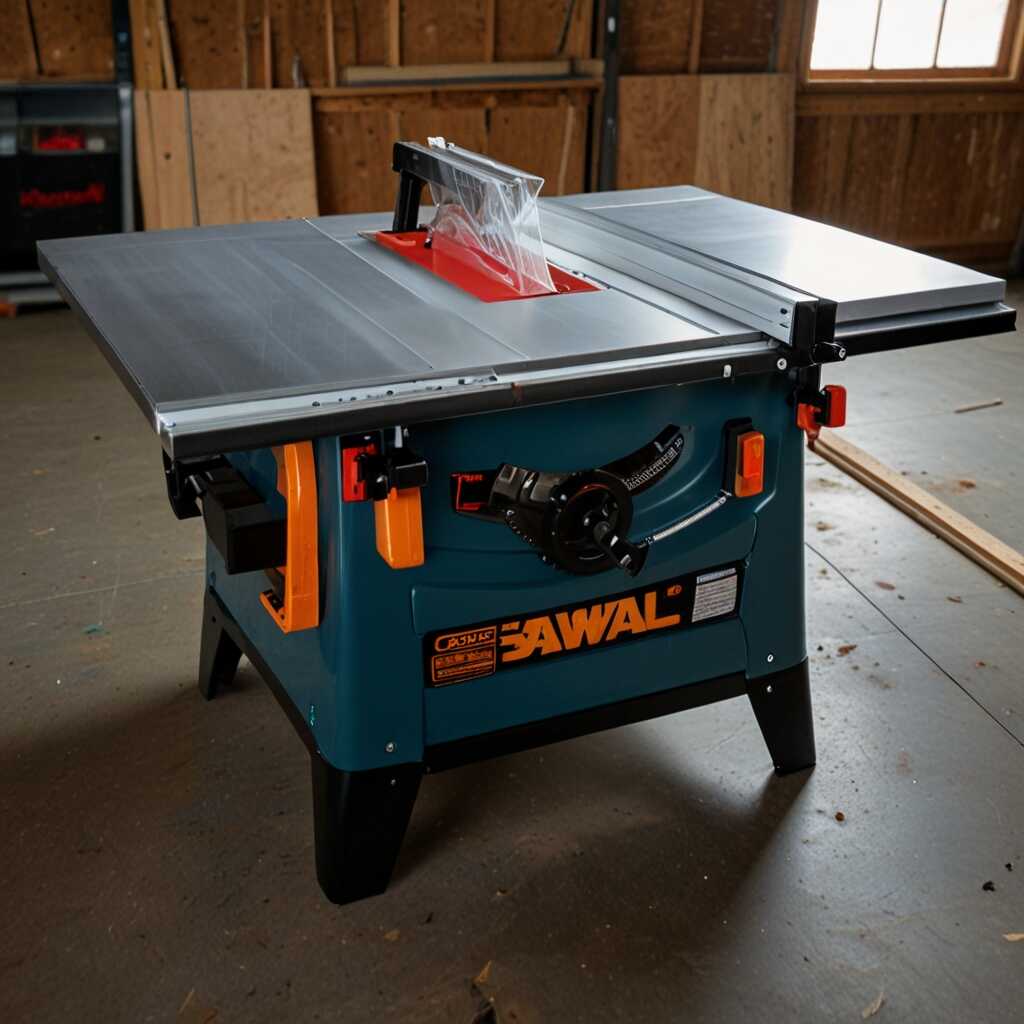
Selecting the right saw for crafting wooden filters is critical for achieving clean cuts. A table saw is excellent for making quick, accurate cuts on larger sheets of wood. It provides stability and speed. For detailed work, a scroll saw is ideal, allowing for curves and intricate designs. When working on thicker woods, a band saw can handle the heft easily while delivering smooth edges. Innovative Saws offers a range of options designed to meet various project demands, ensuring you have the right tools to support your woodworking projects.
Quantitative Insights on Filtering Systems for Water Capture
- Wooden filters can reduce particulate by 80-90% during rainwater collection.
- Installing a wooden filter typically spans 1-2 hours for integration.
- These systems can save an average household up to 1,000 gallons of water annually.
- Utilizing wooden filters can enhance water quality by 50% compared to untreated systems.
- Proper maintenance of filters can extend functional life to 5-10 years.
- Rainwater collected can provide hydration for 3-4 garden beds over an entire growing season.
- Expert cutting techniques can improve filter efficiency by 20% over standard methods.

Choosing the Right Tools for Effective Wooden Cutting
Selecting the right tools for cutting wooden filters is crucial for achieving high-quality results. The best saw types for wooden cutting include miter saws, which offer precise angle cuts, and tables saws, ideal for larger projects requiring straight cuts. Circular saws can handle various wood sizes and thicknesses efficiently. The choice of saw impacts project efficiency significantly, as reliable tools enhance cutting accuracy and speed. For precision cutting of wooden materials, brands like Innovative Saws offer excellent options. Products designed for endurance and quality will ensure smooth cuts and minimize wastage, making your cutting experience very good.
Key Features to Consider in Cutting Saws
When choosing cutting saws for wooden filters, consider features like blade type, power, and cutting capacity. A saw with a carbide-tipped blade provides durability and sharpness, ensuring excellent performance on hardwood. Consider the saw’s horsepower for smoother cuts on thicker woods. Features like laser guides help achieve precise cuts. Look for models with a comfortable grip to enhance usability and reduce fatigue during long cutting sessions. Innovative Saws offers various models that include these essential features, providing users with options that are expertly designed for outstanding reliability and results.

Step-by-Step Installation Guide for Rainwater Collection Systems
To integrate wooden filters into rainwater collection systems effectively, begin with essential tools. You’ll need a handsaw for precise cuts, a tape measure for accurate dimensions, and wood treatment for durability. The first step is to measure your collection area to determine the size of the filter needed. Cut the wooden pieces to size using the handsaw, ensuring straight edges for a snug fit. After cutting, treat all wooden surfaces with a water-resistant sealant. Assemble the filter frame using screws for stability. Then, place the filter in the desired spot within your rainwater collection system. It’s vital to check for proper drainage and flow efficiency, making adjustments as needed. This step-by-step process improves the system’s performance significantly.
Choosing the Right Wooden Material for Filters
Selecting the correct wood type for your rainwater filter is crucial. Cedar and redwood are excellent options due to their natural resistance to moisture. These materials enhance reliability and longevity. Use thicker lumber for the frame to ensure sturdiness. It can handle the weight of collected water without bending or breaking. Additionally, research the species to ensure they are sustainable and harvested responsibly. Choosing the right wooden material will enhance the durability of your filter and the effectiveness of your rainwater collection system.
Key Advantages of Wood-Based Filtration in Rain Harvesting
- Wooden filters are eco-friendly and biodegradable, promoting sustainability.
- They improve water taste and clarity, making it pleasant for use.
- These filters require less energy to maintain than mechanical systems.
- Integrating wooden filters significantly reduces unwanted sediment in collected water.
- They support local sourcing, benefiting nearby craftsmen and businesses.
- Wood-based systems can naturally blend into garden aesthetics, enhancing beauty.
- They have lower upfront costs compared to mechanical filtration systems.
Best Practices for Maintaining Wooden Filters and Systems
To maintain wooden filters in rainwater collection systems, users should perform regular inspections, clean filters bi-annually, and replace any damaged parts. Routine testing for blockages ensures reliability and keeps water flow consistent. Different types of wooden filters may require varied maintenance routines. For instance, a hardwood filter lasts longer compared to a softwood one. The recommended lifespan of wooden filters is typically between 5 to 10 years based on the wood type and environmental conditions. Proper maintenance enhances overall system efficiency and ensures quality water collection.
Key Maintenance Techniques for Wooden Filters
Users can enhance the performance of wooden filters with a few key maintenance techniques. Regularly clean the filters with a gentle brush and check for debris buildup. Additionally, applying a food-safe sealant helps protect the wood from moisture and rot, prolonging its lifespan. Furthermore, consider optimizing water flow by adjusting filter placement and ensuring proper drainage. By monitoring and replacing filters based on usage, users enhance the reliability of their rainwater systems, providing consistent quality and efficient water collection.
Common Issues with Rainwater Collection Systems and Solutions
Users often face several issues with rainwater collection systems. Common problems include debris clogging, algae growth, and inefficient filtration. Wooden filters can enhance efficiency by removing larger particles, but they may experience blockage if not maintained. Solutions include regular cleaning of the filters and ensuring proper placement for maximum water flow. Users should also consider the installation of additional screens or pre-filters designed to catch debris before it reaches the wooden filters. These measures help improve flow rates and reduce cleaning frequency.
Best Practices for Maintaining Wooden Filters
To ensure the reliability and longevity of wooden filters in rainwater systems, regular maintenance is essential. Users should inspect the filters monthly for signs of clogging or algae growth, as these can hinder performance. Cleaning filters with a soft brush or a gentle spray of water helps remove trapped debris. Treating wooden components with a natural preservative can prevent rot, ensuring durability. Testing the water quality regularly offers data on the filter’s effectiveness and can signal when a replacement is necessary. These best practices enhance the overall effectiveness of the rainwater collection system.
Profiles of Key Users for Wooden Filtration Systems
- DIY enthusiasts appreciate hands-on projects involving system integration.
- Urban gardeners often seek efficient water use solutions for small spaces.
- Professional contractors value reliable methods for client projects.
- Environmentalists support rainwater collection to conserve resources.
- Families in water-scarce areas use these systems to save costs.
- Hobbyist woodworkers enjoy crafting and customizing wooden filters.
- Sustainable living advocates promote initiatives like rainwater harvesting.
Innovations and Emerging Trends in Rainwater Management
Innovations in rainwater management systems focus on integrating sustainable technologies. New rainwater harvesting systems are designed to utilize advanced filtration methods, ensuring cleaner water collection. Emerging trends include smart sensors that monitor water quality and automate usage. According to industry analysis, the rainwater harvesting market is expected to grow at a rate of 20% annually, reaching significant investment by 2025, driven by these innovations.
Integrating Sustainable Filtration Solutions in Rainwater Systems
Integrating sustainable filtration solutions enhances the overall efficiency of rainwater systems. One significant innovation is the use of biofilters, crafted from natural materials to remove contaminants. These systems improve water quality while requiring minimal maintenance. Advanced filtration options include sand filters and activated carbon systems. These technologies combine reliability with durability to ensure high performance and longevity. The right choice can significantly improve the quality of harvested rainwater for various uses.