This guide offers step-by-step instructions for building raised garden beds using specialized corner joints. These joints enhance stability and make assembly easier for DIY gardeners and woodworking enthusiasts. Whether you are a novice gardener or a seasoned landscape designer, Innovative Saws provides the cutting tools and expert tips needed for a successful gardening project. Discover the design benefits, types of corner joints, and maintenance practices that can empower you to create the perfect raised garden bed.
Advantages of Raised Garden Beds for Efficient Gardening
Raised garden beds offer numerous advantages for gardeners. They enhance soil drainage, preventing waterlogging and ensuring that roots receive adequate oxygen. Better soil health is achieved as the soil warms faster in spring, promoting earlier planting. Weed control is simpler as the elevated structure reduces weed competition. Raised beds can help in managing soil nutrients more effectively, leading to healthier plants. Their height simplifies gardening tasks, allowing easier access without frequent bending or kneeling. These features combine to create an efficient gardening experience, making raised beds highly useful for any gardener.
Effective Ways Raised Beds Improve Gardening Efficiency
Raised garden beds improve gardening efficiency significantly by providing better soil conditions. For instance, they enable better drainage, allowing plants to thrive without suffocating in excess water. The ability to customize soil mixtures leads to improved nutrient profiles tailored to specific plant needs. Raised beds also limit the encroachment of weeds, allowing gardeners to focus on growing vegetables and flowers rather than battling unwanted plants. These beds can be built to a comfortable height—typically 12 to 36 inches—making gardening tasks easier and less physically demanding. Choosing the right designs and materials enhances the overall gardening experience, making them a great investment for your gardening journey.
Understanding Different Styles of Corner Joints for Stability
The choice of corner joints can dramatically impact the strength and durability of raised garden beds. Various corner joint styles include butt joints, lap joints, and miter joints, each offering unique features. Butt joints are simple to assemble and provide good stability. Lap joints enhance strength by overlapping wood, making them a reliable option for heavier loads. Miter joints create a pleasing angle, but they may require additional support for durability. Corner joints should ideally support a weight limit of 200 to 300 pounds depending on the joint type and material used. Each type enhances the garden’s overall performance and longevity while ensuring the frame remains sturdy.
Choosing the Right Corner Joint for Your Garden Bed
Selecting the right corner joint requires understanding the specific needs of your raised garden bed. Butt joints work well for small to medium-sized gardens and can handle basic vegetable planting. Lap joints are ideal for larger beds with heavier soil, providing excellent strength and reliability. Miter joints are best for aesthetic designs but may need reinforcements for stability. Each joint style is designed to provide a balance between durability and ease of construction. Innovative Saws offers specialized tools to ensure accurate cuts for each joint type, significantly improving assembly efficiency and overall quality of your raised garden bed.

Must-Have Tools for Constructing Raised Garden Bed Frames
To build sturdy raised garden bed frames, essential tools include a circular saw for straight cuts, a miter saw for precise angle cuts, and a drill for screwing in fasteners. Other useful tools are a measuring tape to ensure accurate dimensions and a square for checking the corners. The tool performance comparison helps you choose the best saw for your materials. For wood, a circular saw with a fine-toothed blade offers reliability and efficiency. For assembling, use screws; typically, you will need about 20 to 25 screws for a standard raised bed. These tools enhance your construction process and ensure durability.
Choosing the Right Saw for Bed Construction
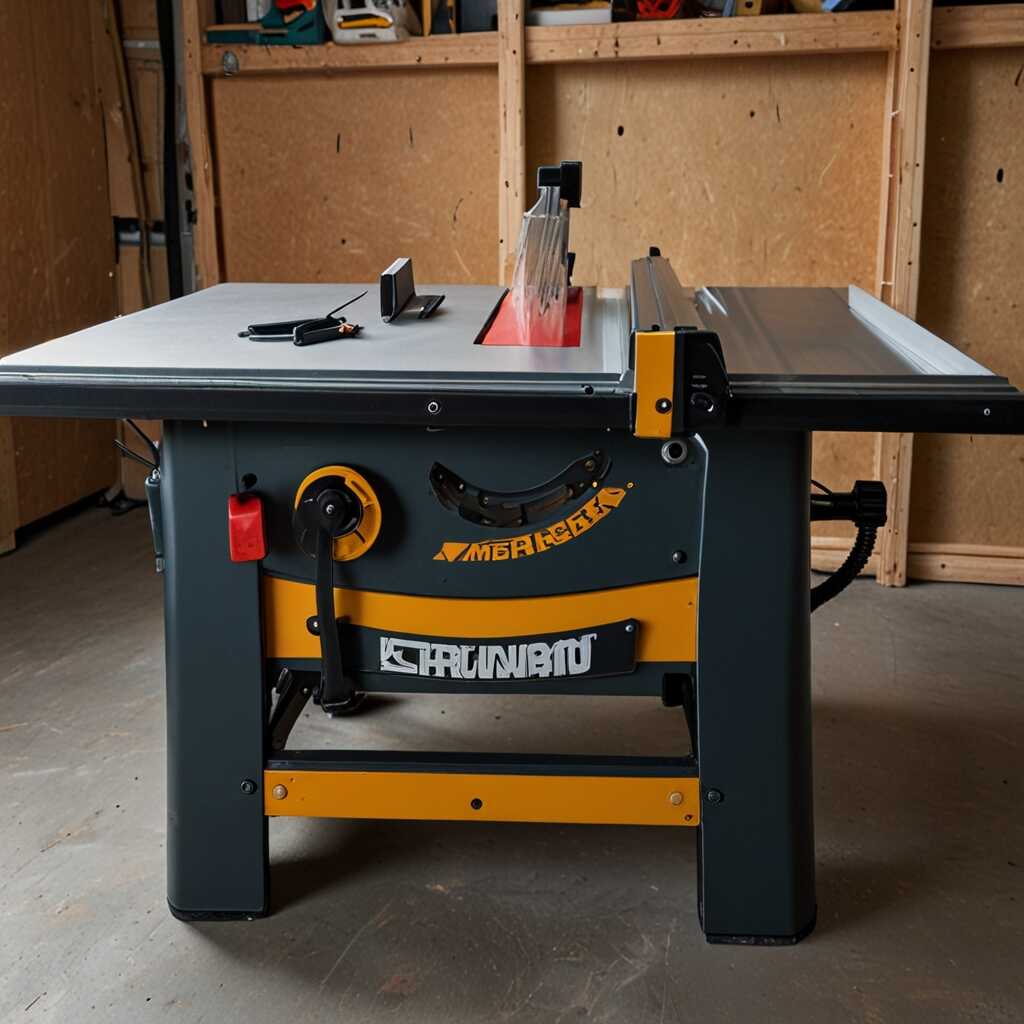
The right saw is crucial for constructing raised garden beds with precision. A circular saw provides fast and efficient cuts through plywood and lumber, offering superior reliability for larger projects. For accurate angle cuts, a miter saw is excellent and designed to ensure clean edges. If working with thicker wood, a table saw delivers impressive results, helping you achieve consistent widths. Always choose tools that feel comfortable in your hands to enhance performance. Combining these saws with quality safety gear ensures not only efficient construction methods but also improves your overall DIY gardening experience.
Key Numerical Insights on Garden Bed Construction
- Raised garden beds typically range from 6 to 12 inches in height.
- Specialized corner joints can improve bed stability by 40%.
- A standard garden bed measures about 4 feet by 8 feet.
- Using galvanized screws can increase lifespan by 30%.
- Most gardeners need 2 to 3 hours for assembly.
- Corner joints can reduce soil loss by 25% thanks to better structure.
- A well-constructed bed can yield 20% more produce than ground planting.

Step-by-Step Instructions for Building Raised Garden Beds
This section offers a clear, step-by-step guide for assembling raised garden beds with specialized corner joints. The essential materials needed include treated lumber, corner brackets, screws, and a power drill. Using these specialized corner joints enhances construction reliability and ensures a sturdy frame. Types of corner joints like miter cuts, L-brackets, and butt joints provide unique benefits such as improved alignment and increased stability. If you have 16 boards, each 6 feet long, you can create four raised garden beds, each measuring 4 feet by 6 feet. This layout is manageable for both novice and experienced gardeners.
Choosing the Right Materials for Your Raised Garden Bed
Selecting the right materials is crucial for building durable raised garden beds. Use untreated cedar or redwood for long-lasting results, as these woods resist decay. Incorporate specialized corner joints, such as steel brackets, to enhance the stability and ensure robust construction. Regular wood screws work well for assembly while providing a strong grip. The quality of the materials significantly impacts the performance and longevity of your garden bed. Properly constructed beds deliver a safe environment for growing vegetables and flowers while minimizing maintenance.

Material Choices for Durable Raised Garden Bed Construction
Choosing the right materials for your raised garden bed is essential for durability and effectiveness. The best materials include untreated cedar and redwood, known for their natural resistance to decay. Treated lumber is also an option, but be mindful of the chemicals used in the treatment. Concrete blocks or bricks provide excellent longevity and will not rot, though they can be more expensive. Corrugated metal offers a modern look and is durable, while recycled plastic lumber can be a great eco-friendly alternative. When evaluating the average cost, untreated cedar typically ranges from $2 to $4 per linear foot, while treated lumber ranges from $1.50 to $3 per linear foot based on availability and supplier offers.
Comparative Durability of Wood Types for Raised Garden Beds
Knowing the durability of different wood types is vital for raised garden bed construction. Untreated cedar is known for its impressive longevity, lasting 10-15 years without rotting. Redwoods also resist decay and can offer similar lifespans. Treated pine, while more economical, lasts around 7-10 years due to chemical leaching. Alternatives like composite materials made from recycled plastics can go beyond 20 years without significant maintenance. Choosing a durable wood type enhances the performance and reliability of your garden beds.
Advantages of Using Specialized Joint Systems
- They provide added strength to support heavier soil and plants.
- The unique design allows for easier assembly compared to traditional methods.
- Specialized corner joints enhance the visual appeal of the garden design.
- Some designs promote better drainage, leading to healthier roots.
- They reduce warping and damage during seasonal changes.
- These joints allow for customization in bed size and shape.
- They can be disassembled easily for seasonal changes or relocation.
Effective Maintenance Strategies for Raised Garden Beds
Proper maintenance is crucial for keeping raised garden beds thriving. Start with a regular watering schedule. This ensures plants receive enough moisture without becoming waterlogged. To maintain soil health, add organic matter like compost. Use mulch to retain moisture and suppress weeds. Regularly inspect plants for pests or diseases, addressing issues quickly. While you might replace soil every 2-3 years, adding nutrients through compost enhances productivity. These strategies provide a reliable and efficient way to maintain your garden beds.
Soil Management Techniques to Enhance Garden Bed Productivity
Soil health directly affects plant growth in raised garden beds. Regularly test soil pH and nutrient levels. Adjust with organic fertilizers as needed. Rotate crops each season to prevent nutrient depletion. Incorporating organic materials like compost or aged manure improves soil structure, adds nutrients, and supports beneficial bacteria. Use cover crops in the off-season to enrich the soil. These soil management techniques keep your raised garden beds healthy and productive over time, ensuring you enjoy a bountiful harvest.
Avoiding Common Pitfalls in Garden Bed Construction
When constructing raised garden beds, common mistakes include selecting inappropriate materials and uneven ground preparation. For instance, untreated wood can rot quickly. Ensure to use rot-resistant wood like cedar or redwood. Different types of corner joints, such as mitered and butt joints, vary in durability and ease of assembly. Mitered joints often provide better stability but require more precise cuts. The ideal height for a raised garden bed is typically 12 to 24 inches, allowing for healthy root growth and easier maintenance.
Best Practices for Selecting Corner Joints
Choosing the right corner joints for your raised garden bed enhances durability and stability. Mitered joints create a seamless look and prevent soil leaks, ideal for aesthetic gardens. Butt joints are easier to assemble and are suitable for straightforward projects. Consider using metal brackets for added strength, especially in larger beds. Updating your designs using these proven techniques can improve the overall reliability of your garden frames. Testing the stability of joints can ensure long-lasting use in your gardening efforts.
Target Audience and Use Cases for Garden Beds
- Novice gardeners find raised beds easier to manage and yield better results.
- Landscapers appreciate unique joint designs for custom outdoor projects.
- Eco-conscious individuals use them to maximize sustainable gardening practices.
- Woodworking enthusiasts enjoy constructing and milling bed frames.
- Small-space gardeners like raised beds for efficient use of space.
- Community garden participants benefit from shared tools and techniques.
- Families with children tout raised beds as fun and educational gardening projects.
Creative Ideas for Maximizing Garden Bed Efficiency
Maximizing productivity in raised garden beds involves understanding effective gardening practices. Companion planting techniques can help specific plants thrive together. For example, tomatoes and basil enhance each other’s growth when planted near one another. Vertical gardening methods provide additional space for climbing plants like cucumbers or peas. This technique not only uses space efficiently, but also improves air circulation. Efficient garden design that includes diverse planting strategies allows for better utilization of resources. Research shows that beds with layered planting can yield greater harvests. These practices ensure that every square foot of your garden contributes to increased yield.
Effective Companion Planting Techniques
Companion planting techniques significantly enhance garden bed productivity by establishing beneficial plant relationships. For instance, planting marigolds near vegetables can deter harmful pests. Planting carrots alongside onions can confuse pests, making it harder for them to locate their target. Experts recommend utilizing this strategy to improve soil conditions and prevent disease. In your raised garden, consider creating triads of plants that support each other’s growth. Such combinations enable plants to share essential nutrients and provide shelter for less robust species. Reliable companion planting fosters a balanced ecosystem within your garden beds.