Specialized saw methods used by whiskey barrel makers for stave shaping are crucial to crafting high-quality barrels. These saw techniques help ensure the staves fit perfectly together, impacting the barrel’s flavor and performance. At Innovative Saws, we understand the importance of using the right cutting tools for this intricate process. Our expertise in specialized saws and woodworking assures both professional barrel makers and DIY enthusiasts can achieve outstanding results in their barrel-making endeavors.
Overview of the Whiskey Barrel Making Process and Its Importance
The whiskey barrel making process involves several key steps: sourcing high-quality wood, cutting the wood into staves, shaping the staves, assembling the barrel, charring the inside, and finally, testing for leaks. Each step holds significance. The shaping of staves influences the quality and flavor of whiskey due to the interactions between the whiskey and the wood’s natural compounds. This interaction allows distinct flavors to develop during the aging process. Typically, the craftsmanship involved takes several weeks from start to finish for a single barrel, highlighting the attention to detail that affects the overall quality.
Importance of Wood Selection and Stave Shaping in Barrel Making
Wood selection is crucial in whiskey barrel making. The type of wood chosen, usually American oak or European oak, affects flavor extraction. Each wood carries unique characteristics that enhance or mellow flavor profiles. The shaping of staves also plays a pivotal role. Staves are cut with precision to fit tightly and allow optimal expansion during aging. This ensures that the whiskey interacts efficiently with the wood. A well-shaped stave enhances the whiskey’s overall flavor complexity while aiding in the development of aroma during barrel aging. Innovative Saws provides specialized sawing tools designed for this meticulous process, ensuring durability and reliability.
Key Components of Whiskey Barrels and Their Functions
Whiskey barrels consist of several essential components, including staves, heads, and hoops. Staves are the vertical wooden pieces that form the sides of the barrel. Their arrangement is crucial. Different types of wood and their treatment affect the whiskey’s flavor integration. For instance, charred oak staves enhance vanilla and caramel notes, contributing to a richer flavor profile. The heads are the circular top and bottom pieces that seal the barrel. Hoops are the metal bands that hold the staves together, ensuring structural integrity. Typically, a standard whiskey barrel uses about 32 staves, which balance strength with volume for optimal whiskey aging.
Impact of Stave Type on Whiskey Flavor
The type of wood used for staves significantly influences whiskey flavor. Different woods impart unique characteristics to the aging process. For example, American oak provides sweeter tones while European oak lends spicier notes. The depth of charring also plays a critical role. Lightly charred staves foster subtle flavors, whereas heavily charred staves create bold characteristics. The arrangement of these staves within the barrel can enhance the integration of these flavors during aging, allowing for a complex and well-rounded whiskey profile.

Essential Saw Types Employed in Barrel Stave Shaping
The key saw types used in barrel stave shaping are band saws and miter saws. Band saws are designed for their precision and ability to make curved cuts. They help craftsmen shape staves accurately, allowing for tight fits and proper alignment. Miter saws contribute by enabling precise angle cuts on the wood. This ensures that each stave fits correctly when assembled into the barrel. Together, these saws enhance the efficiency and craftsmanship of the barrel-making process. There are several specialized saw types essential in this industry, focusing on craftsmanship and precision in every cut.
Features of Band Saws and Miter Saws for Stave Shaping
Band saws are known for their sturdy blades and adjustable settings, making them ideal for cutting thicker wood pieces. They easily maneuver around curves, which is essential for shaping the staves’ natural bends. Miter saws offer a powerful motor and a fixed base for stability. The ability to make compound cuts allows for accurate angles, ensuring that staves fit snugly together. Both saw types provide durability and reliability, enhancing the overall quality of barrel production. Innovative Saws offers a range of these cutting tools, tested for performance and designed to meet the demands of barrel makers.
Key Numerical Insights into Barrel Crafting Techniques
- Staves are typically 1 to 2 inches thick, ensuring structural integrity.
- Professional barrel makers often use 5 to 10 different saws for various tasks.
- Each barrel usually contains about 30 to 35 staves, depending on the size.
- Commonly, the angle of stave beveling ranges from 5° to 10° for optimal fitting.
- It takes around 3 to 6 months for a barrel to cure and develop flavor.
- The typical length of a stave is around 30 inches to fit standard barrel dimensions.
- Barrel makers can produce approximately 1 to 2 barrels a day, depending on complexity.
The Critical Role of Precision in Crafting Whiskey Barrels
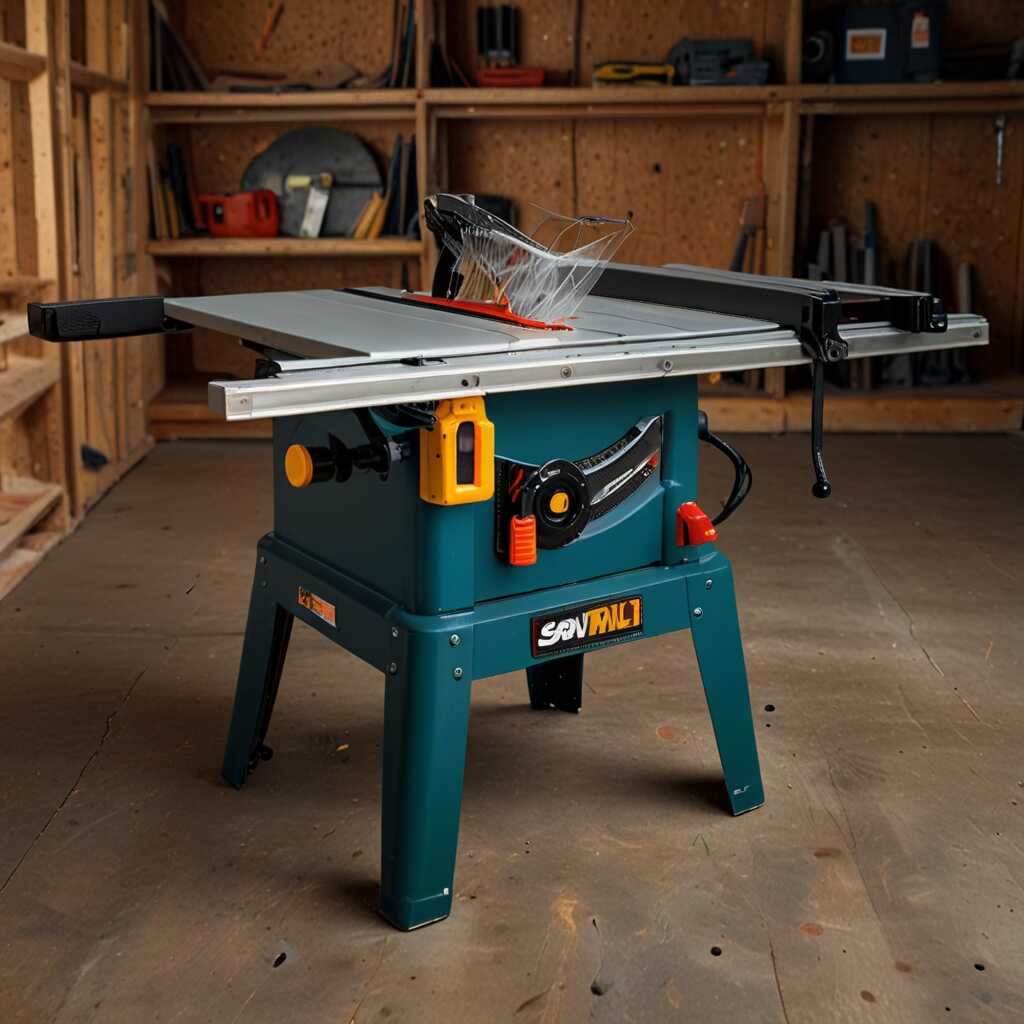
High precision is essential in shaping whiskey barrel staves. Accurate cuts ensure a proper fit between staves, which directly influences the structural integrity of the barrel. A well-fitted barrel enhances the whiskey’s maturation process and overall flavor profile. Specific specialized saw types, such as band saws and miter saws, are instrumental in achieving these precise cuts. The efficiency of these cutting techniques ensures that each stave aligns perfectly, contributing to the barrel’s durability and performance. Barrel makers target specific angles, typically around 5 to 10 degrees, for cuts to create the most effective seal.
Specialized Saw Techniques for Precision Cutting
Barrel makers rely on specific specialized saw types to shape whiskey barrel staves with high accuracy. Band saws are ideal for making smooth, curved cuts essential for stave shaping. Miter saws provide consistent angular cuts that ensure a tight fit between staves. The stave shaping process may also involve jigs or guides to maintain fixed angles and widths. These techniques enhance the overall quality of the barrel. With the right tools, including those available at Innovative Saws, barrel makers can achieve precision cuts that guarantee optimal alignment and performance.

Best Practices for Maintaining Cutting Tools in Barrel Making
Essential maintenance practices for saws used in whiskey barrel making include regular cleaning, lubrication, and proper storage. Cleaning techniques involve removing sawdust and resin after each use, ensuring the blades remain sharp and effective. Proper lubrication enhances efficiency and lifespan by reducing friction during operation. Store tools in a dry, organized space to prevent rust and damage. Frequency of maintenance should occur at the end of every workday or after significant projects to ensure optimal performance and safety.
Cleaning Techniques for Cutting Tools
Cleaning techniques for cutting tools in whiskey barrel making focus on removing debris and preventing corrosion. Use compressed air to blow out sawdust from saw teeth and components. Follow with a soft cloth and a suitable cleaning solution specific to the material of the saw blade. Regularly inspect blades for damage or wear. A sharpened blade provides smoother cuts and maintains precision during stave shaping. Adopting a cleaning routine not only enhances performance but also extends longevity of each cutting tool.
Advantages of Utilizing Precision Cutting Techniques
- Specialized saw methods create smoother edges for better stave alignment.
- Each cut minimizes wood waste, maximizing resource efficiency.
- These techniques enhance the barrel’s flavor profile by optimizing wood exposure.
- Workers can achieve consistent thickness across all staves, ensuring quality.
- Using advanced saw tools allows for safer operation and reduces injury risk.
- Professional methods significantly decrease production time and increase output.
- Precision cutting enables craftsmen to create barrels with unique designs.

Techniques for Producing High-Quality Whiskey Barrels
Whiskey barrel makers employ several specialized techniques to shape staves effectively. The primary focus is on achieving the right curvature, which enhances the whiskey’s flavor profile. Joint profiles are also crucial since they ensure tight-fitting staves that result in durable barrels. High-quality barrels rely on these precisely designed joints to prevent leaks, ensuring longevity and maintaining the whiskey’s taste integrity.
Understanding the Role of Curvature and Joint Profiles in Barrel Quality
The curvature of staves plays a significant role in whiskey barrel quality. A well-shaped stave not only fits snugly but also contributes to the whiskey’s interaction with the wood, influencing its character. Joint profiles, designed to fit perfectly, ensure no gaps exist between staves, reducing oxygen exposure that can alter flavor. Measurements for staves typically range around 1 inch thick and 10 inches wide, with a length of about 36 inches. This standard facilitates consistent quality across barrels.
Innovations in Tools and Practices for the Barrel Making Industry
The whiskey barrel making industry has seen significant improvements in cutting tools and techniques. Recent innovations include specialized saws designed for precise stave shaping. Professional barrel makers now utilize advanced band saws for intricate cuts and circular saws for rapid production. These tools are engineered for reliability and enhanced performance, enabling craftsmen to produce barrels with superior quality. In 2025, the efficiency of barrel making has greatly improved, allowing artisans to cut and shape staves faster than traditional methods. Expert reviews emphasize how these tools enhance the durability and consistency of finished products.
Cutting Techniques and Their Impact on Barrel Quality
Different cutting techniques play a vital role in shaping staves for whiskey barrels. One innovative approach includes using laser-guided band saws that provide precision cuts. These saws reduce kerf waste and improve the overall fit of staves, ensuring better assembly and sealing. The introduction of adjustable blade speeds allows barrel makers to handle various wood species effectively. Additionally, some professionals combine traditional hand tools with modern equipment, balancing craftsmanship with technology. This results in high-quality barrels that age whiskey to perfection, enhancing flavors and aromas. The integration of new saw technology positively impacts both production efficiency and barrel quality.
Choosing the Right Tools for Barrel Crafting: A Guide
- Innovative Saws provides circular saws ideal for straight cuts in stave shaping.
- Band saws are perfect for making curved cuts, preferred by many artisans.
- Hobbyists often need portable and lightweight equipment for easy maneuvering.
- DIY enthusiasts appreciate guidance on the best saws for their skill levels.
- Professional woodworkers benefit from high-quality, durable tools for regular use.
- Contractors in distilling industries rely on dependable cutting equipment for efficiency.
- Families interested in woodworking projects find joy in crafting their own barrels.
Educational Resources for Aspiring Whiskey Barrel Makers
Workshops for whiskey barrel making offer hands-on experience. Look for programs run by established barrel makers, providing essential skills and techniques. Online courses from platforms like Craftsy and MasterClass provide comprehensive training. They cover stave shaping, wood selection, and finishing methods. Networking communities, such as Barrel Builders Guild, connect hobbyists and professionals. They provide valuable insights, tips, and support. Many crafting groups help share experiences and techniques.
Top Workshops and Online Courses for Barrel Makers
Various workshops focus on essential techniques of barrel making. Look for local woodworking schools or barrel-specific events that provide hands-on learning. For example, Kentucky Barrel School offers in-depth training focusing on traditional methods. Online courses, such as Whiskey Crafting 101, enhance knowledge on wood species and stave curvature. These courses usually include video tutorials and access to discussion forums. They help you gain a deeper understanding of whiskey barrel making and improve your skills effectively.