Innovative building strategies for nomadic tiny homes are transforming how we think about compact living spaces. Builders are using creative construction techniques to maximize efficiency and functionality. This approach not only enables mobility but also enhances the comfort and sustainability of tiny homes. Innovative Saws provides essential cutting tools and expert guidance that help DIY builders create their ideal nomadic homes.
Introduction to Nomadic Tiny Living and Its Popularity
Nomadic tiny living revolves around the essentials of mobility, minimalism, and efficient use of space. It embraces a lifestyle where individuals move frequently while residing in compact living spaces. The popularity of this lifestyle has surged, thanks in part to the increasing awareness of sustainability and eco-friendly building practices. Today, innovative construction techniques play a crucial role. Techniques like modular design and lightweight materials make tiny homes more versatile and easier to transport. As of 2023, approximately 68% of tiny home owners identify as nomadic, reflecting a clear trend towards mobility and flexibility in housing choices.
Advantages of Compact Living Spaces for Nomadic Lifestyles
Living in compact spaces offers significant benefits for those embracing a nomadic lifestyle. Nomadic tiny homes are designed to enhance functionality while ensuring comfort and efficiency. Features like multifunctional furniture allow homeowners to maximize their limited space without sacrificing style or comfort. The use of eco-friendly materials contributes to a lower environmental impact, making this living style appealing to environmentally conscious individuals. Furthermore, construction techniques tailored for compact living improve the durability and reliability of these homes, allowing them to withstand diverse conditions. As a result, tiny home builders and enthusiasts gravitate towards these innovative strategies to create lasting and functional living solutions.
Essential Construction Techniques Adapted for Tiny Homes
Key adaptations in construction techniques for tiny homes include efficient space usage, advanced materials usage, and traditional building adaptations. Builders often modify standard framing to fit compact designs. They incorporate multi-functional furniture to maximize usable areas. Using light-weight materials enhances mobility, while integrating eco-friendly features improves sustainability. The average size reduction in square footage can be as much as 50% when transitioning from standard homes to tiny homes. This makes efficient planning and innovative design essential in tiny house construction.
Advanced Materials and Their Impact on Tiny House Design
Advanced materials are critical for achieving reliability and performance in tiny house design. Builders often use structural insulated panels (SIPs) for quick assembly and improved insulation. Lightweight composites can enhance mobility while maintaining durability under varied conditions. Incorporating recycled materials can also lower costs and elevate eco-friendliness, providing benefits like sustainability and quality. These solutions ensure that tiny homes not only meet aesthetic needs but also deliver excellent thermal efficiency and structural integrity.
Optimal Material Selection for Tiny House Projects
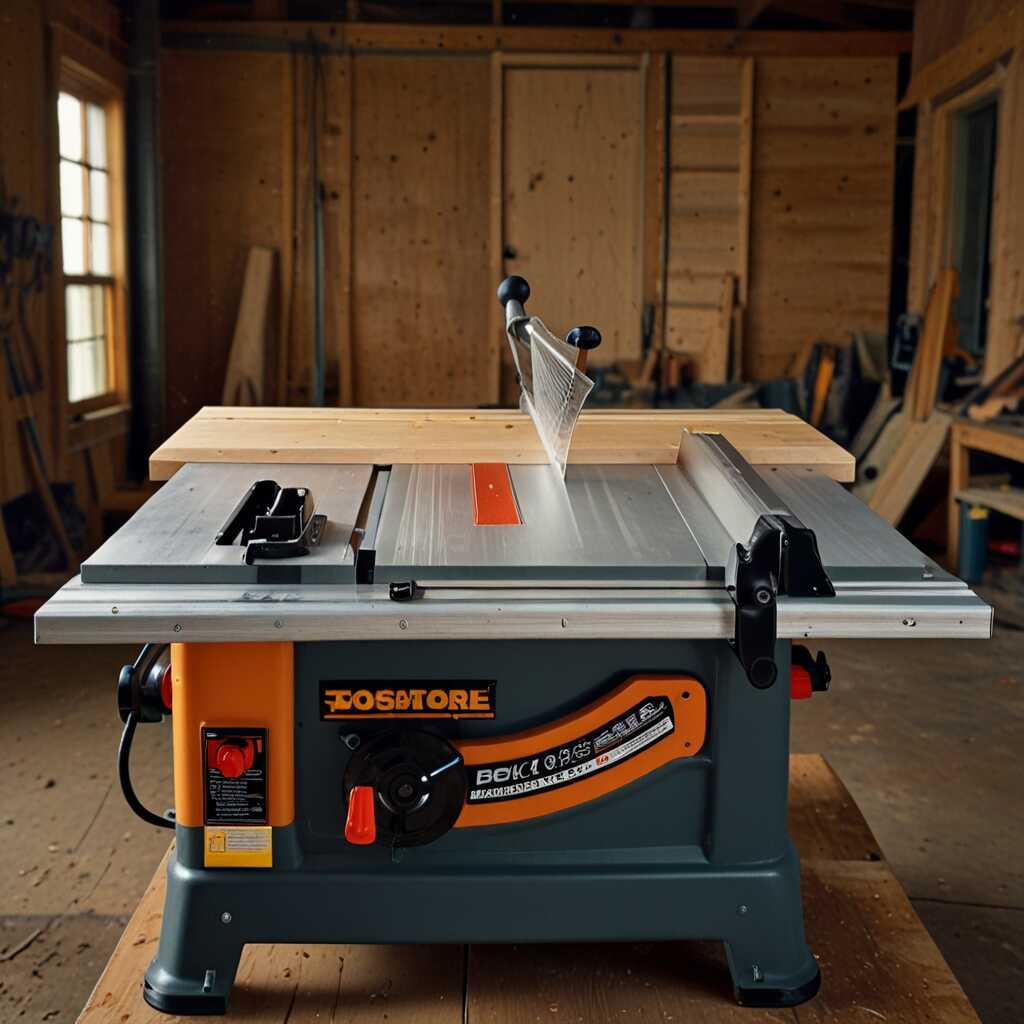
Choosing the right materials is essential for building nomadic tiny homes. Lightweight building materials such as aluminum, plywood, and composite materials enhance mobility. Sustainable construction materials like reclaimed wood and recycled metal improve environmental impact while providing durability. Builders must compare different materials for their efficiency, performance, and weight to find the best fit for a nomadic lifestyle. The right selection delivers reliable and sturdy solutions that can withstand travel and changing climates.
Evaluating Lightweight Material Options for Tiny Homes
When selecting lightweight materials, consider plywood, structural insulated panels (SIPs), and bamboo. Plywood is a popular choice because it is strong yet light, allowing for easy transport. Structural insulated panels offer excellent insulation, reducing energy costs and enhancing comfort. Bamboo is a renewable resource known for its strength-to-weight ratio, making it ideal for frameworks. Using these lightweight building materials can typically reduce the overall structure’s weight by 20-30% compared to traditional lumber, significantly enhancing mobility for traveling tiny homes.
Fascinating Figures About Compact Living Solutions
- Over 68% of tiny home owners prefer mobility for travel.
- The average size of a tiny home is around 400 square feet.
- About 90% of tiny home builders aim for eco-friendly materials.
- Nomadic tiny homes can be constructed in less than 3 months.
- The average cost of building a tiny home is between $30,000 and $60,000.
- Nomadic living can reduce energy costs by up to 70%.
- Many tiny homes are built using only 20% of traditional wood usage.

Design Innovations for Maximizing Space in Tiny Houses
Clever storage solutions are essential for tiny homes. Use under-bed storage boxes to utilize unused space. Consider built-in shelves and cabinets that follow vertical lines to enhance storage. Opt for foldable furniture that can quickly transform and save space. Select multi-use items like a sofa bed or an extendable dining table. These multifunctional furniture pieces can significantly enhance the efficiency of small living areas, providing both comfort and practicality. The average size of storage options in a tiny home can vary widely, but typically, storage spaces range from a few cubic feet to over 50 cubic feet, depending on the design.
Maximizing Vertical Space in Tiny Home Designs
Using vertical space is key to achieving efficient living in tiny homes. Install shelves and cabinets that reach upwards to the ceiling. Hanging pot racks in the kitchen save counter space while being functional. Utilize wall-mounted desks that can fold away to maintain an open feeling. Place hooks and pegs for common items like bags and coats. This approach ensures minimal floor clutter and optimizes every inch in the limited square footage. Innovative Saws provides tools that make creating these vertical solutions easy and efficient, enhancing the overall design and usability of tiny living spaces.

Integrating Renewable Energy Solutions in Tiny House Designs
Incorporating renewable energy solutions in tiny homes significantly enhances energy efficiency. The best options include solar panels, wind turbines, and energy-efficient appliances. Builders can easily integrate solar panels for efficient energy collection. Eco-friendly appliances such as ENERGY STAR certified refrigerators and washing machines can minimize energy use. Studies show that well-positioned solar panels can improve energy efficiency by up to 70%. Adopting sustainable practices like rainwater collection also supports an eco-friendly lifestyle.
Choosing the Right Solar Panels for Tiny Homes
When selecting solar panels for tiny homes, consider factors such as size, wattage, and portability. Portable solar panels are lightweight and designed for nomadic living. They can deliver 100 to 200 watts, powering basic appliances. Fixed solar panels offer higher wattage, up to 400 watts, providing reliable energy for multiple devices. Evaluate panel efficiency ratings, ideally above 18%, for optimal performance. Innovative Saws offers tools for building sturdy mounting systems, ensuring durability and performance under various conditions.
Advantages of Innovative Construction Techniques
- Nomadic tiny homes promote minimalism, reducing clutter.
- They allow for a smaller environmental footprint and lower utility bills.
- Custom designs maximize space and meet specific needs effectively.
- These homes can be easily relocated, allowing for experiences in diverse environments.
- Efficient layouts enable comfortable living within compact areas.
- Smaller homes often result in reduced construction time and costs.
- Community living opportunities thrive as tiny home owners often cluster together.
Personalization Options for Unique Tiny Home Designs
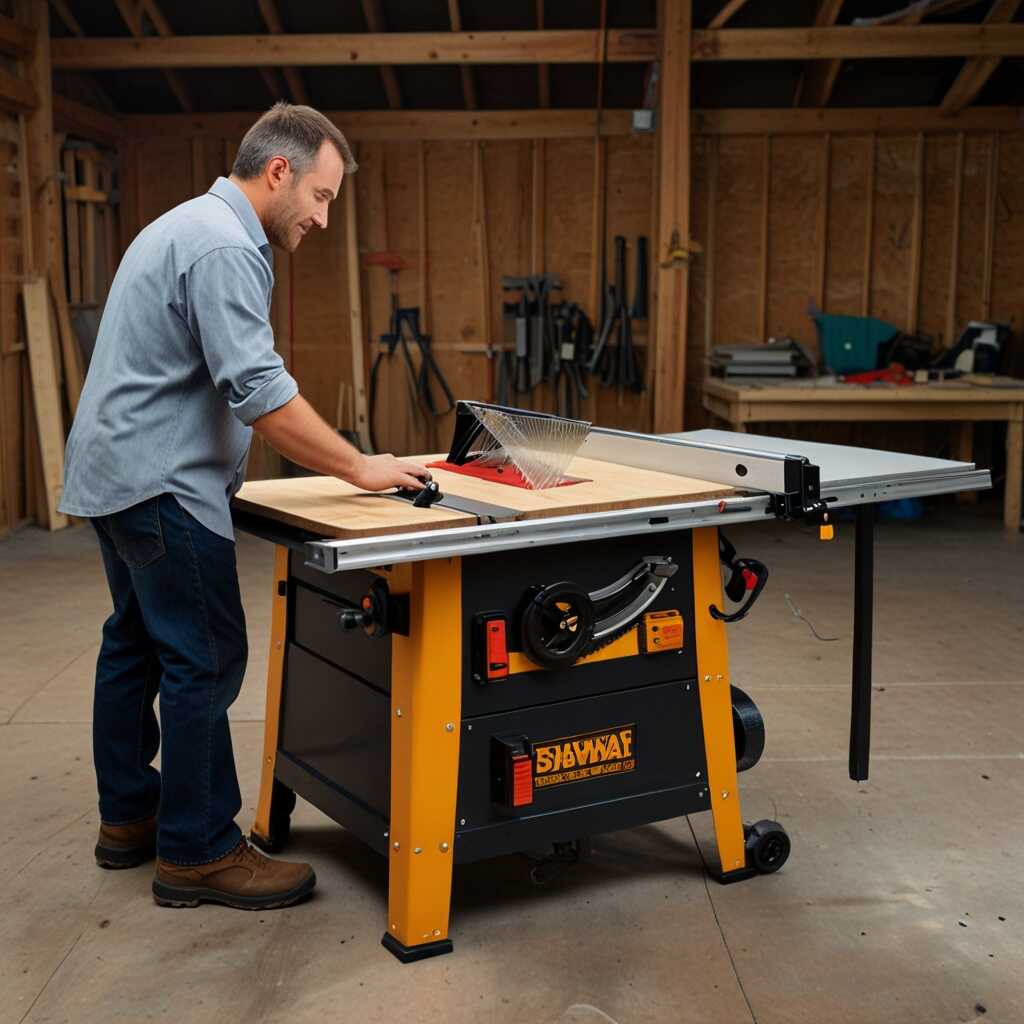
Tiny house builders can enhance individuality by integrating unique design elements such as customizable exteriors and interior layouts. Some distinct features include foldable furniture, multi-purpose storage solutions, and distinct lighting that augment aesthetic appeal. When exploring personalized touches, builders should consider their unique style, ensuring a balance between comfort and functionality. On average, integrating unique design elements may increase costs by 10-20%, depending on the features chosen. This investment can lead to heightened value and enhanced living experience.
Optimizing Space with Unique Storage Solutions
Unique storage solutions are crucial in tiny homes, as they maximize efficiency. Taking advantage of under-bed storage, built-in shelves, or convertibles can significantly improve space usage. Additionally, using furniture that doubles as storage enhances comfort without compromising on design aesthetics. These features ensure the tiny living experience remains functional and visually appealing. Customized storage adds character to the home by reflecting personal style while accommodating essential belongings. Innovative Saws can assist builders by providing quality tools for crafting these tailored storage solutions.
Crucial Tools and Equipment for Tiny Home Building
Building a tiny home requires essential cutting tools that ensure precision and efficiency. Among these are circular saws, miter saws, and jig saws. Circular saws are versatile and ideal for straight cuts in lumber. Miter saws offer precise angled cuts for framing and trim. Jig saws are perfect for intricate patterns and tighter spaces. Innovative Saws provides quality tools designed for durability and reliability. This enhances the overall construction process, improving outcomes for DIY builders and professionals.
Best Practices for Tool Selection in Tiny Home Construction
Selecting the best tools for tiny home construction requires understanding the specific tasks involved. It’s important to choose cutting tools that are effective for various materials such as wood, metal, and composite materials. For instance, a quality circular saw can handle most materials easily. Invest in saws with proven reliability and performance ratings. Reading user reviews can help determine which tools deliver the best results. Innovative Saws’ offerings include specialized options for varying skill levels and project scales, ensuring each builder can find tools that meet their needs effectively.
Popular Companies and Their Unique Offerings
- Some brands cater to eco-conscious builders with sustainable options.
- Jay Shafer’s Tumbleweed Tiny House Company focuses on customizable models.
- Escape Traveler emphasizes luxury in its compact designs.
- Different demographics prefer mobile vs. stationary tiny homes based on lifestyle.
- Some homeowners choose DIY kits for personal touches and affordability.
- Families often select spacious tiny homes for practical family living.
- Retirees enjoy downsizing, seeking simpler living with less upkeep.
Navigating Common Challenges in Tiny House Living
Nomadic tiny house builders often face challenges such as limited space, zoning laws, and building codes. Space efficiency becomes essential for comfortable living. Effective layouts maximize functionality. Tools like compact saws from Innovative Saws enhance construction precision. Research zoning regulations to ensure compliance and minimize legal obstacles. Builders can also ensure reliability in materials to withstand mobility. Many tiny houses on wheels require between 150 to 400 square feet for optimal comfort and functionality.
Effective Space Solutions for Tiny Homes
Maximizing space in tiny homes requires innovative design strategies. Multi-functional furniture, such as sofa beds and foldable tables, improves usability. Using vertical storage solutions, like wall-mounted shelves, creates more floor space. Consider modular designs that adapt to changing needs. Incorporate outdoor elements, like expandable decks, to enhance living areas. Employing the right tools, like precision circular saws or miter saws, helps create custom furniture and fixtures tailored to available space. These strategies ensure a comfortable living experience even in limited areas.