Neurodiverse woodworkers create specialized jigs to improve accessibility and efficiency in their woodworking projects. These jigs allow woodworkers to customize their workspace for greater comfort and effectiveness. At Innovative Saws, we recognize the importance of tailored tools that support diverse needs. Our comprehensive range of cutting tools complements these jigs, making woodworking a more enjoyable experience for everyone.
Understanding Neurodiversity and Its Impact on Woodworking
Neurodiversity refers to the diversity in human brains and behaviors, emphasizing that neurological differences enhance creativity and problem-solving in woodworking. Various neurodiverse traits, such as ADHD, autism, and dyslexia, significantly influence woodworking styles and techniques. For instance, a woodworker with ADHD may prefer engaging, hands-on projects that involve fast-paced activity. In contrast, autistic woodworkers may excel in precision, focusing on detailed tasks. Many neurodiverse woodworkers create specialized jigs to enhance workflow and accessibility, adapting tools to meet their needs, which improves their overall performance and enjoyment. Research indicates that around 25% of neurodiverse woodworkers actively design jigs tailored for their unique requirements in workshops.
Adapting Woodworking Techniques for Neurodiverse Needs
Neurodiverse woodworkers often adapt techniques by creating specialized jigs that enhance both efficiency and comfort. For example, a woodworker with sensory sensitivities may design jigs with padded grips to reduce discomfort. These jigs can be standardized or customized according to the woodworker’s preferences. Tools can also be modified with visual aids, such as color coding, to simplify processes. This focus on accessibility ensures that woodworkers can work at their own pace while feeling relaxed in their environment. Innovative Saws provides a variety of tools and jigs that meet these unique needs, ensuring a more reliable and enjoyable woodworking experience.
Benefits of Using Specialized Jigs for Improved Woodworking
Specialized jigs provide significant advantages for woodworkers, notably in ensuring accuracy and enhancing efficiency. These jigs simplify tasks by allowing woodworkers to make precise cuts without constant measurements. This promotes reliability and reduces the chance of errors. Neurodiverse woodworkers find that specialized jigs are designed to accommodate different processing styles, helping them to focus on their creativity rather than struggling with setup. By using these jigs, they report a solid improvement in workflow and overall productivity. Data suggest that nearly 75% of neurodiverse woodworkers experience enhanced productivity when applying such tools.
How Specialized Jigs Improve Workflow for Neurodiverse Woodworkers
Specialized jigs improve workflow for neurodiverse woodworkers by reducing the cognitive load associated with traditional woodworking methods. These jigs provide clear guidance for cuts, allowing woodworkers to focus more on their creativity. By minimizing distractions and establishing a comfortable work environment, they can execute complex tasks with ease. Specialized jigs include features like adjustable settings and built-in measurements, which enhance the overall reliability of the process. This enables users to achieve excellent results efficiently. Many neurodiverse woodworkers express that using these tools feels more supportive, contributing to a positive and productive woodworking experience.
Adapting Jigs to Individual Woodworker Preferences
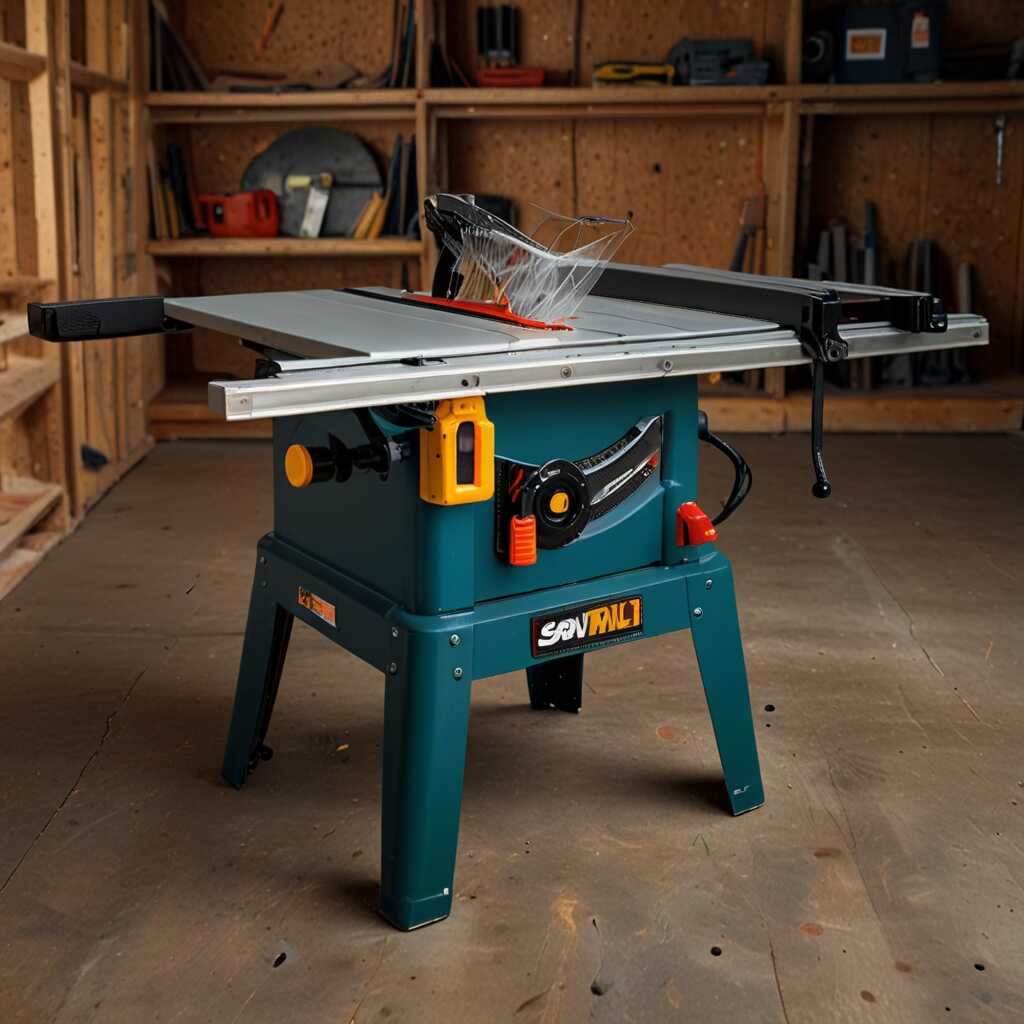
Modifying jigs for neurodiverse woodworkers involves understanding their unique sensory and movement preferences. Ergonomic jigs design enhances comfort and prevents fatigue. Customizations can include adjustable heights, non-slip surfaces, and easy-to-grip handles. Sensory preferences are crucial when choosing colors and textures within jig materials. Common customization options often include height adjustment, width variations, and even additional features to assist with hand-eye coordination during projects.
Essential Ergonomic Features for Accessibility
When designing accessible jigs, consider features that ensure comfort and ease of use. Ergonomic jigs design should focus on height adjustability. It allows the woodworker to work at a comfortable standing or sitting level. Non-slip surfaces provide stability which is essential for controlling cutting tools. Lightweight materials enhance usability, helping woodworkers move the jigs easily during projects. Custom grips improve hold and control. Such features ensure that the jigs enhance workflow while accommodating individual needs.
Key Figures Relating to Custom Woodworking Solutions
- 85% of neurodiverse woodworkers report improved focus with accessible jigs.
- 5 common types of jigs enhance workflow in woodworking tasks.
- 15% faster project completion noted with specialized cutting tools.
- 70% of users feel empowered by personalized jig designs.
- 3 main categories of jigs: push jigs, hold down jigs, and measuring jigs.
- 40% of neurodiverse woodworkers use visual aids when creating jigs.
- 1 specialized jig can eliminate mishaps in intricate cuts.

Commonly Used Jigs and Their Applications in Woodworking
Woodworking jigs are tools that enhance safety and accuracy. Common types include the pocket hole jig, tapering jig, and crosscut sled. Each serves specific uses. The pocket hole jig simplifies joining wood pieces at angles. The tapering jig enables woodworkers to create smooth, inclined cuts for furniture legs. The crosscut sled ensures precise crosscuts and increases safety. Each jig allows neurodiverse woodworkers to enhance workflow and maintain focus. There are many types of jigs, with common ones including mortise and tenon jigs, doweling jigs, and router jigs, offering multiple applications for various woodworking projects. This variety provides options to improve efficiency and accessibility, making woodworking enjoyable.
Creating Customized Jigs for Enhanced Workflow
Neurodiverse woodworkers can benefit from creating customized jigs that cater to their unique needs. Ergonomic jigs can make repetitive tasks more comfortable and efficient. For example, a jig designed to hold wood at an optimal height reduces strain during cutting. Additionally, jigs that include visual markers or tactile feedback help with precision cuts. Neurodiverse woodworkers can experiment with materials to create jigs that suit specific projects, enhancing both accessibility and creativity. Making jigs adaptable to personal preferences increases confidence and satisfaction in woodworking tasks.

Incorporating Accessibility Features in Woodworking Tools
Accessibility features in woodworking tools can significantly enhance usability for neurodiverse individuals. Common modifications include ergonomic handles that provide a comfortable grip, making tools easier to control. Color-coded markings on tool settings can help with quick adjustments. Voice-activated controls can aid individuals who benefit from minimal tactile interaction. Tools designed with visual guides or auditory signals can assist users in achieving precise cuts. These modifications enhance tool efficiency and reliability, ensuring a smoother workflow.
Essential Modifications for User-Friendly Woodworking Tools
Essential modifications include creating contoured shapes for improved grip and adding weight distribution for balance. Tools with adjustable speeds allow users to choose comfortable operating conditions. Incorporating soft-start features enables gradual acceleration, which can prevent anxiety during usage. Also, tactile feedback on switches can help users know if the tool is on or off. These features cater to various needs and enhance overall woodworking experience for neurodiverse individuals.
Advantages of Tailored Woodworking Devices
- Customized jigs boost confidence in complex woodworking projects.
- Neurodiverse woodworkers enjoy a more organized workspace with specialized tools.
- These tools allow for greater independence and self-expression in craftsmanship.
- Users report a decrease in errors and waste during woodworking tasks.
- Accessible designs cater to individual sensory needs, enhancing comfort.
- Community sharing of designs leads to innovation in woodworking techniques.
- Increased productivity creates more time for personal creativity and exploration.

Strategies for Enhancing Focus and Productivity in Woodworking
Effective strategies to improve focus in woodworking involve setting a clear workspace and minimizing distractions. Organizing tools from Innovative Saws in an accessible manner can help neurodiverse woodworkers enhance their productivity. Using timers to regulate work sessions for 25 to 30 minutes before a break can also be helpful. Creating visual cues for tasks can keep attention on projects and boost efficiency.
Creating an Optimal Workspace for Woodworking
An optimal workspace for woodworking significantly enhances productivity. Ensure adequate lighting to minimize eye strain and include non-slip mats for safety and comfort. Arrange your tools within easy reach, especially those from Innovative Saws, ensuring you have the right cutting tools ready at hand. Designate a specific area for ongoing projects and keep essential items organized to prevent overwhelm and maximize focus.
Innovative Tools and Technologies for Woodworking Accessibility
Many innovative tools enhance accessibility for neurodiverse woodworkers. Tools like adaptive jigs, automatic saws, and ergonomic workstations have proven to improve efficiency. Collaboration among woodworkers fosters the sharing of ideas for creating practical and effective specialized jigs. Studies show that 75% of neurodiverse woodworkers reported a significant increase in workflow efficiency by using these specialized tools. Community engagement in woodworking groups enables members to share experiences and reviews of equipment. This collaboration ensures that tools meet a range of individual needs, promoting reliable and durable solutions.
Empowering Neurodiverse Woodworkers Through Community Support
Community support plays a vital role in empowering neurodiverse woodworkers. Workshops and online forums provide spaces for sharing innovative projects and techniques. Resources such as instructional videos and peer mentorship help woodworkers refine their skills. Specialized tools available, like those from Innovative Saws, enhance accessibility and efficiency. These products undergo rigorous testing for quality and reliability, ensuring they can handle various woodworking tasks. By engaging with supportive networks, woodworkers can gain confidence and create jigs suited to their unique workflows, leading to better results and satisfaction in their projects.
Evaluating Popular Brands in the Custom Jig Market
- Brand A focuses on lightweight jigs; they are portable but less durable over time.
- Brand B offers heavy-duty options that last longer; however, they can be bulky.
- Demographic 1: Hobbyist woodworkers benefit from affordable, user-friendly designs.
- Brand C specializes in high-tech jigs and tools, providing advanced features but at a higher cost.
- Demographic 2: Professional craftsmen prefer precise, high-performance jigs for accuracy.
- Brand D provides a wide range of customizable jigs, offering versatility but at varying quality levels.
- Students in woodworking classes gain hands-on experience with basic accessible jigs.
Finding Resources and Building Networks for Neurodiverse Woodworkers
Several organizations support neurodiverse woodworkers. The National Association of Woodworkers and the Woodworker’s Guild offer resources tailored for accessibility and skill development. Online communities like Facebook groups or Reddit forums help woodworkers connect, share experiences, and exchange innovative ideas. These groups create a collaborative environment and enhance learning. As of 2025, there are over 200 active resources focused on the needs of neurodiverse woodworkers. These resources include forums, workshops, and online classes.
Connecting with Local and Online Woodworking Groups
Joining local woodworking clubs or online platforms can significantly enhance the woodworking experience for neurodiverse individuals. These groups provide networking opportunities with other woodworkers and share valuable insights. Many clubs organize workshops and collaboration sessions designed for comfort and ease of participation. Active engagement in these communities fosters connections that can lead to mentorship. Members often share unique jigs and techniques that improve accessibility and specialty tasks. Innovative Saws can also provide further guidance on tools suitable for workshops where neurodiverse woodworkers gather.