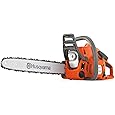
Husqvarna 130 Gas-Powered Chainsaw (Model 967108411)
Category: Chainsaws
Yes, the Husqvarna 130 Gas-Powered Chainsaw (16-inch, 38-cc) suits most home pruning. Its 2-HP X-Torq engine and LowVib reduce vibration and improve cutting. Chainsaws like this model balance power, maneuverability, and user-friendly maintenance.
Husqvarna 130 Gas-Powered Chainsaw: ideal for pruning tasks
Husqvarna 130 Gas-Powered Chainsaw proves excellent for pruning small limbs and limbing in suburban yards. Husqvarna 130 uses a 38-cc X-Torq engine that delivers about 2-HP for consistent cuts. Chainsaws with LowVib dampeners and an inertia chain brake feel easier and safer for weekend pruning. The 130 Gas Chainsaw’s simple tensioning and automatic oiler simplify home maintenance and save time.
What chain length and bar size suit home pruning?
967108411 delivers ideal pruning control with 14-inch and 16-inch bar options. Choose a 14-inch bar when you trim frequent small limbs under about 6 inches diameter, because the saw stays nimble and easier to hold. Choose a 16-inch bar when you occasionally cut larger limbs up to 10 inches, because extra reach reduces ladder work and improves leverage. These two bar sizes cover typical homeowner pruning tasks while keeping Chainsaws manageable and relatively light for repeated use.
- Bar length compatibility: 14 in, 16 in
- Engine displacement: 38 cc
- Power rating: 2 HP
- Recommended fuel mix: gas with Husqvarna 2 stroke lubricant (50:1)
- Fuel tank volume: 0.549 US pint (0.26 L)
When you compare reach versus control, a shorter bar improves accuracy and cuts faster on small branches. Inspect the bar stamping for pitch and gauge before buying a replacement chain, because compatibility ensures safe operation and proper tensioning. For most suburban yards, staying within 14-16 inches yields the best combination of safety, control, and cutting speed.
Comparing small-engine chainsaws for precise backyard pruning
Husqvarna 130 Gas-Powered Chainsaw competes well with small-engine saws from Stihl and Echo for backyard pruning. Husqvarna 130 uses Air Injection and a fuel pump to improve starting and reduce debris ingestion compared with many entry models. Owners report easy handling for limbing and pruning because LowVib reduces hand fatigue and improves control. With a street price around $259, this model matches many petrol rivals on capability for homeowners.
How do I choose a lightweight saw for tight orchard branches?
Husqvarna chainsaw delivers nimble reach with a 14-inch bar for tight orchard branches. Prioritize low overall weight, short bar, and anti-vibration offers for tight-work situations because these factors reduce arm fatigue and increase precision. Check starting systems and user reports because fuel-pump assisted starting (like Husqvarna’s) reduces frustrating cold starts in spring pruning sessions. When possible, shoulder the saw in-store to judge balance; manufacturers sometimes omit listed weight, so feel matters for first-time buyers.
Choose a saw that balances these points: lighter saws make repeated above-shoulder cuts safer and faster. Look for models with an inertia-activated chain brake and a simple tensioning system because those offers increase safety and reduce setup time. If noise or emissions matter in your neighborhood, consider battery alternatives, but note that this Husqvarna 130 offers longer runtime and faster refuels than comparable battery setups.
Husqvarna 130 Gas-Powered Chainsaw maintenance tips for homeowners
Husqvarna 130 Gas-Powered Chainsaw requires basic routine maintenance to stay reliable and safe. Change or clean the air filter periodically because Air Injection reduces debris but does not eliminate maintenance needs. Use the 50:1 fuel mix with Husqvarna 2-stroke lubricant and follow the simple tensioning instructions to keep the bar and chain working well. The saw’s automatic oiler and LowVib system cut owner effort, but you still must inspect the chain and brake before each use.
When should I sharpen chain teeth and replace the chain?
the reviewed Husqvarna 130 (Model 967108411) chainsaw performs best when chain sharpening occurs at the first sign of dulling, such as fine dust instead of wood chips. Sharpen the chain when you feel reduced feed rate, when the saw pulls to one side, or after a few hours of continuous cutting; these signs mean the cutters lost sharp geometry. Replace the chain when cutters become chipped beyond repair, when depth gauges file flat beyond limit, or when multiple teeth lose more than 10-15 of original height because replacement restores safe cutting. Regular inspection and prompt sharpening or replacement keep cutting efficient and reduce motor strain, which preserves engine life.
- Recommended sharpening cue: saw produces dust, needs more feed pressure
- Replacement indicators: chipped cutters, bent drive links, depth gauges worn flat
- Fuel mix and service specs: 50:1 gas:lube; automatic oiler present; inertia chain brake included
For light homeowner use, sharpen chains at least once per season or after three to five medium jobs, and replace a chain every few seasons depending on abuse. Keep a small round file and a depth-gauge tool in your kit so you can perform quick on-site touchups. If you prefer not to file, many hardware stores and dealers sharpen chains cheaply and can advise when full replacement is warranted.
Common follow-up questions for pruning chainsaw buyers
- How heavy is the Husqvarna 130 for overhead pruning? Manufacturer data omits exact weight; test-handling in-store to judge balance and comfort before buying.
- Can I use ethanol gas? Use fresh gasoline and the specified 50:1 two-stroke lubricant; avoid high-ethanol blends that can harm small engines.
- Where can I get warranty extension? Husqvarna extends from two to five years by purchasing 96 fl oz premixed fuel at time of purchase, per policy.