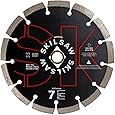
SKIL 7 Walk-Behind Worm Drive Skilsaw for Concrete (Model SPT79A-10) – Tile & Masonry Saw
Category: Tile & Masonry Saws
Choose the SKIL 7” Walk-Behind Worm Drive Skilsaw for Concrete (Model SPT79A-10) for driveways. It excels on reinforced concrete, pavers, and thick mortar joints with stable worm drive torque. This tool sits in Tile & Masonry Saws as a walk-behind option for contractors.
SKIL SPT79A-10: Choosing It for Driveway and Patio Cutting
The SKIL 7″ Walk-Behind Worm Drive Skilsaw for Concrete (Model SPT79A-10) excels on hard paving materials. This walk-behind model represents an entry in Tile & Masonry Saws for pros and serious DIYers. Its worm drive gearing and Dual-Field Motor (improved cooling for longer life) give torque during cuts. Choose this machine when you need portability, integrated dust control, and corrosion-resistant aluminum components.
What driveway thicknesses and joint gaps can I cut?
Driveway slabs allow cuts through typical 2-4 inch concrete and joint widths of 1/8-1 inch. The SKIL SPT79A-10 handles thin-bonded pavers and mortar joints with steady feed. Use a 7-inch diamond blade to remain within the saw’s designed wheel diameter. Wider joints exceeding one inch require joint chasers or multiple passes and larger equipment.
Selecting the right cutter offers for driveway and patio work
Match cutter offers to material hardness, target depth, and site dust rules when buying. The SKIL 7″ Walk-Behind Worm Drive Skilsaw for Concrete (Model SPT79A-10) balances torque, mobility, and dust management. Inspect gearing type, motor cooling, and cutting interface before selecting a machine. Those offers reduce blade wander and improve straightness across long patio runs.
Key SKIL SPT79A-10 specifications and offers to compare
- Blade diameter: 7-inch (compatible with 7″ diamond blades)
- Configuration: walk-behind with adjustable folding handle
- Drive type: worm drive gearing for torque and gear protection
- Motor: Dual-Field Motor for improved cooling and longer motor life
- Dust management: integrated wet/dry dust-management system
- Construction: die-cast aluminum guard and foot with rust-resistant fasteners
- Controls: two-finger trigger for better operator control and reduced fatigue
- Price reference: listed at about $729 USD
How will wet cutting versus dry cutting affect dust and finish?
Wet cutting reduces airborne dust and preserves blade life. The SKIL Tile & Masonry Saw operates in wet mode to trap slurry at the cut. Dry cutting increases respirable silica (fine silica dust reaching lungs) risk and demands HEPA (High Efficiency Particulate Air) vacuums and OSHA-compliant controls. Use wet cutting when finish matters, and use dry only when water is impractical.
SKIL SPT79A-10 Maintenance and Safety Considerations for Paving
The SKIL 7″ Walk-Behind Worm Drive Skilsaw for Concrete (Model SPT79A-10) needs routine cleaning and inspection. Routine checks save blade life and keep the Dual-Field Motor running cooler under heavy cuts. Corrosion-resistant brackets reduce outdoor wear but rinse off salt and grit after coastal jobs. Also verify trigger function, handle locks, and dust ports before each use.
Routine maintenance checklist for the SPT79A-10
- Inspect diamond blade for wear and side runout; replace blades with visible cracks.
- Check arbor and blade bolt torque per blade manufacturer recommendations.
- Flush and inspect water lines and nozzle if you use wet cutting frequently.
- Clean dust ports and test the wet/dry dust-management system before each shift.
- Verify two-finger trigger function and folding-handle latches for safety and transport.
- Wipe down die-cast aluminum parts and tighten rust-resistant fasteners after heavy use.
What personal protective equipment and site controls are essential?
Personal protective equipment reduces inhalation and hearing injuries. The SPT79A-10 Tile & Masonry Saw operator should wear an N95 or P100 respirator (respirator filters airborne dust), impact-rated safety glasses, and hearing protection rated to at least 85 dB. Use water-suppression plus a HEPA vacuum for dry cutting to control respirable silica; also install exclusion zones to keep bystanders ten feet away. Add high-visibility vests, cut-resistant gloves, and sturdy boots when handling blades and moving the walk-behind saw.
Can I use this SKIL model on asphalt and how does it perform? Asphalt cuts require a different abrasive blade; the SPT79A-10 can cut thin asphalt with a proper asphalt diamond blade, but heavy asphalt work favors larger, dedicated saws. Use the correct blade bond and expect faster dulling on abrasive asphalt.
What blade type gives the cleanest edge on interlocking pavers? A continuous-rim or fine-grit turbo diamond blade yields the cleanest edge on pavers. Pair that blade with slow feed and wet cutting for the best finish, and replace blades when chipping increases.