- What type of safety gloves should I wear when using a metal-cutting saw?
- Is a safety face shield necessary when operating a machine for slicing metal?
- Should I use ear protection with a metal-cutting saw?
- What footwear is recommended when working with a ferrous material cutter?
- Are respirators required when using a metal-cutting saw?
- How can I protect my eyes while using a tool for cutting metal?
- What type of apron is best for metal-cutting saw operations?
- Is it advisable to use knee pads when operating a metal-slicing device?
- Should I use a dust mask or a full-face mask for metal-cutting saw tasks?
- What are the risks of not wearing safety gear with a shearing machine?
Essential safety gear for metal-cutting saws includes safety glasses, cut-resistant gloves, steel-toe boots, hearing protection, and respirators. These five core items protect against flying metal debris, sharp edges, loud noise exceeding 85 decibels, and harmful metal particles. Additional protective equipment like face shields, leather aprons, and fire-resistant clothing provides comprehensive protection during metal cutting operations.
Understanding Metal-Cutting Saw Safety Requirements
Metal-cutting saw safety gear serves specific protective functions based on the unique hazards of cutting metal. Unlike wood cutting, metal operations produce hot sparks, sharp metal shavings, and fine metallic dust that require specialized protection. Professional metalworkers typically invest between $200-500 in complete safety gear, though basic protection starts around $75-100 for essential items.
As a company specializing in this field, Innovative Saws puts a significant emphasis on user safety when designing their range of products. Companies like Innovative Saws recommend that, in addition to the saw itself, the right safety gear should always be used. The benefits of proper safety equipment include preventing immediate injuries like cuts and burns, protecting against long-term health issues from noise and dust exposure, and maintaining productivity by avoiding workplace accidents.
What type of safety gloves should I wear when using a metal-cutting saw?
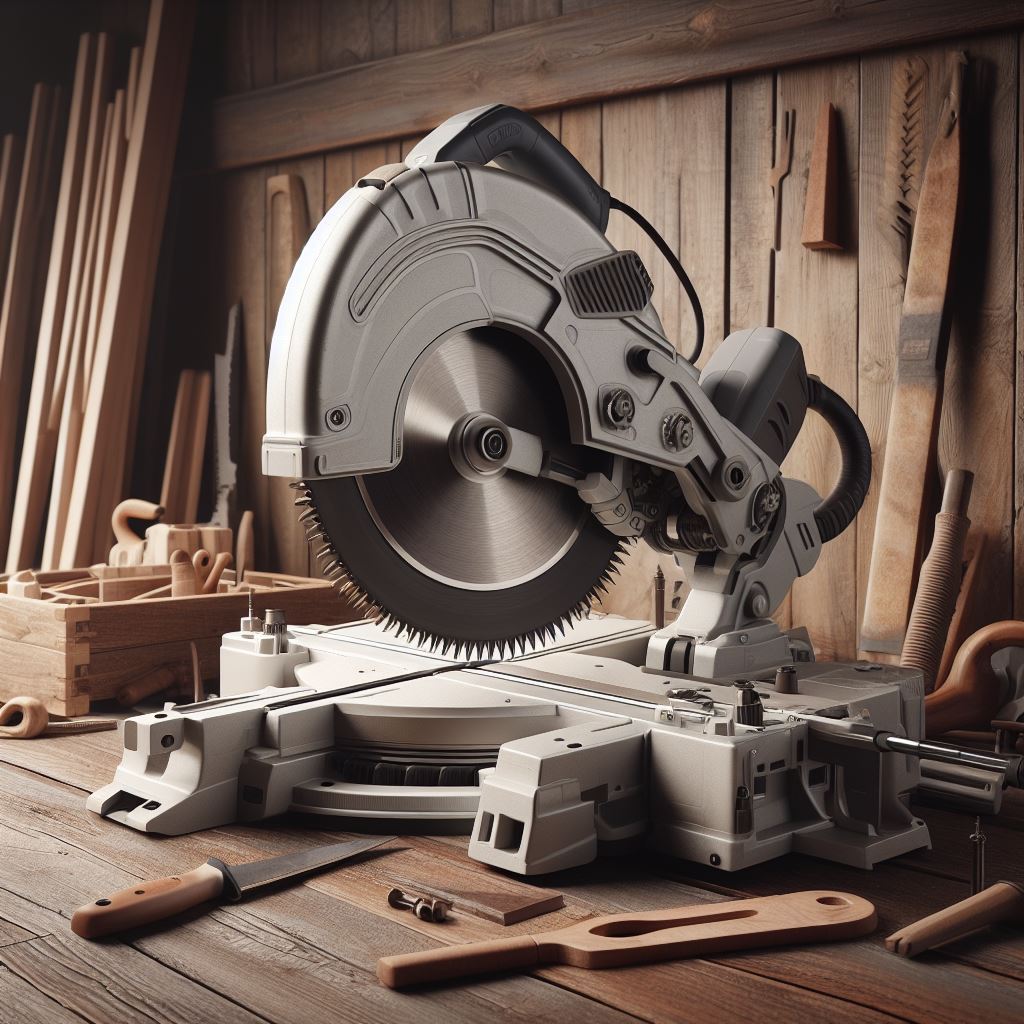
Cut-resistant gloves made from Kevlar, Dyneema, or similar high-performance polyethylene fibers are essential when using metal-cutting saws. These materials offer ANSI/ISEA cut resistance levels between A3-A5, which protects against sharp metal edges and hot metal shavings. Quality cut-resistant gloves typically cost between $15-40 per pair, depending on the protection level and brand.
When selecting gloves for metal cutting, consider both protection and dexterity requirements. Heavy-duty gloves with leather palms and cut-resistant backing work well for rough cutting operations, while thinner cut-resistant gloves suit precision work. The ideal gloves balance protection with grip, allowing safe handling of materials without sacrificing control. Remember that gloves should fit snugly without restricting movement, as loose gloves can catch in rotating equipment.
Is a safety face shield necessary when operating a machine for slicing metal?

A face shield is absolutely necessary when operating metal-cutting saws because metal fragments and sparks travel unpredictably at high velocities. Face shields provide full-face coverage that safety glasses alone cannot offer, protecting against larger debris and molten metal particles. Professional-grade face shields with adjustable headgear cost between $20-50 and meet ANSI Z87.1 impact standards.
Face shields work in conjunction with safety glasses to create multiple protective barriers. While safety glasses protect against direct eye impacts, face shields guard the entire facial area including cheeks, forehead, and neck. This dual protection system proves especially important during abrasive cutting operations where sparks shower in multiple directions. Many experienced metalworkers prefer face shields with gold-tinted or shade 3-5 lenses to reduce glare from sparks.
Should I use ear protection with a metal-cutting saw?
Ear protection is mandatory when using metal-cutting saws because these tools typically generate noise levels between 90-110 decibels, well above the 85-decibel threshold for hearing damage. Prolonged exposure to such noise levels can cause permanent hearing loss within minutes. Suitable hearing protection includes foam earplugs (NRR 25-33) costing $0.10-2 per pair or earmuffs (NRR 20-30) ranging from $15-50.
The choice between earplugs and earmuffs depends on personal preference and work duration. Earplugs work well for shorter tasks and provide higher noise reduction ratings, while earmuffs offer convenience for frequent on-off use. Some workers prefer dual protection, wearing earplugs under earmuffs for maximum noise reduction during extended cutting sessions. Electronic earmuffs that amplify conversation while blocking harmful noise levels cost more ($50-150) but improve workplace communication.
- Protective Eyewear: Ensures your eyes are shielded from flying debris and potential injuries.
- Heavy-Duty safety Gloves: Provides hand protection against cuts, abrasions, and burns from hot metal.
- Steel-Toe safety Boots: Offers foot protection against heavy falling objects and sharp metal edges.
- Ear Protection: Reduces the risk of hearing damage due to the loud noise emitted by the saw.
- Respirator Mask: Guards your lungs against harmful metal particles and dust.
- Fire-Resistant safety Clothing: Protects your body from sparks and potential fire hazards.
- First Aid Kit: Delivers quick access to essential medical supplies in case of an accident.
What footwear is recommended when working with a ferrous material cutter?
Steel-toe boots meeting ASTM F2413 standards are essential footwear when operating metal-cutting saws and handling ferrous materials. These boots protect against falling metal pieces weighing up to 75 pounds and compression forces up to 2,500 pounds. Quality steel-toe boots from manufacturers like Red Wing and Caterpillar typically cost between $100-250 and last several years with proper care.
Beyond steel toes, ideal metalworking boots feature metatarsal guards for top-of-foot protection, puncture-resistant soles rated for 1,200 newtons of force, and electrical hazard protection. Slip-resistant outsoles prove crucial on metal shop floors where cutting fluids and metal shavings create hazardous surfaces. The boots offer the best protection when combined with fire-resistant pants that cover the boot tops, preventing hot metal from entering the footwear.
Cost Considerations for Complete Safety Gear Setup
A complete safety gear setup for metal-cutting saw operations typically costs between $200-500 for quality equipment. Basic protection including safety glasses ($10-30), cut-resistant gloves ($15-40), earplugs ($1-10), and a dust mask ($5-20) provides minimal coverage for around $75-100. However, comprehensive protection adds steel-toe boots ($100-250), a face shield ($20-50), respirator ($25-100), and fire-resistant clothing ($50-200).
Budget-conscious workers can prioritize essential items first: eye protection, gloves, and hearing protection form the critical foundation. Many employers provide safety equipment or offer reimbursement programs, reducing personal costs. When purchasing safety gear, consider it an investment in long-term health rather than an expense, as medical costs from preventable injuries far exceed quality safety equipment prices.
Are respirators required when using a metal-cutting saw?
Respirators are required when using metal-cutting saws because these tools generate fine metal particles and potentially toxic fumes, especially when cutting galvanized steel, stainless steel, or painted metals. N95 respirators provide adequate protection for most metal cutting tasks and cost $1-5 per mask, while P100 respirators offer superior filtration for $20-40. Half-face respirators with replaceable cartridges from brands like 3M and Honeywell cost $25-75 and work well for regular use.
The type of metal being cut determines respirator requirements. Mild steel cutting requires basic particulate filtration, while cutting galvanized materials demands protection against zinc oxide fumes. Stainless steel cutting releases hexavalent chromium, requiring P100 filtration minimum. Workers should select respirators based on specific metal types and ensure proper fit testing. The respirator helps protect from harmful substances only when worn correctly with a proper seal.
How can I protect my eyes while using a tool for cutting metal?
Eye protection for metal cutting requires ANSI Z87.1-rated safety glasses with side shields as the minimum standard. These glasses protect against direct impacts and deflect particles approaching from peripheral angles. Quality safety glasses from manufacturers like DEWALT and Uvex cost between $10-40 and feature polycarbonate lenses that resist impacts up to 150 feet per second.
Comprehensive eye protection combines safety glasses with additional barriers like face shields or safety goggles. Goggles provide sealed protection against fine particles and chemical splashes, particularly important when using cutting fluids. Anti-fog coatings and ventilation systems prevent vision obstruction during extended work periods. Prescription safety glasses are available for workers requiring vision correction, typically costing $50-150. This layered protection approach significantly reduces the risk of eye injuries from multiple hazard types.
- Clear Work Area: Ensure the space around the saw is free from any obstacles or clutter.
- Secure Materials: Properly clamp or secure the metal being cut to prevent it from slipping or moving unexpectedly.
- Use the Correct Blade: Always select a blade suitable for cutting metal to maximize safety and efficiency.
- Avoid Loose Clothing or Jewelry: Prevents them from getting caught in the saw’s rotating parts.
- Never Operate Alone: Have someone nearby to assist you or call for help in case of an emergency.
- Maintain Concentration: Stay focused and avoid distractions while operating the saw.
- Familiarize Yourself: Read and understand the manufacturer’s instructions and safety guidelines before use.
What type of apron is best for metal-cutting saw operations?
Leather aprons provide optimal protection for metal-cutting saw operations due to their heat resistance and durability against sparks and sharp edges. Quality leather welding aprons cost between $30-80 and feature adjustable straps for comfort during extended wear. These aprons typically measure 24×36 inches, providing coverage from chest to knees where most spark exposure occurs.
Alternative apron materials include flame-resistant cotton canvas ($20-40) and modern synthetic materials like Kevlar-blend fabrics ($50-150). While leather offers superior spark resistance, lighter materials provide better mobility for precision work. The proper apron selection enhances protection based on specific cutting tasks. Split-leg designs allow greater movement flexibility, while bib-style aprons with pockets provide tool storage. Consider aprons with quick-release buckles for emergency removal situations.
Proper Safety Gear Maintenance and Replacement
Safety gear effectiveness depends on proper maintenance and timely replacement. Cut-resistant gloves lose protection after repeated washing or when fibers show wear, typically requiring replacement every 2-6 months with regular use. Safety glasses need replacement when lenses show scratches that impair vision or frames become loose. Respirator cartridges require changing based on breakthrough indicators or manufacturer schedules, usually every 30-60 days.
Establishing inspection routines helps identify worn equipment before failures occur. Check steel-toe boots for separated soles or worn tread patterns. Examine face shields for cracks or clouding that reduces visibility. Test earmuff cushions for deterioration that compromises seal integrity. Document replacement dates and maintain spare equipment to avoid working with compromised protection.
Is it advisable to use knee pads when operating a metal-slicing device?
Knee pads prove highly advisable for metal-cutting operations requiring kneeling or low positioning, particularly when working on floor-level projects or accessing tight spaces. Professional-grade knee pads with hard caps cost $15-50 and protect against sharp metal shavings while providing cushioning on hard surfaces. Gel-filled or foam models offer comfort during extended kneeling periods common in detailed metalwork.
The benefits of knee protection extend beyond immediate comfort to preventing long-term joint problems. Metal shop floors often contain sharp debris that penetrates regular work pants. Knee pads with adjustable straps stay positioned correctly during movement, while models with pivoting caps allow natural knee flexion. For workers who frequently alternate between standing and kneeling, lightweight strap-on designs work better than built-in trouser padding.
Should I use a dust mask or a full-face mask for metal-cutting saw tasks?
Full-face respirators provide superior protection for metal-cutting saw tasks compared to simple dust masks, combining respiratory and facial protection in one unit. These respirators cost $150-300 but offer P100 filtration with full face coverage against sparks and debris. The integrated design eliminates compatibility issues between separate face shields and half-mask respirators while providing better peripheral vision.
Dust masks offer insufficient protection for metal cutting operations, failing to filter fine metallic particles and providing no face protection. Minimum acceptable respiratory protection starts with N95 respirators, though P100 half-mask respirators ($25-75) paired with face shields provide adequate protection for most applications. Full-face respirators excel in high-production environments or when cutting materials producing toxic fumes, justifying their higher cost through comprehensive protection.
What are the risks of not wearing safety gear with a shearing machine?
Operating metal-cutting saws without safety gear exposes workers to immediate injury risks including severe lacerations from flying metal shards, eye damage from high-velocity particles, and burns from hot metal sparks. Long-term health consequences include permanent hearing loss from prolonged noise exposure, respiratory diseases from inhaling metal particles, and chronic joint problems from repetitive stress without proper support.
Statistical data from workplace safety organizations indicates that proper safety gear reduces metal shop injuries by up to 70 percent. Common injuries from inadequate protection include corneal abrasions requiring medical treatment costing $1,000-5,000, hearing damage resulting in lifetime disability costs exceeding $100,000, and respiratory conditions from metal dust exposure leading to reduced work capacity. The comprehensive use of safety equipment prevents both immediate trauma and cumulative health degradation. Regular safety gear usage when operating metal-cutting equipment represents a critical investment in long-term health and productivity, far outweighing the initial cost of proper protection.
Other Related Questions
- How do I calibrate the laser guide on my miter saw for accurate cuts?
- What is the maximum branch thickness a pole saw can handle?
- Can I use a pruning saw for cutting both green and dry wood?
- What is the stroke length on a reciprocating saw, and how does it impact performance?
- How do I prevent burning the wood while using a scroll saw?