- What tools do I need to set the fence on a table saw?
- How do I verify that the fence is parallel to the blade?
- Should I use a featherboard with the fence for straighter cuts?
- What are the signs that the rip guide on a woodworking machine is misaligned?
- How often should I check the fence alignment on a table saw?
- Can a misaligned fence affect the quality of cuts on a benchtop cutter?
- What is the process for calibrating the fence on a table saw?
- How do I adjust the fence for making bevel cuts?
- Can I use a digital gauge to set the fence on a table saw?
- What safety precautions should I take when adjusting the rip guide on a cutting platform?
A table saw fence is a guide rail that ensures straight, accurate cuts by maintaining consistent distance between the blade and workpiece. Setting the fence properly involves measuring and adjusting its position parallel to the blade, typically within 0.001-0.003 inches tolerance. Essential tools include a combination square, dial indicator, or specialized alignment gauge like the A-Line-It system.
Understanding Table Saw Fence Fundamentals
The table saw fence works by creating a stable reference surface that guides your workpiece through the blade at a consistent width. Most modern fences operate on a cam-lock or rack-and-pinion system, allowing precise micro-adjustments for perfect alignment. The fence must remain perfectly parallel to the blade throughout its entire length to prevent binding, burning, or dangerous kickback.
Three main types of fence systems exist: T-square fences (most common on contractor saws), Biesemeyer-style fences (known for stability), and European-style sliding fences (found on panel saws). Each type requires slightly different adjustment techniques, though the fundamental principle of blade-to-fence parallelism remains constant. Understanding your specific fence type helps determine the best adjustment method.
Key Benefits of Proper Fence Alignment
Properly aligned fences deliver multiple advantages beyond just straight cuts. The primary benefits include improved cut quality with smooth, burn-free edges that require minimal finishing work. Safety improves significantly as proper alignment reduces the risk of kickback, which causes thousands of workshop injuries annually. Additionally, you’ll experience less blade wear and reduced motor strain, extending your equipment’s lifespan.
Material waste decreases substantially when your fence maintains consistent alignment. Woodworkers typically save 10-15% on material costs through accurate cuts that eliminate the need for oversizing pieces. Furthermore, properly aligned fences enable advanced table saw techniques and precision joinery that would be impossible with a misaligned system.
What tools do I need to set the fence on a table saw?
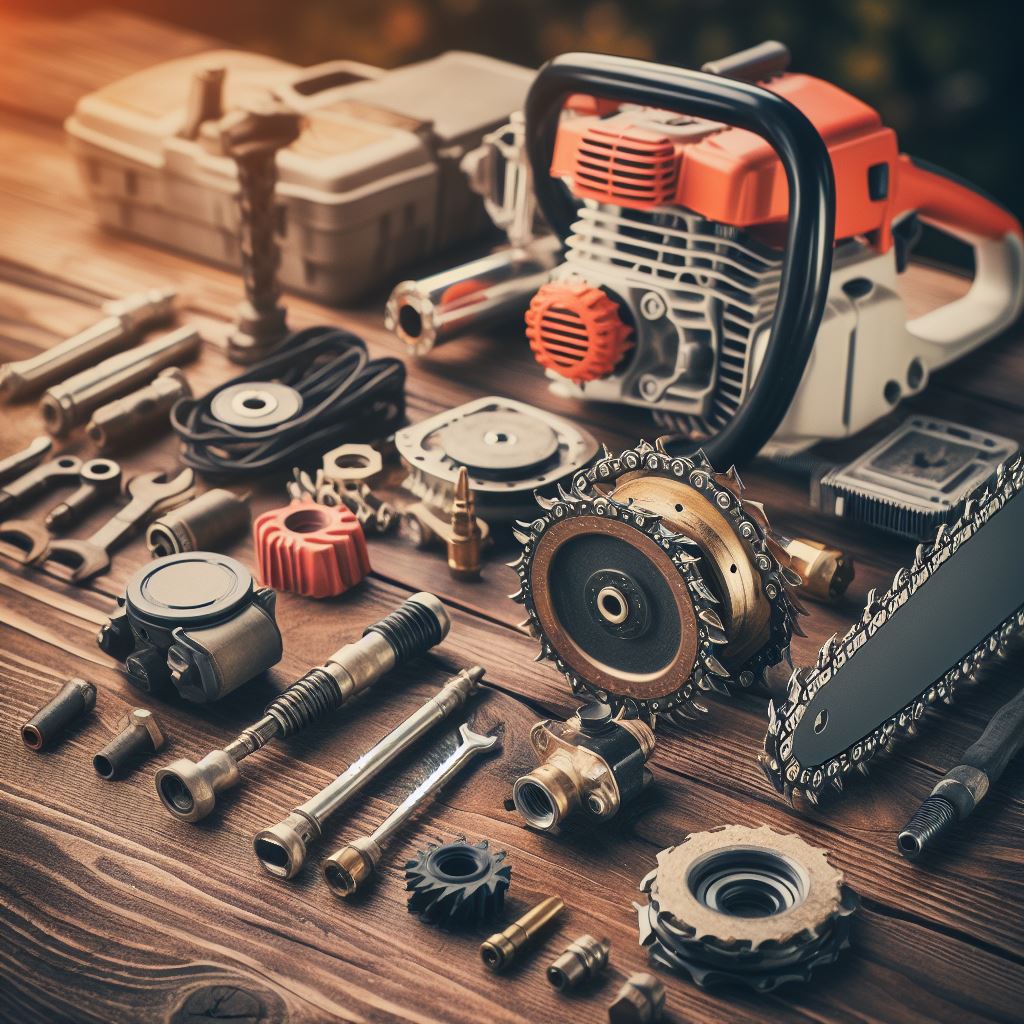
Essential tools for fence alignment include a combination square or precision ruler for measuring blade-to-fence distance at multiple points. A dial indicator provides the most accurate readings, typically measuring to 0.001-inch precision. Digital measuring tools offer convenience but aren’t strictly necessary for achieving professional results.
Additional helpful tools include a quality straightedge (at least 36 inches long) for checking fence flatness, adjustment wrenches specific to your fence system, and a reliable tape measure for setting cut widths. Some woodworkers prefer specialized alignment tools like magnetic base indicators or dedicated fence squares, though these represent optional upgrades rather than necessities. The key is using tools that provide consistent, repeatable measurements.
How do I verify that the fence is parallel to the blade?

Verifying fence parallelism requires measuring the distance from fence to blade at both the front and rear of the blade. This critical measurement ensures straight cuts by confirming consistent spacing throughout the cut. Use a combination square against a carbide tooth, rotating the blade to use the same tooth for both measurements.
The measurement process works best with the fence positioned 2-3 inches from the blade. Record the front measurement, then carefully slide your measuring tool to the blade’s rear without moving the fence. These measurements should match within 0.001-0.003 inches for optimal performance. If differences exceed this tolerance, adjustment is necessary using your fence’s built-in adjustment mechanisms.
Common Fence Alignment Mistakes to Avoid
The most frequent alignment error involves measuring against the blade body rather than the teeth, which can introduce significant inaccuracy. Blade bodies often have slight runout or wobble that doesn’t affect cutting but skews measurements. Always measure to a carbide tooth, preferably marking one specific tooth to ensure consistency between front and rear measurements.
Another critical mistake is neglecting to check fence straightness before alignment. Even perfectly parallel fences fail if they bow or twist along their length. Additionally, many users overtighten fence locks, causing deflection that compromises alignment. The fence should lock firmly but without excessive force that might distort its position or damage the locking mechanism.
Should I use a featherboard with the fence for straighter cuts?

Featherboards significantly enhance cut quality by maintaining consistent pressure against the fence throughout the entire cut. These spring-loaded guides prevent workpiece drift, especially important when cutting warped or reaction-prone wood. The consistent pressure also reduces the operator’s need to apply side force, allowing better focus on safe feeding techniques.
Beyond improving accuracy, featherboards serve as crucial safety devices by preventing kickback and keeping hands away from the blade. Position featherboards before the blade, never alongside or after it, to avoid trapping the cut piece. Many woodworkers use dual featherboard setups – one pressing against the fence and another holding down to the table – for maximum control and precision.
- Clean the fence rails and check for damage or debris
- Position fence 2-3 inches from blade for initial setup
- Measure front blade-to-fence distance using precision square
- Measure rear blade-to-fence distance with same reference tooth
- Adjust fence angle if measurements differ by more than 0.003 inches
- Lock fence and recheck measurements to confirm alignment
- Test with scrap wood before making critical cuts
Step-by-Step Fence Calibration Process
Begin calibration by ensuring your saw blade is properly installed and aligned to the miter slots. This foundational step is crucial because fence alignment references the blade position. Clean all fence components thoroughly, removing any sawdust or resin buildup that might affect smooth operation or accurate positioning.
Next, loosen the fence adjustment bolts (location varies by manufacturer) just enough to allow controlled movement. Make incremental adjustments of no more than 1/32 inch at a time, checking measurements after each change. Once parallel alignment is achieved, gradually tighten adjustment bolts while monitoring that the fence doesn’t shift. Some fence systems require specific tightening sequences to maintain alignment.
What are the signs that the rip guide on a woodworking machine is misaligned?
Misaligned fences produce several telltale signs, with burned or scorched edges being the most obvious indicator. This burning occurs when the fence angles toward the blade, causing the workpiece to bind against the spinning teeth. Additionally, you might notice curved cuts that deviate from straight, especially on longer boards where minor misalignment becomes magnified.
Physical resistance while feeding wood represents another clear warning sign. Properly aligned fences allow smooth, consistent feeding with moderate pressure. If you’re fighting to push material through or experiencing sudden grabs, fence misalignment likely contributes to the problem. Specialized alignment gauges from manufacturers like Woodpeck can help diagnose these issues before they cause damage or injury.
How often should I check the fence alignment on a table saw?
Fence alignment frequency depends on usage intensity and workshop conditions. Professional shops typically check alignment weekly, while hobbyists might verify monthly or after completing major projects. Heavy use, mobile saw setups, or temperature fluctuations in the workshop necessitate more frequent checks to maintain precision.
Several events should trigger immediate alignment verification: after moving the saw, following blade changes, when cut quality deteriorates, or if the saw experiences any impact. Quality manufacturers like DeWalt design their fence systems for stability, but regular verification ensures continued accuracy. Consider incorporating quick alignment checks into your regular maintenance routine.
Can a misaligned fence affect the quality of cuts on a benchtop cutter?
Misaligned fences dramatically impact cut quality on any table saw, from benchtop models to cabinet saws. The effects include rough or burned edges, inconsistent widths along the board length, and increased tear-out, particularly in cross-grain situations. These quality issues often require extensive sanding or jointing to correct, adding time and reducing material thickness.
Safety concerns escalate significantly with fence misalignment. Kickback risk increases exponentially when the fence angles toward the blade, creating a wedging action that can violently eject workpieces. Even premium saws from manufacturers like Bosch cannot compensate for poor fence alignment. Proper fence setup remains essential regardless of saw quality or price point.
- Fence on a Table Saw delivers consistent, repeatable cut widths
- Minimizes dangerous kickback potential during operation
- Fence on a Table Saw produces smooth, burn-free cut surfaces
- Reduces material waste through accurate sizing
- Fence on a Table Saw enables safe, confident workshop operations
- Extends blade life by preventing binding and excessive friction
- Allows precise joinery and furniture-making techniques
Advanced Fence Adjustment Techniques
Professional woodworkers often employ the “five-cut method” for ultimate fence precision. This technique involves making test cuts at multiple fence positions, measuring the results, and calculating any systematic error. The method reveals subtle alignment issues that basic parallel checks might miss, particularly important for precision furniture making or veneer work.
Magnetic base dial indicators offer another level of precision for demanding applications. Mount the indicator on the table surface with its plunger touching the fence face, then slide the fence along its full travel range. This reveals any twist, bow, or wear in the fence system. Corrections might require shimming fence mounting points or professional fence rail grinding for severe cases.
What is the process for calibrating the fence on a table saw?
Comprehensive fence calibration begins with establishing a reliable reference surface, typically the miter slot or table surface. First, confirm your blade runs true and parallel to the miter slots – this forms the foundation for all subsequent adjustments. Clean all contact surfaces thoroughly, as even minor debris can throw off precise measurements.
The calibration sequence involves loosening fence mounting bolts, positioning the fence roughly parallel using visual alignment, then fine-tuning with precision measurements. Make adjustments in small increments, checking both front and rear positions after each change. Once parallel within tolerance, test the fence lock mechanism to ensure it doesn’t introduce misalignment when engaged. Document your final measurements for future reference checks.
How do I adjust the fence for making bevel cuts?
Bevel cutting requires special fence considerations because the blade’s angle changes its effective cutting path. For safety, always position the fence on the side where the blade tilts away, preventing the angled blade from trapping material between fence and blade. This typically means using the fence on the right side for left-tilting saws.
Fence distance calculations change with bevel angles since you’re measuring to the blade’s base rather than its full height. Consider using auxiliary fence faces for better support when cutting bevels, especially on narrow pieces. Some woodworkers prefer removing the standard fence entirely for extreme angles, using an auxiliary fence clamped directly to the table for maximum flexibility and safety.
Can I use a digital gauge to set the fence on a table saw?
Digital gauges excel at fence setup by providing instant, precise readings typically accurate to 0.0005 inches. These tools eliminate parallax errors common with analog dial indicators and often include memory functions for comparing multiple measurements. Popular models like the Wixey Digital Angle Gauge or iGaging digital indicators streamline the alignment process significantly.
Beyond basic distance measurement, digital gauges often include angle measurement capabilities useful for checking fence perpendicularity to the table. Some models feature magnetic bases for hands-free operation, while others integrate with smartphone apps for data logging. While not essential, digital gauges reduce setup time and improve consistency, particularly valuable in production environments where frequent fence adjustments occur.
What safety precautions should I take when adjusting the rip guide on a cutting platform?
Primary safety protocol demands complete power disconnection before any fence adjustments – unplugging provides better protection than simply switching off. Lock out the power switch if available, and remove the blade when making major fence system repairs. These precautions prevent accidental startup that could cause severe injury during adjustment procedures.
Always maintain proper body positioning during adjustments, avoiding reaching across the blade area even when powered down. Use appropriate tools rather than improvising, and wear safety glasses to protect against debris when cleaning fence mechanisms. After completing adjustments, perform a slow manual rotation of the blade to check clearances before powering up. Test all adjustments with scrap material before resuming regular work.
Troubleshooting Persistent Fence Issues
When standard adjustments fail to achieve proper alignment, investigate underlying mechanical issues. Worn fence rails often develop grooves or high spots that prevent smooth operation. Check for bent fence faces using a precision straightedge – even minor bends can cause significant cutting problems. Rail parallelism to the table surface also affects fence performance.
Solutions for persistent problems range from simple cleaning and lubrication to complete fence system replacement. Minor rail wear might respond to careful filing or grinding, while severely damaged components require replacement. Manufacturers like Grizzly Industrial offer upgrade fence systems that can resolve chronic alignment issues. Consider professional assessment if problems persist despite careful adjustment attempts.
Other Related Questions
- What type of blade is recommended for cutting through porcelain tiles?
- What type of blade should I use for cutting hardwood with a band saw?
- How do I properly tension the chain on my chainsaw?
- Is a worm drive circular saw better for rip cuts or crosscuts?
- How do I maintain the teeth on a handsaw for optimal performance?