Table of Contents
- What kind of lubricant is suitable for a pole saw gearbox?
- How often should you oil a pole saw’s gearbox?
- Proper gear maintenance
- Can you use car engine oil in a pole saw gearbox?
- What are the signs of a poorly lubricated gearbox in a pole saw?
- How do you access the gearbox for oiling?
- What are the consequences of using the wrong oil in a pole saw’s gearbox?
- Can you use grease instead of oil for a pole saw gearbox?
- Is it necessary to change the oil in a pole saw’s gearbox?
- What type of oil should be used in a pole saw’s gearbox?
Bar and chain oil is the recommended lubricant for most pole saw gearboxes, providing proper viscosity and adhesion. This specialized oil typically costs between $5-15 per bottle and offers superior performance compared to alternatives. SAE 30 weight motor oil serves as an acceptable substitute when bar and chain oil isn’t available, though it lacks the adhesive properties that keep lubricant on moving parts during operation.
The choice between these lubricants depends on your specific pole saw model and operating conditions. Bar and chain oil contains tackifiers that help it cling to metal surfaces, reducing splatter and ensuring consistent lubrication. This specialized formulation makes it particularly effective for electric chainsaw maintenance requirements and similar cutting tools that experience high rotational speeds.
What Lubricants Work Best for Pole Saw Gearbox Maintenance?
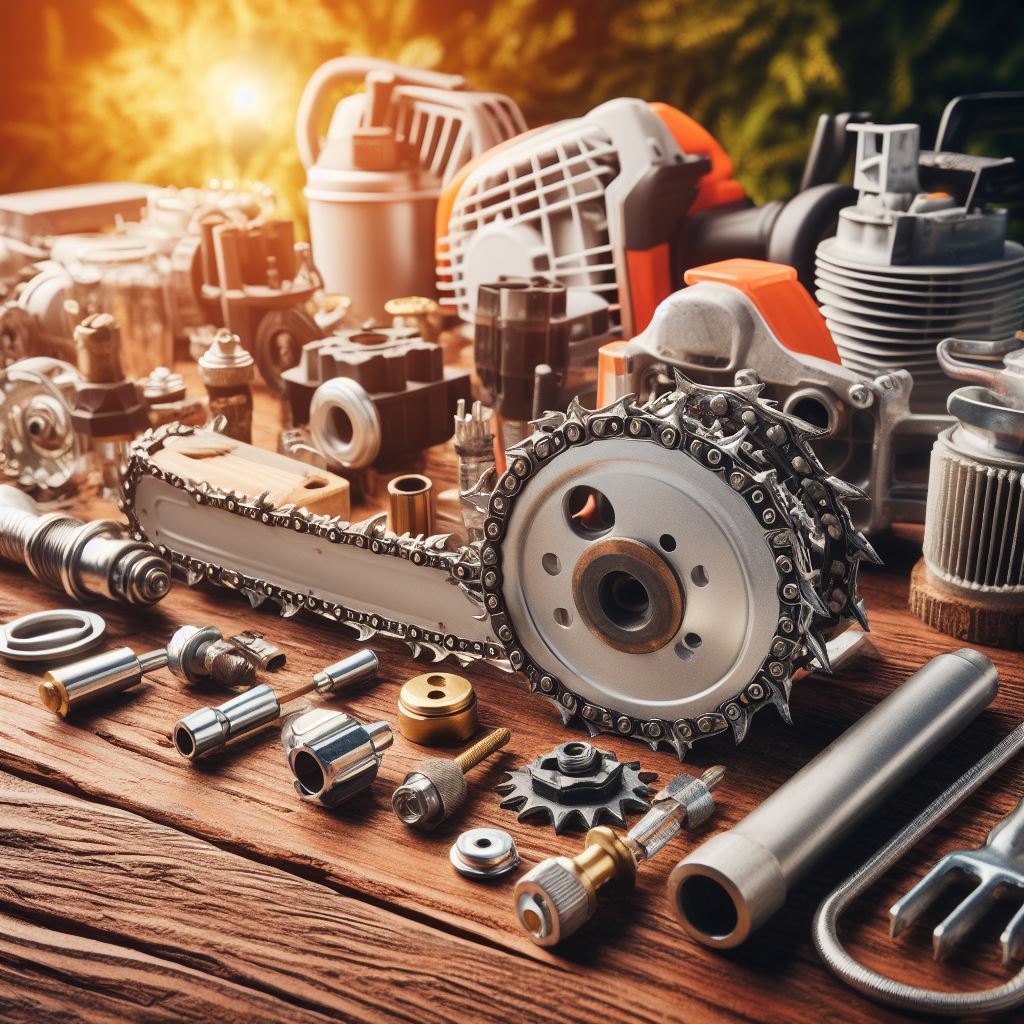
Suitable lubricants for pole saw gearboxes include bar and chain oil, SAE 30 motor oil, and specialized gearbox lubricants. Bar and chain oil provides excellent adhesion properties that prevent lubricant from flying off during high-speed operation. This tackiness helps maintain consistent lubrication even in challenging cutting conditions.
SAE 30 motor oil offers a more economical alternative, typically costing half the price of specialized oils. However, it requires more frequent application since it lacks the adhesive compounds found in bar and chain oil. Some manufacturers also produce synthetic gearbox oils specifically designed for pole saws, which offer superior temperature stability and longer service intervals.
How Often Should You Apply Oil to Pole Saw Gearboxes?
Oiling frequency depends on usage intensity and operating conditions. Light residential use typically requires oiling before each cutting session, while professional applications may need lubrication every few hours of operation. Heavy-duty cutting or dusty conditions increase the need for more frequent lubrication maintenance.
Regular inspection helps determine optimal oiling schedules for your specific situation. Check for oil leakage, unusual noise, or increased vibration during operation, as these indicate potential lubrication issues. Proper maintenance practices can be found in resources about sterilizing pruning saws between cuts, which covers comprehensive tool care procedures.
Essential Gearbox Maintenance Practices

Proper gearbox maintenance extends beyond simple lubrication to include regular cleaning and inspection. Remove accumulated debris, sawdust, and old oil buildup that can interfere with proper lubrication distribution. Cold weather conditions may require switching to lower-viscosity oils that flow better at reduced temperatures.
Maintenance schedules vary by manufacturer and model, so always consult your owner’s manual for specific recommendations. Professional maintenance becomes necessary when gearbox problems exceed basic lubrication issues. For additional guidance on blade maintenance, visit information about maintaining the curve of pruning saw blades for comprehensive tool care strategies.
- Reduces friction between moving metal components
- Prevents premature wear on gears and bearings
- Minimizes heat buildup during extended operation
- Creates protective barrier against moisture and corrosion
- Maintains smooth power transfer from motor to cutting head
- Reduces operational noise and vibration
- Extends overall tool lifespan and reliability
Can Standard Motor Oil Replace Specialized Gearbox Lubricants?
Car engine oil can work temporarily in pole saw gearboxes, but it’s not the optimal choice for long-term use. Engine oil lacks the adhesive properties that specialized gearbox oils provide for power tools, leading to more frequent lubrication needs and potential performance issues over time.
The viscosity characteristics of automotive oil differ from what pole saw gearboxes require. While it won’t cause immediate damage, regular use of engine oil may result in increased wear, higher operating temperatures, and reduced cutting efficiency. Manufacturers design their tools around specific lubricant properties, making specialized oils the better long-term investment despite higher initial costs.
What Indicates Insufficient Gearbox Lubrication?
Signs of poor lubrication include excessive noise during operation, indicating that metal components aren’t sliding smoothly against each other. Increased heat generation becomes noticeable during use, often accompanied by unusual vibration patterns that weren’t present when the gearbox was properly maintained.
Performance degradation typically manifests as reduced cutting efficiency or difficulty maintaining consistent chain speed. Extended operation with insufficient lubrication can damage internal components, requiring costly repairs or complete gearbox replacement. Early detection through regular inspection prevents minor lubrication issues from becoming major mechanical problems.
How Do You Access Pole Saw Gearboxes for Maintenance?
Accessing the gearbox requires first disconnecting the power source for safety. Most pole saws feature a designated oiling port near the cutting head attachment point, typically marked with an oil symbol or covered by a removable cap. This access point allows direct application of lubricant to internal mechanisms.
Major manufacturers like Stihl and Husqvarna provide detailed maintenance instructions in their user manuals, including specific oiling procedures and recommended lubricant types. Additional maintenance guidance can be found in resources about using pruning saws on wet wood and determining the ideal length for pruning saws.
- Manufacturer-specified bar and chain oil for optimal performance
- High-quality SAE 30 motor oil as economical alternative
- Synthetic gearbox oil for extreme temperature conditions
- Biodegradable chainsaw oil for environmentally conscious users
- Multi-grade oils for variable temperature applications
- Specialty pole saw lubricants with enhanced adhesion properties
- Professional-grade oils designed for commercial cutting applications
Other Related Questions
- Can you use a reciprocating saw for tree pruning?
- What is the benefit of a variable speed reciprocating saw?
- Can a reciprocating saw cut through nails?
- How do you minimize vibration when using a reciprocating saw?
- How do you thread the blade on a scroll saw?
What Problems Result from Incorrect Gearbox Oil Selection?
Using inappropriate lubricants can cause premature component wear and reduced operational efficiency. Wrong oil viscosity may fail to provide adequate protection under load, while oils lacking proper adhesion properties get flung off moving parts during operation. These issues typically develop gradually, making them difficult to detect until significant damage occurs.
Overheating represents another consequence of improper lubrication choices. Inadequate heat dissipation can warp metal components and damage seals, potentially leading to oil leaks and contamination. Such problems often require professional repair or complete gearbox replacement, making proper lubricant selection crucial for long-term tool reliability. Understanding how to change stroke length on reciprocating saws provides additional insight into proper tool maintenance practices.
Does Grease Work as Gearbox Oil Replacement?
Grease isn’t suitable for pole saw gearboxes due to flow characteristics that differ significantly from oil. Gearboxes require lubricants that can circulate freely and reach all moving components, while grease tends to stay where applied and may not distribute properly throughout the mechanism.
The thick consistency of grease can also trap heat, potentially causing overheating issues during extended operation. Manufacturers design gearboxes with specific oil clearances and flow patterns that grease cannot accommodate effectively. Following proper pruning saw angle techniques includes understanding why different lubricants suit different mechanical applications.
Is Regular Oil Changing Required for Pole Saw Gearboxes?
Regular oil changes help maintain optimal gearbox performance by removing contaminated lubricant and replacing it with fresh oil. Over time, oil accumulates metal particles, sawdust, and moisture that reduce its lubricating effectiveness. The contamination can actually accelerate wear rather than prevent it.
Oil change intervals depend on usage frequency and operating conditions. Light residential use may require changes once or twice per season, while commercial applications typically need more frequent service. Contaminated oil often appears darker or contains visible particles, providing visual cues for when replacement becomes necessary.
What Specific Oil Types Deliver Best Gearbox Performance?
Bar and chain oil remains the top choice for most applications due to its specialized formulation that includes tackifiers for superior adhesion. This oil type maintains its lubricating properties across wide temperature ranges and resists being thrown off by centrifugal forces during high-speed operation.
For users seeking alternatives, high-quality SAE 30 motor oil provides adequate protection at lower cost, though it requires more frequent application. Some manufacturers offer synthetic blends that combine the benefits of both approaches, providing enhanced temperature stability and extended service intervals while maintaining good adhesion characteristics. Selecting the right table saw for precision cutting involves similar considerations about matching tool specifications to intended applications.