Enhancing your scroll saw skills and techniques involves mastering advanced methods, delicate cuts, and proper tool maintenance. By focusing on these areas, DIY home improvement fans can create more intricate and detailed designs.
Table of Contents
- Learn advanced scroll saw techniques for intricate designs.
- Mastering the art of delicate curves and angles
- Explore scroll saw jig and pattern making techniques.
- Ensuring optimal blade performance for quality cuts
- Discover tips for improving scroll saw cutting accuracy.
- Crafting custom templates for superior results
- Learn about scroll saw maintenance and troubleshooting.
- What are the best practices for steady hands?
- Find guidance on scroll saw project planning and execution
- How frequently should you lubricate the saw?
- What steps are involved in planning a scroll saw project?
- What are the stages of a successful project timeline?
Learn advanced scroll saw techniques for intricate designs.
Advanced scroll saw techniques for creating detailed patterns include stack cutting, inlay work, and fretwork. Improving scroll saw skills for intricate cuts involves practicing on scrap wood and gradually working up to more complex designs. Tools like magnifying lights and precision blades enhance accuracy in scroll saw designs. Specific types of wood, such as Baltic birch plywood and hard maple, are ideal for intricate scroll saw projects due to their fine grain and stability.
Mastering the art of delicate curves and angles
Setting the blade at a 0 to 2-degree angle is ideal for tight curves. For delicate scroll saw projects, using wood with a minimum thickness of 1/8 inch is recommended. The best types of blades for intricate designs include reverse tooth, spiral, and ultra-fine blades. An ideal speed setting for cutting detailed patterns is between 800 to 1,500 strokes per minute.
Understand the importance of proper blade tension and alignment.
Explore scroll saw jig and pattern making techniques.
Correctly setting blade tension on a scroll saw involves tightening until the blade produces a clear, high-pitched sound when plucked. Signs of improper blade alignment include uneven cuts and increased blade breakage. Blade tension affects the quality of cuts by ensuring smooth and accurate lines. Tools needed to check and adjust blade alignment include a tension gauge and an alignment jig.
Ensuring optimal blade performance for quality cuts
Applying 15 to 20 pounds of tension to the blade ensures optimal performance. The maximum deviation allowed for blade alignment is 0.005 inches. Blade tension should be checked at least once every hour during a project. The recommended frequency for checking blade alignment is before starting each new project or after changing the blade.
- Create intricate designs easily
- Enhance your woodworking projects
- Improve your hand-eye coordination
- Use tools like the DeWalt Scroll Saw
- Craft personalized gifts
- Boost your creativity
- Reduce project time with practice
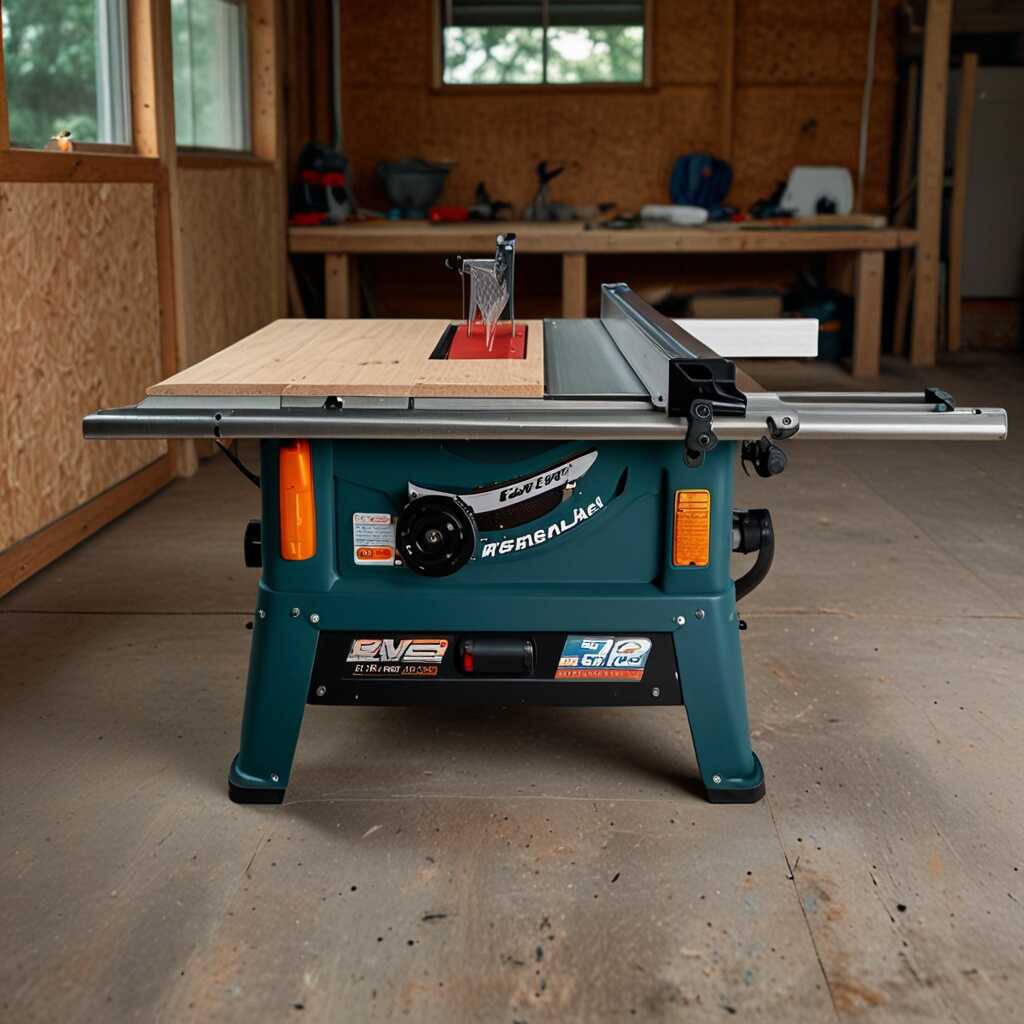
Discover tips for improving scroll saw cutting accuracy.
Using jigs in scroll saw projects offers the benefit of increased precision and consistency in cuts. Custom patterns for scroll saw work can be created by tracing designs onto paper and attaching them to the material with adhesive spray. The best materials for making scroll saw jigs include plywood and MDF due to their sturdy nature and ease of cutting. Jigs can improve the accuracy of scroll saw cuts by providing a stable guide for the blade, reducing the chance for error.
Crafting custom templates for superior results
Creating a custom jig involves four steps: designing the pattern, transferring the design to the jig material, cutting out the jig, and testing the fit. The ideal thickness for jig material is 1/4 inch to ensure stability without being too bulky. Common types of jigs used in scroll saw projects include guide jigs, angle jigs, and pattern jigs. The average time to design and make a custom pattern is approximately one hour, depending on complexity.
Learn about scroll saw maintenance and troubleshooting.
Techniques that help achieve more accurate cuts on a scroll saw include using a sharp blade, maintaining a steady hand, and securing the material firmly. The choice of blade affects cutting precision, with finer blades offering smoother cuts and coarser blades providing faster cuts. Common mistakes that lead to inaccurate cuts include using dull blades, applying too much pressure, and not securing the material properly. Maintaining accuracy when cutting complex patterns can be achieved by using quality blades like those from Olson Saw and taking breaks to reduce fatigue.
What are the best practices for steady hands?
Practicing for 15 minutes a day can significantly improve hand steadiness for scroll saw users. The ideal grip pressure for steady cutting is firm but not tight, allowing for control without causing strain. There are three types of hand exercises that benefit scroll saw users: finger stretches, grip strengthening, and wrist rotations. The recommended duration for breaks to maintain accuracy is every 30 minutes to prevent hand fatigue and ensure consistent performance.
- Scroll saw blades can cut wood up to 2 inches thick
- Average speed of a scroll saw is 1,500 strokes per minute
- There are over 50 different types of blades
- Popular brands include Delta and Jet
- Scroll saws can make cuts as small as 1/16 inch
- Most scroll saws have a table tilt of 45 degrees
- Scroll saws weigh around 25 to 50 pounds

Find guidance on scroll saw project planning and execution
From my experience, essential maintenance tasks for a scroll saw include cleaning the blade, checking the tension, and inspecting the motor. Cleaning the blade after every use can prevent buildup. Troubleshooting common scroll saw problems often involves checking the blade alignment and ensuring the table is flat. Misalignment can lead to uneven cuts. Signs that a scroll saw needs maintenance include unusual noises, inconsistent cuts, and overheating. Frequent overheating can damage the motor. Routine maintenance on a scroll saw should be performed every 20 hours of use to ensure optimal performance.
How frequently should you lubricate the saw?
Lubrication is needed every 10 hours of use to maintain optimal performance. The recommended amount of lubricant per application is a few drops to avoid excess buildup. There are typically two types of lubricants suitable for scroll saws: silicone-based and oil-based. The average time to complete a lubrication process is around 5 minutes, making it a quick and easy task.
What steps are involved in planning a scroll saw project?
Planning a scroll saw project involves several steps, beginning with selecting a design and gathering materials. Choosing the right materials for a scroll saw project depends on the type of wood or material being cut; hardwoods like oak and maple are popular choices. Key factors in executing a successful scroll saw project include precise measurements, proper blade selection, and maintaining a steady hand. Ensuring safety while working on scroll saw projects involves wearing safety glasses, securing loose clothing, and keeping fingers away from the blade.
What are the stages of a successful project timeline?
A typical project timeline has four stages: planning, cutting, assembling, and finishing. The average duration for each stage of a scroll saw project is around 2-3 hours, depending on complexity. For a beginner project, typically 3-5 materials are needed, including wood, a pattern, and finishing supplies. The ideal time allocation for project planning is about 30 minutes to ensure all details are covered.