Table of Contents
- What type of blade is best for cutting laminate using a circular saw?
- How many teeth should a blade have for cutting laminate?
- What are the risks of using the wrong blade for cutting laminate?
- How do you cut metal sheets with a bandsaw?
- Can you use a general-purpose blade for cutting laminate?
- What is the ideal speed for cutting laminate with a circular saw?
- How do you prevent chipping when cutting laminate?
- Is a carbide-tipped blade suitable for cutting laminate?
- What kind of blade should be used to cut laminate with a circular saw?
Cutting laminate with a circular saw requires a carbide-tipped blade with 60-80 teeth for clean, chip-free cuts. The best choice is a TCT (Tungsten Carbide Tipped) blade featuring triple chip tooth configuration, which prevents surface damage while maintaining blade longevity. These specialized blades typically cost between $30-100 depending on quality and diameter.
Laminate cutting success depends heavily on blade selection because laminate’s composite structure demands specific cutting characteristics. A proper laminate blade works by alternating between chamfered teeth that score the material and flat teeth that clear debris. This design, combined with carbide tips that stay sharp longer than steel, enables smooth cuts through both the decorative surface layer and dense core material.
Essential Blade Features for Laminate Cutting
The ideal laminate cutting blade combines several critical features that work together. High tooth count (60-80 teeth) creates more cutting points per rotation, reducing chip-out potential. Negative or low hook angles (typically -5° to 5°) prevent aggressive feeding that causes splintering. Thin kerf designs minimize material waste while reducing cutting resistance.
Professional contractors often prefer blades from manufacturers like Freud, Diablo, or DeWalt specifically marketed for laminate. These blades incorporate expansion slots that prevent warping during extended use. The investment in a quality blade pays off through cleaner cuts requiring less edge finishing work.
What type of blade is best for cutting laminate using a circular saw?

The best blade type for cutting laminate is a TCT (Tungsten Carbide Tipped) blade with triple chip grind (TCG) tooth configuration. This specialized design features teeth that alternate between chamfered and flat profiles, which work together to score and clear material efficiently. TCT blades excel because carbide maintains sharpness significantly longer than standard steel when cutting abrasive laminate materials.
Blade diameter matters considerably for cut quality. Most professionals use 7¼-inch or 10-inch blades, with larger diameters producing smoother cuts due to reduced tooth arc through the material. The TCG configuration specifically addresses laminate’s tendency to chip by having angled teeth that slice cleanly through the decorative layer before flat teeth remove the core material.
Understanding Laminate Blade Costs and Value
Quality laminate blades range from $30 for basic models to $100+ for premium options. Entry-level blades suit occasional DIY projects, while professional-grade blades justify their higher cost through extended lifespan and superior cut quality. Mid-range options around $50-70 often provide the best value for regular users.
Blade longevity varies based on usage frequency and laminate type. A quality carbide blade typically cuts 500-1000 linear feet of laminate before requiring sharpening. This comprehensive circular saw comparison guide helps match blade investments to your specific project needs.
How many teeth should a blade have for cutting laminate?
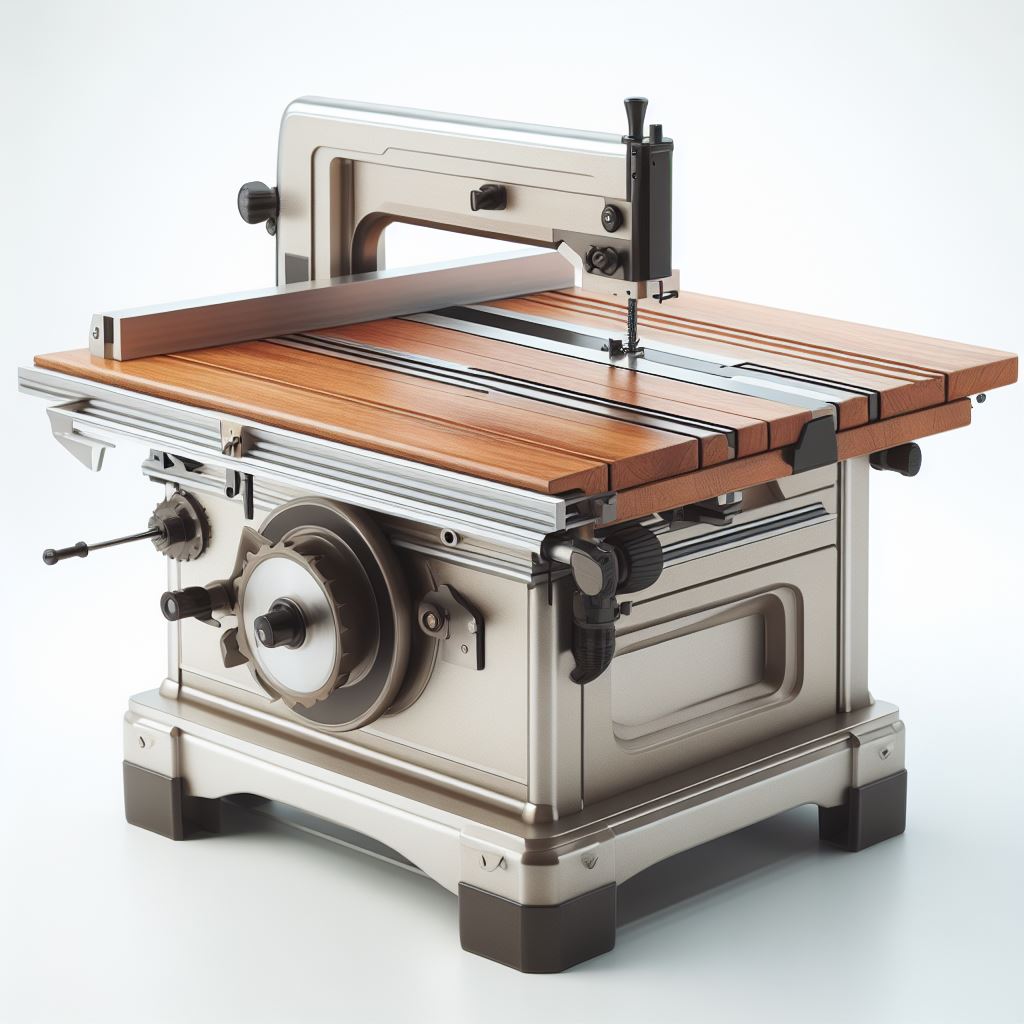
Laminate cutting blades should have between 60-80 teeth for optimal results. This high tooth count ensures multiple cutting points engage the material simultaneously, distributing cutting forces and minimizing chip-out risk. Blades with 80 teeth deliver the smoothest cuts but generate more heat, while 60-tooth options balance cut quality with faster feed rates.
Tooth count directly affects cut quality through the relationship between teeth, gullet size, and chip evacuation. Higher tooth counts mean smaller gullets (spaces between teeth), which limits chip removal capacity. This trade-off works well for laminate because the material produces fine chips rather than large shavings. However, users must maintain steady, moderate feed rates to prevent overheating.
Alternative Blade Options for Different Laminate Types
While TCT blades with high tooth counts remain standard, certain situations benefit from alternatives. Melamine-faced particle board cuts well with 96-tooth melamine blades featuring special tooth geometry. Thick countertop laminates may require 40-60 tooth combination blades that balance aggressive cutting with acceptable finish quality.
Some manufacturers offer specialized coatings like PTFE or titanium nitride that reduce friction and heat buildup. These coatings particularly benefit users cutting large volumes of laminate, though they add $10-20 to blade cost. Consider your project scope when evaluating these premium features.
- Avoid using a blade with large teeth as it can cause splintering and chipping on the laminate surface.
- Choose a fine-toothed blade to ensure clean and precise cuts on the laminate material.
- Opt for a carbide-tipped blade that offers durability and longevity.
- Consider a blade specifically designed for laminate cutting, featuring a low tooth count and special anti-kickback design.
- Select a blade with a smaller diameter to reduce the chance of blade flexing or wandering during cutting.
- A blade with a thin kerf delivers smoother cuts with minimal waste material.
- Look for a blade that provides efficient chip removal to prevent overheating and prolong the blade’s lifespan.
What are the risks of using the wrong blade for cutting laminate?

Using the wrong blade when cutting laminate with a circular saw creates multiple risks including severe chipping, splintering, and potentially dangerous kickback. General-purpose blades with aggressive tooth angles grab laminate unpredictably, causing the saw to jump or bind. This not only ruins the workpiece but poses serious safety hazards to operators.
Material damage from incorrect blades extends beyond visible chipping. Wrong blade choices can delaminate edges, creating weak spots that fail over time. Excessive heat from inappropriate blades melts adhesives in the laminate structure, causing bubbling or separation. Additionally, using coarse blades accelerates wear on both the blade and saw motor, increasing long-term costs.
Common Blade Selection Mistakes to Avoid
Many users mistakenly choose rip blades designed for lumber, which feature large teeth and aggressive angles unsuitable for laminate. These blades tear through laminate’s surface layer rather than cutting cleanly. Another common error involves using dull blades, which generate excessive heat and pressure that damages both material and tool.
Blade arbor size compatibility often gets overlooked, leading to dangerous wobbling or complete mounting failure. Always verify your saw’s arbor size (typically ⅝” or 1″) matches the blade bore. Using adapters compromises safety and cut quality, making proper blade selection essential from the start.
How do you cut metal sheets with a bandsaw?
Cutting metal sheets with a bandsaw requires specific preparation and technique for safe, accurate results. Start by selecting a bi-metal blade with 14-24 teeth per inch (TPI), depending on metal thickness. Thinner metals need higher TPI for clean cuts, while thicker materials require fewer teeth to clear chips effectively.
Proper setup involves adjusting blade tension according to manufacturer specifications and setting appropriate speed. Most metal cutting happens at 100-300 feet per minute, much slower than wood cutting speeds. Apply cutting fluid continuously to reduce heat and extend blade life. Leading manufacturers like Lenox and DeWalt offer specialized metal cutting fluids that significantly improve cut quality and blade longevity.
Can you use a general-purpose blade for cutting laminate?
General-purpose blades can technically cut laminate but produce inferior results compared to specialized blades. These multi-use blades typically feature 40-50 teeth with moderate hook angles designed for versatility rather than precision. While they’ll complete the cut, expect increased chipping, rougher edges, and potential burning from inadequate chip clearance.
The decision to use general-purpose blades depends on project requirements and frequency. Occasional small cuts for non-visible areas might tolerate lower quality results. However, visible edges, countertops, or any professional work demands proper laminate blades. The modest additional cost of specialized blades (typically $10-30 more) prevents material waste and rework time.
When General-Purpose Blades Become Acceptable
Certain scenarios make general-purpose blade use more reasonable. Rough cutting oversized pieces before final trimming reduces precision requirements. Demolition work where finish quality doesn’t matter allows any blade choice. Emergency situations lacking proper blades might necessitate careful use of available options.
If forced to use general-purpose blades, minimize damage through technique adjustments. Apply masking tape along cut lines, maintain very slow feed rates, and support material fully to prevent vibration. These professional table saw techniques help compensate for blade limitations.
- Ensure the blade has the appropriate arbor size and is compatible with your circular saw.
- Check the RPM rating of the blade to ensure it matches the operating speed of your circular saw.
- Consider the thickness of the laminate material and select a blade with the appropriate cutting depth capacity.
- If the laminate material is prone to chipping or splintering, consider using a blade with a specialized tooth geometry.
- Some blades come with coatings such as PTFE or Teflon, which reduce friction and provide smoother cuts.
- Choose a blade that offers easy replacement and compatibility with your circular saw’s blade changing mechanism.
- Consider the overall cost-effectiveness of the blade, balancing its quality, durability, and price.
Other Related Questions
- When should you use a crosscut handsaw instead of a rip handsaw?
- How do you attach a hole saw to a drill?
- What material is best for a hole saw used in masonry?
- How do you prevent overheating when using a hole saw?
- Can a hole saw be used to cut a square hole?
What is the ideal speed for cutting laminate with a circular saw?
The ideal speed for cutting laminate with a circular saw ranges between 3,000-4,000 RPM, which balances cutting efficiency with heat management. This moderate speed allows carbide teeth to slice cleanly through laminate layers without generating excessive friction. Most 7¼-inch circular saws naturally operate within this range, making them well-suited for laminate work.
Speed requirements vary based on laminate thickness and density. Thin decorative laminates cut well at higher speeds approaching 4,000 RPM, while thick countertop materials benefit from slower speeds around 3,000 RPM. Maintaining consistent feed rate matters more than exact RPM, as erratic movement causes more damage than slightly suboptimal speeds.
Optimizing Cutting Speed for Different Projects
Professional installers adjust technique based on specific laminate types. High-pressure laminates (HPL) used in commercial settings withstand slightly higher speeds due to their denser composition. Conversely, economy laminates with thinner wear layers require reduced speeds to prevent delamination. Variable-speed saws offer advantages for shops handling diverse materials.
Heat buildup remains the primary concern when selecting cutting speeds. Signs of excessive speed include burn marks, melted edges, or acrid smells during cutting. If these occur, reduce speed incrementally until achieving clean cuts. Modern saws with electronic speed control maintain optimal RPM under load better than older models.
How do you prevent chipping when cutting laminate?
Preventing chips when cutting laminate with a circular saw requires combining proper blade selection with proven techniques. Apply high-quality masking tape along cut lines, pressing firmly to ensure complete adhesion. This tape supports the decorative surface during cutting, significantly reducing chip-out. Blue painter’s tape works adequately, though specialized laminators’ tape provides superior results.
Cutting direction dramatically affects chip formation. Always cut with the decorative face down when using circular saws, as blade rotation pulls chips toward the bottom surface. For visible edges requiring face-up cutting, use a scoring knife to pre-cut the decorative layer before sawing. This two-step process takes extra time but virtually eliminates visible chipping.
Advanced Chip Prevention Strategies
Zero-clearance inserts or backing boards provide additional support during cuts. Place a sacrificial piece of plywood beneath laminate sheets, allowing the blade to exit into supportive material rather than open air. This technique works particularly well for cross-cuts where unsupported edges typically chip badly.
Proper blade maintenance plays a crucial role in chip prevention. Dull or dirty blades tear rather than slice, exponentially increasing chip risk. This guide on cleaning rust off handsaw blades offers maintenance principles applicable to circular saw blades. Regular cleaning with blade-specific solvents removes pitch buildup that degrades cut quality.
Is a carbide-tipped blade suitable for cutting laminate?
Carbide-tipped blades are not just suitable but represent the optimal choice for cutting laminate with a circular saw. Carbide’s exceptional hardness maintains sharp cutting edges far longer than steel when encountering laminate’s abrasive resins and fillers. This durability translates to consistently clean cuts throughout the blade’s extended service life.
The superiority of carbide becomes evident through performance metrics. While steel blades might manage 50-100 linear feet before degrading, quality carbide blades cut 500-1000 feet before requiring service. This 10-fold improvement in longevity, combined with superior cut quality, justifies the typical 2-3x price premium for carbide blades.
Maximizing Carbide Blade Performance
Different carbide grades suit various applications. C-3 grade carbide works well for occasional use, while C-4 grade provides maximum durability for production environments. Premium blades often feature micro-grain carbide that accepts sharper grinding angles, producing exceptionally smooth cuts in delicate laminates.
Proper handling extends carbide blade life significantly. Avoid dropping blades or allowing teeth to contact metal surfaces, as carbide’s hardness comes with brittleness. Store blades in protective cases or hang them to prevent tooth damage. When transporting, use blade guards to prevent costly chip damage to carbide tips.
What kind of blade should be used to cut laminate with a circular saw?
The optimal blade for cutting laminate with a circular saw combines carbide-tipped teeth, high tooth count (60-80 teeth), and specialized geometry designed for composite materials. These blades, often labeled as “laminate/melamine” or “fine finish” blades, feature triple chip grind (TCG) or alternate top bevel (ATB) tooth configurations that slice cleanly through laminate’s layered structure.
Selection considerations extend beyond basic specifications. Quality manufacturers engineer laminate blades with specific features like negative hook angles to reduce grabbing, anti-vibration slots to minimize chatter, and special carbide formulations resisting the abrasive nature of laminate materials. These design elements work synergistically to produce chip-free cuts while maintaining blade longevity.
Making the Final Blade Selection
Professional recommendations favor established brands like Freud, Forrest, or Amana for critical laminate work. These manufacturers offer application-specific blades incorporating decades of refinement. While budget options exist, the difference in cut quality and blade life typically justifies investing in professional-grade tools for any significant laminate project.
Consider your specific needs when making final selections. Contractors cutting various materials benefit from combination blades offering good laminate performance with broader versatility. Dedicated cabinet shops might invest in specialized laminate blades optimized for their primary material. This comprehensive handsaw type guide illustrates how specialized tools enhance specific applications, a principle equally applicable to circular saw blade selection.