- What materials are not suitable for a band saw?
- Can you cut rubber with a band saw?
- What materials should you avoid cutting with a band saw?
- What happens if you cut inappropriate materials?
- Are there blades designed for specific materials?
- Can you cut food items with a band saw?
- What Are The Safety Risks of Cutting the Wrong Materials?
- Is It Safe To Cut Wet Wood With A Band Saw?
- What Materials Can Dull The Blade Quickly?
- What materials should you avoid cutting with a band saw?
Band saws cannot safely cut hardened steel, tempered glass, ceramics, concrete, stone, or materials containing metal objects like nails. These materials will damage your blade, overheat the motor, and create dangerous flying debris that poses serious injury risks.
Understanding material compatibility is crucial for band saw operation. While these power tools excel at cutting wood, plastics, and soft metals, using them on inappropriate materials leads to equipment failure and safety hazards. The wrong material choice can cost thousands in repairs and cause workplace accidents.
What materials are not suitable for a band saw?
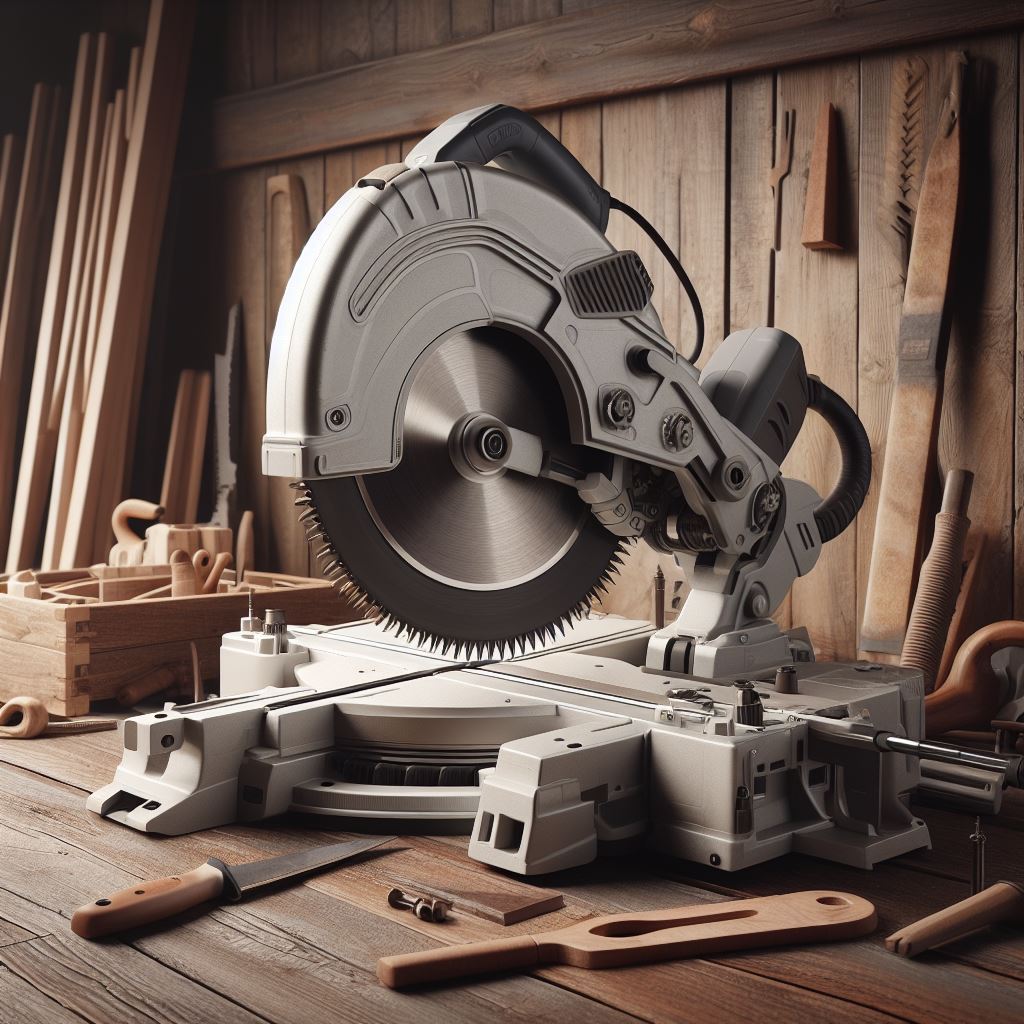
The most dangerous materials for band saw cutting include hardened steel, which will snap blade teeth instantly, and tempered glass, which shatters unpredictably. Ceramics and porcelain create similar hazards, combining extreme hardness with brittle failure patterns. These materials require specialized cutting equipment designed for their unique properties.
Concrete and masonry materials contain abrasive particles that destroy band saw blades within minutes. The combination of hardness and grit acts like sandpaper on blade teeth, generating excessive heat and dulling cutting edges rapidly. Stone materials present identical challenges, making them completely unsuitable for band saw use.
Materials with irregular surfaces or embedded objects pose additional risks. Reclaimed wood often contains hidden nails, screws, or metal brackets that damage blades unexpectedly. Composite materials like fiberglass-reinforced plastics can snag blades due to their internal fiber structure, potentially causing kickback or blade breakage.
Can you cut rubber with a band saw?

Rubber materials can be cut successfully with proper technique and blade selection. The key is reducing blade speed to prevent friction heating, which causes rubber to melt and gum up the blade. Most band saws allow speed adjustment through pulley changes or variable speed controls.
Thin rubber sheets under half an inch cut easily with standard blades. Thicker rubber requires specialized blades with fewer teeth per inch and wider gullets to clear material effectively. Semi-rigid rubbers and elastomers generally cut cleaner than soft, flexible rubber compounds. For comprehensive tool comparison insights, explore circular saw review comparisons that help identify cutting capabilities.
Success with rubber cutting depends on material temperature and blade sharpness. Cold rubber cuts cleaner than warm material, so refrigerating thick pieces before cutting improves results. Using cutting lubricants or soapy water reduces friction and prevents material buildup on blade teeth.
What materials should you avoid cutting with a band saw?
Beyond obviously hard materials, several surprising substances damage band saws. Pressure-treated lumber contains chemicals and moisture that corrode blades and create toxic dust. Wet or green wood causes similar problems, combining difficult cutting with rapid blade deterioration.
Metal-filled plastics and carbon fiber composites represent modern materials that destroy standard blades. These engineered materials combine the worst aspects of both components – the hardness of embedded particles with the melting tendency of plastic matrices. Even materials marketed as “machinable” often require specialized tooling beyond standard band saw capabilities.
- Concrete: Hard and abrasive, it can damage the blade and cause it to wear out quickly.
- Hardened Steel: The tough nature of this material can easily break the teeth of the band saw blade.
- Stone: The density and hardness of stones can result in severe blade wear and tear.
- Reinforced Plastics: The strong fibers in these plastics can snag the blade, leading to potential accidents.
- Masonry: The high density and abrasive nature of masonry can quickly dull and damage the blade.
- Bone: The hard and unpredictable nature of bone can cause the blade to snap, posing a risk to the user.
- Metallic Objects: Nails, screws, and other metal objects can severely damage the blade, impacting its efficiency and lifespan.
What happens if you cut inappropriate materials?
Immediate Equipment Damage
Cutting inappropriate materials causes immediate blade damage, starting with dulled teeth and progressing to complete tooth loss. Hard materials like steel strip teeth instantly, while abrasive materials wear them down gradually. Both scenarios render the blade useless and require replacement.
Motor damage follows blade failure as the saw struggles against impossible materials. Overheating occurs within minutes, potentially burning out motor windings permanently. The additional strain on drive components causes belt slippage, bearing wear, and alignment problems throughout the saw mechanism. Learn about safely storing your chainsaw in winter to maintain optimal performance and avoid similar equipment damage.
Beyond immediate damage, cutting wrong materials creates lasting problems. Blade guides wear prematurely from excessive vibration and heat. The saw frame itself can develop stress cracks from repeated abuse. These issues compound over time, eventually requiring complete saw replacement rather than simple repairs.
Are there blades designed for specific materials?
Band saw blade design varies dramatically based on intended materials. Wood-cutting blades feature large teeth with deep gullets for chip clearance, while metal-cutting blades have fine teeth for smooth cuts. The tooth geometry, set pattern, and blade material all match specific cutting requirements.
Major manufacturers like DeWalt and Makita produce specialized blades for distinct applications. Bi-metal blades combine flexible backs with hard tooth edges for versatility. Carbide-tipped blades handle abrasive materials better than standard steel. Variable tooth patterns reduce vibration when cutting mixed materials.
Metal-cutting blades require different characteristics than wood blades. They typically run at slower speeds with cutting fluid for heat dissipation. The teeth per inch (TPI) ranges from 10-24 for metals, compared to 3-6 TPI for wood. Plastic cutting demands yet another approach, with modified tooth geometry preventing material melting.
Can you cut food items with a band saw?
Specialized meat-cutting band saws serve commercial kitchens and butcher shops effectively. These food-grade saws feature stainless steel construction, easy-clean designs, and comply with health regulations. The blades use different steel alloys safe for food contact and resist corrosion from meat acids and cleaning chemicals.
Cross-contamination represents the primary concern when considering band saws for food. A saw used for wood or metal must never cut food items due to embedded particles and lubricants. Even thorough cleaning cannot remove microscopic contaminants from porous surfaces. The mechanism explained in this guide about chain brake purposes on chainsaws parallels food-grade band saw safety features.
Commercial food-cutting band saws meet strict sanitation requirements including washdown capability with high-temperature water. The entire cutting area disassembles for cleaning, preventing bacterial growth in hidden spaces. These features make food-specific saws unsuitable for other materials, as industrial use would contaminate food-contact surfaces.
- PVC: Cutting PVC releases toxic fumes that can be harmful to both humans and the environment.
- Asbestos: This hazardous material should never be cut as it can release harmful fibers into the air.
- Fiberglass: Similar to asbestos, cutting fiberglass can release fine particles that may cause respiratory issues.
- Vinyl: When cut, vinyl can emit toxic fumes that can be irritating and harmful if inhaled.
- Chemically Treated Wood: Cutting wood that has been chemically treated can release hazardous substances into the air.
- Rubber: The combustion byproducts of cutting rubber can be toxic and pose health risks.
- Formaldehyde-Based Products: Cutting materials with formaldehyde can release fumes that are respiratory irritants.
Other Related Questions
- Can a circular saw be used for plunge cuts?
- What kind of blade should be used to cut laminate with a circular saw?
- What is the difference between a sidewinder and a worm drive circular saw?
- How do you prevent kickback when using a circular saw?
- Can you sharpen a handsaw with a file?
What Are The Safety Risks of Cutting the Wrong Materials?
Cutting inappropriate materials creates multiple injury risks beyond normal band saw operation. Blade breakage sends metal fragments flying at high speed, potentially causing severe lacerations or eye injuries. The unpredictable nature of material failure means standard safety equipment may prove insufficient.
Kickback represents another serious hazard when cutting unsuitable materials. Hard spots or material inconsistencies grab the blade, violently ejecting the workpiece toward the operator. This differs from normal wood kickback due to increased forces involved. Understanding proper maintenance procedures like spark plug replacement helps ensure all safety systems function correctly.
Many inappropriate materials create toxic dust or fumes when cut. Pressure-treated wood releases arsenic compounds, while plastics emit harmful vapors. Standard dust collection systems cannot handle these hazardous materials safely, exposing operators to long-term health risks through inhalation or skin contact.
Is It Safe To Cut Wet Wood With A Band Saw?
Wet wood presents multiple challenges for band saw operation, though not as severe as cutting metal or stone. The moisture content increases cutting resistance significantly, requiring more power and generating excessive heat. This combination accelerates blade dulling and increases motor strain beyond design parameters.
Blade life decreases dramatically when cutting wet wood regularly. The moisture causes rapid corrosion of blade teeth, while the increased cutting forces accelerate mechanical wear. Additionally, wet sawdust clogs dust collection systems and creates slip hazards around the saw. For detailed cutting comparisons, review comprehensive table saw analysis for understanding material limitations.
If wet wood cutting becomes necessary, specific precautions improve results. Using corrosion-resistant blades extends cutting life, while reduced feed rates prevent overloading. Regular blade cleaning removes pitch buildup that accumulates faster with wet wood. However, air-drying lumber before cutting remains the best practice for quality results and equipment longevity.
What Materials Can Dull The Blade Quickly?
Certain materials dull band saw blades rapidly through different mechanisms. Abrasive materials like dirty wood or composites contain particles that grind away tooth sharpness. Dense hardwoods such as oak, hickory, and tropical species require more cutting force, accelerating normal wear patterns.
Non-ferrous metals including aluminum, brass, and copper present unique challenges. These materials tend to load up on blade teeth, creating friction and heat that destroys tooth geometry. Unlike steel cutting, where chips clear easily, soft metals adhere to cutting surfaces. This material buildup eventually prevents effective cutting entirely.
Proper material handling significantly extends blade life even with challenging materials. Using appropriate cutting speeds for each material type prevents overheating and premature wear. Lubrication systems help with metal cutting, while proper blade tension ensures straight cuts that reduce lateral stress on teeth.
What materials should you avoid cutting with a band saw?
Beyond the obvious hard materials, several categories demand complete avoidance. Any material containing silica, including sand-contaminated wood or composite decking, destroys blades through abrasion. Materials with unpredictable internal structure, such as railroad ties or telephone poles, hide metal fixtures and treatment chemicals.
Temperature-sensitive materials pose different risks. Thermoplastics melt during cutting, coating blades with material that’s nearly impossible to remove. Some foam plastics release toxic gases when heated by friction. Understanding proper depth settings for cutting tools helps optimize performance while avoiding material damage.
Before cutting any unfamiliar material, assess its suitability carefully. Check hardness by attempting to scratch the surface with a knife. Examine for embedded objects using a metal detector on reclaimed materials. Consider the dust or fumes produced and whether your ventilation system can handle them safely. When in doubt, research specific material properties or consult blade manufacturers for recommendations.