- What is the average cutting capacity of a pole saw?
- How do you measure the cutting diameter of a pole saw?
- Can a pole saw cut through hardwood?
- How do you sharpen a pole saw blade?
- What is the smallest diameter a pole saw can cut?
- Are there specialized blades for different cutting diameters?
- What is the maximum cutting diameter for a typical pole saw?
- Is it safe to cut at the maximum diameter?
Pole saws typically cut branches up to 6-8 inches in diameter, though professional models reach 10 inches. Cutting diameter refers to the maximum branch thickness your pole saw can handle safely. Electric pole saws generally manage 4-6 inch branches, while gas-powered models tackle 6-10 inch limbs. Homeowners pruning fruit trees need smaller capacity than arborists.
Understanding Pole Saw Cutting Diameter Basics
Cutting diameter represents the thickest branch your pole saw can slice through effectively. This measurement directly impacts which pruning tasks you can accomplish. Manual pole saws handle branches up to 4 inches, electric models manage 4-6 inches, and gas-powered versions cut 6-10 inch limbs. Your specific needs determine the ideal cutting capacity.
The relationship between blade length and cutting diameter follows a general pattern. Longer blades typically allow larger cutting diameters, though motor power and chain speed also influence performance. Professional landscapers often choose models with 8-10 inch capacity for versatility, while homeowners find 6-inch capacity sufficient for most yard maintenance tasks.
What is the average cutting capacity of a pole saw?

The average cutting capacity ranges from 6-8 inches for most residential pole saws. This capacity suits typical pruning needs including storm damage cleanup, fruit tree maintenance, and general landscaping. Electric corded models average 5-6 inches, battery-powered units handle 4-6 inches, and gas models manage 7-8 inches on average.
Professional-grade pole saws push these averages higher, often reaching 10-12 inch capacities. However, cutting at maximum capacity requires more time and effort. Most users find working at 70-80% of maximum capacity provides the best balance of efficiency and safety. Consider your typical branch sizes when selecting appropriate cutting capacity.
Key Factors Affecting Pole Saw Performance
Motor power significantly influences cutting diameter capabilities. Gas engines producing 25-45cc displacement handle larger branches than 8-amp electric motors. Chain speed, measured in feet per second, determines how quickly the saw cuts through wood. Higher speeds generally mean cleaner cuts through larger diameters.
Bar length correlates with cutting capacity but isn’t the only factor. A 10-inch bar might handle 8-inch branches, leaving clearance for sawdust removal and blade movement. Chain quality affects performance too – sharp, properly tensioned chains cut larger diameters more efficiently than dull or loose chains.
How do you measure the cutting diameter of a pole saw?

Measuring cutting diameter involves checking your pole saw’s specifications and conducting practical tests. Manufacturers typically list maximum cutting diameter in product documentation. This specification represents ideal conditions with sharp chains and optimal power. Real-world capacity often falls slightly below advertised maximums.
For practical measurement, select branches of known diameter and test your saw’s performance. Start with smaller branches and work upward until cutting becomes laborious or unsafe. This hands-on approach reveals your specific model’s true capacity under your operating conditions. Consider factors like wood hardness, branch angle, and your physical capabilities when determining practical limits. For proper maintenance that ensures optimal cutting performance, explore guidance on storing a telescopic pole saw and applying oil to a pole saw gearbox.
- Entry-level electric pole saws handle branches up to 4-6 inches effectively.
- Mid-range gas pole saws manage 6-8 inch branches with proper technique.
- Professional pole saws with powerful engines cut through 8-10 inch limbs.
- Sharp chains and proper tension dramatically improve cutting efficiency.
- Optimal cutting angles between 45-60 degrees enhance performance.
- Telescoping poles reach higher branches without compromising cutting power.
- Regular maintenance ensures consistent cutting capacity over time.
Choosing the Right Cutting Capacity for Your Needs
Homeowners maintaining small ornamental trees rarely need more than 4-inch cutting capacity. This handles most pruning tasks including deadwood removal and shape maintenance. Electric pole saws in this range offer quiet operation and minimal maintenance, making them ideal for suburban settings.
Property owners with mature trees benefit from 6-8 inch cutting capacity. This range accommodates storm damage cleanup, major pruning projects, and tree removal preparation. Gas-powered models excel here, providing the power needed for tougher jobs while maintaining portability.
Professional arborists and landscapers require maximum versatility, typically choosing 8-10 inch capacity models. These powerful saws comparable to professional circular saws handle commercial projects efficiently. However, even professionals rarely cut at absolute maximum capacity, preferring to work within comfortable limits for safety and equipment longevity.
Can a pole saw cut through hardwood?
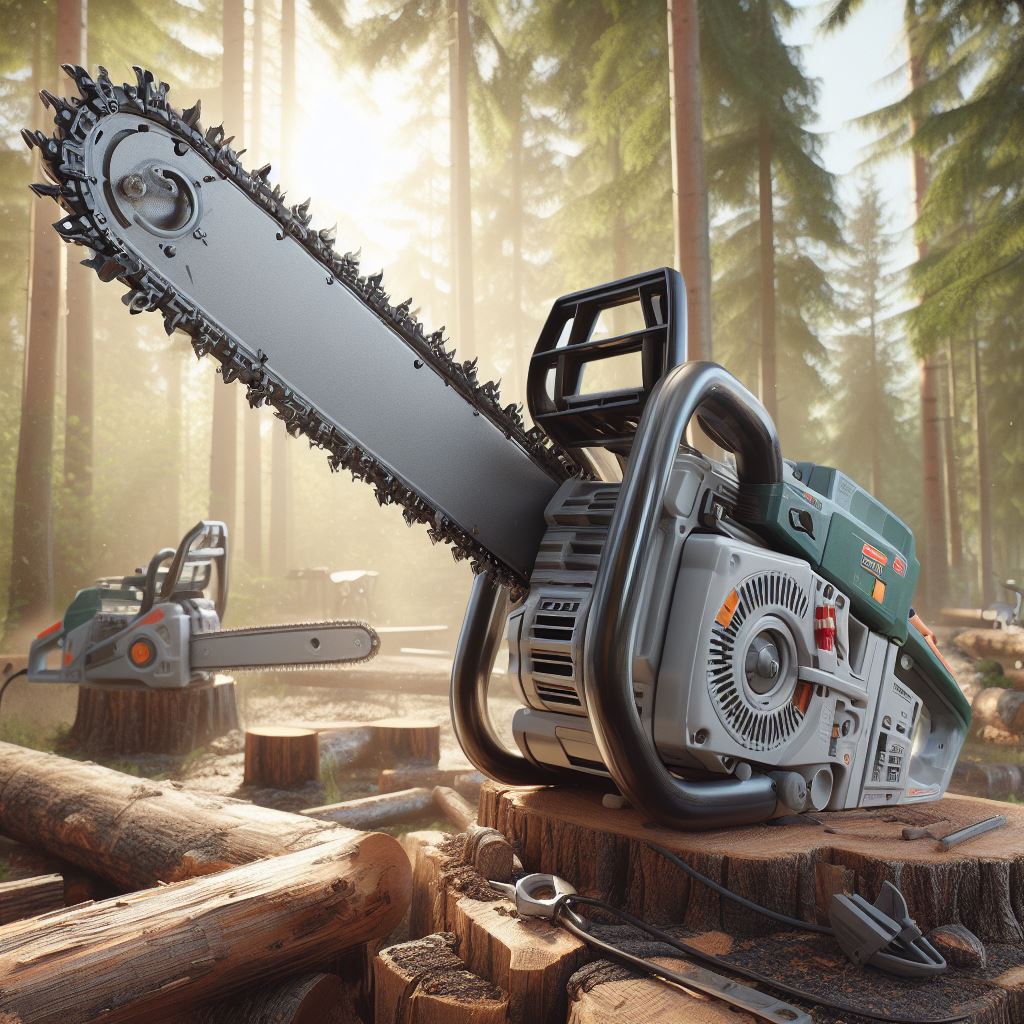
Pole saws effectively cut through hardwood branches when properly equipped and maintained. Hardwood species like oak, maple, and hickory require more cutting power than softwoods. Gas-powered pole saws handle hardwood best, especially models with displacement above 30cc and chain speeds exceeding 40 feet per second.
Success with hardwood depends on matching your equipment to the task. Sharp chains make the biggest difference – a sharp chain on a modest saw outperforms a powerful saw with a dull chain. Brands like Stihl and Black & Decker engineer their pole saws specifically for hardwood cutting challenges. Allow extra time when cutting hardwood and avoid forcing the saw through tough wood.
What factors affect the cutting diameter of a pole saw?
Multiple factors determine effective cutting diameter beyond simple blade length. Engine displacement or motor amperage provides the fundamental power needed to drive chains through wood. Gas engines from 25-45cc or electric motors from 6-9 amps represent typical power ranges. Chain design, including tooth configuration and pitch, influences how aggressively the saw cuts.
Proper chain tension critically affects cutting performance. Loose chains reduce cutting efficiency and may slip off the bar, while overtightened chains strain the motor and wear components prematurely. Bar length sets the theoretical maximum, but practical cutting diameter typically measures 2-3 inches less than bar length. Understanding these relationships helps you optimize your pole saw’s performance. Learn more about blade geometry in this guide.
Safety Considerations for Maximum Diameter Cuts
Cutting near maximum capacity increases risks including kickback, binding, and equipment strain. Branches approaching your saw’s limit require careful planning and technique. Position yourself to avoid falling limbs, maintain firm footing, and never cut directly overhead. Thick branches often require relief cuts to prevent bark stripping.
Equipment stress intensifies when cutting large diameters. Motors run hotter, chains wear faster, and components experience greater forces. Operating at 70-80% of maximum capacity extends equipment life and maintains safety margins. Professional arborists often use multiple cuts on large branches rather than forcing single cuts at maximum capacity.
How do you sharpen a pole saw blade?
Sharp blades maintain maximum cutting diameter capabilities and require regular maintenance. File each tooth at the manufacturer’s specified angle, typically 25-35 degrees. Consistent angles across all teeth ensure smooth cutting. Electric sharpeners speed the process but require careful setup to match factory angles.
Sharpening frequency depends on usage and wood types cut. Hardwood dulls chains faster than softwood, while dirty or sandy bark accelerates wear. Signs of dull chains include fine sawdust instead of chips, increased cutting time, and excessive pressure requirements. Regular sharpening maintains cutting efficiency and extends chain life. For additional maintenance tips, consult this article on saw blade care.
- Ground-based operation eliminates ladder risks while reaching branches up to 15-20 feet high.
- Precise cutting control promotes proper pruning techniques that enhance tree health.
- Extended reach accesses interior branches without damaging surrounding growth.
- Lightweight aluminum poles reduce operator fatigue during extended use.
- Angled cutting heads provide optimal approach angles for clean cuts.
- Quick-release pole sections adapt length to specific tasks.
- Cost savings compared to professional tree services for routine maintenance.
Other Related Questions
- Should a pruning saw be used at an angle?
- How do you change the stroke length on a reciprocating saw?
- Can you use a reciprocating saw for tree pruning?
- What is the benefit of a variable speed reciprocating saw?
- Can a reciprocating saw cut through nails?
What is the smallest diameter a pole saw can cut?
Pole saws effectively cut branches as small as 0.5-1 inch in diameter, though this isn’t their optimal use. These power tools excel at medium-sized branches where hand pruners struggle. Using pole saws on very small branches often results in rough cuts and unnecessary wear. Hand pruners or loppers provide cleaner cuts on branches under 2 inches.
Small diameter cutting requires finesse to avoid damaging surrounding growth. The saw’s weight and power can easily tear through thin branches, leaving ragged cuts that invite disease. When precision matters on small branches, consider tools designed for detailed work like precision table saws for workshop projects, or use hand tools for delicate pruning. More guidance on technique appears in this article about using pruning saws effectively.
Are there specialized blades for different cutting diameters?
Specialized pole saw blades optimize performance for specific diameter ranges. Narrow kerf blades excel at smaller branches, reducing motor strain and providing cleaner cuts. These blades feature finer teeth pitched closer together, ideal for 2-4 inch diameter work. Wider kerf blades with aggressive teeth handle larger diameters efficiently.
Chain selection significantly impacts cutting performance across diameter ranges. Low-profile chains work well for smaller cuts and electric saws, while full-chisel chains power through large hardwood branches. Skip-tooth chains clear chips effectively on very large cuts. Matching your chain to typical cutting tasks improves both efficiency and cut quality. Discover more about optimal blade selection in this guide to pruning saw specifications.
Maintenance Tips for Consistent Cutting Performance
Regular maintenance ensures your pole saw maintains its rated cutting capacity. Clean air filters on gas models prevent power loss that reduces cutting ability. Lubricate the bar and chain continuously during operation – insufficient oil causes premature wear and reduced cutting efficiency. Similar maintenance principles apply to miter saws and other cutting tools.
Chain tension requires frequent checking, especially during break-in periods. New chains stretch and need adjustment after initial use. Proper tension allows the chain to move freely while maintaining contact with the bar. Store your pole saw properly to prevent rust and maintain sharp cutting edges between uses.
What is the maximum cutting diameter for a typical pole saw?
Most residential pole saws max out at 8-inch cutting diameters, with professional models reaching 10-12 inches. These maximums represent ideal conditions – sharp chains, full power, and softwood. Real-world maximums often fall 1-2 inches below specifications, especially in hardwood or when cutting at difficult angles.
Understanding your pole saw’s true maximum helps prevent dangerous situations. Attempting cuts beyond capacity leads to stuck saws, kickback risks, and potential equipment damage. Match your pole saw selection to the largest branches you regularly encounter, then add 2 inches for safety margin. This approach ensures efficient operation without constantly pushing limits.
Is it safe to cut at the maximum diameter?
Cutting at maximum diameter is generally safe when following proper procedures, though it requires extra caution. Wear complete safety gear including helmet, eye protection, and cut-resistant clothing. Ensure stable footing and clear escape routes before starting cuts. Maximum diameter cuts generate more vibration and require firm control.
Most accidents occur from poor technique or inadequate maintenance rather than cutting large branches. Forcing dull chains through maximum-diameter wood causes binding and kickback. Take breaks during difficult cuts to prevent fatigue-related mistakes. Professional arborists typically work below maximum capacity for routine cuts, reserving full capacity for necessary situations. Following manufacturer guidelines and maintaining equipment properly ensures safe operation across all cutting diameters.