- What’s the Thickest Material a Jig Saw Can Cut Through?
- How Do You Adjust a Jig Saw for Different Material Thicknesses?
- What are the limitations of a circular saw?
- Does the blade type affect the cutting capacity of a jig saw?
- Can a jig saw cut through metal?
- How do you choose the right jig saw for your project?
- What factors influence the cutting depth of a jig saw?
- What are the safety guidelines for using a jig saw on thick materials?
- What is the maximum thickness a jig saw can cut?
Jig saws cut through materials ranging from 1/8 inch to 4 inches thick, with wood capacity typically between 2-3 inches for standard models. Professional-grade jig saws equipped with long-stroke mechanisms and powerful motors handle up to 4-inch softwood effectively. Metal cutting capacity remains significantly lower, usually limited to 1/8 to 3/8 inch thickness due to material density and heat generation during cutting.
Understanding Jig Saw Capabilities and Applications
A jig saw is a handheld power tool that uses a thin reciprocating blade to make both straight and curved cuts through various materials. The cutting mechanism works by moving the blade up and down rapidly, typically between 500 to 3,000 strokes per minute (SPM), which allows precise control for intricate patterns. Modern jig saws feature motors ranging from 5 to 10 amps, with higher amperage providing better performance in thick or dense materials.
The primary benefits of jig saws include exceptional maneuverability for curved cuts, the ability to start cuts from the middle of materials using plunge cutting techniques, and compatibility with dozens of specialized blade types. These advantages make jig saws ideal for cabinet makers, floor installers, and craftspeople who need versatility. However, limitations include slower cutting speeds compared to circular or band saws, potential blade deflection in materials over 2 inches thick, and limited straight-line accuracy over long distances.
What’s the Thickest Material a Jig Saw Can Cut Through?

Maximum Cutting Thickness by Material Type
The thickest material a jig saw can cut depends primarily on material density and blade selection. Softwoods like pine and cedar allow cuts up to 3-4 inches thick when using aggressive 6 TPI (teeth per inch) blades designed for rapid material removal. Hardwoods such as oak, maple, or walnut typically limit cutting depth to 1.5-2.5 inches due to their density requiring slower feed rates to prevent blade overheating or binding.
Engineered materials present varying challenges for jig saw capacity. Plywood and MDF generally permit cuts up to 2 inches thick without significant blade wander, while particle board may allow slightly thicker cuts due to its lower density. For optimal results across all material types, following proper techniques from this guide to prevent chipping with jig saws ensures clean edges regardless of material thickness. Laminated materials require special consideration, as the decorative surface can chip if cut too aggressively.
How Do You Adjust a Jig Saw for Different Material Thicknesses?

Critical Adjustments for Optimal Cutting Performance
Adjusting a jig saw for different thicknesses involves several key settings that directly impact cut quality and tool longevity. Blade selection represents the first critical decision—the blade should extend at least 1 inch beyond the material’s bottom surface to ensure complete cutting and proper chip evacuation. For 2-inch wood, use a 3-inch blade minimum, while 3-inch material requires 4-inch or longer blades for safe operation.
Orbital action adjustment significantly affects cutting efficiency in various thicknesses. The straight cutting action (position 0) works best for metals and delicate materials where precision matters more than speed. Positions 1-2 suit medium-thickness wood where balanced speed and smoothness are needed, while position 3 provides maximum aggression for thick softwood where rapid material removal takes priority. Understanding these settings becomes clearer through comparing orbital versus straight jig saw cutting actions, which directly influences performance in materials of different densities and thicknesses.
- The type of material being cut (hardwood, plywood, metal, etc.)
- The power and speed of the jig saw
- The type and sharpness of the blade
- The thickness of the material being cut
- The quality and stability of the jig saw’s base
- The applied pressure and technique used by the operator
- The presence of any obstructions or knots in the material
What are the limitations of a circular saw?
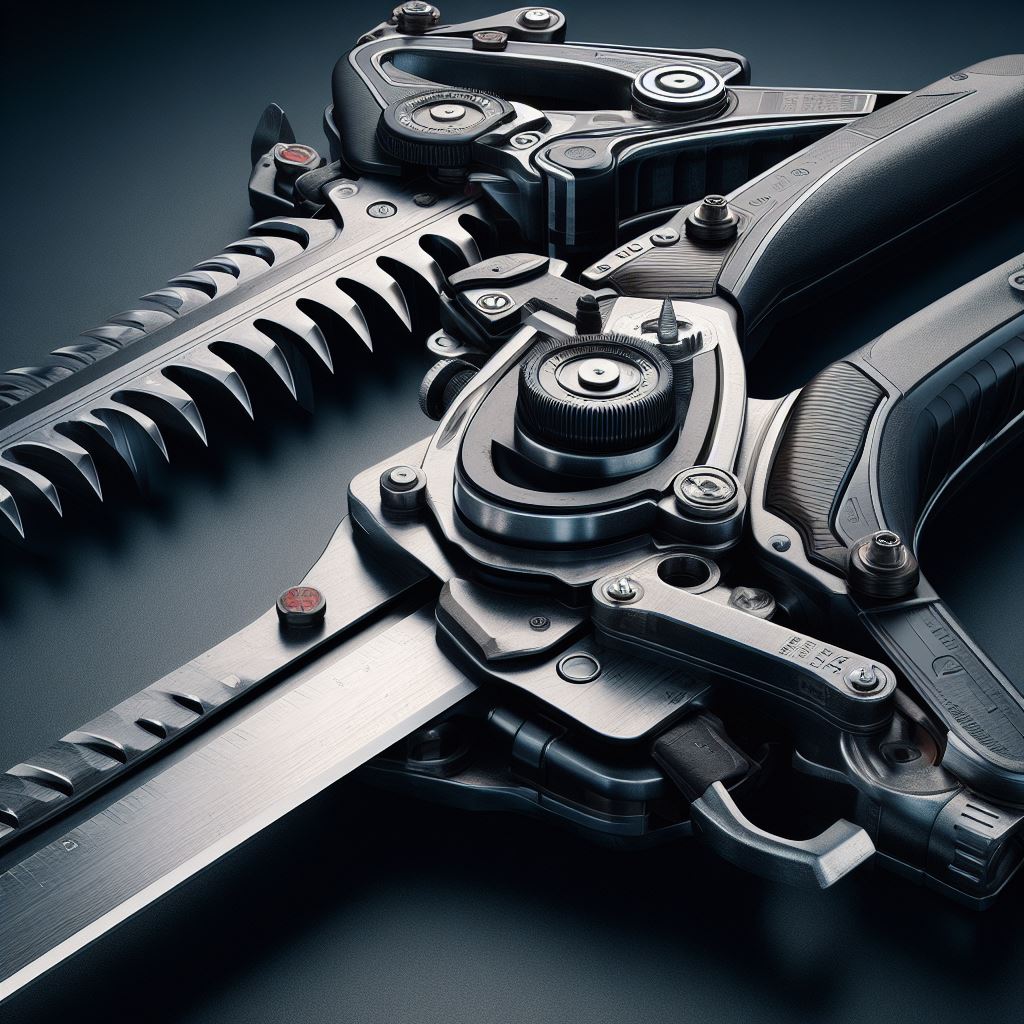
Understanding When Jig Saws Outperform Circular Saws
Circular saws face several fundamental limitations that make jig saws the superior choice for specific applications. The most significant limitation involves curved cuts—circular saws can only produce straight cuts due to their rigid circular blade design, severely restricting creative possibilities. Additionally, circular saws cannot perform plunge cuts (starting cuts in the middle of materials), which jig saws handle effortlessly by simply lowering the blade into the workpiece.
Depth capacity varies between tool types based on design constraints. While a standard 7-1/4 inch circular saw cuts through 2-1/2 inch material at 90 degrees, this capacity drops to approximately 1-3/4 inches at 45-degree bevels. The detailed circular saw comparison guide reveals additional limitations including higher noise levels, increased dust production, and the need for larger work areas. These factors make jig saws more suitable for indoor finish work, apartment dwellers, or projects requiring intricate detail.
Does the blade type affect the cutting capacity of a jig saw?
How Blade Selection Determines Maximum Cutting Thickness
Blade type dramatically influences jig saw cutting capacity through multiple design characteristics that affect stability and cutting efficiency. T-shank blades provide superior grip within the blade clamp compared to older U-shank designs, reducing vibration and enabling deeper cuts with minimal deflection. This improved connection allows confident cutting through materials up to the blade’s full exposed length, typically 2-4 inches depending on the specific blade model.
Teeth configuration directly impacts both cutting speed and maximum thickness capability. Coarse blades with 6-10 TPI aggressively remove material from thick wood but create rougher edges, while fine blades with 14-32 TPI produce smooth cuts but struggle in materials over 1 inch thick. Progressive tooth blades offer versatility by featuring variable TPI along their length—larger teeth near the shank for rapid cutting transitioning to finer teeth at the tip for smooth finishing. Material composition also matters, with bi-metal blades combining spring steel backs with high-speed steel teeth to handle thicker materials without breaking.
Can a jig saw cut through metal?
Metal Cutting Capabilities and Thickness Limitations
Jig saws effectively cut various metals when equipped with appropriate blades and operated at correct speeds, though thickness limitations are much stricter than with wood. Fine-tooth metal cutting blades (18-32 TPI) handle mild steel up to 1/8 inch thick, aluminum up to 1/4 inch, and copper or brass up to 3/8 inch. The key to successful metal cutting involves maintaining slow, steady feed rates (typically 500-1,000 SPM) that prevent blade overheating while allowing teeth to remove material efficiently.
Different metals require specific cutting approaches based on their properties. Aluminum cuts relatively easily due to its softness but can clog blade teeth without proper lubrication. Stainless steel demands specialized bi-metal or carbide blades plus cutting fluid to manage heat buildup. For thicker metal projects exceeding jig saw capabilities, alternative tools provide better results—a quality miter saw designed for metal cutting handles stock up to several inches thick. Industry leaders like Bosch and DeWalt manufacture comprehensive blade selections optimized for specific metal types and thicknesses.
- Offers versatility in cutting a wide range of materials and thicknesses
- Delivers precise and intricate cuts in thicker materials
- Allows for curved and angled cuts, enhancing design possibilities
- Provides smooth and clean cuts with minimal splintering
- Enables easy maneuverability in tight spaces and corners
- Allows for easy blade replacement to cater to different thicknesses
- Offers controlled cutting speed to prevent damage to the material
Other Related Questions
- How do you cut metal without producing sparks?
- What is the difference between a compound and a sliding miter saw?
- How do you calibrate the angle on a miter saw?
- Can a miter saw be used to cut PVC pipes?
- What is the role of the laser guide in a miter saw?
How do you choose the right jig saw for your project?
Selecting Jig Saw Features Based on Cutting Requirements
Choosing the right jig saw requires matching tool capabilities to your specific project needs and material thickness requirements. For occasional DIY projects involving materials under 2 inches thick, a 5-6 amp corded model with basic speed control typically provides adequate performance at an affordable price point (usually $50-150). These entry-level tools handle common tasks like cutting shelving, trim work, or craft projects without overwhelming casual users with unnecessary features.
Professional contractors and serious woodworkers benefit from 7-10 amp models featuring variable speed triggers, multiple orbital action settings, and tool-free blade changes. These advanced jig saws, typically priced between $150-400, excel at cutting thick hardwoods and offer features like adjustable dust blowers, LED work lights, and precision guides. The comprehensive power tool comparison resources help evaluate specific models based on cutting capacity, durability ratings, and user feedback. Key specifications to consider include stroke length (longer strokes cut faster but less smoothly), baseplate quality (cast aluminum resists warping), and vibration control systems that reduce operator fatigue during extended use.
What factors influence the cutting depth of a jig saw?
Key Variables Affecting Maximum Cutting Capacity
Multiple interconnected factors determine a jig saw’s effective cutting depth beyond the simple blade length specification. Motor power represents the primary limiting factor—while a 4-inch blade theoretically cuts 3 inches deep (accounting for blade mounting), a 5-amp motor may struggle maintaining speed in dense materials over 2 inches thick. Professional 10-amp motors deliver consistent power through thicker stock, enabling cuts closer to the blade’s physical limits without stalling or overheating.
Blade stability becomes increasingly critical as cutting depth increases, with several design elements affecting performance. The blade guide mechanism (roller or solid block) prevents lateral deflection that causes curved cuts in thick materials. Thicker blade bodies (0.05-0.06 inches versus standard 0.035 inches) resist bending forces better but require more motor power. Additionally, the stroke length influences chip evacuation—longer strokes (typically 1 inch versus 3/4 inch) clear debris more effectively from deep cuts. When cutting extremely hard materials, using the appropriate specialized blade for cutting stainless steel or similar dense metals ensures maximum achievable depth without premature blade failure.
What are the safety guidelines for using a jig saw on thick materials?
Essential Safety Protocols for Maximum-Depth Cutting
Safety considerations intensify when cutting materials near a jig saw’s maximum capacity, as increased blade exposure and motor strain create additional hazards. Proper workpiece support prevents dangerous situations—thick materials must be secured with multiple clamps on a stable surface, with the cut line positioned to allow free blade movement below. Unsupported material can pinch the blade during cutting, causing sudden kickback or blade breakage that poses serious injury risk to operators.
Personal protective equipment requirements expand beyond basic safety glasses when cutting thick stock. Full face shields provide better protection against larger debris ejected from deep cuts, while dust collection becomes critical as thick materials generate substantially more sawdust. Hearing protection is essential since cutting thick materials requires extended operation at high motor loads, often exceeding 85 decibels. Additionally, maintain proper cutting technique by allowing the blade to work at its own pace—forcing cuts through thick material causes premature blade wear, increases accident risk, and produces poor cut quality. Monitor blade temperature during extended cuts, as overheated blades lose temper and break unexpectedly.
What is the maximum thickness a jig saw can cut?
Practical Cutting Limits and Real-World Applications
The maximum thickness a jig saw can cut varies significantly based on multiple factors, with practical limits often falling below theoretical specifications. Quality consumer jig saws typically handle 2-3 inch softwood effectively, while professional models with enhanced stroke length and 10-amp motors manage up to 4 inches in pine or similar low-density wood. However, these maximum capacities assume ideal conditions—sharp blades, straight cuts, and patience allowing the tool to work without forcing.
Understanding realistic thickness limitations helps select appropriate tools and techniques for each project. While specialized 6-inch blades exist for extreme applications, cut quality deteriorates significantly beyond 3 inches due to increased blade flex and reduced cutting speed. The historical development of jig saw capacity shows steady improvements in motor power and blade technology over decades. For comparison, hardwood cutting typically limits practical thickness to roughly half of softwood capacity—most jig saws struggle with oak over 2 inches thick. Alternative approaches like making relief cuts or using more powerful cutting tools often prove more efficient for materials exceeding these practical limits, ensuring both safety and cut quality.