- Is it possible to use a miter saw for slicing PVC?
- What blade should you use for cutting PVC with a miter saw?
- Can a miter saw handle both wood and PVC?
- What are other tools suitable for cutting PVC?
- Do you need to change the saw’s settings for PVC?
- How do you prepare PVC pipes for cutting?
- Is it safe to cut PVC without any protective gear?
- How do you clean up after cutting PVC with a miter saw?
- Can a miter saw be used to cut PVC pipes?
A miter saw can effectively cut PVC pipes using a fine-toothed blade, typically with 60-80 teeth. Most compound and sliding miter saws handle PVC cutting tasks well, producing clean, precise cuts for plumbing and construction projects. Standard models from DeWalt, Makita, and Bosch equipped with plastic-cutting or multi-material blades work particularly well for PVC pipes ranging from half-inch to 4-inch diameters.
Understanding Miter Saw Capabilities for PVC Cutting
Miter saws excel at cutting PVC because their rotating blade creates smooth, controlled cuts through thermoplastic materials. The saw’s downward cutting motion, combined with proper blade selection, prevents the PVC from melting or chipping during the cut. This makes miter saws ideal for projects requiring precise angles, such as irrigation systems, electrical conduit installation, or custom PVC furniture construction.
The cutting process works by securing the PVC pipe against the fence and lowering the spinning blade through the material. Unlike hand tools that require physical force, the miter saw’s motor-driven blade slices through PVC effortlessly. This mechanical advantage reduces user fatigue and increases accuracy, especially when making multiple cuts or working with larger diameter pipes.
Is it possible to use a miter saw for slicing PVC?

Yes, miter saws are excellent tools for slicing PVC pipes and sheets. The key to success lies in selecting the appropriate blade and maintaining proper cutting speed. PVC, being a thermoplastic polymer, responds well to the clean, swift cuts that a miter saw provides, resulting in smooth edges that require minimal finishing.
When cutting PVC with a miter saw, the blade’s rotation speed typically ranges from 3,000 to 5,000 RPM, which generates enough force to slice through the material without causing excessive heat buildup. This prevents the PVC from melting at the cut line, a common problem when using inappropriate tools or techniques. For enhanced precision in your cuts, understanding the role of a laser guide in a miter saw can significantly improve accuracy.
What blade should you use for cutting PVC with a miter saw?

Optimal Blade Types for PVC Cutting
The best blade for cutting PVC with a miter saw is a crosscut blade with 60 to 80 teeth, preferably with carbide tips. These fine-toothed blades create minimal chip-out and produce smooth, professional-looking cuts. Triple-chip grind (TCG) tooth geometry works particularly well for PVC, as it alternates between flat-top and chamfered teeth to reduce material grabbing.
Multi-material blades designed for plastics and non-ferrous metals also perform exceptionally well on PVC. These specialized blades feature negative hook angles (typically -5 to 0 degrees) that prevent the blade from pulling too aggressively into the material. The carbide-tipped teeth maintain sharpness longer than standard steel, allowing for hundreds of cuts before requiring replacement or sharpening.
- Creates precise angled cuts essential for proper pipe fitting and professional installations.
- Reduces cutting time significantly compared to manual methods like hacksaws or hand saws.
- Produces consistently smooth edges that require minimal deburring or sanding work.
- Enables repeatable cuts when using stop blocks for production-style projects.
- Minimizes material waste through accurate measurements and clean cutting action.
- Accommodates various pipe diameters from small half-inch to larger 4-inch pipes.
- Allows compound angles for complex plumbing or structural PVC frameworks.
Can a miter saw handle both wood and PVC?
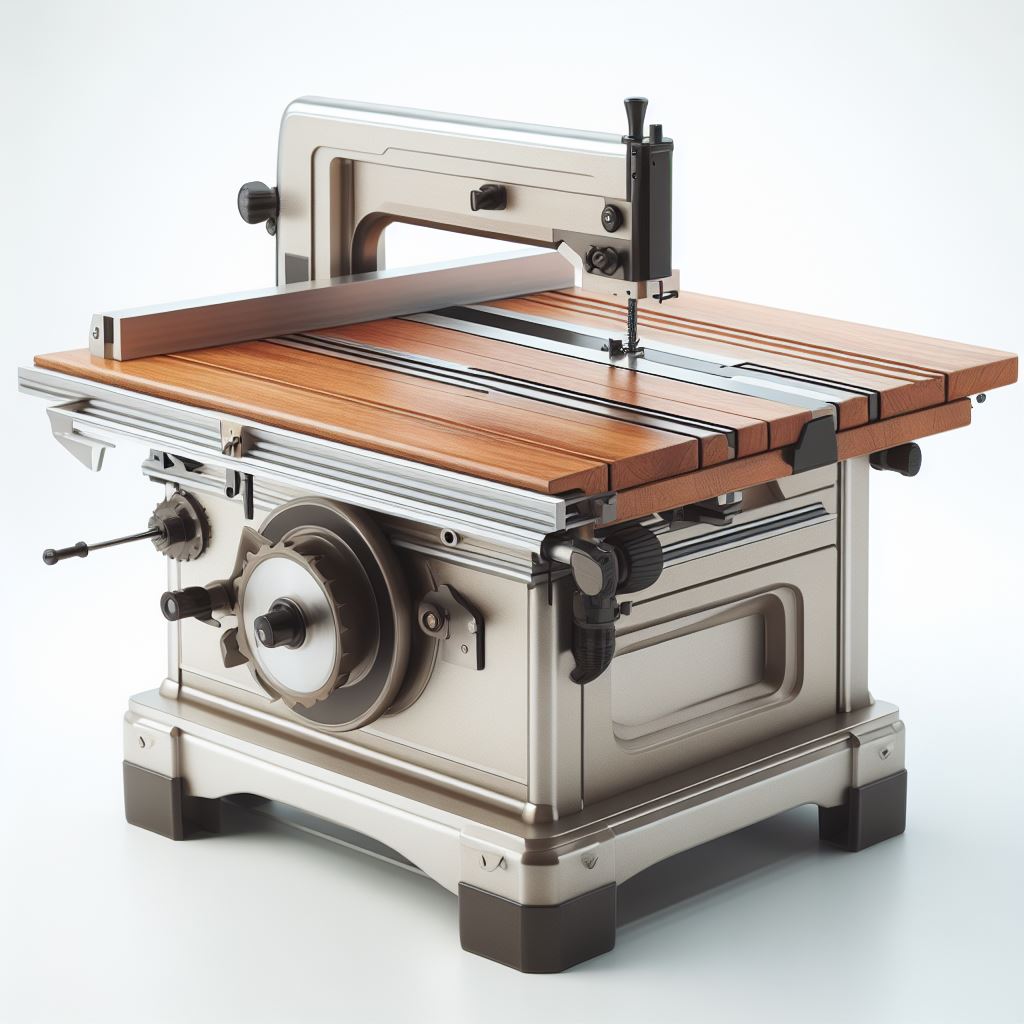
Modern miter saws easily handle both wood and PVC materials when equipped with appropriate blades. The versatility stems from the saw’s adjustable speed settings and the availability of multi-purpose blades designed for various materials. Many contractors and DIY enthusiasts regularly switch between cutting lumber and PVC pipe on the same saw during mixed-material projects.
The transition between materials requires only a blade change in most cases. While a standard wood-cutting blade can cut PVC in a pinch, using material-specific blades yields superior results. Premium miter saws from manufacturers like DeWalt often include variable speed controls that optimize cutting performance for different materials, making them truly multi-purpose tools for job sites and workshops. Consider exploring comprehensive table saw comparisons to understand how different saw types handle various materials.
What are other tools suitable for cutting PVC?
Alternative PVC Cutting Tools and Methods
While miter saws excel at PVC cutting, several other tools effectively handle this task. Ratcheting PVC cutters work well for pipes up to 2 inches in diameter, offering portability and silent operation ideal for quick plumbing repairs. These hand tools use mechanical advantage to slice through PVC with minimal effort, though they’re limited to straight cuts only.
Hacksaws remain a reliable option for occasional PVC cutting, especially in tight spaces where power tools won’t fit. Reciprocating saws equipped with fine-toothed blades handle larger PVC pieces and demolition work effectively. For precision work, Milwaukee Tools offers specialized PVC cutting attachments for their multi-tools. Understanding various cutting methods helps select the right tool for each situation, much like choosing between different saw types detailed in our circular saw comparison guide.
Do you need to change the saw’s settings for PVC?
Adjusting your miter saw’s settings when switching from wood to PVC improves cut quality and extends blade life. The primary adjustment involves reducing blade speed if your saw has variable speed control, as PVC cuts best at moderate speeds that minimize heat generation. Most saws perform well at their standard speed, but slower speeds often produce cleaner results.
Blade height adjustment ensures the teeth barely clear the bottom of the PVC, reducing unnecessary blade exposure and improving safety. The cutting angle may need fine-tuning, as PVC’s smooth surface can cause slight deflection compared to wood’s grain structure. These minor adjustments, combined with proper blade selection, optimize performance whether you’re trimming pipes or creating angled joints. For maintaining optimal cutting performance, refer to our guide on how to maintain your miter saw’s accuracy.
- Always wear safety glasses to protect against flying plastic chips and debris.
- Select blades specifically designed for plastic or multi-material cutting applications.
- Ensure adequate ventilation when cutting PVC to avoid inhaling plastic particles.
- Apply steady, controlled pressure without forcing the blade through the material.
- Secure pipes firmly using appropriate clamps to prevent rolling or movement.
- Mark cut lines clearly with permanent markers for improved visibility and accuracy.
- Allow the blade to reach full speed before beginning each cut.
Other Related Questions
- What type of oil should be used in a pole saw’s gearbox?
- How do you sterilize a pruning saw between cuts?
- What is the curve of a pruning saw blade for?
- Can you use a pruning saw on wet wood?
- What is the ideal length for a pruning saw?
How do you prepare PVC pipes for cutting?
Essential PVC Preparation Steps
Proper PVC preparation begins with accurate measurement and marking using a tape measure and permanent marker. Create a visible line completely around the pipe’s circumference to ensure straight cuts, especially important for plumbing connections where angles affect fit. A combination square or pipe wrap helps achieve perfectly perpendicular marks on round pipes.
Securing the PVC prevents dangerous movement during cutting and improves accuracy. Use a miter saw’s built-in clamp or add auxiliary supports for longer pieces. Position the pipe firmly against the fence with the marked line aligned with the blade’s path. For multiple identical cuts, setting up a stop block system saves time and ensures consistency throughout your project.
Is it safe to cut PVC without any protective gear?
Cutting PVC without protective gear poses serious risks and should never be attempted. Safety glasses protect against plastic chips that can fly at high speeds during cutting, potentially causing eye injuries. The fine plastic dust created during cutting can irritate respiratory systems, making a dust mask essential for health protection.
Additional safety equipment includes work gloves to prevent cuts from sharp PVC edges and hearing protection when using power tools for extended periods. Proper ventilation helps disperse plastic particles and any fumes that might arise from friction heating. Following established safety protocols, similar to those outlined in compound miter saw safety guidelines, prevents accidents and ensures a healthy working environment.
How do you clean up after cutting PVC with a miter saw?
Effective PVC Debris Management
Post-cutting cleanup starts with collecting larger PVC pieces by hand, sorting them for recycling or proper disposal. The static-prone nature of PVC shavings means they stick to surfaces and tools, requiring systematic cleaning approaches. A shop vacuum with a fine-dust filter effectively removes plastic particles from the saw, work surface, and surrounding area.
Compressed air helps dislodge shavings from the saw’s moving parts, though this should be done carefully to avoid spreading debris. Wiping down surfaces with a damp cloth captures remaining fine particles that vacuuming might miss. Regular cleaning maintains tool performance and prevents plastic buildup that could affect future cuts. Many PVC scraps can be recycled or repurposed for other projects, supporting environmental responsibility. For comprehensive tool maintenance tips, including debris management, check our guide on proper saw storage techniques.
Can a miter saw be used to cut PVC pipes?
Miter saws are highly effective tools for cutting PVC pipes, offering precision and efficiency unmatched by manual cutting methods. The combination of a stable cutting platform, adjustable angles, and powerful motor makes quick work of PVC cutting tasks. Whether creating miter joints for decorative projects or straight cuts for plumbing, the miter saw delivers professional results consistently.
Success depends on three key factors: using the correct blade type, maintaining appropriate cutting speed, and following safety protocols. Fine-toothed blades designed for plastics or multi-materials prevent melting and chipping, while proper clamping ensures accuracy. From small diameter water lines to large drainage pipes, miter saws handle various PVC sizes effectively. This versatility, combined with the ability to make repeatable angled cuts, makes the miter saw an invaluable tool for anyone working regularly with PVC materials. For insights into maximizing your miter saw’s capabilities across different materials, explore our detailed miter saw comparison guide.