- How can you avoid rough edges when using a hacksaw on metal?
- What hacksaw blade is best for a smooth metal cut?
- How can you minimize metal splinters when using a hacksaw?
- What are some techniques for clean metal cutting?
- Should you use cutting oil with a hacksaw on metal?
- How do you maintain a hacksaw for optimal performance?
- What is the correct hacksaw blade tension for metal cutting?
- Can you use a power hacksaw for burr-free metal cutting?
- How do you prevent burrs when cutting metal with a hacksaw?
Preventing burrs when cutting metal with a hacksaw requires using fine-toothed blades (24-32 TPI), applying steady controlled pressure, and maintaining proper lubrication throughout the cut. These sharp metal edges form when hacksaw teeth tear rather than cleanly slice through the material. The combination of correct blade selection, consistent cutting technique, and appropriate lubrication typically reduces burr formation by up to 80 percent. Most metalworkers find that investing in quality bi-metal blades (costing $8-15 each) and using cutting fluid dramatically improves their results.
Understanding Metal Burrs and Why They Form During Hacksaw Cutting
Metal burrs are unwanted raised edges that create safety hazards and require additional finishing work. They form primarily when dull hacksaw blades tear metal fibers instead of cutting them cleanly. This tearing action occurs most frequently with worn blades, excessive downward pressure, or when using the wrong teeth-per-inch (TPI) rating for your specific metal thickness. Understanding this formation process helps you select the right prevention strategies for different metals like aluminum, steel, or brass.
The physics behind burr formation involves metal deformation at the microscopic level. As the hacksaw blade moves through metal, each tooth removes a small chip. When teeth become dull or pressure becomes excessive, they push and deform the metal rather than shearing it cleanly. This deformation creates the characteristic raised edges we call burrs. Harder metals like stainless steel tend to produce more pronounced burrs than softer materials like aluminum.
How can you avoid rough edges when using a hacksaw on metal?
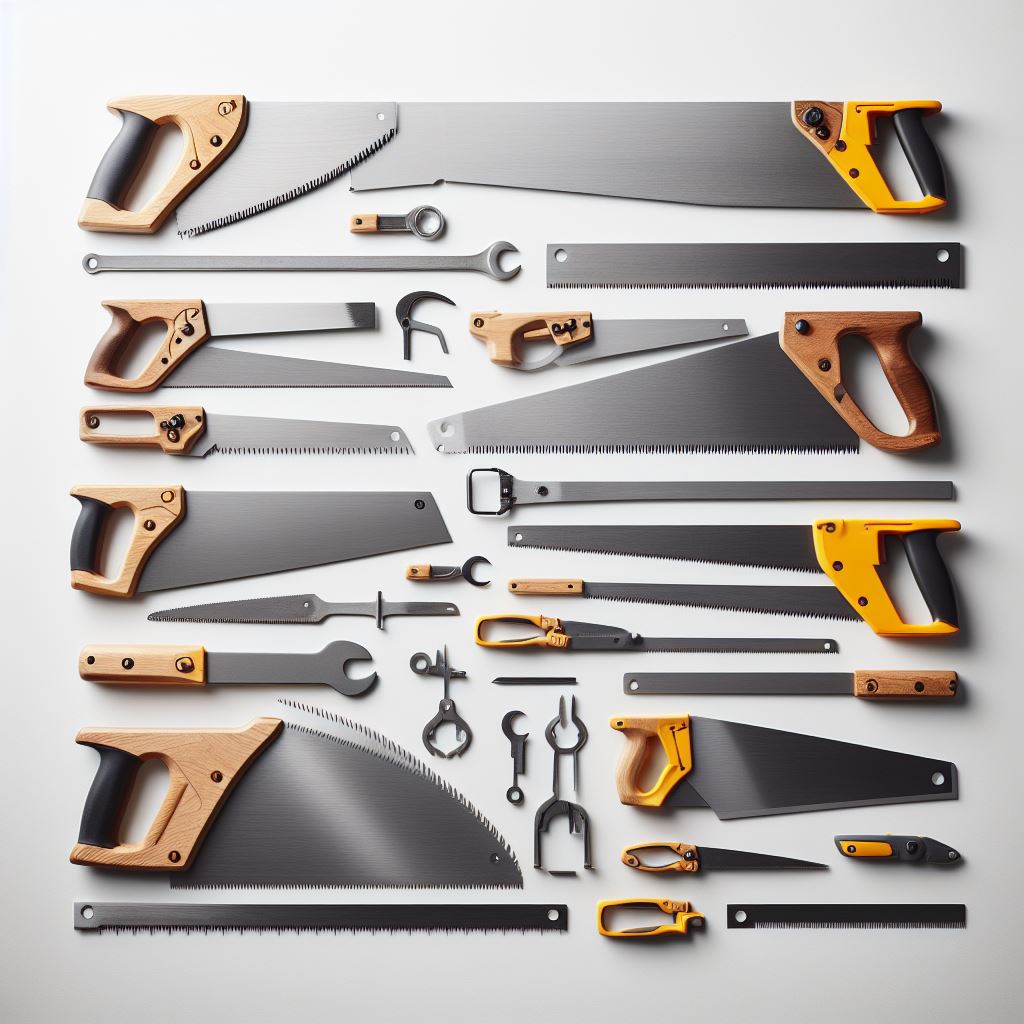
Avoiding rough edges starts with proper blade installation – teeth must point forward and the blade needs correct tension (typically 15,000-20,000 PSI). The most effective technique involves using controlled push strokes where you apply moderate force during the forward motion and release pressure on the return. This push-cut method, combined with maintaining the hacksaw at a 45-degree angle, produces significantly smoother edges than aggressive back-and-forth sawing. Most experienced metalworkers recommend using 40-60 strokes per minute for optimal control.
Blade selection directly impacts edge quality based on metal thickness. Thin sheet metal under 1/8 inch requires 32 TPI blades to minimize material removal per tooth. Medium thickness materials (1/8 to 1/2 inch) work best with 24 TPI blades, while thick stock over 1/2 inch needs 14-18 TPI for proper chip clearance. High-speed steel (HSS) or bi-metal blades maintain sharpness longer than carbon steel options, resulting in cleaner cuts throughout the blade’s life. Securing your workpiece firmly in a bench vise positioned close to the cut line eliminates vibration that causes rough, wavy edges.
Essential Blade Selection Guidelines for Burr-Free Metal Cutting
Choosing the right hacksaw blade represents the foundation of burr prevention. The teeth-per-inch (TPI) rating must match your metal’s thickness – a general rule suggests having at least three teeth in contact with the material at all times. Fine-toothed blades (24-32 TPI) excel at cutting thin metals and tubing, while coarse blades (14-18 TPI) handle thick bar stock and structural materials more effectively.
What hacksaw blade is best for a smooth metal cut?

High-speed steel (HSS) and bi-metal blades deliver the smoothest cuts across various metal types. Bi-metal blades combine flexible steel backing with HSS teeth, offering durability and clean cutting action that typically lasts 5-10 times longer than standard carbon steel blades. For general metalworking, 24 TPI bi-metal blades handle most tasks effectively. The investment in quality blades (usually $8-15 each) pays off through cleaner cuts and reduced deburring time. The comprehensive circular saw comparison guide explains similar blade selection principles for power tools.
Different metals require specific blade characteristics for optimal results. Aluminum and other soft non-ferrous metals cut best with 14-18 TPI blades that provide adequate chip clearance. Steel and iron typically need 18-24 TPI for clean results, while hardened steel and stainless steel demand 24-32 TPI blades with appropriate set patterns. Variable-pitch blades reduce harmonic vibration during cutting, which significantly improves surface finish. The guide on blades for cutting stainless steel provides material-specific recommendations. Modern carbide-grit blades excel at cutting extremely hard materials but cost considerably more ($20-40) than standard options.
- Use a Fine-toothed Blade: Select blades with 24-32 TPI for most metals, ensuring teeth size matches material thickness for clean cutting action.
- Apply Steady Pressure: Maintain consistent moderate force throughout the cutting stroke, avoiding excessive pressure that causes blade deflection and tearing.
- Secure the Metal: Clamp workpieces firmly using a bench vise, positioning the cut line close to the jaws to minimize vibration during cutting.
- Use Lubrication: Apply cutting fluid, oil, or even WD-40 to reduce friction, dissipate heat, and promote smoother cutting action through the metal.
- Follow a Controlled Sawing Technique: Use long, smooth strokes utilizing the blade’s full length, maintaining 40-60 strokes per minute for optimal control.
- Avoid Cutting with Excessive Speed: Rapid sawing generates heat and causes blade wandering, leading to rough edges and increased burr formation.
- Inspect and Deburr: After cutting, examine edges for remaining burrs and remove them using a deburring tool, file, or fine-grit sandpaper.
How can you minimize metal splinters when using a hacksaw?
Minimizing metal splinters requires selecting appropriate metal-cutting blades with closely spaced teeth that create small, manageable chips. Proper blade tension prevents the flexing that causes erratic cutting patterns and dangerous splinter formation. Your workpiece must remain absolutely stable during cutting – even slight movement dramatically increases splinter production and safety risks. The combination of sharp blades, correct tension, and secure clamping reduces splinter formation by approximately 70-90 percent compared to poor setup conditions.
Cutting technique profoundly affects splinter creation during hacksaw use. Smooth, deliberate strokes produce uniform chips while jerky, erratic motions create jagged metal splinters. Starting each cut with light pressure helps establish a guiding groove before applying full cutting force. Supporting both sides of the cut prevents material flexing that causes splintering during breakthrough – this becomes especially important with thin sheet metal or tubing. The compound vs sliding miter saw guide discusses similar workpiece support principles. Regular blade replacement ensures sharp teeth that slice cleanly through metal rather than tearing fibers apart.
Proper Cutting Technique and Body Positioning
Your body position and cutting stance significantly impact the quality of hacksaw cuts. Stand with feet shoulder-width apart, positioning yourself so the cutting line aligns with your dominant eye. This stance provides stability and allows you to see if the blade wanders off course. Grip the hacksaw handle firmly but not tensely – excessive grip tension translates into jerky blade movement.
What are some techniques for clean metal cutting?
Clean metal cutting techniques center on maintaining consistent blade angle, rhythm, and pressure throughout the cut. Holding your hacksaw at approximately 45 degrees to the workpiece provides optimal tooth engagement while preserving control over cutting direction. Each cutting stroke should utilize the blade’s full length – short, choppy strokes generate excessive heat and create rough, burred edges. Many metalworkers find that starting cuts with a triangular file notch or center punch mark prevents initial blade wandering.
Advanced techniques enhance cutting precision and reduce finishing work. Relief cuts help when working with thick materials by removing waste material in stages, reducing blade stress and improving accuracy. Using guide blocks or cutting jigs ensures perfectly straight cuts, especially important for precision work. The guide on calibrating miter saw angles covers similar precision principles. While power hacksaws maintain consistent stroke speed and pressure for production work, manual hacksaws offer superior control for intricate cuts, tight spaces, or field repairs where power tools aren’t practical.
The Critical Role of Lubrication in Preventing Burrs
Lubrication transforms hacksaw cutting from a frustrating struggle into smooth, controlled operation. Cutting fluids reduce friction between blade teeth and metal, dissipate heat that causes work hardening, and flush away chips that would otherwise clog teeth. These combined benefits directly translate into cleaner cuts with minimal burring and significantly extended blade life.
Should you use cutting oil with a hacksaw on metal?
Using cutting oil dramatically improves hacksaw performance by reducing friction-generated heat and flushing away metal chips. Even basic lubricants like WD-40 or light machine oil provide noticeable improvements over dry cutting, though specialized cutting fluids work best. The reduction in heat buildup prevents the metal softening that contributes to burr formation. Most metalworkers report that proper lubrication doubles or triples blade life while producing noticeably cleaner cuts. Companies like Lubriplate and CRC Industries manufacture cutting fluids optimized for different metals.
Different metals benefit from specific lubricant types based on their properties. Aluminum cuts exceptionally well with kerosene or light cutting oils that prevent chip welding. Steel and iron perform best with heavier cutting oils or soluble oil mixtures. Stainless steel requires sulfur-based cutting fluids for optimal results. Apply lubricant continuously through dripping or frequent brush application – maintaining the fluid film throughout cutting proves more effective than heavy initial application. The techniques for cutting metal without sparks also emphasize proper lubrication importance.
Workpiece Preparation and Support Strategies
Proper workpiece setup eliminates many cutting problems before the blade touches metal. Mark cut lines clearly using a scribe, soapstone, or fine-tip marker for accuracy. Position material in your vise with minimal overhang – ideally placing the cut line within 1-2 inches of the vise jaws. This close support dramatically reduces vibration that causes rough cuts and excessive burring.
Long workpieces require additional support to prevent sagging during cutting. Use adjustable roller stands, sawhorses with padding, or improvised supports to maintain level positioning. Even slight workpiece movement multiplies into significant cut quality problems. Consider using soft jaw covers or wood blocks in your vise to prevent marring finished surfaces while maintaining secure clamping.
Other Related Questions
How do you maintain a hacksaw for optimal performance?
Maintaining your hacksaw ensures consistent cutting performance and extends tool life significantly. After each use, remove metal filings and cutting fluid residue using a stiff brush followed by a clean cloth. This simple cleaning prevents corrosion and keeps the blade tensioning mechanism operating smoothly. Apply light machine oil to moving parts including blade mounting pins, tension adjustment screws, and the frame pivot point if adjustable. Well-maintained hacksaws typically last decades with only blade replacements needed.
Storage environment profoundly impacts hacksaw longevity and cutting quality. Store hacksaws in dry locations to prevent rust formation on both frame and blades. Hanging storage prevents blade warping compared to laying tools flat in drawers. Before each use, inspect blades for missing teeth, visible cracks, or excessive wear patterns. The detailed miter saw maintenance principles apply similarly to hacksaw care. Replace blades showing any damage immediately – attempting to cut with compromised blades increases effort required and produces poor results with excessive burring.
Understanding and Setting Proper Blade Tension
Blade tension directly affects cut quality, with proper tension being crucial for burr prevention. Under-tensioned blades bow and wander during cutting, creating curved cuts with rough edges. Over-tensioning risks premature blade failure and frame damage. Most quality hacksaw frames include tension indicators or adjustment mechanisms that help achieve optimal setup quickly.
What is the correct hacksaw blade tension for metal cutting?
Correct hacksaw blade tension typically ranges between 15,000 and 20,000 PSI for standard metal cutting tasks. This tension level provides necessary blade rigidity while maintaining enough flexibility to handle normal cutting stresses. Professional-grade hacksaws often feature built-in tension indicators or graduated adjustment mechanisms for precision setup. A properly tensioned blade produces a distinct “ping” sound when plucked, similar to a tuned guitar string. This audio cue helps experienced users quickly achieve correct tension.
Tension requirements vary based on blade length and target material properties. Longer 12-inch blades need slightly higher tension than standard 10-inch blades to prevent deflection. Harder metals like tool steel or stainless require maximum recommended tension for clean cuts. Test blade tension by pressing the blade’s center with moderate thumb pressure – correctly tensioned blades deflect minimally (less than 1/8 inch). Economy hacksaw frames may flex before achieving optimal blade tension, limiting their effectiveness for precision work.
Common Metal Cutting Mistakes That Increase Burr Formation
Several frequent errors lead to excessive burring and frustrating cutting experiences. Using worn blades ranks as the most common mistake – dull teeth tear metal rather than cutting cleanly, guaranteeing rough edges. Applying excessive downward pressure represents another major error, causing blade deflection and increasing burr formation. Starting cuts without proper alignment results in angled cuts that require correction, multiplying opportunities for rough edges.
Poor workpiece support and inadequate lubrication compound these problems significantly. Vibrating workpieces create wavy cuts with pronounced burring along the entire edge. Dry cutting generates excessive heat, work hardening the metal ahead of the cut and making clean cutting nearly impossible. These mistakes often occur together, creating a cascade of problems that result in poor cut quality and dangerous working conditions.
Can you use a power hacksaw for burr-free metal cutting?
Power hacksaws excel at producing consistently burr-free cuts through precise stroke speed and pressure regulation. These machines maintain optimal cutting parameters that prove extremely difficult to replicate with manual sawing. Automatic feed mechanisms prevent the excessive pressure that commonly causes burring in hand operations. Variable speed controls allow matching cutting rates to material properties – typically 40-80 strokes per minute for steel, slower for harder alloys. Understanding precision cutting principles from laser-guided tools helps optimize power hacksaw setup.
Industrial power hacksaws incorporate coolant systems that continuously flood the cutting zone, managing heat buildup effectively. This cooling dramatically reduces burr formation while extending blade life. Blade selection remains critical even with power equipment – matching TPI ratings to material thickness ensures optimal performance. While power hacksaws require larger initial investment ($500-5000 depending on size), they deliver consistent professional results with minimal operator fatigue. For production environments or frequent metal cutting, the investment typically pays for itself through improved efficiency and reduced finishing time.
Advanced Deburring Techniques and Tools
Despite best prevention efforts, some burr formation remains inevitable in metal cutting. Having proper deburring tools and techniques ensures safe, professional results. Manual deburring tools, ranging from simple scrapers ($10-20) to sophisticated rotary tools ($50-200), remove burrs efficiently without damaging the workpiece. Files, abrasive stones, and specialized deburring bits each serve specific applications based on metal type and accessibility.
How do you prevent burrs when cutting metal with a hacksaw?
Preventing burrs successfully combines sharp blade selection, proper cutting technique, and consistent lubrication throughout the process. Start with quality bi-metal or HSS blades matched to your material – 24-32 TPI serves most general metalworking needs effectively. Blade sharpness critically determines burr formation levels; replace any blade showing worn or missing teeth immediately. The comprehensive table saw selection guide emphasizes similar blade quality importance for achieving clean cuts.
Optimal cutting technique maintains steady, controlled pressure using long strokes that engage the blade’s full length. Apply moderate force during forward strokes and release pressure on return strokes – this push-cut method significantly reduces burring. Cutting speed affects edge quality dramatically, with 40-60 strokes per minute providing ideal control for most metals. Lubrication plays an essential role by reducing friction-induced heating that softens metal ahead of the cut. Even basic cutting fluid application improves edge quality noticeably while potentially doubling blade life. Combining these elements – sharp blades, proper technique, and adequate lubrication – typically reduces burr formation by 80-90 percent compared to poor practices.