- How can you prevent a jig saw from damaging the top layer of laminate?
- What type of jig saw blade is best for cutting laminate without chipping?
- How Do You Cut Plywood Without Splintering?
- What Are The Techniques To Avoid Chipping When Using A Jig Saw On Laminate?
- Can You Use Masking Tape To Prevent Chipping In Laminate?
- What speed should you set the jig saw at to avoid chipping laminate?
- What are the best practices for cutting laminate?
- What are the safety tips for cutting laminate with a jig saw?
Jigsaw chipping on laminate happens when upward blade motion tears the decorative surface layer. Prevention requires masking tape application, fine-tooth blades like Bosch T101BR or DEWALT DW3742C, and slow speeds (setting 2-3). Most DIYers combine these three methods, which typically costs $15-30 for supplies. Professional contractors report these techniques eliminate chipping in nearly all laminate types, from countertops to flooring. The choice between orbital and straight-action jigsaws significantly impacts results, with straight-action models generally producing cleaner edges.
Understanding Why Jigsaws Cause Laminate Damage
Laminate chipping occurs because standard jigsaw blades cut on the upstroke, which lifts and tears the thin decorative layer away from the substrate beneath. This upward pulling motion creates microscopic fractures that expand into visible chips, particularly problematic with melamine-coated particle board and high-pressure laminates. The blade’s aggressive tooth geometry, designed for wood cutting, proves too harsh for laminate’s brittle surface coating.
Material composition affects chipping severity significantly. Budget laminates with thinner surface layers (typically 0.5-1mm) chip more readily than premium options featuring thicker wear layers (2-3mm). Temperature also plays a role – cold laminate becomes more brittle, while excessive heat from friction weakens the adhesive bond between layers. Understanding these factors helps explain why specific prevention techniques prove effective across different laminate grades.
How can you prevent a jig saw from damaging the top layer of laminate?
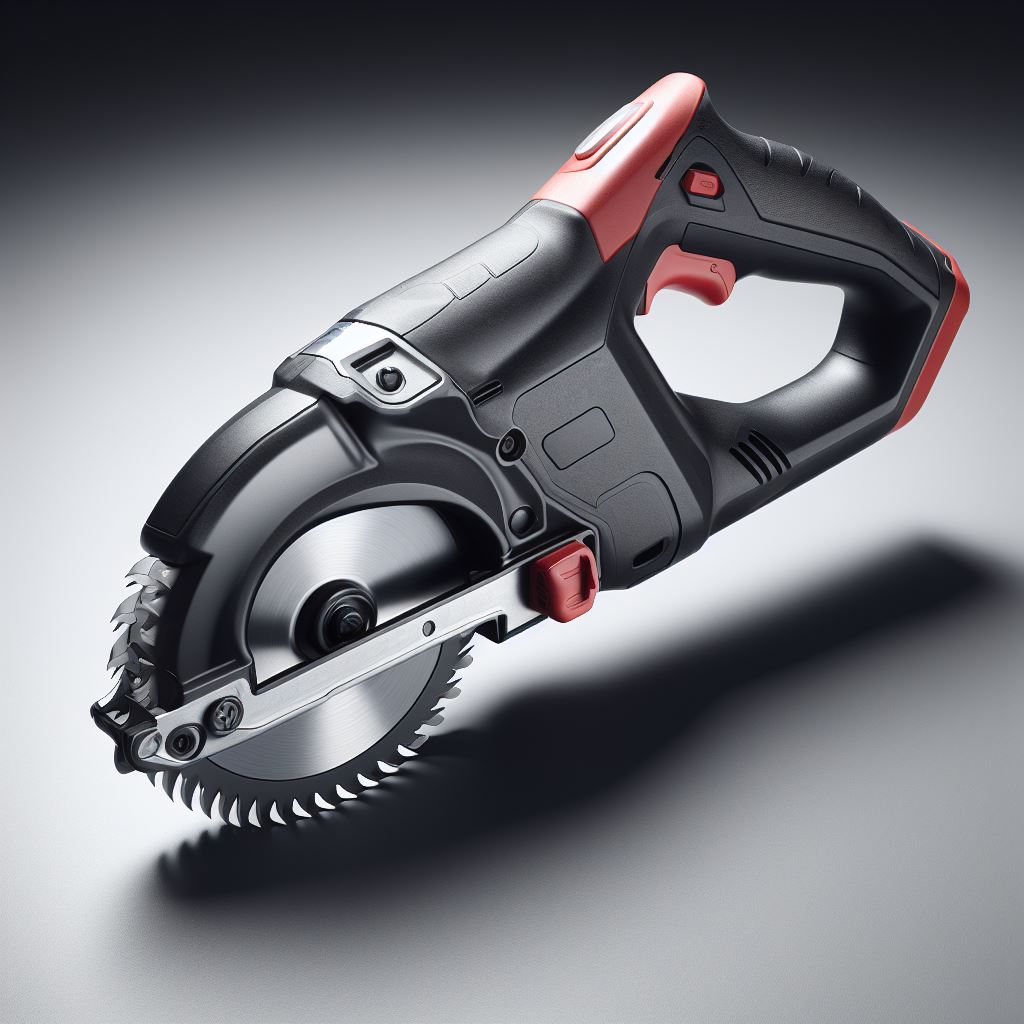
Multi-Layer Protection Strategy for Chip-Free Results
Preventing jigsaw damage requires a comprehensive approach combining physical barriers, proper blade selection, and cutting technique modifications. Blue painter’s tape serves as the primary defense, creating a sacrificial layer that holds laminate fibers in place during cutting. Apply tape extending at least one inch beyond cut lines, pressing firmly to eliminate air pockets that allow movement.
The scoring technique adds another protection layer for critical cuts. Using a sharp utility knife with a straightedge, score along your cut line to create a controlled break point. This pre-cut groove, approximately 1/16 inch deep, prevents random chipping beyond the intended boundary. Support systems matter equally – position sawhorses within 12 inches of cut lines to minimize vibration-induced damage.
Blade orientation provides the final protection element. When possible, cut from the laminate’s underside, allowing the upstroke to push into rather than pull away from the decorative surface. This single adjustment often eliminates visible chipping entirely, though it requires careful measurement and marking. Remember that proper cutting safety equipment remains essential when handling sharp laminate edges.
What type of jig saw blade is best for cutting laminate without chipping?

Specialized Blade Selection Eliminates Chipping Problems
The ideal laminate blade features reverse-tooth configuration with 10-20 teeth per inch (TPI), pushing material downward rather than lifting it. T-shank models like the Bosch T101BR or Freud 44102 specifically address laminate cutting challenges through modified tooth geometry. These blades cost $8-15 per pack versus $3-5 for standard wood blades, but prevent costly material damage.
Blade material affects both cut quality and longevity when working with abrasive laminate surfaces. Bi-metal construction combines flexible steel backing with hardened tooth edges, lasting 3-5 times longer than basic high-carbon steel options. Carbide-tooth blades, though costing $20-30 each, maintain sharpness through hundreds of cuts in materials containing formaldehyde resins.
Thickness specifications prove equally critical for clean cuts. Optimal laminate blades measure 0.05-0.06 inches thick, creating minimal kerf while maintaining adequate stiffness. Thinner blades reduce material displacement and friction heat, both factors contributing to chip prevention. Understanding the difference between orbital and straight jig saw actions helps match blade characteristics to your specific tool’s cutting motion.
- Use a fine-toothed blade specifically designed for cutting laminate
- Ensure the laminate board is firmly secured before starting the cut
- Apply masking tape along the cut line to reduce potential chipping
- Place a sacrificial backing board underneath the laminate to support the material
- Move the jigsaw at a controlled pace, allowing the blade to cut smoothly
- Cutting at a slower speed often offers better results
- Consider using a pilot hole to initiate the cut and reduce the chance of chipping
How Do You Cut Plywood Without Splintering?

Veneer Protection Methods for Clean Plywood Cuts
Plywood splinter prevention shares similarities with laminate techniques but requires attention to wood grain direction. A sharp plywood-specific blade with 10-14 TPI combined with masking tape application prevents tear-out on delicate face veneers. The tape reinforces wood fibers at the cut line, particularly important when cutting across grain patterns.
Zero-clearance support proves essential for splinter-free plywood cuts. Create this by placing a sacrificial board beneath your workpiece, ensuring continuous backing where the blade exits. This technique works especially well with expensive hardwood plywood where any splintering ruins the piece. Feed rate control matters equally – pushing too fast causes blade deflection and increased splintering.
The scoring method adapts perfectly to plywood applications. Score your cut line using a sharp knife against a straightedge, severing just the top veneer layer. This creates a predetermined failure line that prevents random splitting beyond your intended cut. For production work requiring multiple straight cuts, circular saw systems provide enhanced accuracy compared to jigsaws.
What Are The Techniques To Avoid Chipping When Using A Jig Saw On Laminate?
Professional Techniques for Zero-Chip Laminate Cutting
The upside-down cutting method represents the most effective single technique for eliminating visible chipping. By flipping your workpiece so the finished side faces down, the blade’s upward stroke compresses rather than tears the decorative layer. This approach requires careful measurement and marking on the back side but virtually guarantees chip-free results on the visible surface.
Zero-clearance inserts or anti-splinter guards provide crucial support exactly where the blade exits the material. These accessories, available for most jigsaw brands at $15-30, minimize the gap around the blade to under 1/16 inch. The reduced clearance prevents laminate from flexing downward and breaking away during the upstroke cycle.
Temperature management during cutting significantly impacts chip prevention success. Excessive blade heat weakens the adhesive bond between laminate layers, increasing separation risk. Take cooling breaks every 2-3 feet of cutting, and consider blade lubricants designed for non-ferrous materials. Some professionals achieve exceptional results by combining specialized cutting features with hand-tool finishing for visible edges.
Can You Use Masking Tape To Prevent Chipping In Laminate?
Masking Tape Science: Why This Simple Method Works
Masking tape prevents chipping by creating a physical barrier that reinforces the laminate surface during cutting stress. Blue painter’s tape or specialized cutting tape (costing $5-10 per roll) provides optimal adhesion without leaving residue. The tape holds individual laminate particles together, preventing the blade’s upward motion from creating tear-out.
Application technique determines effectiveness significantly. Apply tape strips overlapping your cut line by at least half an inch per side, using a credit card or similar tool to eliminate air bubbles. For curved cuts, use multiple narrow strips (1/2 to 3/4 inch wide) following the contour rather than attempting to stretch wider tape around corners.
Tape selection matters for different laminate types. Standard masking tape works adequately for basic melamine, while premium laminates benefit from higher-tack options like FrogTape or 3M ScotchBlue. Remove tape immediately after cutting while pulling at a 45-degree angle away from the cut edge. Professional contractors often combine tape methods with table saw systems that provide superior straight-line accuracy for large panel work.
- Employ a downward cutting motion that offers better control
- Make sure the jigsaw’s blade protrudes only slightly beyond the thickness of the laminate
- Avoid applying excessive pressure on the jigsaw during the cutting process
- Opt for a jigsaw with orbital action, as it delivers smoother cuts
- Utilize blades with reduced vibration to minimize the potential for chipping
- Consider using a cutting guide or fence to maintain a straight and accurate cut
- Practice on scrap pieces of laminate before cutting the final piece for desired precision
Other Related Questions
- What is the difference between a compound and a sliding miter saw?
- How do you calibrate the angle on a miter saw?
- Can a miter saw be used to cut PVC pipes?
- What is the role of the laser guide in a miter saw?
- How do you maintain the accuracy of a miter saw over time?
What speed should you set the jig saw at to avoid chipping laminate?
Speed Settings: The Critical Factor Most DIYers Overlook
Optimal jigsaw speed for laminate cutting ranges from settings 2-3 on standard 6-speed dials, translating to approximately 1,500-2,000 strokes per minute. This medium-low speed provides sufficient cutting power while minimizing vibration and heat generation. Higher speeds create excessive friction that weakens adhesive bonds between laminate layers, increasing chip risk.
Variable-speed control proves invaluable for laminate work, allowing real-time adjustments based on material response. Start cuts at the lowest speed (setting 1) to establish clean entry points without initial impact damage. Gradually increase to your target speed once the blade fully engages, then reduce speed again when approaching cut completion to prevent exit chipping.
Speed requirements vary with blade type and laminate thickness. Fine-tooth blades (15-20 TPI) require slower speeds to prevent tooth loading, while coarser laminate blades (10-12 TPI) handle slightly faster settings. Thicker laminates over 1/2 inch benefit from slower speeds throughout the cut. Electronic speed control features on premium jigsaws maintain consistent stroke rates under load, improving cut quality significantly.
What are the best practices for cutting laminate?
Complete Professional Protocol for Perfect Laminate Cuts
Professional laminate cutting success depends on systematic preparation and execution rather than any single technique. Begin with material acclimation – allow laminate to adjust to shop temperature and humidity for 24-48 hours before cutting. This prevents stress-related chipping caused by material movement during or after cutting.
Tool preparation requires equal attention to detail. Install fresh, laminate-specific blades before starting any project, as dull teeth increase chipping exponentially. Clean the jigsaw’s base plate with denatured alcohol to remove any debris that could scratch the laminate surface. Set up adequate lighting to clearly see cut lines without shadows.
Cutting sequence optimization minimizes cumulative error and reduces rework risk. Complete all straight cuts first using a guide or fence, followed by curved cuts, then finally intricate details. This approach ensures maximum material stability for challenging cuts. Support the offcut side throughout to prevent binding or premature breaking. Many professionals achieve superior results by combining jigsaw work with miter saw precision for accurate crosscuts on laminate trim pieces.
What are the safety tips for cutting laminate with a jig saw?
Critical Safety Protocols Beyond Basic Protection
Laminate cutting presents unique hazards requiring specialized safety measures beyond standard woodworking protocols. Formaldehyde-based resins in laminate dust mandate respiratory protection – N95 masks provide minimum protection, while P100 filters offer superior filtration for extended exposure. Change filters after 8-10 hours of cutting or when breathing resistance increases noticeably.
Eye protection requires wraparound safety glasses or goggles, as laminate chips eject unpredictably at high velocity. Standard safety glasses leave gaps that allow particle entry from the sides. Hearing protection becomes essential during extended cutting sessions, as jigsaws operating on hard laminate generate noise levels exceeding 85 decibels.
Handling techniques prevent both immediate injuries and long-term health issues. Maintain firm two-handed control with balanced stance throughout cuts, never reaching across the blade path. Allow the tool to reach full speed before contacting material, and complete cuts fully before lifting the saw. Post-cutting safety includes careful edge handling – fresh-cut laminate edges remain razor-sharp indefinitely. Use fine sandpaper (220-grit) to slightly round all exposed edges before handling or installation.