Table of Contents
- Is it safe to cut wet wood with a pruning saw?
- How does moisture affect the cutting efficiency of a saw?
- What precautions should you take when cutting wet wood?
- Does water damage a pruning saw blade?
- How do you maintain a saw after using it on wet wood?
- Is it easier to cut dry wood or wet wood?
- What are the risks of cutting wet wood?
- Can you use a chainsaw on wet wood?
- Can you use a pruning saw on wet wood?
Yes, pruning saws can cut wet wood effectively, though moisture creates additional challenges requiring proper technique and maintenance. A pruning saw is a specialized hand tool designed for cutting tree branches and woody plants, featuring aggressive teeth that handle both green and seasoned wood. Wet wood tends to clog saw teeth more frequently than dry wood, but with consistent pressure and regular cleaning, you can achieve clean cuts.
Professional arborists commonly use pruning saws on wet wood during rainy seasons and when cutting freshly felled trees. The key to success lies in understanding how moisture affects the cutting process and adapting your technique accordingly. Modern pruning saws from brands like Silky, Corona, and Fiskars are designed to handle various wood conditions, though wet wood cutting requires more frequent blade maintenance.
Is it Safe to Cut Wet Wood with a Pruning Saw?
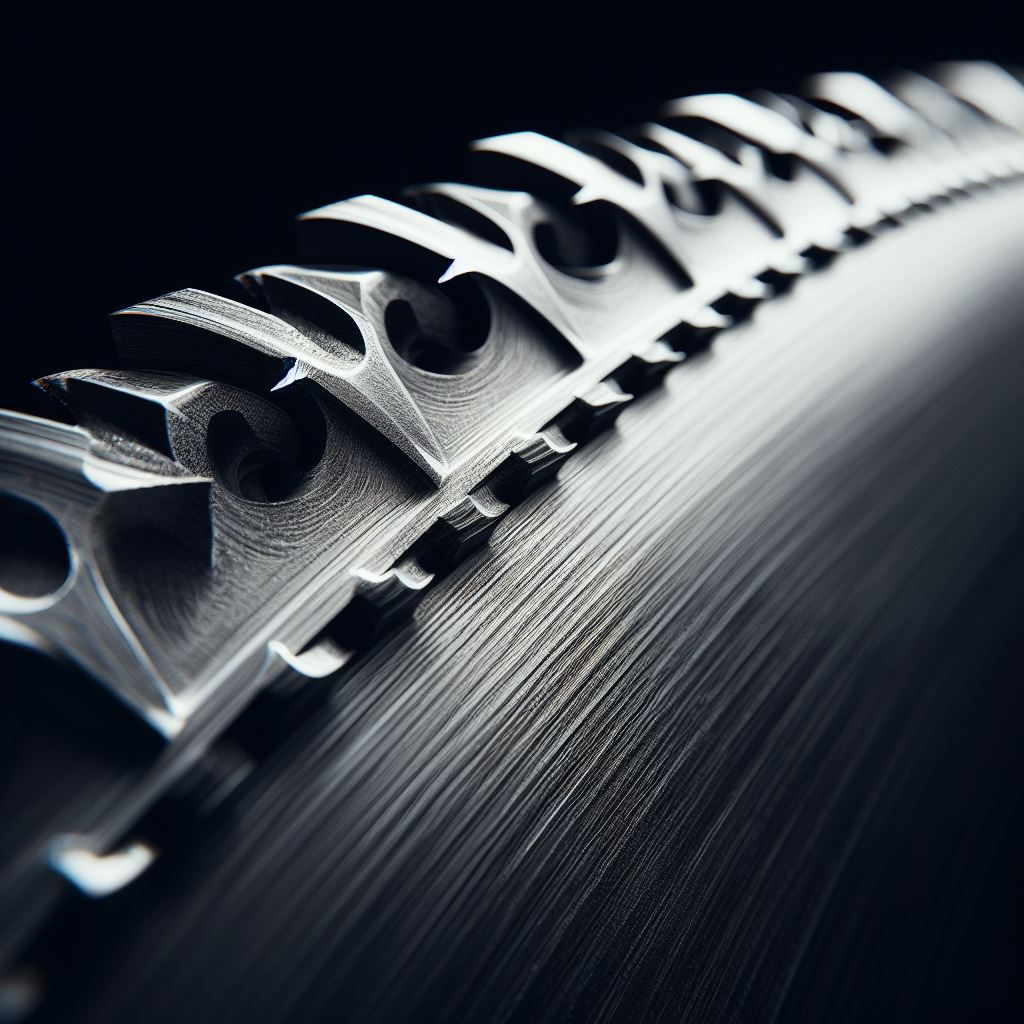
Cutting wet wood with a pruning saw is generally safe when proper precautions are followed. The main safety concerns include reduced grip due to slippery surfaces and increased cutting resistance that can lead to hand fatigue. Professional tree care specialists regularly cut wet wood using proper safety equipment and techniques.
Safety risks increase when wet conditions are combined with overhead cutting or awkward positions. Pruning saw accidents often occur when users lose control due to unexpected resistance or slippery grips. Essential safety measures include using non-slip gloves, maintaining stable footing, and keeping the saw blade sharp for efficient cutting. For optimal cutting angles, this guide on pruning saw angles provides detailed guidance for various cutting scenarios.
How Does Moisture Affect Cutting Efficiency?

Moisture significantly reduces cutting efficiency by making wood denser and more fibrous. Wet wood fibers compress rather than cut cleanly, causing the saw teeth to work harder with each stroke. This increased resistance typically extends cutting time and requires more physical effort from the user.
The moisture content in wood affects how the material behaves under cutting stress. Green wood with high moisture content tends to be more elastic, while partially dried wet wood can be quite tough and stringy. Understanding these characteristics helps you select the appropriate saw and technique. Learning about the ideal length for a pruning saw helps you choose tools that provide better leverage and control when working with challenging wet wood conditions.
What Exactly Is a Pruning Saw?
A pruning saw is a specialized cutting tool designed specifically for trimming tree branches and woody plant material. These saws feature curved or straight blades with aggressive, sharp teeth that cut on the pull stroke, making them highly effective for precision cutting in tight spaces. Most pruning saws have blades ranging from 6 to 24 inches, with longer blades providing better reach for higher branches.
Pruning saws differ from regular hand saws in their tooth design and cutting action. The teeth are typically larger and more aggressive, with deep gullets that help clear sawdust and wood chips efficiently. This design makes them particularly suitable for cutting living wood, which tends to be more fibrous and sticky than seasoned lumber.
- Efficiency: A pruning saw cuts through wet wood effectively, allowing for controlled branch removal even in damp conditions.
- Gentle on Wood: Wet wood’s softer nature reduces stress on the saw blade, causing less wear during the cutting process.
- Fire Safety: Cutting wet wood eliminates fire hazards, as moisture prevents sparks and reduces dust production.
- Tree Health: Removing wet, diseased branches prevents pathogen spread and promotes healthy tree growth.
- Clean Cuts: Properly executed cuts on wet wood heal faster and reduce the risk of disease entry points.
- Reduced Splintering: Wet wood fibers tend to compress rather than split, resulting in cleaner cut surfaces.
- Better Access: Wet conditions often mean less foliage, providing clearer access to branches that need removal.
What Precautions Should You Take When Cutting Wet Wood?

When cutting wet wood with a pruning saw, essential precautions include wearing non-slip gloves that provide secure grip even when wet. The slippery nature of wet wood requires extra attention to hand positioning and cutting technique. Always maintain three points of contact when working at height, and consider using a reliable cutting tool comparison to choose the best saw for wet conditions.
Safety equipment becomes even more important when working with wet wood due to increased unpredictability. Wear safety glasses to protect against flying wood chips and water spray, and use sturdy footwear with good traction. Position yourself to avoid cutting overhead when possible, as wet branches can be heavier and more likely to bind the saw unexpectedly.
How Do You Cut Wet Wood Effectively?
Effective wet wood cutting requires modified techniques that account for the material’s changed properties. Use shorter, more controlled strokes rather than long, aggressive cuts to prevent the blade from binding. Apply steady, consistent pressure while allowing the saw teeth to do the work rather than forcing the cut.
Clean the saw teeth frequently during wet wood cutting to remove accumulated sawdust and fiber buildup. This maintenance step significantly improves cutting efficiency and prevents the saw from becoming clogged. Consider using a small brush or stick to clear debris from between the teeth during extended cutting sessions.
Does Water Damage a Pruning Saw Blade?
Water exposure can potentially damage pruning saw blades, particularly if the tools are made from carbon steel rather than stainless steel or have protective coatings. Prolonged moisture exposure may lead to rust formation, which dulls the cutting edge and weakens the blade structure. However, quality pruning saws are typically designed to handle occasional wet conditions.
High-quality pruning saws from manufacturers like Silky, Corona, and Bahco often feature corrosion-resistant coatings or stainless steel construction that provides better moisture resistance. These premium tools generally maintain their cutting performance longer when used on wet wood, though they still require proper maintenance to prevent corrosion and ensure longevity.
How Do You Maintain a Saw After Using It on Wet Wood?
Proper maintenance after cutting wet wood involves immediate cleaning and thorough drying of the entire saw. Remove all wood debris from the teeth using a small brush or compressed air, then wipe the blade completely dry with a clean cloth. This prevents moisture from sitting on the metal surfaces where it could cause corrosion.
Apply a light coating of machine oil or specialized tool lubricant to the blade after drying to create a protective barrier against moisture. Store the saw in a dry location with good air circulation, avoiding enclosed spaces where trapped humidity could promote rust formation. Regular maintenance extends tool life significantly when working frequently with wet materials. For additional maintenance guidance, explore our resources on adjusting saw stroke length and using reciprocating saws for tree pruning.
- Increased Effort: Wet wood requires more physical effort due to increased density and fiber resistance during cutting.
- Decay Exposure: Cutting through wet, rotting wood may expose you to mold spores and decaying material that can cause respiratory irritation.
- Grip Challenges: Wet surfaces require extra attention to hand positioning and may necessitate frequent grip adjustments.
- Tool Maintenance: Wet wood cutting demands more frequent cleaning and immediate post-use maintenance to prevent corrosion.
- Blade Binding: Wet wood fibers can compress and bind around the saw blade, requiring careful technique to avoid sticking.
- Safety Equipment: Moisture increases the importance of proper safety gear, including non-slip gloves and protective eyewear.
- Cutting Precision: Wet wood’s unpredictable behavior requires slower, more deliberate cutting to maintain accuracy and control.
Other Related Questions
- How do you minimize vibration when using a reciprocating saw?
- How do you thread the blade on a scroll saw?
- Can a scroll saw cut through acrylic?
- What is the maximum cutting depth for a typical scroll saw?
- How do you reduce burning when cutting wood with a scroll saw?
Is It Easier to Cut Dry Wood or Wet Wood?
Dry wood is generally easier to cut than wet wood due to lower density and reduced fiber resistance. When wood dries, it becomes lighter and less fibrous, allowing saw teeth to cut through more efficiently with less physical effort. Dry wood also produces cleaner cuts with less binding and clogging of the saw teeth.
However, the cutting experience varies significantly based on wood species and the degree of moisture content. Partially dried wood can actually be more challenging than either very wet or completely dry wood, as it combines toughness with unpredictable grain behavior. Fresh-cut green wood, while wet, often cuts more predictably than wood that has begun drying unevenly.
What Are the Risks of Cutting Wet Wood?
The primary risks of cutting wet wood include increased likelihood of saw blade binding, which can cause sudden stops and potential injury to the user. Wet wood’s unpredictable behavior can lead to unexpected branch movement or splitting that may catch operators off guard. Additionally, the increased cutting resistance can cause hand and arm fatigue more quickly.
Moisture in wood can also harbor mold, fungi, and bacteria that become airborne during cutting. These microorganisms can cause respiratory irritation or allergic reactions in sensitive individuals. Proper ventilation and protective equipment help minimize exposure to these biological hazards when cutting wet or decaying wood materials.
Can You Use a Chainsaw on Wet Wood?
Chainsaws can effectively cut wet wood and are often preferred for larger wet wood cutting tasks due to their power and aggressive cutting chains. The high-speed chain action helps clear wet sawdust and debris more efficiently than hand saws, reducing clogging issues. Professional loggers routinely use chainsaws on freshly felled trees regardless of moisture content.
When using chainsaws on wet wood, expect faster chain dulling and increased maintenance requirements. The abrasive nature of wet wood particles can wear cutting edges more quickly than dry wood cutting. Regular chain sharpening and proper lubrication become even more critical for maintaining cutting performance. For more information on power tool maintenance, consider reading about reciprocating saw benefits for various cutting applications.
Can You Use a Pruning Saw on Wet Wood?
Pruning saws work well on wet wood when used with proper technique and maintained appropriately. These specialized cutting tools are designed to handle the fibrous nature of living wood, which is naturally high in moisture content. Many professional arborists prefer pruning saws for wet wood work because of their precise control and clean cutting action.
Success with pruning saws on wet wood depends largely on blade quality and maintenance. Premium saws with aggressive tooth patterns and corrosion-resistant materials perform better in wet conditions and require less frequent sharpening. Regular cleaning during use and proper post-use care ensure consistent performance across various moisture conditions. When working with challenging materials, you might also benefit from learning about reciprocating saw capabilities for tough cutting tasks.
What Tools Work Best for Wet Wood Cutting?
The best tools for wet wood cutting include pruning saws with aggressive tooth patterns, chainsaws with appropriate bar lengths, and reciprocating saws with wood-cutting blades designed for green lumber. Hand tools like pruning saws offer excellent control for precision work, while power tools provide efficiency for larger jobs.
Tool selection depends on the specific cutting task and wood size. For branches under 4 inches, a quality pruning saw typically provides the best combination of control and efficiency. Larger diameter wet wood often requires chainsaws or reciprocating saws for practical cutting speeds. Consider exploring comprehensive saw comparisons to understand which tools work best for your specific wet wood cutting needs.