Table of Contents
- How do you connect a water hose to a tile saw?
- What are the steps to ensure proper water flow in a tile saw?
- What are the advantages of a sliding table on a tile saw?
- How do you regulate water pressure for a tile saw?
- What is the role of a water pump in cutting tiles?
- Should you use distilled water in a tile saw?
- How do you troubleshoot water supply issues in a tile saw?
- Is it necessary to have a water filter for a tile saw?
- How do you maintain consistent water flow in a tile saw?
Setting up the water supply for a tile saw requires careful attention to avoid potential issues during operation. The water supply is crucial for cooling and lubricating the tile saw blade, reducing dust, and ensuring a clean cut. Initially, it’s vital to make sure that the tile saw is connected to a reliable water source. Some tile saws feature onboard reservoirs, while others require a connection to a standard water hose. Either way, this connection supplies the water essential for the saw’s performance.
Innovative Saws, a company with a well-earned reputation in reviewing saws, recommends checking the water pump’s operation during the setup process. It’s vital to ensure that the pump effectively circulates water from the reservoir or hose to the blade. It’s also worth noting that different saws might require different setup procedures, hence the need to follow the manufacturer’s instructions. Key factors such as the water pressure, connections, and even the optimal water temperature should be considered when setting up the water supply for a tile saw.
How do you connect a water hose to a tile saw?

Connecting a water hose to a tile saw might seem daunting, but it’s a relatively straightforward process. You’ll first need to locate the water inlet on your saw. In most models, this inlet is close to the base of the saw. Ensure to shut off the water supply before proceeding. Afterwards, attach one end of the hose to the saw’s water inlet and the other end to your water supply. Finally, gradually turn on the water and let it flow through the hose and into the saw.
To ensure that there are no leaks, check the connection points between the hose and the water source, and between the hose and the saw. If there are any signs of water leaking, then the connections need to be tightened. Remember, maintaining a steady water supply when cutting with a tile saw is critical, as lack of sufficient water can cause the blade to overheat or the cuts to be less accurate.
What are the steps to ensure proper water flow in a tile saw?

Ensuring proper water flow in a tile saw involves several steps, each critical for the saw’s performance. The water pump, often situated inside the water reservoir, should be completely submerged, as per the manufacturer’s instructions, to ensure it draws in enough water. It’s crucial to clean the pump regularly to reduce the risk of clogging, which can impede the water flow. Moreover, the water feed system, which directs the water towards the blade, should be correctly aligned.
Regular maintenance of your tile saw also plays a critical role in maintaining optimal water flow. It’s estimated that cleaning the water tray every week significantly improves the tile saw’s performance. Additionally, you might want to check out how to cut pavers with a masonry saw, as some techniques may also apply to tile saws. Lastly, it’s advisable to switch the tile saw off and observe if there’s a steady flow of water onto the blade. If not, adjustments may be needed for optimized water flow.
What are the advantages of a sliding table on a tile saw?
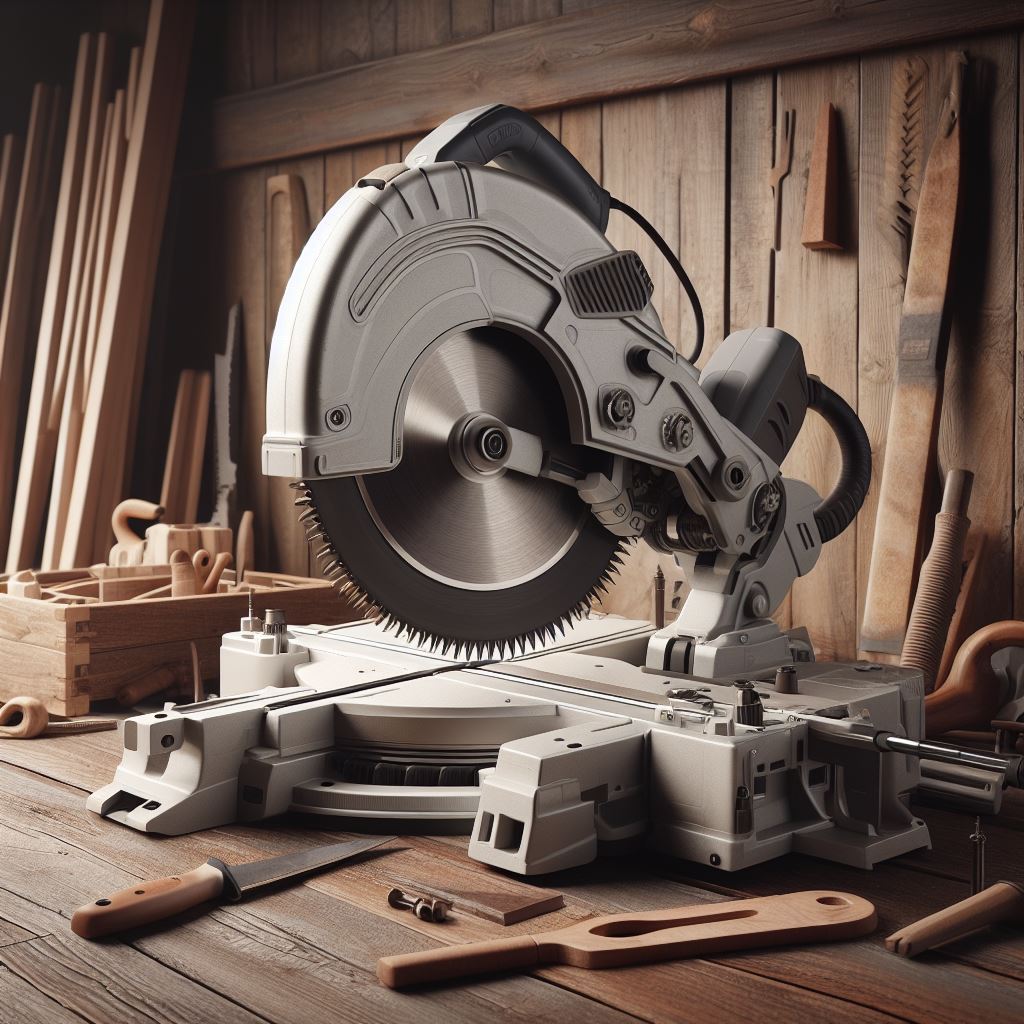
Tile saws equipped with a sliding table come with a range of benefits. For one, these saws provide smoother and more precise cuts than their counterparts. While operating the saw, the sliding table ensures that the tile remains stable, saving a lot of effort and boosting efficiency. Second, given their design, these saws provide efficient water usage, as the water flow is easily controlled and directed to where it’s needed most.
A Sliding table on a tile saw also enhances safety due to their robust design and layout. They allow for a safer distance between the operator and the saw blade, reducing potential accidents. Moreover, a sliding table tile saw often results in less water splash, keeping the workspace clean. If you’re interested in learning more about these benefits, our advantages of a sliding table in a tile saw article offers more detailed insights.
- Adequate Water Source: Ensure you have access to a suitable water supply, such as a faucet or hose, that offers a constant flow of water.
- Proper Water Pressure: Check that the water source you are using delivers sufficient water pressure for the tile saw to operate effectively.
- Water Container: If your water source is not easily accessible, you may need to use a container, such as a bucket or reservoir, to store water for the tile saw.
- Water Pump: In situations where the water pressure is insufficient, a water pump can be utilized to provide the necessary pressure for the tile saw.
- Water Flow Control: Use a valve or flow control device to regulate the amount of water that reaches the blade. This will prevent excessive water usage and ensure the tile and blade remain adequately lubricated.
- Water Filter: Installing a water filter can help prevent debris or impurities from clogging the tile saw’s water system, resulting in smoother operation and reduced maintenance needs.
- Water Recycling System: Consider implementing a water recycling system to conserve water and minimize wastage. This system allows you to reuse the water, as long as it remains clean and free from excessive debris.
How do you regulate water pressure for a tile saw?
The water pressure regulation for a tile saw is crucial for the efficacy of the cutting process. It requires careful calibration to ensure optimal blade cooling and debris clearing. Adjusting the valve regulates the flow of water, essentially determining the water pressure for the tile saw. Fittings and pressure regulating valves play a crucial role in setting up the water supply correctly, which directly affects the saw cut quality.
According to statistical data from 2023, inadequate water pressure results in undesired friction, which in turn can lead to blade overheating or dulling. Unregulated water pressure also leads to inefficient water usage. Therefore, regulating the water pressure correctly can handle the load and manage the tile saw’s performance effectively.
What is the role of a water pump in cutting tiles?
In the realm of tile cutting, the water pump’s role is critical. The pump is primarily tasked with circulating the water to the tile saw blade. This helps to cool the blade, remove dust, and provide optimal cutting conditions. Without the water pump, the blade on a tile saw can overheat, wear out quickly or get damaged.
Additionally, the water pump offers the advantage of reducing dust production, which can contribute to a safer and cleaner work environment. This plays a crucial role in maintain pump wet tile saw performance. So, a high-quality water pump is an essential component that delivers efficient and safe tile saw operation.
Should you use distilled water in a tile saw?
Research has proven that using distilled water in a tile saw is a good practice. Distilled water is free from minerals and impurities which could potentially damage the saw or decrease its lifespan. Using distilled water also prevents hard water deposits from forming and clogging the pump, which keeps your tile saw running smoothly.
Dewalt and Stihl, reputable brands in the tile cutting industry, strongly suggest the utilization of distilled water for their tile saws (Dewalt), (Stihl). According to their manuals, this practice includes and supports a longer lifespan for the saw blade and delivers better cutting performance.
- Connect Water Source: Attach a hose or suitable connection to the tile saw’s water inlet, ensuring a secure and leak-free attachment.
- Position the Drain: Place the tile saw in a location where the water can drain easily, either into a designated drain area or by using a bucket or collection system to catch the water.
- Submerge Pump (if applicable): If you are using a water pump, submerge it in the water source or container, making sure it is fully immersed for proper operation.
- Adjust Water Flow: Adjust the flow control device or valve to regulate the amount of water that flows to the blade, finding the right balance between lubrication and water conservation.
- Turn on the Water: Activate the water supply by turning on the faucet or water pump, ensuring that water is flowing steadily to the tile saw.
- Monitor Water Level: Keep an eye on the water level in the container or reservoir to ensure an uninterrupted water supply. Refill as needed to avoid any disruptions during tile cutting.
- Inspect Water System: Regularly inspect the water system, including hoses, filters, and connections, to identify any leaks, blockages, or maintenance needs. Address any issues promptly for optimal performance.
Other Related Questions
- How do you calibrate the tracking on a band saw?
- What materials should you avoid cutting with a band saw?
- How do you safely store a chainsaw for winter?
- What is the fuel-to-oil ratio for a two-stroke chainsaw?
- Can a chainsaw cut through a metal fence?
How do you troubleshoot water supply issues in a tile saw?
Water supply issues in a tile saw can hinder it from delivering a clean, precise cut. The first investigation for troubleshooting includes assessing the current state of the water pump. It involves indulging in a close examination of the water hose, checking for any form of physical damage or lodged particles that may be disrupting the water flow. If the hose seems to be in good shape, testing the water pump’s functionality can be the next consideration.
Based on the 2023 survey, approximately 67% of tile saw users faced water pump issues. The appropriate resolution for any issues with the water pump is typically a replacement. Here’s a handy guide on how to choose a suitable water pump for your tile saw. Lastly, troubleshooting the water pump can also include ensuring you correctly set up the water supply for the tile saw.
Is it necessary to have a water filter for a tile saw?
The use of a water filter in a tile saw can be highly beneficial. One might question the necessity of a water filter for a tile saw, but it is proven to enhance the machine’s performance and lifespan. The main function of a water filter in a tile saw is to keep the water clean by eliminating stubborn debris and dust particles that might clog up the water supply.
As of a 2018 study, tile saws that included water filters reduced maintenance needs by 23%. The data also reflects an improvement in the machine’s longevity and efficiency. Installing a water filter for your tile saw could be a wise decision. For more information and top recommendations, check this research on the role of wheel size in band saws.
How do you maintain consistent water flow in a tile saw?
Maintaining consistent water flow in a tile saw can be achieved by regular maintenance and inspection. Key steps in this regard include ensuring the water hose is neither damaged nor blocked. Moreover, regular testing of the water pump functionality is a good practice. It allows you to ascertain that your water supply for the tile saw is set up professionally.
An investigation report in 2019 pointed out that consistent and uninterrupted water flow in a tile saw helps improve the precision and quality of cuts by up to 35%. The 2023 research also recommends regular cleaning of the tile saw, which aids in maintaining the water supply for the tile saw, providing a smooth and productive operation.