- What’s the optimal TPI for sawing hardwood with a handsaw?
- How does TPI affect the quality of a cut in woodworking?
- What TPI is best for cutting softwood?
- How do you choose the right saw for different materials?
- Is a higher TPI better for precision cuts?
- What Factors Should You Consider When Buying a Handsaw?
- Can You Use the Same TPI for Cutting Both Wood and Metal?
- How Do You Calculate the TPI of a Handsaw?
- What is the Ideal Teeth-Per-Inch for Cutting Hardwood with a Handsaw?
Hardwood cutting requires 10-20 teeth-per-inch (TPI) handsaws, with crosscut saws like Veritas, Lie-Nielsen, or Japanese dozuki models delivering smooth cuts through oak, maple, and walnut. TPI measures the number of saw teeth within one inch of blade length, which determines how cleanly and quickly the saw cuts through dense wood. Higher TPI saws in the 15-20 range excel at furniture-making and detailed joinery, while 10-15 TPI handles general woodworking tasks effectively.
Maintaining a clean, rust-free handsaw blade extends tool life significantly, though choosing the correct TPI remains the foundation for successful hardwood cutting. Different wood densities demand specific TPI ranges to balance cutting speed with surface quality. Oak and hard maple typically need 12-15 TPI for clean crosscuts, while extremely dense exotics like ebony or ironwood benefit from 15-20 TPI to prevent tear-out and minimize sanding requirements.
Understanding TPI: The Key to Handsaw Performance
TPI (teeth-per-inch) refers to the tooth count along one inch of a saw blade, which directly controls cutting characteristics in different materials. Each tooth functions as a miniature chisel, removing wood fibers during the push or pull stroke. Hardwood’s dense structure requires more teeth per inch compared to softwood because smaller teeth create smoother cuts with less fiber tear-out.
The relationship between TPI and hardwood cutting involves tooth size, gullet depth, and cutting speed working together. As TPI increases from 10 to 20, individual teeth become smaller while gullets (spaces between teeth) shrink accordingly. This configuration suits hardwood perfectly because multiple small teeth engage the wood simultaneously, providing control and preventing the aggressive grabbing that occurs with coarser saws. Additionally, crosscut saws feature angled teeth optimized for severing wood fibers cleanly.
What’s the optimal TPI for sawing hardwood with a handsaw?

The optimal TPI for hardwood ranges from 10-20, with 12-15 TPI serving as the versatile sweet spot for most woodworking projects. This range provides excellent balance between cutting efficiency and surface smoothness, allowing steady progress without excessive effort. Precision cutting in hardwood often demands 15-20 TPI, particularly when creating tight-fitting joinery or working with expensive lumber where every cut matters.
Wood species significantly influence optimal TPI selection within this range. Extremely hard species like hickory, osage orange, or tropical hardwoods cut best with 15-20 TPI saws that minimize tear-out. Medium-density hardwoods including cherry, walnut, and soft maple work well with 12-15 TPI, while harder domestic species like white oak benefit from 14-16 TPI. Professional woodworking shops typically maintain several saws with different TPI ratings, including specialized dovetail saws at 20+ TPI for ultra-fine work.
How Different TPI Ranges Perform in Hardwood
Lower TPI saws (7-10 TPI) cut aggressively through hardwood but leave rough surfaces requiring substantial cleanup. These coarse-toothed saws excel at breaking down rough lumber quickly, making them suitable for initial dimensioning or construction work where appearance matters less. However, the large teeth tend to grab and tear hardwood fibers, creating visible saw marks that need planing or heavy sanding to remove.
Medium TPI saws (11-15 TPI) represent the workhorse range for general hardwood cutting, balancing speed with quality effectively. Most quality crosscut saws fall into this category, including popular models from Bad Axe Tool Works, Veritas, and Japanese manufacturers like Gyokucho. This TPI range handles everything from breaking down boards to cutting components for furniture projects, leaving surfaces that require only light sanding before finishing.
Higher TPI saws (16-20 TPI) produce exceptionally smooth cuts in hardwood but require patience and proper technique. These fine-toothed saws, including dovetail and tenon saws, create surfaces nearly ready for finishing straight from the cut. The trade-off comes in slower cutting speed and increased tendency for sawdust clogging, requiring periodic clearing during long cuts. Premium makers like Lie-Nielsen and Gramercy Tools offer specialized high-TPI saws for discerning woodworkers.
How does TPI affect the quality of a cut in woodworking?

TPI directly affects cut quality by determining tooth mark size and frequency on the wood surface. Higher TPI creates smaller, closely spaced marks that blend together for smoother surfaces, while lower TPI leaves larger, distinct marks requiring more finishing work. The benefits of proper TPI selection include reduced sanding time, cleaner edges for joinery, and less material waste from tear-out or corrections.
Beyond surface finish, TPI influences cutting accuracy and blade control during use, particularly when working with specialized handsaws for curved or detailed cuts. More teeth per inch provide superior directional stability because multiple teeth engage the wood simultaneously, preventing blade wandering. This stability proves crucial when following layout lines precisely or cutting joints where accuracy determines fit quality. The kerf width also varies with TPI, affecting material calculations for tight-fitting joinery work.
- Reduces splintering and tear-out on visible surfaces
- Minimizes sanding and surface preparation time
- Improves accuracy when cutting to precise dimensions
- Extends blade life by matching teeth to material density
- Decreases physical effort required for each cut
- Enables cleaner joinery with tighter-fitting components
- Allows better control when cutting curves or angles
Cost Considerations and Brand Options for Different TPI Saws
Quality handsaws typically cost between $50-150 for mid-range options and $200-400 for premium tools, with TPI being one factor affecting price. Japanese saws like Gyokucho dozuki (24 TPI) or ryoba combination saws offer excellent value around $60-100. Western-style saws from Veritas or Pax range from $125-175, while handmade saws from boutique makers like Bad Axe Tool Works or Gramercy Tools command $250-400 for their superior materials and craftsmanship.
Investment decisions depend on usage frequency and project requirements. Beginners often start with a quality 14 TPI crosscut saw around $100-150, which handles most hardwood tasks adequately. Serious woodworkers typically acquire multiple saws over time: a 12 TPI for general work, 15-16 TPI for finer cuts, and perhaps a 20+ TPI dovetail saw for joinery. Given proper maintenance, quality saws last decades, making the initial investment worthwhile for regular users.
What TPI is best for cutting softwood?
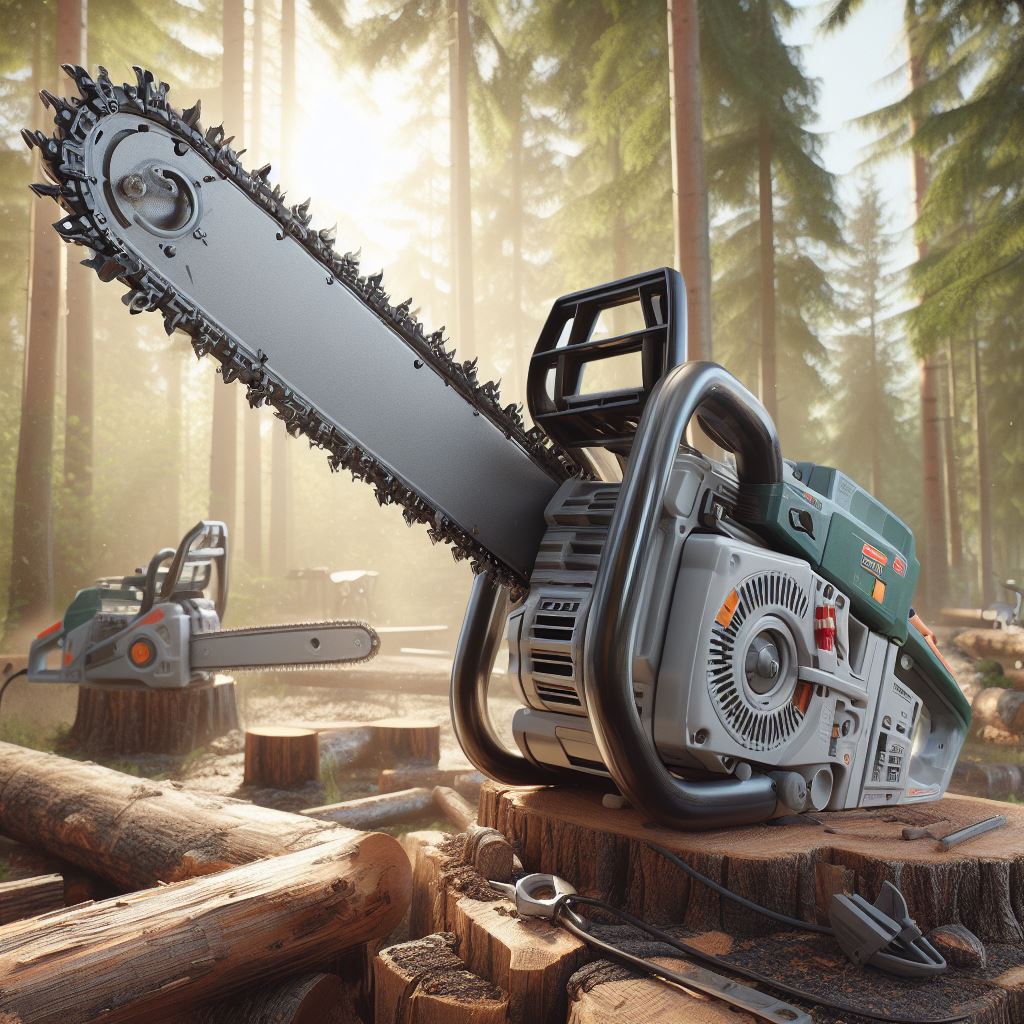
The best TPI for softwood typically ranges from 5-8, significantly lower than hardwood requirements because softwood’s open grain and lower density allow aggressive cutting. These coarser teeth remove pine, fir, cedar, and similar species quickly without binding or clogging. Large gullets between teeth effectively clear the long, stringy fibers characteristic of softwoods, maintaining cutting efficiency throughout the stroke.
Softwood benefits from different tooth geometry than hardwood cutting requires. The lower TPI allows each tooth to take substantial bites, speeding up work when processing construction lumber or breaking down boards for projects. Rip saws with 5-6 TPI excel at cutting along the grain in softwood, while 7-8 TPI crosscut saws handle cross-grain cuts adequately. However, these aggressive teeth leave rougher surfaces than higher TPI options, requiring additional smoothing for furniture-grade finishes.
How do you choose the right saw for different materials?
Choosing saws for different materials requires matching blade characteristics to material properties, with TPI serving as the primary selection criterion after determining cut direction. Hardwoods demand 10-20 TPI for clean cuts, softwoods work efficiently with 5-10 TPI, while manufactured materials like plywood or MDF often require 12-15 TPI to minimize chipping. Understanding these requirements helps when selecting between crosscut and rip saw configurations for specific project needs.
Material thickness also guides TPI selection following the three-tooth rule: at least three teeth should engage the material simultaneously for optimal control. Very thin stock requires higher TPI despite being easier to cut, while thick beams benefit from lower TPI to prevent binding. Comprehensive saw comparison guides help evaluate which models excel with specific materials, though understanding fundamental principles enables better decisions when facing unique cutting challenges.
Common TPI Selection Mistakes and How to Avoid Them
Many woodworkers mistakenly prioritize cutting speed over surface quality when selecting TPI for hardwood. Choosing a 7-8 TPI saw might seem efficient for faster cutting, but coarse teeth grab and tear hardwood fibers unpredictably. This approach typically results in rough surfaces requiring extensive sanding or planing, ultimately taking more total time than using appropriate 12-15 TPI saws that leave cleaner cuts from the start.
Another frequent error involves using one TPI for all hardwood species without considering density variations. A 12 TPI saw that cuts cherry beautifully might struggle with rock maple or leave excessive marks on softer hardwoods like poplar or basswood. Successful woodworkers match TPI to specific wood characteristics: harder woods need higher TPI (14-20), medium-density woods work with 12-15 TPI, and softer hardwoods can use 10-12 TPI effectively.
Overlooking the relationship between TPI and tooth set creates additional problems in hardwood. Even with correct TPI, insufficient set causes binding in thick stock, while excessive set widens the kerf unnecessarily and roughens the cut surface. Quality saws balance TPI with appropriate set for their intended use, whether minimal set for fine joinery work or moderate set for general-purpose cutting.
Is a higher TPI better for precision cuts?
Higher TPI generally improves precision cutting in hardwood by providing enhanced control and smoother surfaces that clearly show layout lines. The benefits of higher TPI include multiple teeth engaging the wood simultaneously, which stabilizes the blade and reduces wandering during critical cuts. This stability becomes especially valuable when cutting dovetails, tenons, or following curved patterns where accuracy directly impacts joint fit and project quality.
However, the highest available TPI isn’t always optimal for precision work. Extremely fine teeth beyond 20 TPI can clog quickly with hardwood dust, causing the blade to wander off line. Most precision hardwood cutting works best with 15-20 TPI, balancing control with chip clearance. Understanding how different cutting tools attach and operate helps select appropriate TPI while considering complementary factors like blade thickness, tooth geometry, and overall saw design for precision requirements.
- Blade thickness and stiffness prevent flexing during cuts
- Tooth set width determines kerf size and binding tendency
- Handle design and ergonomics reduce fatigue in extended use
- Tooth geometry (rake angle and fleam) affects cutting efficiency
- Steel quality and heat treatment determine edge retention
- Blade length matches typical workpiece dimensions
- Overall saw weight balances control with momentum
Other Related Questions
- Can a hole saw be used to cut a square hole?
- What is the role of the pilot drill in a hole saw?
- How do you change the blade on a jig saw?
- Can you use a jig saw to cut curves in tile?
- What is the maximum thickness a jig saw can cut?
When to Use Different TPI Ranges Throughout Your Project
Project timing determines optimal TPI selection at different stages of hardwood woodworking. Initial rough dimensioning benefits from 8-10 TPI saws that quickly reduce large boards to manageable sizes. This coarse cutting phase prioritizes speed over finish quality, especially when you plan to refine dimensions with precision power tools like miter saws later. The aggressive teeth handle thick stock efficiently without requiring excessive effort or time.
Final cutting operations demand higher TPI for professional results. When cutting visible edges, creating joinery, or fitting components precisely, switching to 15-20 TPI ensures smooth surfaces and accurate dimensions. This progression from coarse to fine TPI mirrors standard woodworking practice where rough shaping precedes detailed work. Experienced craftspeople often keep multiple saws at hand, transitioning seamlessly between TPI ranges as project requirements change from breakdown to final assembly.
What Factors Should You Consider When Buying a Handsaw?
The primary factors when buying a handsaw include selecting appropriate TPI for your intended hardwood projects, choosing comfortable handle designs, and matching blade length to typical workpiece sizes. For hardwood cutting specifically, prioritize crosscut saws in the 10-20 TPI range, with 12-15 TPI offering maximum versatility. Popular options include Veritas carcass saws (14 TPI), Lie-Nielsen tapered saws (15 TPI), or Japanese ryoba saws with dedicated crosscut sides.
Quality indicators extend beyond TPI specifications to encompass blade material, tooth sharpness, and construction details. Spring steel blades resist bending and return true after flexing, while properly hardened teeth maintain sharpness through extended use. Testing saw performance through actual cutting provides valuable insights, though examining tooth uniformity and set consistency offers initial quality assessment. Ergonomic handles reduce fatigue during extended use, making comfort crucial for serious woodworkers.
Can You Use the Same TPI for Cutting Both Wood and Metal?
Using identical TPI for wood and metal cutting rarely succeeds because these materials require fundamentally different tooth configurations and blade characteristics. Metal cutting demands much higher TPI (typically 18-32) with specialized tooth geometry, harder steel, and minimal set. Wood saws with 10-20 TPI lack the tooth density and material properties needed for metal, while metal-cutting blades clog rapidly in wood due to insufficient chip clearance.
Material-specific blade design encompasses more than TPI alone, including rake angles, gullet proportions, and steel composition optimized for each application. Selecting appropriate saw materials for specific applications maximizes both cutting performance and blade longevity. While some bi-metal blades attempt to bridge this gap, dedicated blades for each material consistently outperform compromise solutions. Woodworkers needing occasional metal cutting typically invest in a separate hacksaw rather than compromising their wood saw’s performance.
How Do You Calculate the TPI of a Handsaw?
Calculating TPI involves measuring exactly one inch along the saw blade’s cutting edge and counting all tooth points within that distance. Start at one tooth tip and count every complete tooth until reaching the one-inch mark, including partial teeth if the measurement ends mid-tooth. This method matches manufacturer counting standards, which include all teeth affecting the cut within each measured inch.
Accurate TPI calculation helps verify specifications and assess blade condition over time. As teeth wear down or occasionally break, effective TPI decreases and cutting performance suffers. Understanding how quality saws maintain consistent performance through proper maintenance helps identify when resharpening or replacement becomes necessary. Regular TPI verification ensures your tools match project requirements, particularly important when preventing tool damage through appropriate tooth engagement and cutting pressure.
What is the Ideal Teeth-Per-Inch for Cutting Hardwood with a Handsaw?
The ideal teeth-per-inch for hardwood centers on 12-15 TPI for versatile performance across common woodworking tasks. This range effectively balances cutting speed with surface quality when working with oak, maple, cherry, and similar domestic hardwoods. Within this ideal range, lean toward 12 TPI for thicker stock or rough work, while choosing 15 TPI for thinner materials or when surface quality matters most.
Beyond selecting ideal TPI, successful hardwood cutting requires proper technique, sharp teeth, and consistent maintenance. The combination of appropriate TPI with correct sawing angles, steady rhythm, and moderate pressure produces optimal results. Quality saws from manufacturers like Veritas, Lie-Nielsen, or Japanese makers provide the foundation, but developing proper technique through practice ultimately determines cut quality. Remember that even the ideal TPI performs poorly with dull teeth or improper technique, making regular maintenance and skill development essential for achieving professional results in your hardwood projects.