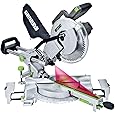
Delta 10 Sliding Compound Miter Saw 26-2241
Category: Miter Saws
Yes the Delta 10 ” Sliding Compound Miter Saw 26-2241 suits many DIY woodworkers. It balances 10-inch capacity, dual bevels, and a 15 A motor. Miter Saws deliver crosscut and compound-angle control essential for trim and framing.
Evaluating Delta 26-2241 Performance for DIY Woodworkers
The Delta 10 ” Sliding Compound Miter Saw 26-2241 delivers accurate cuts for small trim and framing. As an entry-level option, this model shows why Miter Saws fit most home workshops. Users praise the shadow guide and front miter controls for quick, repeatable setups. Its 55-pound weight remains manageable for bench placement and occasional movement.
How accurate is the rip fence and blade alignment over time?
Delta 26-2241 projects consistent, repeatable cutting-line accuracy. Owners credit the shadow guide with producing a visible, consistent cut line for repeat cuts. Wear on fences and blade runout cause the most alignment drift over time, so owners should inspect these areas regularly. Simple checks take 10-30 minutes and preserve accuracy for seasonal projects.
- Blade diameter: 10″
- Arbor hole size: 5/8″
- No-load speed: 4,000 RPM
- Motor: 120V, 15 A (corded)
- Nominal cross-cut: 16″
These specs define compatibility with blades, measuring tools, and dust collection choices used during alignment checks.
Practical value and limitations for home workshop setups
Delta 10 ” Sliding Compound Miter Saw 26-2241 offers strong value for garage woodshops on a budget. Its corded 120V design and 7-foot cord require a 15 A circuit for full power and consistent cuts. The built-in controls and detent stops let beginners move between common angles quickly. Missing warranty and unclear included accessories mean buyers should verify listings before purchase.
Can a one-person garage handle installation and mobilization?
26-2241 Miter Saw installs and moves easily by one person. At 55 pounds, one adult can lift the unit onto a stand or bench safely. Use a miter saw stand with mounting slots or Kreg KMS7102 for easy setup and transport. Bolt mounting gives the most repeatable alignment, but a folding stand keeps the tool mobile for weekend projects.
- Weight: 55 lbs.
- Product dimensions: 29.5 D x 22.5 W x 20 H (inches)
- Cord length: 7 ft.
- Recommended circuit: 15 A
These measurements help you confirm bench space, transport options, and electrical supply in a typical one-car garage shop.
Long-term ownership costs and resale for Delta 26-2241
Delta 10 ” Sliding Compound Miter Saw 26-2241 keeps ownership costs moderate compared to brand-leading pro models. Expect routine expenses for quality blades, occasional slide lubrication, and periodic fence calibration tools. Brand recognition affects resale; DeWalt and Makita often hold higher used prices than less widely known brands. Lack of published warranty details increases risk, so save receipts and photos to support future resale.
What upgrades and aftermarket parts improve daily shop use?
10-inch sliding compound miter saw accepts common upgrades that boost accuracy and cleanup. Upgrade commonly with a well-built 10″ blade such as Diablo for cleaner cuts and slower dulling. Add a digital angle gauge like a Wixey model to speed accurate angle setup and reduce guesswork. Fit a 2.5-inch dust port adapter to connect a shop vacuum or small dust collector and lower cleanup time significantly.
- Recommended blades: Diablo 10″ or similar high-tooth plywood/finish blades
- Digital gauge: Wixey or equivalent WR-series digital angle reader
- Dust collection: 2.5″ hose adapter to a 1.5-2.5 HP shop vac
- Fence upgrades: tall auxiliary fences or screw-on T-square fence brackets
These upgrades typically cost $30-$200 and improve cut quality, setup speed, and workshop cleanliness.
Common follow-up questions DIY woodworkers search next
- How often should I replace the 10″ blade? Replace or resharpen when cuts show burn or tearout, typically after 200-500 board-feet for cheaper blades.
- Does the saw work with contractor stands? Yes, this model mounts to most industry stands that accept 29.5″ by 22.5″ footprints; always verify bolt hole spacing.
- Can I upgrade the fence to a precision aftermarket unit? Yes, many users add taller, machined fences or shop-made steel fences for better workpiece support.
Follow-up: What accessories should I buy first? Buy a good 10″ finish blade and a digital angle gauge first. Follow-up: How do I test blade runout? Use a dial indicator or straightedge and mark a baseline cut to reveal wobble. These simple steps improve long-term accuracy and reduce replacement costs.