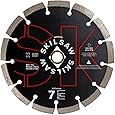
SKIL 7 Walk-Behind Worm Drive Skilsaw for Concrete (Model SPT79A-10) – Tile & Masonry Saw
Category: Tile & Masonry Saws
Choose the SKIL 7″ Walk-Behind Worm Drive Skilsaw for Concrete (Model SPT79A-10) for heavy tile cutting. It offers worm-drive torque, wet/dry dust control, and die-cast durability. This model rates highly among Tile & Masonry Saws for jobsite resilience.
SKIL SPT79A-10 performance and cutting power vs walk-behind tile saws
The SKIL 7″ Walk-Behind Worm Drive Skilsaw for Concrete (Model SPT79A-10) produces strong torque for dense materials. Its worm-drive gearing and Dual-Field Motor prioritize sustained cutting power and cooler operation during long cuts. Among Tile & Masonry Saws, the gearing choice shifts performance; worm drive increases torque versus most consumer direct-drive units. At $729 street price, this 7-inch walk-behind competes with entry-pro models while offering robust construction and wet/dry dust control for OSHA-conscious jobsites.
- Model: SPT79A-10
- Blade diameter: 7″
- Drive type: Worm drive gearing
- Motor: Dual-Field Motor (improved cooling)
- Price: $729 USD
How do motor HP and RPM affect cutting on thick porcelain?
Dual-field motor delivers steadier torque for thick porcelain cuts. Higher horsepower and lower RPM maintain blade bite without glazing the porcelain. RPM (rotations per minute) means rotations per minute, and lower RPMs increase cutting pressure while reducing heat buildup. A 7-inch blade limits single-pass depth, so multiple passes or a larger walk-behind saw work for very thick slabs.
Evaluating portability, precision, and price in walk-behind tile saws
The SKIL 7″ Walk-Behind Worm Drive Skilsaw for Concrete (Model SPT79A-10) balances transport includes against commercial durability. An adjustable, folding handle and rust-resistant brackets improve onsite handling and storage compared with fixed-handle consumer saws. Buyers should compare weight, folded footprint, and table rigidity because these factors determine how easily you move and align the saw for precise cuts. If you need repeatable straight cuts, robust fence systems and pivoting pointers deliver better accuracy than low-cost portable saws.
Key mobility and precision includes that affect real-world use
- Adjustable folding handle for truck transport and compact storage
- Pivoting pointer for accurate blade alignment during repeat cuts
- Die-cast aluminum guard and foot for corrosion resistance on outdoor jobs
- Integrated wet/dry dust management for cutting in environments with water or minimal cleanup
Which includes most improve mobility for jobsite tile replacement?
Adjustable folding handle improves transport and storage efficiency. Lightweight but rigid frames reduce fatigue while preserving straight cuts and square fences. Quick-release or folding mechanisms let a single installer load the saw into a van or pickup without tools. Wheels, ergonomic grips, and rust-resistant fasteners further improve long-term mobility for outdoor and coastal jobs.
SKIL SPT79A-10 value: maintenance, warranty, and long-term costs
The SKIL 7″ Walk-Behind Worm Drive Skilsaw for Concrete (Model SPT79A-10) minimizes downtime with durable cast components and wet/dry dust management. The tested SKIL SPT79A-10 reduces corrosion risk via rust-resistant brackets, which lowers replacement frequency on outdoor jobs. Missing public warranty and cutting-depth specifications create uncertainty about long-term service costs compared to some pro-grade competitors. Buyers should budget for blade replacement, water supply fittings, and periodic bearing lubrication when calculating total ownership cost.
What routine maintenance tasks extend a saw s lifespan under heavy use?
Regular blade inspection prevents glazing and chipping that shorten blade life. Daily cleaning of the dust-management channels and rinsing wet components remove abrasive slurry that accelerates wear. Scheduled lubrication of pivot points and worm-drive gears reduces friction and preserves drive efficiency over thousands of cuts. Periodic motor cooling checks ensure the Dual-Field Motor runs within thermal limits and avoids premature failure.
- Inspect and dress diamond blades after each job to prevent glazing
- Flush water passages and clean wet/dry dust ports daily
- Lubricate worm drive gearboxes and pivot bearings every 50 hours
- Check trigger and safety switches monthly for reliable operation
Follow-up questions buyers often search next
- Can the SPT79A-10 cut 3/4-inch porcelain? The SPT79A-10 handles many dense tiles, but a 7″ blade typically limits single-pass depth to about 3/8″-1/2″. For 3/4″ porcelain, use multiple passes or a saw with a larger blade diameter.
- Does the saw require a dedicated water line? The SKIL Tile & Masonry Saw works wet or dry, but wet cutting needs a reliable water source and filtration to manage slurry and protect bearings.
- How does this saw compare to DEWALT or MK Diamond? SPT79A-10 matches entry-pro torque and corrosion resistance while often costing less than high-end MK Diamond walk-behinds; check specific model HP, cut depth, and warranty for a direct comparison.
the SPT79A-10 offers a compelling mix of worm-drive power, corrosion resistance, and jobsite includes at a mid-pro price point. SPT79A-10 durability includes lower long-term replacement costs when you perform recommended maintenance. For first-time buyers, compare cutting depth, warranty terms, and accessory compatibility before purchase to match the saw to your project needs.