Creating jigs for precision cuts on moldings in woodworking is essential for achieving professional-quality results. Jigs help woodworkers make repeatable cuts that improve the accuracy of their projects. Innovative Saws understands the importance of these tools and provides insights into building effective jigs. This article will offer practical tips, detailed guidance, and tools that enhance your woodworking precision.
The Essential Role of Precision in Woodworking Projects
Precision is crucial in woodworking because it directly impacts the quality, durability, and aesthetic appeal of projects, particularly in molding work. Accurate cuts ensure that joints fit tightly and visually pleasing lines are created. Reliable cutting tools help achieve these precise cuts consistently, enabling woodworkers to construct high-quality items. For professional molders, the typical margin of error in angle cuts should ideally be less than 1 degree, ensuring seamless integration of pieces and enhancing the overall craftsmanship.
Understanding Accurate Measurements in Woodworking
Accurate measurements are the foundation of effective woodworking, especially for moldings. Precision cuts are essential in ensuring that pieces align perfectly, creating seamless transitions and attractive designs. When using reliable cutting tools, woodworkers can maintain consistency across their work. For instance, a good miter saw can help achieve precise angles, reducing waste and improving efficiency. The importance of accuracy cannot be overstated as it influences the final aesthetic and functional success of the project.
Types of Jigs Commonly Used in Architectural Millwork
The most common types of jigs used in architectural millwork include miter saw jigs, router table jigs, and dedicated cutting jigs. Miter saw jigs enhance cutting accuracy by ensuring a consistent angle for bevel cuts, which is vital for molding joins. Router table jigs improve efficiency by guiding wood through the router, allowing for precise edges and profiles. Dedicated cutting jigs are designed specifically for repeatability, enabling millworkers to achieve the same cut repeatedly without needing adjustments. The average cost range for these jigs varies, often falling between $50 and $300, depending on their complexity and materials used.
Benefits of Using Repeatability Jigs in Woodworking
Repeatability jigs are essential in woodworking, especially for woodworkers working on projects involving multiple identical pieces. These jigs ensure that every cut remains consistent in size and shape, enhancing the overall quality of the project. They are designed for use with various tools, like table saws and miter saws, to deliver precise and fast results. Using repeatability jigs helps prevent waste due to miscuts, thus improving workflow efficiency. Woodworkers can easily set up these jigs for consistency, allowing for smooth transitions between different phases of the project. Innovative Saws offers a range of jigs specifically designed to meet the needs of both professionals and hobbyists in achieving optimal cutting precision.

Selecting the Best Materials for DIY Jigs
Choosing the right materials for creating effective jigs is crucial for achieving precision cuts in woodworking. The best materials typically include high-quality plywood, MDF (medium-density fiberboard), and hardwoods. Plywood offers strong support and stability, while MDF provides a smooth surface ideal for accurate measurements. Hardwoods like maple or birch are also excellent for their durability and resistance to warping. Essential hardware items include screws, bolts, and clamps that enhance the jig’s reliability and ease of use. To ensure the longevity of your jig, consider materials that can withstand repeated use and provide consistent performance.
Common Wood Types for Jigs in Woodworking
The most common wood types used in jig construction are plywood, MDF, and hardwood. Plywood is favored for its layered structure, which offers immense strength and stability. It handles heavy loads well and resists twisting, making it a favorite among woodworkers. MDF is chosen for its smooth surface, allowing for precise cuts and finishes. Hardwoods like maple and oak are often used for high-load applications due to their impressive durability and aesthetics. When selecting materials, prioritize options that provide excellent performance while accommodating your specific woodworking needs.
Key Numerical Facts for Precision Cutting Techniques
- 0.1 mm is the typical tolerance level for precise cuts in woodworking.
- 2-3 jigs are often needed for complex molding designs.
- 5 angles are commonly used in moldings: 0°, 22.5°, 30°, 45°, and 60°.
- 4 feet is the standard length for most jigs used in woodworking projects.
- 3 essential tools facilitate jig measurements: a tape measure, square, and marking tool.
- 1 guide rail improves accuracy and stability during cutting.
- 10 minutes is a typical time frame to set up a jig for cutting.
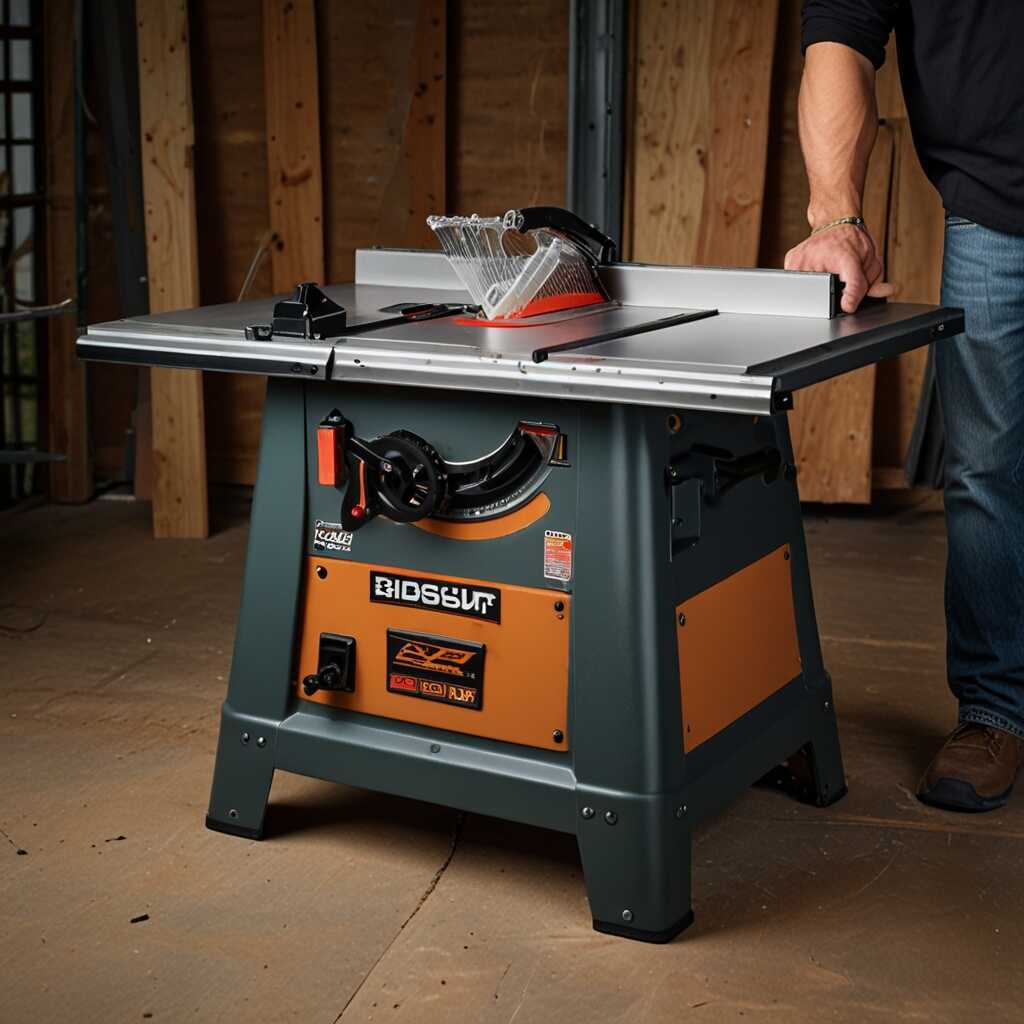
Guide to Building a Basic Precision Cutting Jig
To build a precision cutting jig, gather essential tools like a miter saw, plywood, clamps, measuring tape, and screws. Accurate measurements ensure your jig aligns perfectly with your molding pieces. The ideal base width for a cutting jig is typically 5 to 10 inches, providing reliable support. Testing the jig with scrap wood enhances its performance before making actual cuts. This process helps achieve consistent and precise angles for your molding projects.
Key Features of an Effective Cutting Jig
An effective cutting jig should include adjustable stops, a sturdy base, and a secure clamping mechanism. These features ensure that your cuts remain consistent and precise. Using high-quality materials like plywood enhances durability and reliability. Adjustable stops allow for quick changes between different molding profiles. A secure clamping mechanism ensures that the material does not shift during cutting, thus maintaining accuracy. With these specific features, your cutting jig will perform reliably and effectively across various woodworking tasks.

Strategies to Achieve Consistent and Repeatable Cuts
To improve repeatability in cuts using jigs in woodworking, consider utilizing dedicated jigs specifically designed for your molding types. Reliable jigs maintain cutting accuracy by providing stable reference points. Use clamps or hold-downs to secure your workpieces during cutting. Jigs made from durable materials, like plywood or MDF, offer the best performance. Regularly double-check your measurements before each cut to ensure precision. Explore various jig designs that suit your cutting tasks, as each type provides unique advantages for moldings, enhancing cutting efficiency. Performing tests with less expensive materials before final cuts can help you achieve desired results.
Understanding Different Jig Designs for Optimal Cutting Performance
Choosing the best jig design can significantly impact cutting performance in woodworking. For accurate angle cuts, miter jigs should be preferred, allowing for easy adjustments to various angles. For straight cuts, crosscut jigs help keep the workpiece aligned, ensuring consistency across multiple projects. Router jigs offer versatility for intricate designs, enabling precise patterns for decorative moldings. Always prioritize a sturdy base and clear measurement markers on your jigs. Using jigs specifically designed for your tools can enhance reliability, ensuring consistent cutting every time.
Advantages of Using Jigs for Accurate Cuts
- Jigs enhance repeatability in making identical cuts for molding pieces.
- They reduce the chance of errors while mounting the pieces.
- Cutting speed increases as jigs simplify the setup process.
- Users can achieve complex angles with ease using specialized jigs.
- Jigs can be customized to fit specific designs, ensuring versatility.
- They save materials by minimizing waste through precise cuts.
- Working with jigs increases overall project consistency and professionalism.

Common Pitfalls When Using Jigs in Woodworking
Common errors when using jigs can undermine cut accuracy. One major issue is poor jig alignment. Misalignment can destroy the reliability of your cuts. Also, failure to securely hold the workpiece can lead to significant mistakes. Different types of jigs, like miter or crosscut jigs, greatly affect the precision of cuts. Using an improper jig for the task can result in uneven cuts. Additionally, not measuring and marking accurately before cutting can lead to uneven pieces. It is crucial to understand how these factors influence the outcome. For crosscut jigs, the ideal length is often between 24 inches to 36 inches. This length helps ensure precise cuts without excess wobbling or unpredictable results, streamlining the cutting process.
Ensuring Proper Jig Alignment
Jig alignment is critical for achieving high cut accuracy. Misaligned jigs can lead to uneven cuts and wasted materials. When setting up your jig, start by ensuring that it is parallel to the saw blade. Use reliable measuring techniques to confirm both ends of the jig align correctly. This can be easily done with a reliable square or measuring tape. Test cuts on scrap material enable you to fine-tune your setup. Adjust the jig until the test cuts yield even results. This process enhances the overall quality and accuracy of your woodworking projects.
Incorporating Technology into Jig Design and Use
Software has revolutionized jig design for woodworking projects. Tools like CAD software allow users to create detailed 2D and 3D models of jigs, ensuring precise dimensions and fit. These applications enhance the planning phase, allowing users to visualize the jig before construction, thus reducing errors. Additionally, laser cutting machines have emerged as powerful tools for creating accurate jig components quickly and efficiently. Data from reviews of these technologies shows improved reliability and consistency in the jig-making process. Advanced CNC machines further enhance this process by automating cuts with high precision, enabling woodworkers to produce multiple jigs in less time.
Best Practices for Using Technology in Jig Design
Incorporating best practices in jig design involves leveraging jig design software and advanced cutting tools. Use software to create detailed plans and measurements, ensuring every angle and cut is precise. Maintain a reliable connection between software calculations and cutting tools to reduce discrepancies. Many woodworkers successfully implement laser engravers and CNC machines for enhanced accuracy. Reviews indicate that these tools can improve efficiency significantly. For maximum effectiveness, choose tools that meet specific project needs while ensuring they are user-friendly. Excel with proper testing and adjustments on each jig you create. This approach leads to quality results and better performance in advanced woodworking projects.
Brands and Users Interested in Cutting Devices
- DeWalt focuses on professional woodworkers and provides durable, high-performance jigs.
- Rikon offers innovative solutions, catering to both amateurs and seasoned professionals.
- Kreg features user-friendly jigs for hobbyists and DIY enthusiasts seeking precision.
- Bosch combines reliability and advanced features, appealing to contractors.
- Echo targets landscape professionals, supplying tools for outdoor cuts.
- Grizzly emphasizes affordability, attracting budget-conscious woodworkers.
- Festool is popular among high-end users, delivering unmatched precision and quality.
Tips for Caring and Maintaining Your Woodworking Jigs
To ensure the reliability and effectiveness of your woodworking jigs, follow best cleaning practices. Use a soft brush or cloth to remove wood dust and debris after each use. For more stubborn residues, mild soap and warm water can be beneficial. Avoid harsh chemicals that may damage the jig’s materials. Store jigs in a dry, cool place to prevent warping or rust. Regular inspections every few months help identify any wear or misalignments. This practice ensures that your jigs perform optimally for precise cuts over time.
Essential Techniques for Storing Woodworking Jigs
Proper storage solutions are essential to maintain the accuracy of your woodworking jigs. Consider using a dedicated pegboard or drawer system for organized placement, ensuring that they are easily accessible yet protected from damage. Keeping each jig in its designated spot prevents wear and helps you quickly identify any missing pieces. Adding protective covers can prevent dust accumulation and moisture exposure. Investing in quality storage solutions will greatly enhance the life of your jigs and guarantee their performance for years to come.