Discover specialized saws for Arctic expeditions in freezing conditions, designed to meet unique challenges. These saws ensure efficiency and safety when cutting through ice and snow or handling tough materials. Innovative Saws offers reliable tools tailored for cold climates, providing essential functionalities and specifications that stand up to extreme temperatures. With expert guidance on maintenance and usage, adventurers and professionals can maximize their cutting effectiveness in harsh environments.
Challenges of Cutting in Arctic Environments
Cutting in Arctic environments presents unique challenges due to extreme cold, ice, and snow. Environmental factors such as low temperatures and high wind conditions impact tool performance and cutting efficiency. Tools may become brittle, reducing their reliability and increasing the risk of breakage. Additionally, the presence of ice can hinder the saw’s cutting ability, demanding specialized saws designed to handle these conditions. For instance, saws with specially treated blades enhance durability and maintain performance at low temperatures. Important considerations include selecting materials that are resistant to freezing and can handle the pressures of icy surfaces.
Essential Features of Saws for Arctic Use
Choosing the right tools for cutting in Arctic conditions involves understanding essential features. Specialized saws often have blades made of high-quality steel or carbide, which enhances durability and performance reliability. Features like ergonomic handles improve user comfort in cold temperatures. Chainsaws designed for Arctic use include improvements such as heated grips, ensuring effective control in icy conditions. Opting for saws with low-friction designs helps achieve better cutting efficiency while minimizing the power needed. Brands like Innovative Saws offer tested solutions combining performance with durability, making them ideal for adventurers and professionals alike.
Key Features of Saws for Sub-Zero Temperatures
Saws designed for sub-zero temperatures must use materials like high-carbon steel and stainless steel. These materials ensure reliability and durability against harsh conditions. Blade design features, such as aggressive tooth patterns, enhance cutting efficiency in frozen wood and ice. Additionally, specialized saws may include coatings that prevent rust and ice buildup. Innovative Saws offers an extensive selection of specialized cutting tools that are rigorously tested for performance in cold climates.
Blade Design Features That Enhance Performance
Blade design plays a crucial role in the performance of saws used in sub-zero temperatures. Saws with a higher tooth count can enable smoother cuts through frozen wood. Tooth geometry is vital; designs that increase chip clearance help reduce friction and prevent sticking in cold weather. Saws from Innovative Saws incorporate these advanced features, ensuring reliable cold-weather performance. Features such as anti-friction coatings enhance efficiency and prolong blade life, making these tools effective for Arctic expeditions.

Types of Specialized Saws for Arctic Conditions
Specialized saws designed for Arctic conditions include chainsaws, ice saws, and portable band saws. Chainsaws are efficient for cutting thick ice and frozen wood, ensuring reliable performance in extreme cold. Ice saws offer precision for cutting through hard ice, making them essential for tasks like creating shelter or access routes. Portable band saws are designed for mobility, providing smooth cuts while being easily transported. Each saw type includes features that enhance grip and control in freezing conditions, helping users maintain efficiency and safety while working.
Key Features of Saws for Extreme Cold
When selecting saws for extreme Arctic environments, focus on features that enhance reliability and performance. Many specialized cutting solutions have ergonomic handles that improve grip, allowing for comfortable use even with heavy gloves. Additionally, saw blades are often coated to resist freezing, which helps maintain cutting efficiency. Sturdy construction is essential to withstand harsh conditions, reducing chances of breakage. Quality materials ensure durability, while designs often incorporate lightweight features for easy transport. These considerations ensure that the chosen saw can handle the demands of Arctic adventures effectively.
Essential Facts About Cold-Weather Cutting Tools
- Specialized saws for freezing conditions can operate effectively at temperatures as low as -40°F.
- Many saws come with a protective coating to resist rust and corrosion in extreme cold.
- Some saw blades can withstand 100 hours of continuous use in freezing conditions.
- Innovative saws undergo testing to ensure they perform in temperatures below freezing.
- Ergonomic designs can reduce user fatigue when cutting in harsh environments.
- Battery-powered models can lose power faster in cold; look for cold-weather-rated batteries.
- Proper maintenance can extend the lifespan of specialized saws, often doubling their usability.
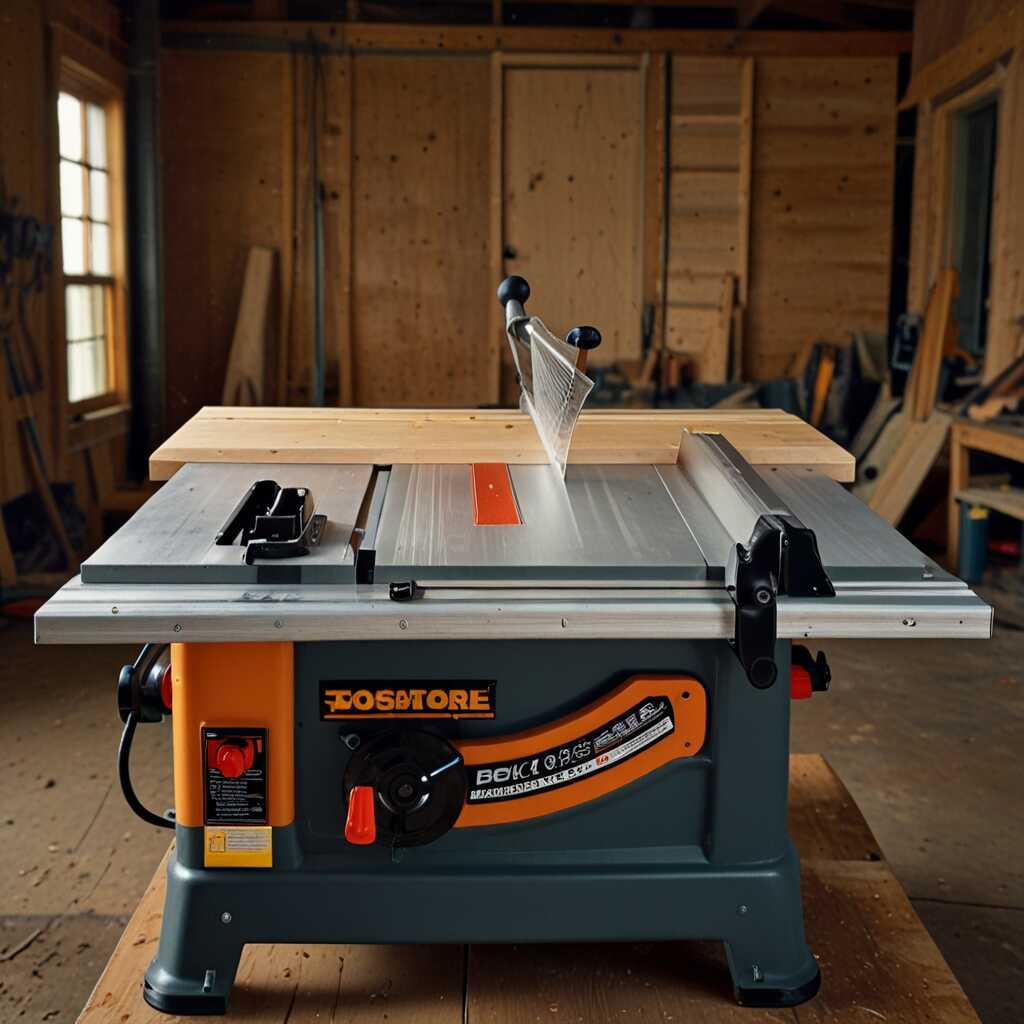
Essential Safety Practices for Arctic Saw Use
When using saws in freezing conditions, prioritize essential safety practices. Always wear suitable personal protective equipment to guard against cold and potential injuries. Ensure you have a firm grip on the saw and maintain a stable footing to prevent slips. Regularly check saw blades for any damage or ice accumulation that may hinder performance. This reliability is crucial for effective cutting. Specialized tools designed for Arctic expeditions often come with enhanced safety features. When operating saws in extreme cold, it is best to have multiple layers of clothing. Insulation helps regulate body temperature and enhance comfort. Understanding these essentials ensures efficient and safe saw operation.
Choosing the Right Personal Protective Equipment
Choosing the right personal protective equipment (PPE) is vital for safe saw use in Arctic conditions. You need insulated gloves that allow dexterity while providing warmth. Additionally, wear thermal goggles to shield your eyes from wind and debris. A hard hat can protect against falling ice or tree branches. Insulated boots with good traction are crucial to prevent slips on icy surfaces. Look for PPE that offers a good fit, enabling mobility and comfort. Reliable gear enhances personal safety and improves your overall performance while operating specialized cutting tools in harsh environments.

Effective Maintenance for Arctic Expedition Saws
Essential maintenance practices for specialized saws used in freezing conditions include regular cleaning, lubrication, and blade sharpening. Cleaning saws after each use prevents ice and moisture buildup. Lubricating moving parts ensures smooth operation and minimizes wear. Blade sharpening is critical for maintaining cutting efficiency, especially in harsh environments. Adventurers should consider the saw’s design features, like a sturdy handle for grip and corrosion-resistant materials. Saws should be maintained every few days during an Arctic expedition to achieve optimal performance, especially when tasks are demanding. This helps ensure the reliability crucial for any successful expedition.
Key Features for Optimal Performance in Extreme Cold
When choosing Arctic expedition saws, look for features that enhance their performance in extreme cold. A high-quality blade designed for cold temperatures resists brittleness and maintains sharpness. Ergonomic handles provide comfort and reduce fatigue during extended use. Consider saws with corrosion-resistant coatings that prevent rust in icy conditions. Saws with modular designs allow for easy replacement of parts, enhancing durability. Innovative Saws offers models specifically tested for freezing conditions, ensuring that each tool delivers reliable performance when needed most. This focus on quality guarantees that equipment maintains a high level of efficiency, ultimately leading to successful expeditions.
Advantages of Using Specialty Tools in Frosty Conditions
- Specialized saws enhance efficiency by cutting through dense ice-covered materials.
- Utilizing these saws greatly improves safety, reducing the risk of accidents in freezing temperatures.
- They allow for precise cutting, making it easier to create shelter or perform repairs.
- Innovative saws provide reliable performance, minimizing downtime during critical projects.
- Their designs often include features like insulated handles for easier use in gloves.
- These tools can cut through frozen wood and thick ice, making them versatile in Arctic expeditions.
- They enable outdoor enthusiasts to engage in tasks like tree pruning without risking injury.

Techniques for Using Saws on Ice and Snow
Effective techniques for using saws on icy surfaces include securing your footing, using the right blade type, and maintaining proper posture. Choose saws designed for ice, such as specialized ice-cutting saws. Position your body to balance weight evenly, reducing the risk of slipping. Minimize effort by using slow, steady strokes to maintain control. Review safety gear before starting your work. Always ensure your equipment is tested for durability in freezing temperatures.
Essential Safety Precautions When Cutting in Snow
When cutting in snow, several essential safety precautions should be taken to prevent accidents. First, use a sturdy saw with a non-slip handle, which enhances your grip. Ensure your saw has features designed for snow, such as a corrosion-resistant blade. Research local weather conditions to prepare for sudden changes. Use a cutting surface that is stable, avoiding uneven ice patches that could affect your balance. Lastly, have a plan for troubleshooting if ice becomes too thick, which may require diverse cutting techniques.
Top Brands and Models for Arctic Cutting Tools
Innovative Saws recommends several top brands known for their performance in freezing conditions. Brands like Stihl, Husqvarna, and Makita stand out for their quality. Each brand features specialized Arctic saw models that showcase impressive reliability and durability. Stihl’s MS 261 chainsaw is designed for cold weather, providing efficient cutting power. Husqvarna’s 550 XP is another excellent choice with proven performance in tough environments. Makita’s DUC252Z offers a lightweight solution without sacrificing power, perfect for adventurers. The average weight of specialized Arctic cutting tools varies—most saws range from 8 to 15 pounds, ensuring good maneuverability and ease of use.
Key Features of the Best Arctic Saws
When choosing the best Arctic saws, consider essential features that enhance performance. Look for saws with insulated grips to ensure comfort and control in freezing temperatures. Models with low oil consumption help improve efficiency while operating in harsh conditions. The best Arctic saws also feature chain tensioning systems that allow for quick adjustments, ensuring optimal cutting performance. Research reveals that specialized Arctic saws often include additional features such as automatic chain lubrication, enhancing reliability during prolonged use. Users should also consider weight and balance to improve handling while wearing heavy clothing in cold climates.
Comparison of Cold-Weather Tool Brands and Their Audiences
- Brand A offers lightweight saws ideal for adventurers who prioritize portability and ease of use.
- Brand B specializes in robust saws designed for professional use in extreme conditions.
- Brand C produces mid-range saws perfect for DIY enthusiasts seeking reliability without a high cost.
- Innovative Saws cater to serious woodworkers by emphasizing durability and precision in cold climates.
- Brand D provides a variety of sizes to meet the needs of both construction workers and hobbyists.
- Brand E focuses on specific winter applications, attracting arborists who work in extreme conditions.
- Users appreciate reliable customer support from brands that help with specialized inquiries and maintenance tips.
Preparing Your Tool Kit for Arctic Expeditions
Assembling a complete tool kit for Arctic expeditions requires careful selection of reliable tools. Special attention must be given to specialized cutting tools like saws designed for freezing conditions. A combination of chainsaws, hand saws, and axes should be included. Each tool should be lightweight yet sturdy for easy handling. The toolkit must also contain essential gear for safety, such as gloves and goggles. With the right gear, adventurers can ensure their effectiveness in harsh weather. Checklists can help organize all tools, ensuring nothing is overlooked before setting out on the journey.
Choosing the Right Specialized Saws for Arctic Conditions
When choosing specialized saws for Arctic conditions, consider each saw’s unique features. Chainsaws are crucial for cutting through thick ice and timber efficiently. They provide speed and power, ideal for time-sensitive tasks. Handsaws also serve as reliable options for precision cuts in confined spaces. Ensure selected saws are designed for durability, maintaining performance even in extreme cold. Look for saws that have been rigorously tested for icy conditions. Proper maintenance tips, such as oiling blades and storing them carefully, can significantly enhance their lifespan.