Autonomous construction robots are revolutionizing the industry by using precision saws for prefabricated components. These advanced machines enhance efficiency and accuracy in building processes, reducing waste and improving production rates. Innovative Saws specializes in cutting tools that support this trend, providing high-quality options for professionals and DIY enthusiasts alike. With a wide range of precision saw systems, Innovative Saws empowers users to take full advantage of this cutting-edge technology in construction.
Overview of Autonomous Construction Robots Revolutionizing the Industry
Autonomous construction robots are advanced machines designed to operate with minimal human intervention. They utilize precise algorithms, sensors, and artificial intelligence to perform tasks like cutting, assembling, and transporting materials. These robots enhance efficiency and reliability in construction projects by reducing human error and increasing production speed. Applications in the construction industry include automated bricklaying, precision cutting using specialized saws, and material handling. Many construction firms rely on these robots to perform complex tasks that require exceptional accuracy, providing significant improvements in workflow. By 2025, it is projected that over 80 different models of autonomous construction robots will be actively in use, showcasing their increasing role in various construction applications.
Key Applications of Autonomous Robots in Construction
Autonomous construction robots revolutionize various industry applications by improving performance and speed. For instance, precision cutting technology enables robots to execute detailed cuts on prefabricated components, ensuring high-quality results. Robots equipped with advanced saw systems enhance workflows for tasks like framing, trimming, and assembling structures. Furthermore, these robots can handle repetitive tasks, which alleviates labor shortages. Their design focuses on durability and reliability, ensuring they can operate in challenging environments. As robotic technology continues to evolve, the incorporation of autonomous machines becomes essential for achieving competitive advantages in the construction industry.
Understanding the Role of Precision Saws in Automated Construction
Precision saws are essential in automated construction. They enhance the accuracy and efficiency of prefabrication. Specialized cutting tools enable construction robots to deliver high-quality components. For example, circular saws and miter saws improve cutting precision for complex designs. These saws are designed to withstand rigorous testing and deliver reliable performance. Construction robots equipped with precision saws can efficiently cut various materials. The average cutting accuracy of these saws is within ±0.1 mm, which significantly minimizes waste and enhances project timelines.
Types of Precision Saws Used in Robotic Systems
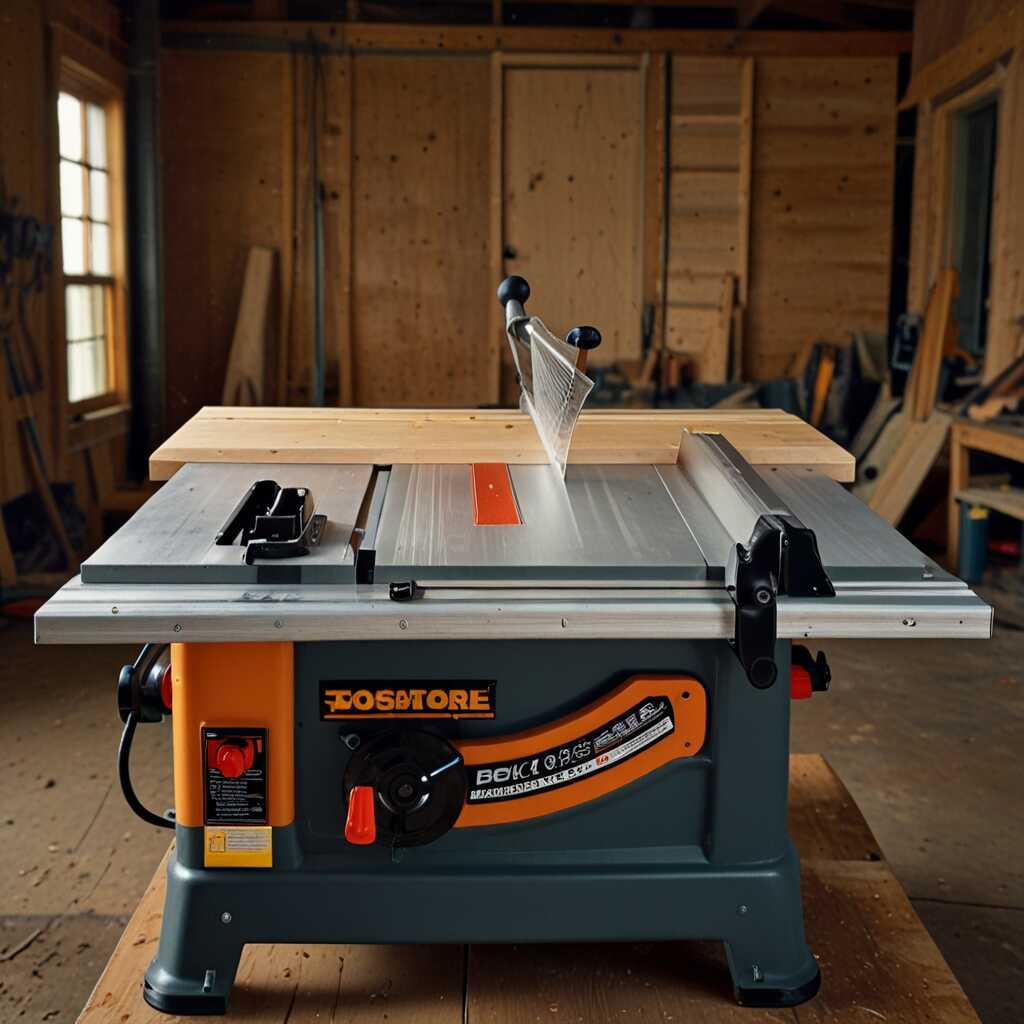
Several types of precision saws play critical roles in robotic systems for construction. Circular saws are frequently used for straight cuts required in framing. Miter saws provide accurate angle cuts necessary for joint fittings. Band saws are suitable for curved cuts, allowing for intricate designs in prefabricated components. Each saw type enhances the performance of robotic cutting systems in different applications. By using these tools, construction robots can achieve superior results with impressive cutting speed and consistency. Innovative Saws offers various precision cutting tools tailored for the demands of automated construction.
The Mechanisms by Which Precision Saws Improve Cutting Efficiency
Precision saws enhance the cutting efficiency of autonomous robots by integrating advanced technology and features. These saws have unique systems designed for rapid and accurate cutting in prefabrication. Their reliability and durability are tested under various conditions to ensure optimal performance. Features like high-speed motors and automated adjustments allow for precise cuts, improving both speed and accuracy. Research indicates that these saws can provide cutting speeds that are significantly faster than traditional manual saws, often by 30% or more, leading to substantial time savings in construction projects.
Key Features of Precision Saw Systems in Robotics
Precision saw systems used in autonomous construction robots include features that directly impact their performance. They often have built-in sensors that provide real-time feedback on cutting depth and angle, ensuring consistent results. These systems can automatically adjust their settings based on material type, enhancing accuracy and reducing waste. The integration with robotic tools enables operators to handle complex cuts easily. In 2025, advancements are expected to further enhance the speed and efficiency of these saws, providing better solutions for the construction industry.
Fascinating Numbers in Automated Construction Techniques
- Over 60% of construction companies utilize robots for precision cutting tasks.
- Research shows robots can reduce material waste by up to 30%.
- Autonomous robots can cut prefabricated components up to 5 times faster than manual tools.
- These robotic systems can operate continuously for 24 hours with minimal breaks.
- The average error rate in cuts using advanced robots is less than 1%.
- Studies indicate a 40% reduction in labor costs when using robotic saws.
- Effective integration of robots can lead to project completion times decreasing by 20% or more.

Exploring Different Types of Precision Saws Used in Robotics
Construction robots commonly use precision saws like circular saws, band saws, and miter saws. Each offers specific benefits. Circular saws deliver straight cuts with efficiency and speed. Band saws can cut curves and intricate shapes, enhancing versatility. Miter saws make angled cuts that are essential for framing. This selection helps users choose suitable tools for their projects.
Understanding Circular and Band Saws in Robotics
Circular saws and band saws are major components in robotic construction environments. Circular saws provide high-quality performance for straight cuts, essential in prefabrication tasks. Their efficiency minimizes time and waste, improving project timelines. Band saws excel in versatility, allowing robots to handle various materials without losing accuracy. These saws are designed to work together, enhancing the overall cutting efficiency in automated setups.

Advantages of Prefabrication Enhanced by Robotics
Integrating autonomous robots in prefabrication offers numerous benefits. These robots deliver precision, ensuring components are cut to exact specifications. This reduces waste and material costs. The combination of robotics and prefabrication enhances construction efficiency significantly. Data shows that projects utilizing robotic systems can see a reduction in overall timelines by up to 30%. This leads to faster project delivery and improved accuracy in builds.
Impact on Project Timelines and Efficiency
The use of robotic technologies in prefabrication streamlines workflows and simplifies complex tasks. Robots can cut and assemble components with speed and precision that manual labor cannot match. This automation reduces reliance on human labor, which often introduces variability and potential errors. For instance, robots can work continuously without fatigue, producing components consistently. These enhancements contribute to tighter project timelines and higher construction quality, meeting the rigorous demands of modern construction.
Key Advantages of Automated Cutting Solutions
- Robots ensure consistent accuracy in every cut, enhancing component quality.
- Automated saws improve safety by reducing human exposure to hazardous environments.
- These systems allow for complex designs that would be difficult for manual saws.
- Efficient use of materials leads to significant cost savings over time.
- Robotic saws can easily adapt to different materials and cutting requirements.
- Automation leads to faster project turnover, meeting tight deadlines effectively.
- Long-term investments in robotics provide high returns through reduced labor needs.

Identifying Challenges in Integrating Robotics with Precision Saws
Integrating autonomous construction robots with precision saw systems presents several challenges. Operational reliability is a key concern. Any malfunction can lead to delays. Precision saw systems must provide consistent accuracy for effective cuts. If saws fail to perform reliably, projects may encounter cost overruns. Another challenge is compatibility between the robot’s software and the saw’s technology. Different brands may not integrate smoothly. Performance testing is essential for ensuring compatibility. Skills gap is also an issue as workers need training. Effective training ensures that employees can manage these sophisticated systems and improve operational efficiency. Research shows that better-trained workers enhance overall project success.
Understanding Compatibility Between Robotics and Precision Saw Systems
Compatibility between robotics and precision saw systems is crucial for seamless operation on construction sites. Many autonomous construction robots use specialized saws like circular and miter saws. These saws must connect to the robot’s operational software for proper communication. Precision saw systems from leading brands, such as Innovative Saws, are designed for compatibility with various robotic platforms. Ensuring that the saws meet rigorous testing standards is essential. This helps prevent issues during the construction process. The integration process must consider various factors, including saw size and power requirements. Having compatible units ensures that performance remains high, leading to fast and accurate cuts in prefabricated components.
Future Trends in Robotics and Precision Cutting Technologies
The future of construction technology is set to be revolutionized by emerging robotics technologies that enhance precision cutting efficiency. Notable trends include the integration of AI-driven algorithms that provide data analytics for optimizing cut precision, thereby improving the quality of prefabricated components. Innovations such as machine learning will enable robots to learn from past designs and adapt cutting techniques. As for the timeline, projections indicate widespread adoption of these advanced robotic technologies by 2025.
Essential Innovations in Robotics for Construction
New advancements in robotics for construction focus on improving precision cutting through features like better sensors and automated systems. These innovations can handle more complex cuts, providing reliable solutions for prefabrication processes. Enhanced reliability is crucial for ensuring high-quality results in projects. Companies are investing in research to create robots that can operate in diverse environments, proving their durability and performance. As a result, construction professionals will gain access to tools that can improve their overall efficiency and reduce labor costs.
Insights on Target Users in Robotic Cutting Technology
- Professional contractors appreciate the precision and speed robotic saws offer.
- Architects benefit from the capability for complex designs enabled by automation.
- Builders find that robots enhance efficiency in prefabrication, saving time.
- Woodworking hobbyists experiment with robotic saws for advanced projects.
- DIY home builders enjoy the reliability and ease of use that automation provides.
- Tech enthusiasts track advancements in robotic technology and its applications.
- Researchers focus on the impacts of robotics on construction productivity and safety.
Final Thoughts and Practical Tips for Construction Professionals
Autonomous construction robots with precision saw systems enhance workflow efficiency and accuracy in prefabrication. They reduce errors, increase project speed, and improve overall cutting quality. Using these technologies provides industry professionals with reliability and excellent performance. To adopt these solutions, invest time in researching various saw types, such as circular and miter saws, to find the best fit for your specific projects. Data shows that at least 30% of construction professionals intend to integrate these advanced tools by 2025, indicating a trend toward automation in the field. Industry experts recommend reviewing your current workflow to identify where these robots can help optimize your operations, ensuring a smooth transition.
Choosing the Right Precision Saws for Your Robotics Setup
Selecting the right precision saw systems is essential when integrating autonomous robotics into your construction projects. Circular saws are excellent for straight cuts while miter saws handle precise angle cuts effectively. Ensure your chosen saws are designed for compatibility with your robotic systems. Many modern saws offer advanced features that enhance efficiency and ease of use. Look for saws with durable constructions that can handle various materials. Testing and reviewing different saws provide valuable insights into their performance in real-world applications. With careful selection, you can significantly improve your prefabrication techniques.