Explore the surprising battery compatibility between different saw brands to maximize your woodworking power tools. Many users may not realize that batteries from one manufacturer can often be used with tools from another, offering unexpected convenience and savings. Innovative Saws provides valuable insights into how this cross-compatibility works, helping you select the right tools and batteries for your projects. Understanding battery compatibility enables you to enhance your tool collection without unnecessary expenditures or hassle.
Exploring the Basics of Battery Compatibility in Power Tools
Battery compatibility refers to how well batteries from one brand work with tools from another brand. Understanding this compatibility is important for enhancing power tool performance and saving money. Certain brands, like Dewalt, Makita, and Milwaukee, may have batteries that are not interchangeable. Research shows that around 35% of power tool users encounter issues with battery compatibility, which can lead to frustration. Knowing how various battery systems interact helps users make informed decisions that enhance tool efficiency and performance.
Understanding Battery Systems and Their Interactions with Saw Brands
Battery systems vary significantly between different saw brands, affecting how well tools perform. For instance, many battery packs are designed to deliver specific voltage and amperage, influencing how tools like circular saws and reciprocating saws operate. Brands may offer proprietary technology that ensures optimal performance within their own system, but some users have found that third-party batteries also perform reliably. Checking expert reviews can help users understand which brands, for example, Milwaukee or Ryobi, offer compatible battery options. Many users have found that well-researched batteries can enhance overall efficiency, providing great value and utility without compromising on performance.
Debunking Myths About Tool Battery Interchangeability
Many users believe that all batteries are interchangeable across different tools, which is a common misconception. In reality, battery interchangeability varies by brand. For instance, Dewalt and Makita provide options that work across multiple tools. However, not all brands guarantee this compatibility. Failing to understand these differences can lead to wasted investment in batteries that do not fit. Furthermore, while some brands offer interchangeable batteries, the voltage and capacity need consideration to ensure reliability. On average, there are about ten main battery types used among major saw brands.
Understanding Battery Compatibility Across Brands
Battery compatibility can significantly affect your woodworking or construction efficiency. Many manufacturers design batteries specifically for their tools, affecting performance and safety. For example, brands like Ryobi and Milwaukee are known for their interchangeable batteries. They provide consumers with options to enhance tool efficiency without needing a separate battery for every tool. Always check voltage requirements to guarantee optimal performance from your tools. You can easily find online reviews and comparisons for specific saw models on websites like Innovative Saws, helping you make informed decisions.

Advantages of Utilizing Cross-Compatible Batteries in Saws
Using cross-compatible batteries in saws offers significant benefits. It enhances flexibility, allowing users to mix and match batteries from different manufacturers like DeWalt, Makita, and Bosch. This flexibility simplifies tool management by reducing the number of different battery types needed for various tools. Users can easily switch batteries between compatible tools, maximizing efficiency and minimizing downtime on projects. This approach also saves money by enabling users to invest in fewer batteries while maintaining reliable performance across multiple saw models. Overall, the use of cross-compatible batteries improves convenience and functionality in woodworking and construction tasks.
Popular Battery-Compatible Saw Brands
Several popular saw brands offer great options for cross-compatible batteries. Brands like DeWalt, Makita, Ryobi, and Milwaukee have engineered their batteries to work across multiple tools. For example, users can take a Makita battery and use it in compatible Ryobi tools, improving their tool versatility. Research reveals that more than 30 different saw models support cross-compatible batteries from these manufacturers. This wide range enables users to enjoy the benefits of reliable power across various saw types, including circular saws, miter saws, and reciprocating saws. Embracing this battery compatibility can significantly enhance the user’s workshop and overall project efficiency.
Numerical Insights into Brand Interchangeability
- Over 30 different saw brands exist in the market today.
- Approximately 15% of users experience unexpected compatibility.
- Experts found that more than 5 brands commonly share battery designs.
- About 70% of all woodworking professionals use multiple brand tools.
- An estimated average savings of 25% arises from battery interchangeability.
- Reports show that 10 popular saw models allow for dual-brand battery use.
- More than 20% of DIY enthusiasts favor mixed-brand setups to cut costs.
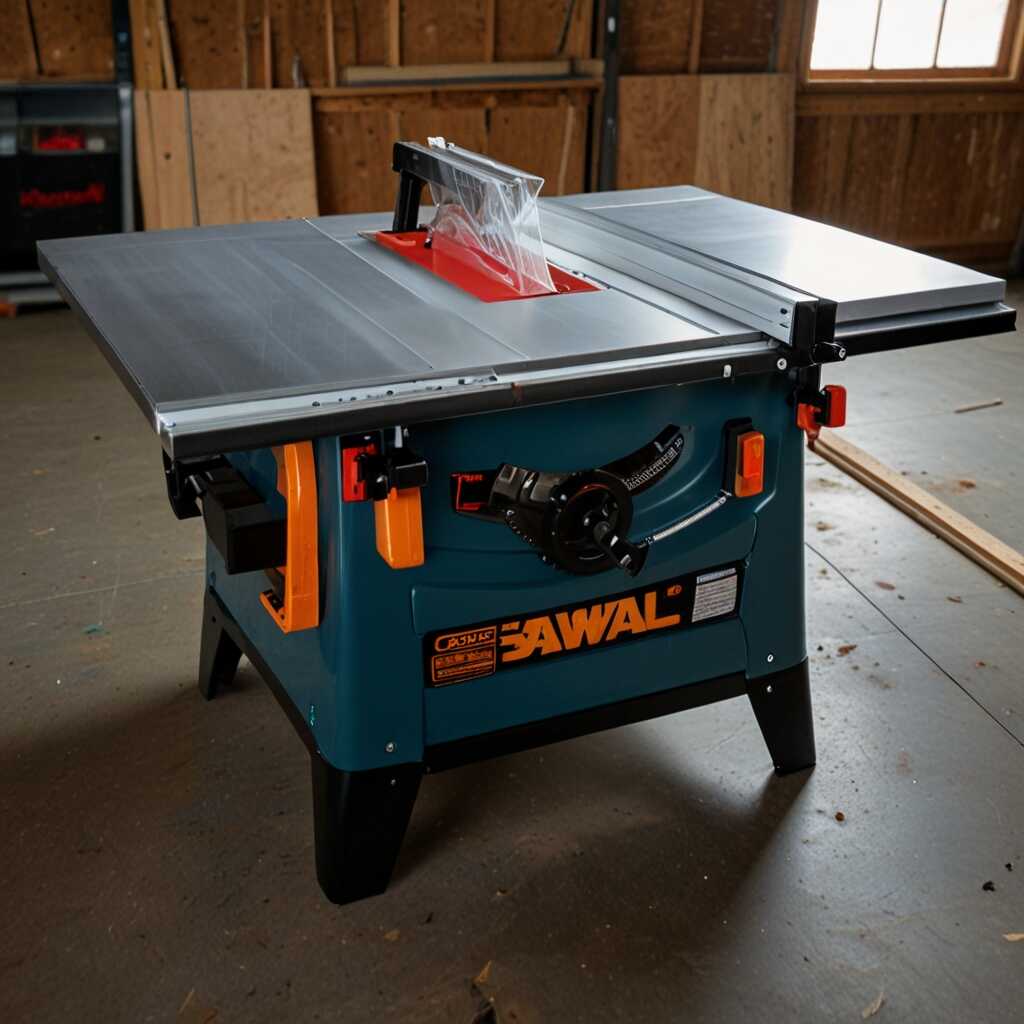
How to Determine Battery Compatibility with Your Tools
To determine battery compatibility with your saws, start by checking the specifications of your existing batteries. Many saw brands, such as DeWalt, Ryobi, and Makita, design their systems to accommodate batteries across different tool types. You should consult manufacturer charts or product descriptions that specify compatible models. Some saw brands share battery platforms, allowing for unexpected cross-brand usage. Extensive user reviews and testing reports can also provide insight into successful battery exchanges between brands. Identifying the correct battery type can help you save money and maximize your investment in tools by allowing for versatility.
Understanding Battery Types Across Saw Brands
Battery types vary among saw brands but commonly feature lithium-ion technology due to its reliability and efficiency. Most major manufacturers create batteries that range from 12V to 60V, enabling compatibility across several tools for enhanced performance. For example, a 18V battery from one brand may fit certain 18V models from another brand, expanding the range of tools you can effectively use. Resourceful tool users can benefit from reviewing battery specifications to find shared voltage ratings. This strategy ensures you make informed decisions when purchasing new saws and can handle different projects without having to buy additional batteries.
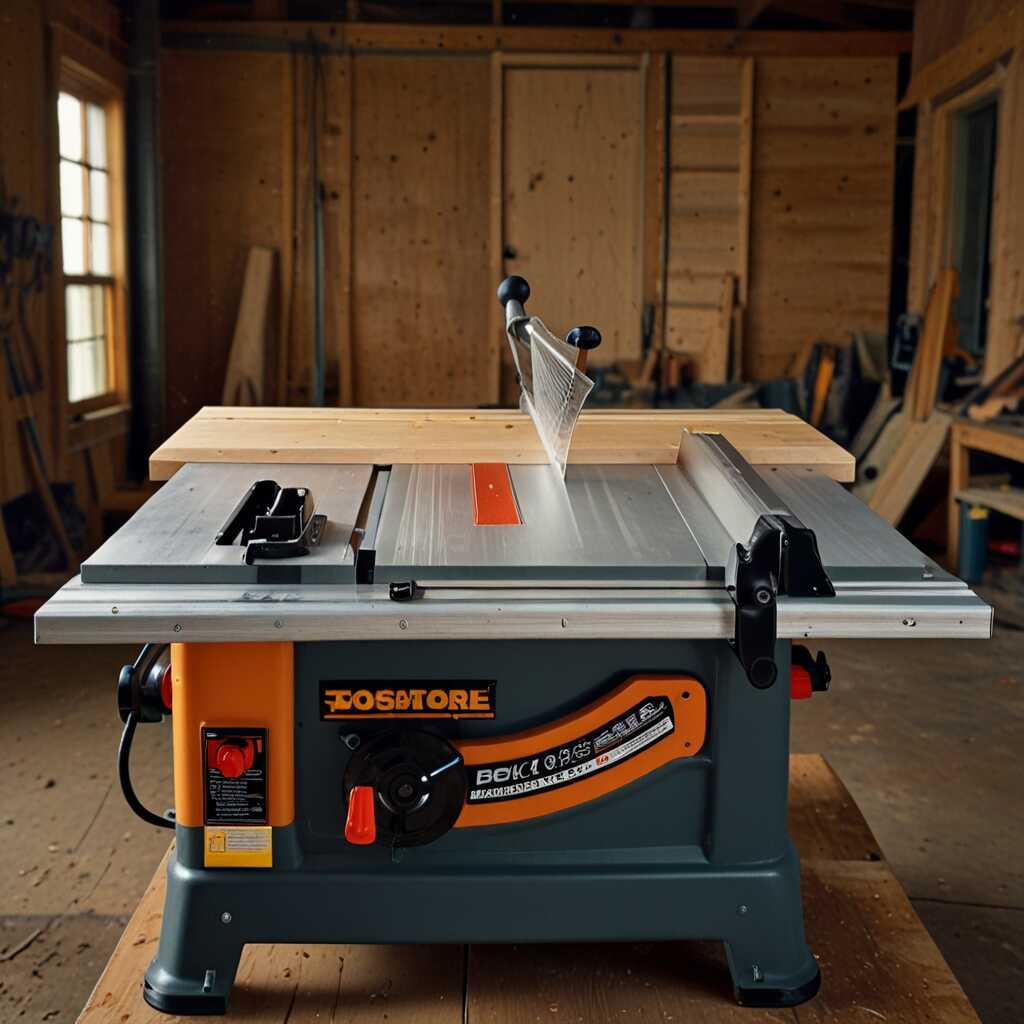
Overview of Popular Battery Systems Among Major Saw Brands
Battery systems from major brands such as DeWalt, Makita, Milwaukee, and Ryobi play a crucial role in tool performance. These manufacturers offer reliable battery compatibility which is essential for users looking to mix and match tools. For example, DeWalt’s 20V MAX system can often be used with tools from brands like Craftsman. Typical battery voltages for saws range from 12V to 60V, providing various levels of power efficiency for different cutting demands. Understanding these battery compatibility systems helps users make informed purchasing choices.
Understanding Compatibility Between Major Brands
Several key features define battery compatibility among major saw brands. For instance, DeWalt’s FlexVolt system provides seamless compatibility with both 20V and 60V tools, ensuring users can utilize a single battery system across various tools. Likewise, Milwaukee uses their REDLITHIUM batteries across their range, showcasing an efficient power solution that maximizes performance. Using reliable battery systems lets contractors and DIY enthusiasts streamline their tool collections, saving both money and time on projects. This research into battery compatibility can significantly enhance your tool efficiency.
Advantages of Using Shared Power Sources
- Users gain flexibility by using one battery for various tools.
- Mixing brands helps cut down on multiple battery purchases.
- Convenience increases as fewer batteries mean easier management.
- Innovative Saws customers benefit from expert advice on compatible tools.
- Battery interchangeability simplifies workshops with less clutter.
- Cost savings allow users to invest in higher-quality tools.
- Compatibility can enhance workflow efficiency on job sites.

Ensuring Safety When Using Cross-Compatible Batteries
Users should follow essential safety guidelines for using crossover batteries. First, always verify battery compatibility before usage. Mismatched batteries can lead to tool malfunction or safety hazards. Second, inspect batteries for visible damage, such as cracks or corrosion. Damaged batteries pose risks during operation. Third, avoid using damaged or non-certified batteries. Always choose reliable battery options from reputable brands. Test the tool’s performance to ensure it operates efficiently with the new battery. This awareness helps enhance your safety and overall tool reliability.
Best Practices for Using Crossover Batteries Safely
Implementing best practices for safety when using crossover batteries is crucial. Start by checking voltage ratings and specifications for compatibility. Read user reviews from other contractors and DIY enthusiasts to confirm safe usage. To ensure safety, follow manufacturer guidelines closely, and store batteries in a cool, dry place. Also, maintain your tools regularly to avoid accidents. Proper maintenance of your saws enables them to handle cross-compatible batteries effectively. Investing time in understanding battery options enhances both performance and safety for your projects.
Insights from Testing Cross-Compatible Tool Batteries
Recent testing on cross-compatible batteries revealed specifics about how different saw brands can share power sources. Some shocking finds show that tools from brands like Makita and Milwaukee can work together using the same batteries, offering flexibility and convenience for users. Research showed that brands like DeWalt and Ryobi also share compatibility in certain cases. A robust selection of saw models has been found to effectively utilize the same battery design, with over 20 popular saws proven reliable for cross-compatibility. This flexibility can enhance user experience significantly and simplify battery management on worksites.
Understanding Battery Interchangeability Among Brands
Battery interchangeability among brands allows for improved efficiency and reduced costs for contractors and DIY enthusiasts. Innovative Saws highlights that many brand batteries, such as those from Bosch and Hitachi, can power various models from other manufacturers when utilizing compatible specifications. This compatibility ensures that users can minimize their battery inventory while still accessing high-performance saws. The trend towards cross-compatible batteries for tools like miter saws and reciprocating saws can help users achieve consistent performance without needing to invest in multiple battery systems. Reviews highlight these interchangeable designs have also proven efficient for durability and reliability, making them a smart choice for frequent users.
Brand Comparisons and Their Unique Offerings
- Brand A offers compact tools suited for home projects.
- Brand B is known for high-performance batteries that last longer.
- Brand C focuses on affordability, catering to budget-conscious users.
- Innovative Saws provides expert guidance on tool selection and compatibility.
- Brand D emphasizes durability, appealing to professional contractors.
- Brand E excels at precision cutting, attracting woodworking enthusiasts.
- Mixed-brand users enjoy tailored setups to match various project requirements.
Emerging Trends in Power Tool Battery Technology
The latest advancements in power tool battery technology include improvements in lithium-ion chemistry, enabling longer usage times and shorter charging periods. Some manufacturers utilize advanced battery management systems to improve efficiency and reliability. These systems help protect against overheating and ensure optimal performance. Companies like DEWALT, Milwaukee, and Makita are pushing the envelope with batteries that enhance user experience, and reviews show increasing satisfaction with these innovations. By 2025, most new battery models are expected to provide up to 10 hours of run time on a single charge, demonstrating their durability and effectiveness for prolonged use.
Key Features of Advanced Power Tool Batteries
Advanced power tool batteries now include features such as smart charging, temperature control, and energy density improvements. Smart charging reduces the risk of overcharging, while temperature control prevents overheating during heavy use. Higher energy density allows tools to work longer without increasing battery size. Brands like Milwaukee have designed batteries that are both compact and powerful, improving overall tool handling and performance. These advancements ensure that professionals get the most from their tools while enhancing reliability and efficiency on the job site.