To maximize the runtime of your battery-powered saws, it’s essential to adopt effective charging and storage techniques. Properly managing your battery life can lead to more efficient cutting sessions and less downtime. At Innovative Saws, we understand your need for reliable tools and want to help you keep your saws operating at their best. This article will explore expert tips that enhance performance and increase the longevity of your battery-powered cutting tools.
Exploring Different Battery Types for Cutting Tools
Cutting tools, like battery-powered saws, primarily use lithium-ion and nickel-cadmium batteries. Lithium-ion batteries are known for their reliability and high energy density, which translates to longer usage times. They typically charge faster and do not have memory issues, allowing for efficient charging practices. Nickel-cadmium batteries, while durable and able to perform in extreme temperatures, often suffer from memory effect, which can decrease their overall performance over time. Research shows that lithium-ion batteries can last from 30 to 60 minutes per charge depending on the saw’s power and usage conditions, making them essential for users seeking efficiency in their cutting tasks.
Understanding Battery Maintenance for Optimal Performance
Proper maintenance of battery types is vital for optimizing performance in cutting tools. Regularly cleaning battery terminals helps maintain connection and efficiency. Storing batteries at around 50% charge in a cool, dry place can enhance their lifespan. Additionally, avoiding full discharges and using proper chargers will prevent damage and ensure reliability. For lithium-ion batteries, experts recommend keeping them within a temperature range of 32 to 113 degrees Fahrenheit to improve overall efficiency. Adopting these battery maintenance practices will enhance experiences with your cutting tools and enable better performance with each use.
Charging Best Practices to Extend Battery Life
Charging your battery-powered saw properly helps enhance battery longevity and performance. Start by using the charger designed for your specific saw model. Avoid overcharging; disconnect the charger once the battery reaches full capacity. Frequent short charging sessions can reduce its efficiency over time. It is essential to charge the battery at room temperature, as extreme temperatures can negatively affect battery reliability. Regularly check the battery for any damage or swelling. Proper charging techniques ensure your saw operates at optimal performance, making it ready for your next project.
Understanding Battery Capacity and Effects on Charging
Battery capacity measures how much energy a battery can store and affects the charging practices for different saw types. For instance, higher capacity batteries take longer to charge but can provide longer runtime. Batteries with lower capacity often require more frequent charging. Thus, understanding the capacity helps determine the appropriate charging cycles and schedules. Manufacturers like Innovative Saws provide specifications that indicate optimal charging times, which typically range from 1 to 3 hours depending on the saw model. Always refer to the user manual for the best practices tailored to your specific saw.
Storing Batteries and Saws for Optimal Performance
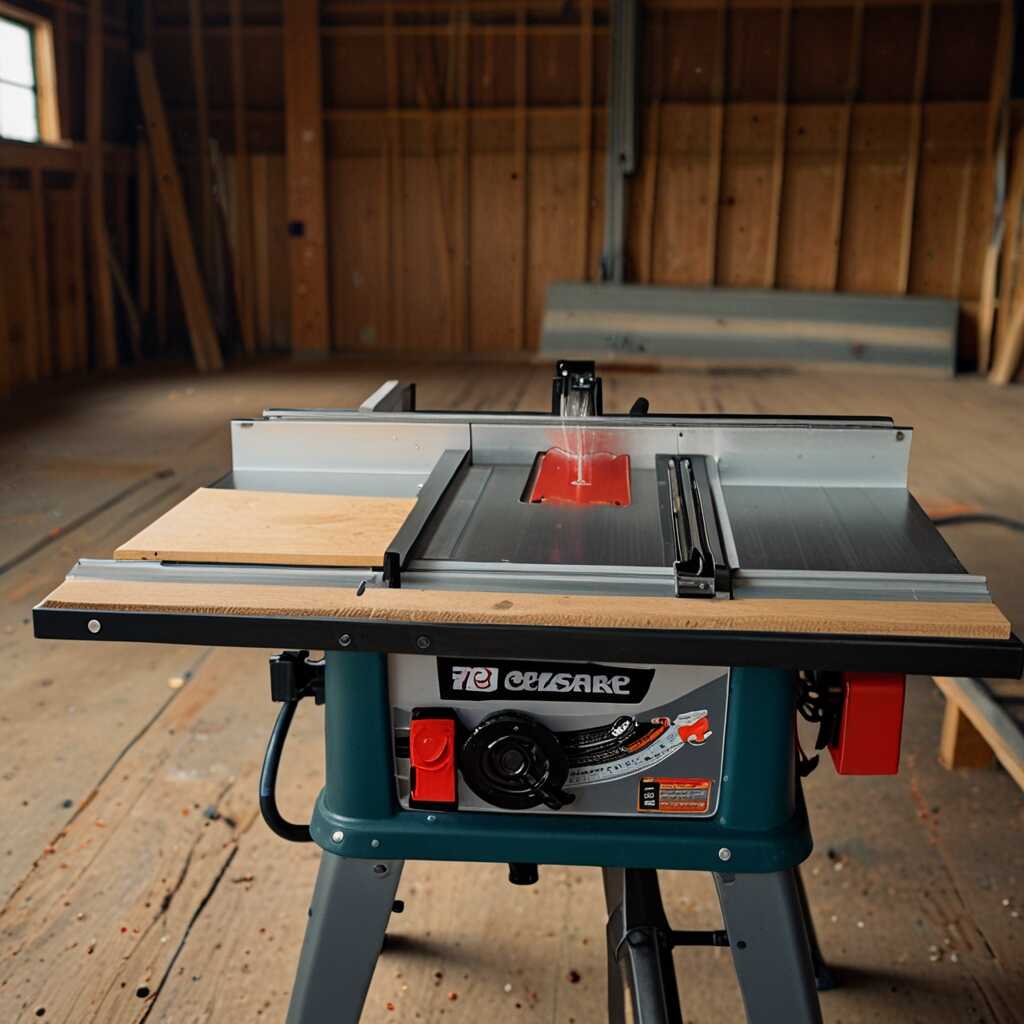
Proper storage for battery-powered saws and their batteries is crucial for ensuring reliability in performance. Batteries must be stored in a cool, dry place to minimize self-discharge and heat damage. High temperatures can lead to reduced battery capacity and lifespan. Keeping batteries at about 50% charge during storage can enhance longevity. Saw blades should be covered or stored in protective cases to prevent dulling and rust. Review the manufacturer’s guidelines for specific storage suggestions that can help maintain peak performance.
Understanding Ideal Storage Conditions for Battery Health
Understanding ideal storage conditions for battery health involves knowing what temperature range is best. Lithium-ion batteries thrive in temperatures between 32°F and 70°F. Storing batteries outside this range may decrease their capacity over time. For saws, avoid humid environments and excessive dust. Dust can cause motors to wear prematurely. Store saws on a stable surface not prone to vibrations that can affect performance. Proper care and maintenance during storage can significantly enhance the durability and efficiency of both the saw and its battery.
Key Facts About Battery Performance and Charging
- Most lithium-ion batteries have a lifespan of approximately 2-3 years.
- A fully charged battery can last between 30-120 minutes depending on the saw’s type and load.
- Optimize charging cycles by fully draining the battery occasionally.
- Battery capacity often decreases by about 20% after 500 charging cycles.
- Proper storage temperatures range from 32°F to 80°F for batteries.
- Regular maintenance like cleaning terminals can improve battery life.
- Using battery-powered saws more saves you about 50% in running costs compared to gas models.

Avoiding Common Charging and Storage Mistakes
The most common mistakes when charging battery-powered saws include overcharging, using the wrong charger, and failing to monitor charge levels. Overcharging can reduce battery lifespan, while an incorrect charger may not provide the right voltage. Additionally, forgetting to check charge levels before use can lead to sudden power loss during a project. Proper charging techniques enhance efficiency and ensure that your saw remains reliable and ready for use.
Understanding Battery Lifespan and Performance Impact
Improper storage conditions can severely affect battery lifespan and performance in saws from Innovative Saws. Extreme temperatures and humidity can lead to battery degradation. Ideally, store your battery in a cool, dry place with temperatures between 50°F and 85°F. Also, keeping the battery partially charged (around 30-50%) rather than fully drained or fully charged ensures more longevity. Understanding these essential storage practices helps enhance tool reliability and overall performance.

Identifying When Your Battery Needs Care or Replacement
Recognizing when your battery needs care or replacement reduces the risk of unexpected downtime. Common signs include decreased performance, where your saw struggles to maintain power. If you find the battery overheating or leaking, these are clear indicators that it requires immediate attention. Regular testing improves reliability and ensures the battery continues to perform as expected. Keeping an eye on the charging cycles, which should ideally remain below 500, prevents premature failure. All these practices enhance the longevity of your battery-powered saw and ensure optimal performance during your projects.
Essential Tips for Battery Maintenance and Testing
Maintenance plays a crucial role in enhancing battery performance. Always store your battery in a cool, dry place to avoid overheating. Regularly inspect for visible damage or swelling, which indicates a need for replacement. Use reliable testing methods like multimeters or dedicated battery testers to gauge voltage and capacity. Efficient charging practices also improve reliability. Avoid leaving the battery plugged in after reaching full charge, as this can lead to overheating. With these essential tips, you can extend your battery’s lifespan and ensure that your battery-powered saw can handle various tasks effectively.
Advantages of Proper Maintenance and Care
- Improved battery longevity enables you to work longer on projects.
- Enhanced cutting efficiency helps achieve better results in woodworking.
- Consistent performance reduces downtime and increases productivity.
- Effective charging habits minimize the risk of battery damage.
- Safe storage practices protect equipment from environmental harm.
- Increased tool reliability builds confidence for professional users.
- Lower long-term costs help maintain your project budgets effectively.

The Effects of Temperature on Battery Efficiency
Temperature plays a crucial role in the reliability and efficiency of battery-powered saws. Ideal temperatures for lithium-ion batteries, commonly used in these saws, range from 32°F to 86°F. Storing or using your battery-powered saw in temperatures above 95°F can lead to significant battery performance decline, with efficiency dropping by approximately 20%. In colder temperatures, below 32°F, battery performance also decreases, resulting in reduced runtime. It is essential to manage your battery’s storage conditions to ensure optimal performance and lifespan.
Best Practices for Storing Your Battery in Different Temperatures
To maintain battery efficiency, store your saw’s battery in a cool, dry place that meets the optimal temperature range. Always avoid placing the battery in direct sunlight or areas with extreme heat, like a car on a sunny day. If you experience cold weather, consider bringing your battery indoors to warm up before use; this helps improve performance. For prolonged storage, charge the battery to about 40-60% capacity and check it periodically to maintain cell integrity. Innovative Saws provides expert tips for ensuring battery longevity across various temperature conditions, helping you make the best use of your tool.
Seasonal Maintenance Guidelines for Battery Care
Maintaining your battery-powered saw’s health is essential for a long lifespan. In winter, store batteries in a temperature-controlled environment to prevent freezing. During summer, avoid exposure to high heat, which can degrade battery performance. Regularly check battery terminals for corrosion to ensure reliability. Perform maintenance every three months by cleaning terminals and replacing any worn cables.
Temperature Effects on Battery Performance
Temperature significantly impacts battery performance. In cold weather, battery efficiency decreases, resulting in reduced runtime. Keeping batteries warm can ensure they perform at an optimal level. In hot conditions, overheating can lead to chemical breakdown, harming battery longevity. Store batteries in a cool, dry place, ideally between 32°F and 80°F. This temperature range allows batteries to maintain their charge and effectiveness over time.
Targeted Users and Their Needs for Battery Maintenance
- DIY enthusiasts often seek runtime strategies to complete weekend projects.
- Professional contractors appreciate quick charging methods to meet deadlines.
- Woodworking hobbyists desire efficient saws for intricate designs.
- Gardeners benefit from lightweight, battery-powered tools for pruning jobs.
- Remodeling experts require reliable tools that last through heavy use.
- Homeowners value compact tools for various home repairs and improvements.
- Workshop managers prefer strategies that minimize tool downtime and maintenance costs.
Additional Resources for Power Tool Maintenance Education
To enhance your understanding of power tool maintenance, check out various recommended books and websites that provide in-depth knowledge. Reliable resources like “The Complete Guide to Power Tool Maintenance” offer practical advice. Websites such as Innovative Saws provide expert reviews and maintenance tips that can greatly help users. Comparing brands can reveal how different power tools vary in maintenance requirements, allowing users to select the best choices based on their research. Users can expect an average lifespan of around 3 to 5 years for a well-maintained battery-powered saw. The key to extending this lifespan lies in following proper maintenance techniques and caring for battery saws.
Understanding Battery Saw Care Techniques
Battery saw care techniques are essential for maximizing the performance and longevity of your tools. Regularly inspect the battery for corrosion and clean the terminals to ensure strong connections. Store your battery-powered saw in a cool, dry place to prevent overheating and prolong battery life. Optimal storage also includes keeping the saw away from extreme temperatures that can affect the battery’s efficiency. Use the saw regularly to maintain its performance; underuse can lead to battery degradation. Innovative Saws emphasizes that following these techniques can improve your battery saw care remarkably, ensuring you achieve the best results for your projects.