Achieve perfect panel cuts with table saw accessories to enhance your cabinetmaking projects effectively. These specialized tools offer precision and efficiency, ensuring clean cuts with minimal effort. Innovative Saws provides a wide range of high-quality table saw accessories designed for both professionals and serious hobbyists. With expert guidance and reliable products, you can master the art of woodworking while prioritizing safety and quality throughout your projects.
Understanding the Importance of Precision in Cabinetmaking Cuts
Precision is vital for effective cabinet cuts in woodworking because accuracy influences both functionality and aesthetics. Accurate cuts create seamless joints that ensure structures are sturdy and visually appealing. Essential factors contributing to high precision in panel cuts include using the right tools like table saws and accessories, applying effective cutting techniques, and maintaining a careful setup. If cut errors exceed 1/16 of an inch, they can negatively impact the overall quality of cabinet design, resulting in misaligned doors and gaps.
Essential Tools for Achieving Precision in Cabinet Cuts
Using specific tools designed for cabinetmaking is critical for ensuring precise cuts. Table saws with high-quality blades can handle various wood types while providing smooth edges. Aligning the fence correctly enhances accuracy in cuts, reducing potential errors. Accessories like crosscut sleds and digital measuring devices improve precision significantly. These tools designed with durability in mind will help reduce mistakes during cutting. Regular maintenance of these tools, such as blade sharpening and alignment checks, enhances their efficiency and longevity.
Must-Have Table Saw Accessories for Enhanced Cutting Precision
Essential table saw accessories significantly improve cutting precision for cabinetmakers. Crosscut sleds ensure accurate crosscuts by providing stable support for the material. Measuring jigs help in making precise adjustments, ensuring that cuts are accurate every time, thus improving overall effectiveness. Featherboards keep the workpiece pressed against the table saw fence, preventing movement and enhancing straight cuts. This combination of tools delivers reliable results, enhancing the quality of work while promoting safety during operation. In fact, when using these accessories, cabinetmakers can achieve an accuracy of up to 1/32 of an inch, making their cuts highly precise.
Benefits of Using Crosscut Sleds, Measuring Jigs, and Featherboards
Crosscut sleds provide incredible stability for making consistent cuts across wide panels. They eliminate common issues like blade drift which often affects accuracy in traditional cutting methods. Measuring jigs allow users to set repeatable cuts, saving time and ensuring every piece is identical. Featherboards actively apply pressure against the material, leading to cleaner edges and preventing kickback. Together, these tools create a seamless workflow, allowing cabinetmakers to enhance their precision and efficiency, especially for intricate cabinet designs. Investing in these accessories is crucial for achieving excellent craftsmanship in woodworking.
Best Practices for Achieving Consistent and Accurate Cuts
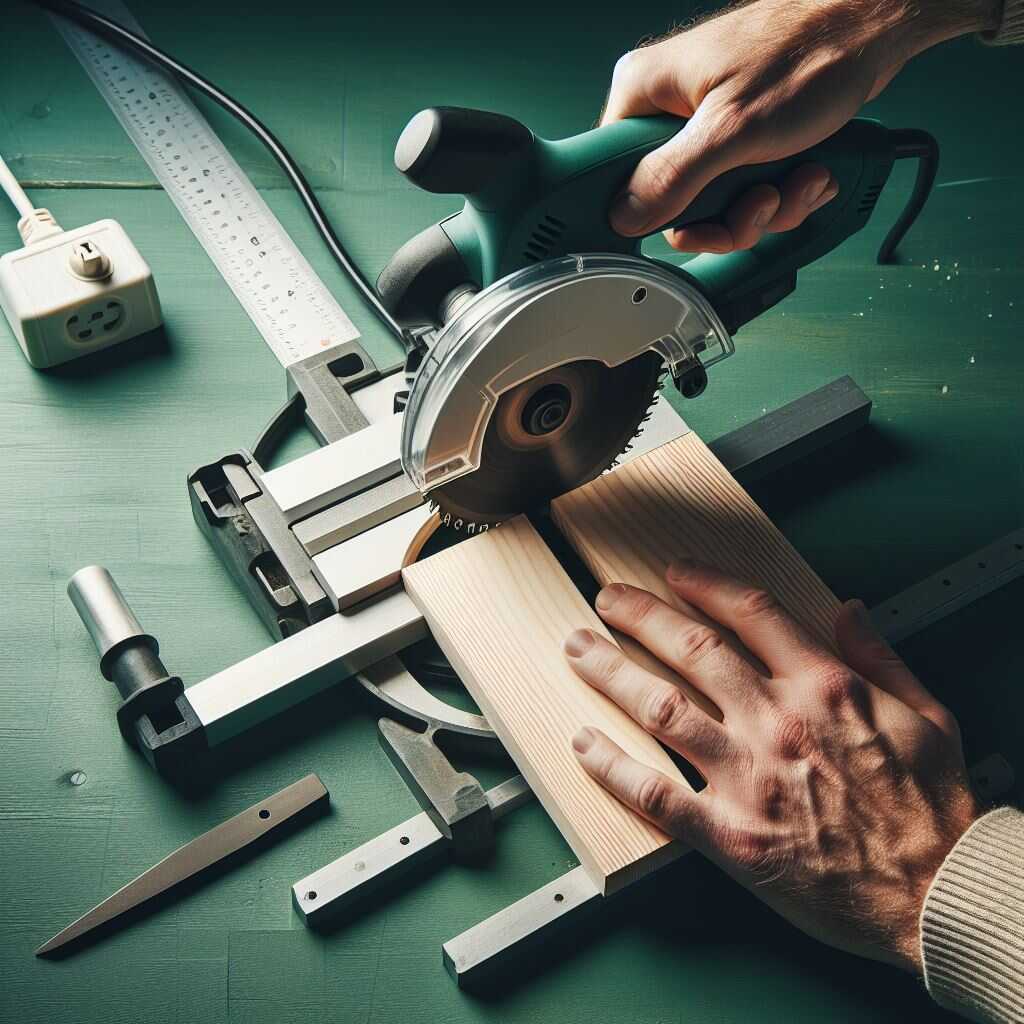
To ensure reliable panel cuts, a stable setup is crucial. First, calibrate your table saw to level the surface and blade alignment. Use a reliable combination square to check the blade angle. Standard setups involve adjusting the fence to 90 degrees. Enhance accuracy by using table saw accessories like guide rails or crosscut sleds, which keep your cuts straight. The right accessories can make the difference between good and excellent cuts, providing stability and reducing the potential for errors. The ideal blade height for panel cuts is about 1/8 inch above the material, which allows for smooth cutting while minimizing tear-out.
How to Use Guide Rails for Precision Cutting
Guide rails significantly enhance cutting precision for cabinetmakers. They offer a sturdy rail along which the saw can glide, ensuring the blade retains consistent contact with the panel. For the best results, measure and mark your cut line accurately, then secure the guide rail in place. A good guide rail provides features such as anti-slip surfaces, which help maintain a straight path during cuts. When compared to making freehand cuts, using guide rails can improve your performance and efficiency. It is essential to invest in high-quality guide rails that are compatible with your specific table saw model for optimal results.
Key Numerical Insights for Successful Woodworking Techniques
- Precision cuts can reduce waste by up to 30% with the right tools.
- Using specialized accessories can improve cutting speed by 50% or more.
- Table saws can produce cuts as accurate as 1/64th of an inch with proper setup.
- High-quality blades offer up to 10,000 cuts before needing replacement.
- Adjustable fences can support panels up to 10 feet long securely.
- Choosing the right saw blade can increase blade life by over 200%.
- The ideal RPM range for table saws is between 3,000 and 5,000 for optimal performance.

Key Mistakes to Avoid When Cutting Panels for Cabinetry
Common mistakes when cutting panels include not measuring accurately, misaligning the fence, and using dull blades. These errors can lead to uneven cuts and wasted materials. Incorrect settings can compromise the overall cabinet quality. Ensuring your tools are set correctly helps maintain efficiency. For instance, when cutting panels, always check the table saw alignment and ensure the blade height is optimal for the material type.
Improving Cutting Accuracy Through Proper Setup
To enhance cutting accuracy, beginners should focus on setting their table saw blade height properly. The ideal distance is typically 1/8 inch above the panel thickness. This setup minimizes splintering and improves the quality of the cut. Additionally, using a reliable measuring tool can help ensure all cuts are precise. Consider using a digital caliper for accurate measurements. Regularly testing and maintaining your saw will also enhance performance, ensuring every cut is clean and efficient.

Choosing the Ideal Blade for Your Table Saw
Selecting the right saw blade for cabinetmaking involves understanding factors such as material type, cutting goals, and blade designs. Consider blade types like crosscut blades, designed for cutting across wood grain, and rip blades, engineered for cutting along the grain. The tooth configuration is crucial; for example, fewer teeth, such as 24, allows for faster rip cuts, while more teeth, between 60 and 80, improve the quality of crosscutting on plywood and hardwoods. Evaluating these saw blade configurations ensures precision and enhances the overall cutting experience.
Understanding Tooth Count and Its Impact on Performance
The tooth count on a table saw blade significantly affects its cutting performance. Blades with 24 to 30 teeth are ideal for ripping through softer materials like pine, while those with 40 to 80 teeth are perfect for fine crosscuts on hardwoods and plywood. Choosing a blade with about 60 teeth typically balances efficiency and finish. Additionally, high-tooth configurations yield smoother edges and reduce the need for sanding post-cutting. Selecting the right tooth count can enhance the quality of your cabinetmaking projects and ensure reliable results.
Advantages of Using Specialized Cutting Tools in Cabinetmaking
- Enhanced accuracy allows for seamless piece assembly without gaps.
- Using panel-cutting guides ensures you achieve the desired dimensions every time.
- Specialized accessories reduce splintering on laminated materials.
- Investing in high-quality saw blades extends the lifespan of your tools.
- Pallet and sheet goods handling becomes easier with proper support systems.
- Advanced accessories improve safety features, protecting you while cutting.
- Creating complex designs becomes more manageable with precise cutting capabilities.

Essential Maintenance Tips for Your Table Saw Performance
Regular table saw maintenance is essential for ensuring reliability and optimal performance. Key benefits include enhancing cutting accuracy, prolonging equipment lifespan, and improving safety. Proper maintenance includes cleaning your table saw after each use, lubricating moving parts regularly, and checking blade alignment. Essential tools for maintenance include a soft brush for dust, a damp cloth for surfaces, and appropriate oils for lubrication. Performing these tasks helps keep your table saw functioning at its best.
Cleaning Practices for Long-Lasting Table Saws
Cleaning practices are critical for maintaining your table saw. Use a soft brush to remove sawdust and debris from the surface and the cabinet. Wipe down the surface with a damp cloth after each use to prevent residue buildup. Apply a thin coat of wax on the table to enhance smoothness and improve cuts. Regular cleaning ensures that your table saw remains reliable and performs exceptionally well during cabinetmaking projects.
Optimizing Your Workshop Setup for Efficient Cutting
Enhancing safety measures in your workshop starts with proper equipment placement. Keep your table saw clear of obstacles. Use proper safety gear, like goggles and hearing protection. To maintain a distraction-free environment, limit foot traffic around the cutting area. Ensure tools are stored within arm’s reach to avoid unnecessary movement. Organizing your workspace with labeled storage for tools and materials helps in achieving an efficient workflow. A well-organized cabinetmaking space allows for easier access to the tools you need during your projects. Remember to regularly review your setup and adjust tools as necessary based on your specific cutting tasks.
Creating an Efficient Workflow Design in Cabinetmaking
To design an effective workflow for cabinetmaking, consider the layout and accessibility of your tools. Place your table saw in a position that allows for smooth material handling. You need at least three feet of clear space on the saw’s infeed and outfeed for optimal performance. Position your workbench and assembly area close to your saw for easy transition from cutting to assembly. Label all tool storage areas to minimize searching time. This setup can help in managing multiple projects simultaneously, allowing for an efficient use of time and resources. Regular testing and adjustment of your workspace enhance its reliability and performance, ensuring consistency in your cabinetmaking results.
Brands and Their Applications in Precision Woodworking
- DeWalt tools provide durability, but can be pricier than some competitors.
- Bosch offers excellent stability and is ideal for both professionals and hobbyists.
- Craftsman tools are popular among DIY enthusiasts due to their affordability.
- Festool products focus on precision and produce high-end results for serious cabinet makers.
- Makita balances quality with affordability, making it suitable for diverse users.
- Ryobi appeals to casual woodworkers with accessible and budget-friendly options.
- Paulownia is used for lightweight applications and is great for non-structural projects.
Additional Resources for Advancing Your Cabinetmaking Skills
For cabinetmakers looking to improve their craft, several resources can help. Notable instructional books like “Cabinetmaking and Millwork” by Robert E. Smith provide essential techniques and project ideas. Local community workshops often offer hands-on experience, allowing participants to learn from seasoned professionals. Online tutorials on platforms like YouTube provide visual guidance on specific cutting techniques, ensuring users can improve their skills effectively. In 2025, the average cost for a woodworking course is expected to range from $150 to $500, depending on the depth and duration of the training.
Finding Quality Woodworking Courses Near You
Researching quality woodworking courses is critical for cabinetmakers aiming to enhance their skills. Many of these courses focus on advanced techniques, including joinery and finishing methods. Look for local community colleges that offer accredited programs in woodworking. Online platforms like Skillshare also provide valuable courses that can be accessed anytime, enabling flexible learning. Reading reviews can help identify trusted programs with proven results. Ensure that the selected courses offer demonstrations and opportunities for hands-on practice, which are essential for mastering techniques effectively.