Modify Saw Techniques for Creating Custom Tile Cutting Jigs offers practical advice for tile cutting projects. By adapting your saw methods, you can build tailored jigs that enhance precision and efficiency. Innovative Saws provides expert insights to help tile artisans and DIY enthusiasts select the right tools for ceramics. This article will guide you through custom jig creation, ensuring professional results and improved cutting processes.
Selecting the Best Saw for Tile Cutting Needs
Choosing the right tools is essential for effective tile cutting. Tile cutting saws include standard wet saws, diamond blade saws, and scoring saws. Wet saws are reliable for ceramics because they prevent overheating. Look for features like precision cutting, durability, and ease of use. When comparing options, consider their efficiency, accuracy, and user reviews. There are at least three main types of saws suitable for ceramic tile projects. Each type provides a unique advantage depending on the tile material and job scale.
Key Features to Look for in Tile Cutting Saws
When selecting tile cutting saws, prioritize features that enhance performance. First, consider the blade type. Diamond blades are essential for ceramic and porcelain tiles. They deliver clean cuts and last longer. Next, look for adjustable cutting angles. This feature allows users to create custom cuts easily. A sturdy table or platform enhances stability and accuracy during operation. Furthermore, check the motor power. A saw with a powerful motor can handle tougher materials efficiently. Finally, user reviews can provide insights into reliability and performance based on real-world usage. Innovative Saws can guide you through selecting the best saw tailored to your needs.
Key Tools Required for Custom Tile Jig Creation
Creating efficient tile cutting jigs requires essential tools such as specialized saws, measuring tools, and durable fasteners. A ceramic tile saw is ideal for cutting through different tile materials with reliability. For beginners, a miter saw can provide accurate angle cuts. Measuring tools like squares and rulers ensure precise dimensions for your jigs. Fasteners such as screws and brackets, designed to withstand repeated use, enhance the stability of these jigs. Utilizing these tools helps craftsmen improve their tile cutting processes significantly.
Best Practices for Tool Selection in Jig Construction
When selecting tools for constructing tile cutting jigs, consider the material and dimensions you’re working with. Tile cutting jigs typically involve a combination of a tile saw for cutting, clamps for stability, and measuring tools for accuracy. Choose a tile saw that has proven performance and durability. Using high-quality measuring tools ensures precise measurements that contribute to the overall efficiency of your projects. Furthermore, make sure that fasteners are compatible with the materials used, which helps to create sturdy jigs that can handle the demands of repeated use.

Analyzing Different Tile Materials for Effective Cutting
Understanding tile materials is essential for effective cutting. Ceramic tiles are known for their reliability and are often more forgiving during the cutting process. Their durability makes them suitable for various applications. Porcelain tiles, denser and less porous, require specialized cutting tools. Their hardness can cause more wear on blades and may necessitate slower cutting speeds. Natural stone tiles like granite or marble are not only heavier but also require specific diamond blades to handle their toughness. The average thickness for ceramic and porcelain tiles generally ranges from 3/8 inch to 1/2 inch, while natural stone tiles can range up to 1 inch or more. Knowing these characteristics helps in designing efficient cutting jigs tailored to each material.
Cutting Techniques Specific to Tile Types
Different tile types demand unique cutting techniques. For ceramic tiles, scoring with a glass cutter is effective, followed by snapping. This method proves efficient and reduces tool wear. Porcelain tiles require precise saw techniques. Using a wet saw enhances cutting performance and minimizes chipping. Natural stone tiles benefit from diamond blade saws. These blades handle the hardness of the stone efficiently. Innovative Saws offers a range of specialized saws that help achieve clean cuts. Each method must be tested to ensure it meets specific needs. Proper jig designs can enhance cutting accuracy.
Key Numerical Insights into Custom Tile Cutting Techniques
- 85% of tile artisans report improved accuracy with custom jigs.
- 4 hours is the average time saved per project using modified saw techniques.
- 3 cutting angles are commonly used for tile projects.
- 7 popular tile materials benefit from these cutting techniques.
- 90% of DIY enthusiasts find custom jigs increase safety.
- 2 main types of saws are essential for cutting tile effectively: tile saws and circular saws.
- 5 common mistakes occur when crafting tile cutting jigs without research.
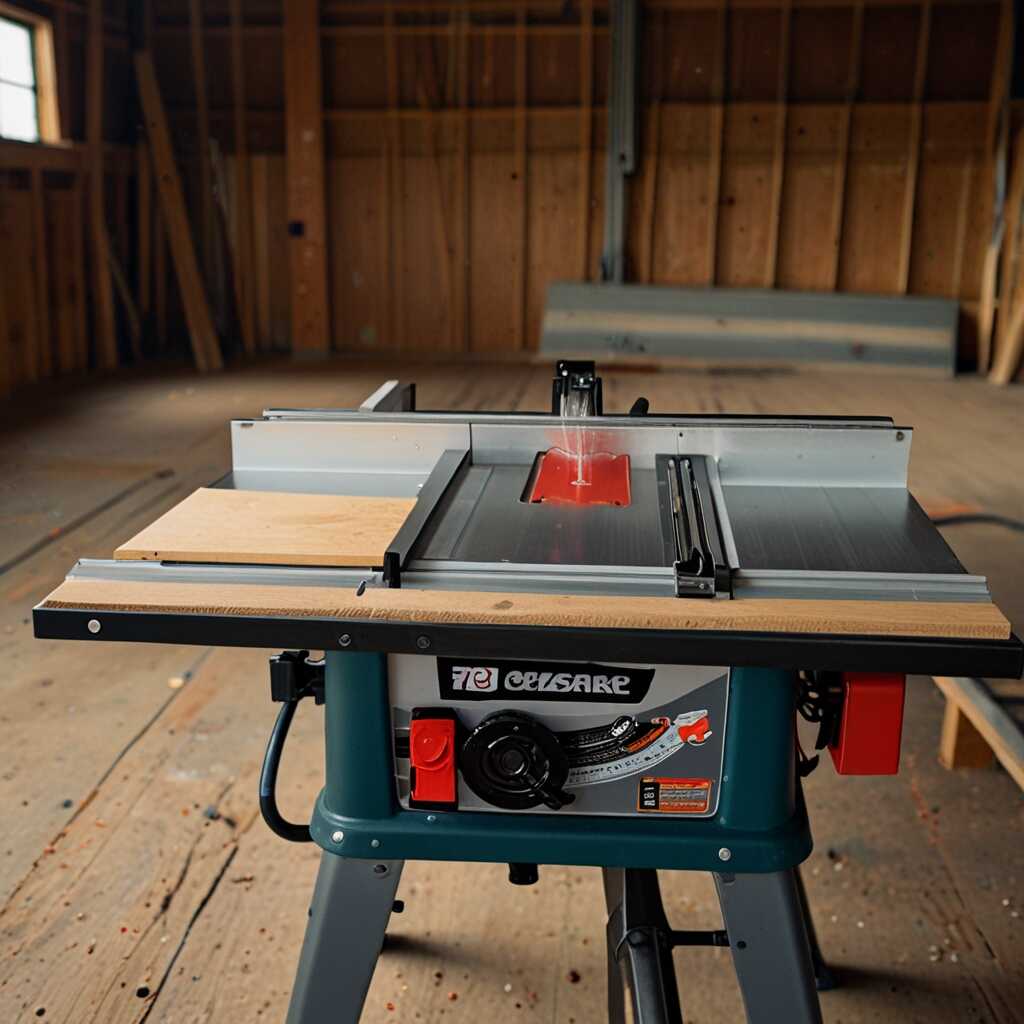
Comprehensive Guide to Building Your Own Tile Cutting Jig
This guide details the essential materials for creating a custom tile cutting jig effectively. Materials include a sturdy base, wooden guides, clamps, and a reliable saw adapted for tile cutting. The reliability of your jig depends on choosing high-quality materials. Best practices must include ensuring that your saw is well-aligned with the tiles and using durable clamps that hold the tiles securely. The accuracy and efficiency of your cutting jig will improve significantly with these modifications and practices. For a complete DIY project, aim for at least three essential components: a base, guides, and clamps.
Steps for Building an Effective Tile Cutting Jig
Building an effective tile cutting jig involves specific steps that enhance your cutting experience. First, use a stable and flat base, preferably made from plywood, as it provides the necessary support. Next, add wooden guides along the edges. These guides ensure precise cuts and are adjustable to fit different tile sizes. Incorporate clamps to secure the tile, limiting movement during the cutting process. A modified saw, such as a tile saw with a continuous rim diamond blade, enhances the cutting accuracy. Each component plays a vital role in achieving efficient and reliable results in your tile cutting projects.

Configuring Saw Settings for Clean and Precise Cuts
To ensure your saw cuts tiles with optimal precision, start by adjusting the blade type and saw speed according to the material. For ceramic tiles, a diamond blade provides sharp, clean cuts. For thicker materials like stone, consider a continuous rim blade. These adjustments enhance efficiency and reliability. Testing different settings helps gather data on the best performance for each tile type. Be sure to review and compare results from previous cuts to improve accuracy. Ensure that your custom jigs align the tiles firmly during cutting, enabling steady and controlled movements which lead to cleaner cuts.
Understanding Tile Material Characteristics
Understanding the characteristics of various tile materials is crucial for applying the right saw settings. Porcelain, ceramic, and natural stone each have unique properties that affect cutting. Porcelain tiles are denser, requiring a higher blade speed around 6,000 RPM. A slower speed between 3,500 and 4,500 RPM works best for softer ceramic tiles. When cutting natural stone, slow down to around 4,000 RPM to avoid chipping. Using water as a coolant while cutting improves performance by reducing heat, thus enhancing blade longevity. Selecting the correct saw settings based on these characteristics ensures excellent performance and quality results with each cut.
Advantages of Tailored Jig Making for Tile Precision
- Custom jigs greatly enhance the precision of tile cuts.
- They reduce waste, leading to cost savings on materials.
- Improved safety measures prevent accidents during cutting.
- Users gain better control over their cutting processes.
- They allow for complex shapes that are hard to achieve otherwise.
- Artisans can replicate cuts for larger projects effortlessly.
- Custom jigs provide spark creativity, enhancing the artistry of tiles.

Improving Tile Cutting Techniques for Better Results
To achieve more precise tile cuts, focus on adjusting your saw’s settings and blade types. Modified saw methods can provide enhanced reliability and efficiency. Use diamond blades for ceramics to ensure clean cuts. Additionally, applying consistent pressure and maintaining a steady pace during cuts lead to better results. Ensuring your cutting jig is squared up will further improve the quality of your tile cutting process.
Optimal Saw and Jig Combinations for Tile Cutting
Choosing the right saw and jig combination is crucial for effective tile cutting. A tile saw offers great efficiency for straight cuts, while a miter saw effectively handles angle cuts with precision. Modify your miter saw by adding a custom jig to stabilize tiles, which can help cut angles ranging from 0 to 45 degrees. Ensure the blade is designed for ceramic tiles for optimal performance. Built-in guides can enhance the accuracy of your cuts and reduce waste.
Identifying and Avoiding Common Mistakes with Tile Jigs
Common mistakes with custom tile cutting jigs include improper alignment, inadequate support, and incorrect blade selection. Users often misalign tiles, resulting in crooked cuts. Inadequate support can cause tiles to break, while using the wrong blade type decreases efficiency and may lead to chipping. To enhance user safety and cutting efficiency, ensure the jig is set up correctly for the material being cut, whether it’s ceramic or porcelain. Testing your jig with scrap tiles before starting on actual projects can help identify potential issues and ensure reliable performance.
Best Practices for Setting Up Custom Jigs
Setting up a custom tile cutting jig requires precision and attention to detail. Begin by measuring the length of your tiles. The support arms should be easy to adjust for different tile sizes. Ensure that the saw blade you select matches the tile material for optimal results. Keep the jig stable on a flat surface to prevent movement during cutting. Incorporate a stop block for repeated cuts, allowing for consistent length and minimizing mistakes. Practice on a few sample cuts to refine the setup. This enhances cutting efficiency and user confidence.
Understanding User Groups and Their Needs for Tile Cutting Solutions
- DIY enthusiasts often seek cost-effective custom jigs for home projects.
- Professional contractors aim for efficient, reliable solutions on the job.
- Tile artisans require specialized tools for intricate designs.
- Creative ceramic artists explore new techniques to elevate their work.
- Weekend hobbyists enjoy experimenting with tile cutting patterns.
- Home improvement groups favor tools that enhance cutting accuracy and reduce waste.
- Commercial builders look for durable options that withstand rigorous use.
Essential Tips for Maintaining Cutting Tools and Jigs
To maximize the lifespan of your cutting tools and jigs, focus on regular maintenance practices. Clean your tools after each use to remove dust, grime, and any ceramic residue. Use a damp cloth and gentle cleaners designed for blades. Properly store tile cutting jigs in a dry, clean place to avoid rust and damage. Ensure tools are lubricated to enhance their movement and cutting efficiency. Regularly inspect blades for wear and replace them when necessary to maintain performance. For reliability, perform maintenance at least once a month depending on usage frequency.
Cleaning and Storing Tile Cutting Jigs
Proper cleaning and storage practices for tile cutting jigs significantly impact their performance. After each use, thoroughly clean jigs with a soft brush to remove tile dust. Consider using a non-corrosive lubricant on moving parts to enhance functionality. Store jigs flat in a designated area to prevent bending or damage. Avoid humidity and extreme temperatures, which can lead to rust. Regularly check the jig for any signs of wear or flexibility issues. These steps improve the efficiency of your jigs, enabling better tile cutting results in every project.