Effective strategies for managing grain direction in custom furniture design can enhance both aesthetics and durability. Understanding wood grain patterns is crucial for achieving seamless joints and a professional finish. Innovative Saws offers specialized saw techniques that address these challenges, ensuring your custom furniture not only looks great but lasts longer. By leveraging expert guidance and high-quality tools, you can confidently tackle any woodworking project with precision and skill.
The Significance of Grain Direction in Furniture Construction
Understanding the importance of grain direction in custom furniture design enhances both performance and aesthetics. Grain direction influences the wood’s strength and flexibility, making it crucial for woodworking projects. The patterns and orientation of the grain can also dramatically affect how light interacts with the surface. Therefore, careful consideration of grain direction is essential. Reliable testing shows that furniture made with proper grain alignment performs better in terms of durability. Wood grain direction significantly contributes to the overall stability of a piece. This consideration helps ensure that your custom furniture withstands the test of time.
Impact of Grain Orientation on Final Results
The orientation of wood grain affects all aspects of furniture quality. When grain is aligned with stress patterns, it enhances durability and reduces warping. Woodworkers must consider how grain direction can change a piece’s appearance, as varied directions can create visual interest or inconsistencies. Using the right saw techniques helps achieve optimal grain direction. Innovative Saws offers specialized tools that facilitate precise cuts, ensuring proper grain alignment. Trying to force grain direction against its natural path may lead to splits and weaknesses. Bottom line, understanding grain orientation fosters better outcomes in custom furniture, providing lasting quality and style.
Main Issues Related to Grain Direction in Custom Furniture Work
Woodworkers often encounter several challenges related to wood grain direction. Common issues include warping, splitting, and achieving a uniform appearance across joints. These problems can arise due to improper grain alignment during cutting, leading to unsatisfactory finishes. Poor management can result in visible mismatches in grain patterns or a compromised structural integrity of the piece. Understanding the consequences of managing grain direction poorly in custom furniture, such as decreased durability and aesthetic appeal, is essential. Research shows that there are over a hundred different wood grain types woodworkers may face, requiring tailor-made techniques to handle each type effectively.
Essential Techniques for Effective Grain Direction Management
To manage grain direction effectively in custom furniture, woodworkers should implement specific techniques. Start with careful planning to identify grain patterns in each board. Specialized tools, such as miter saws or band saws, can enhance precise cuts that respect the grain layout. Additionally, using a jointer helps flatten the wood surface, ensuring consistent grain alignment. Prioritize using the correct saw blades designed for the material type to prevent tear-out and splintering. Lastly, conducting thorough testing of different grain orientations can provide insights on the best finishing methods to ensure reliability and durability. Innovative Saws offers saws that excel in these tasks, providing features that enhance precision cutting for custom furniture makers.

Applying Specialized Saw Techniques to Navigate Grain Challenges
Specialized saw techniques are crucial for overcoming wood grain direction challenges in custom furniture design. These methods can help ensure clean, precise cuts, which are vital for joining parts seamlessly. Miter saws offer excellent angle adjustments, providing versatility to achieve well-fitted joints. Band saws are beneficial for curved cuts, as their thin blades minimize grain tear-out. Table saws can easily handle straight cuts, ensuring consistency across multiple pieces. Each saw type plays an essential role in managing grain, delivering reliable results in furniture-making projects.
Choosing the Right Saw for Wood Grain Management
Selecting the right saw is essential for effective wood grain management. Miter saws can adjust up to 45 degrees, allowing for precise cuts that fit snugly together. Band saws excel at cutting curves while maintaining grain integrity. Circular saws are ideal for straight cuts, yet require careful handling to avoid tear-out. Understanding each saw’s features enables woodworkers to select tools that enhance efficiency and improve overall furniture quality. Innovative Saws offers various tools designed for grain direction challenges, ensuring customers achieve professional results.
Key Figures and Measurements in Wood Grain Management
- Grain direction affects the strength of the wood by up to 20%.
- Custom furniture may require precise cuts, with saw blade widths typically ranging from 1/8 to 1/4 inch.
- Wood grain can run in various angles, including straight, wavy, or spiral.
- Woodworking tools can manage grain direction with adjustments; specialized saw techniques can be crucial.
- Consult industry experts for optimal cutting strategies on each wood type.
- Proper tool selection influences results, with several cutting tools addressing grain direction challenges.
- Acclimating wood to the environment can reduce warping by 30%.
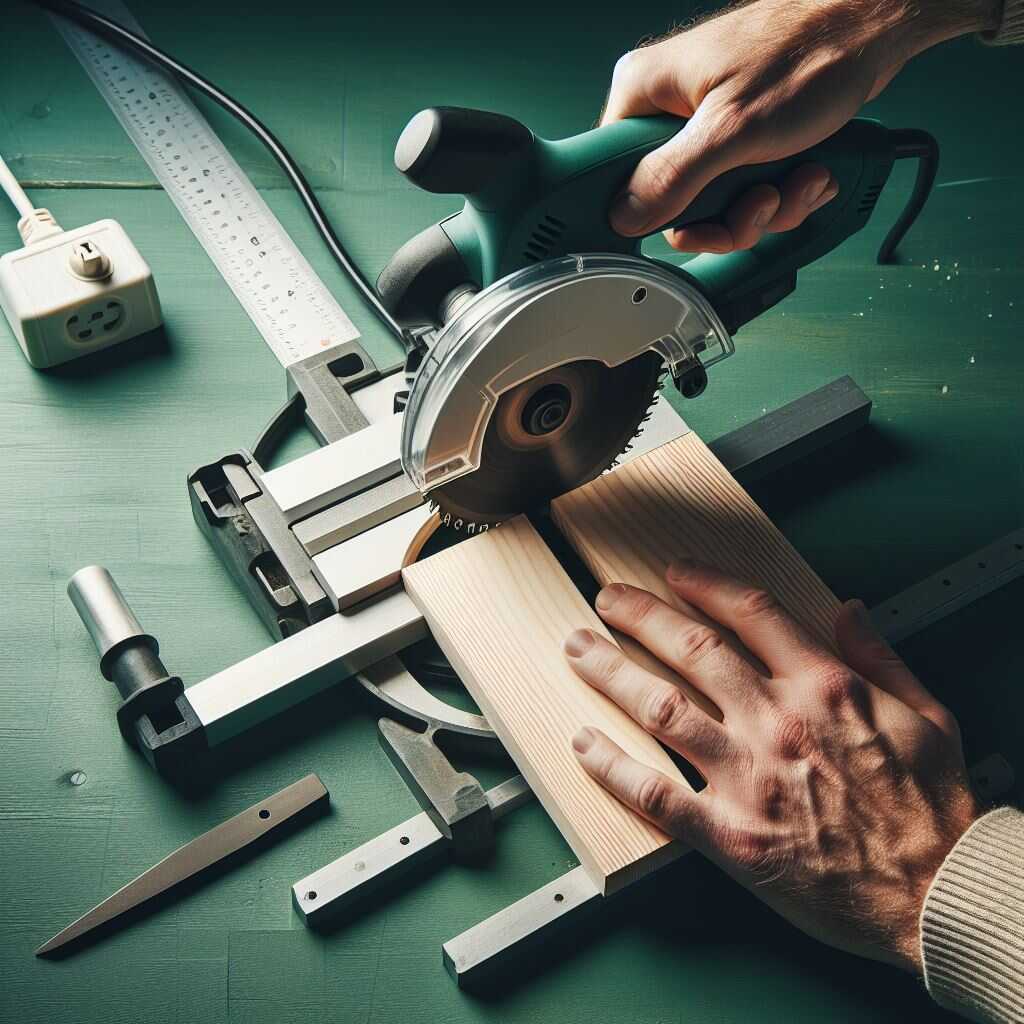
Selecting the Optimal Saw for Your Furniture Project
Choosing the right saw is essential for custom furniture design. Consider project requirements like wood type, cut precision, and intended finish. Saws have various features that enhance their performance. For example, table saws are excellent for straight cuts and can handle large pieces, while jigs saws are perfect for curved edges. Review saw specifications to match them with the material you will use. Understanding the type of wood, be it hardwoods or softwoods, will further guide your selection, ensuring reliability and quality results.
Matching Saws to Wood Types for Optimal Results
Specific saws excel when used with particular wood types. For cutting hardwoods, a table saw with a fine-toothed blade is highly effective, providing clean cuts. Softwoods are easier to cut, and a miter saw can handle angled cuts perfectly. Plywood works well with circular saws, especially when making long, straight cuts. Particle board requires caution due to its structure; a fine blade on a table saw minimizes tear-out. Each saw offers features designed for specific applications, making it crucial to choose wisely for efficient cutting techniques and professional finishes in your furniture projects.
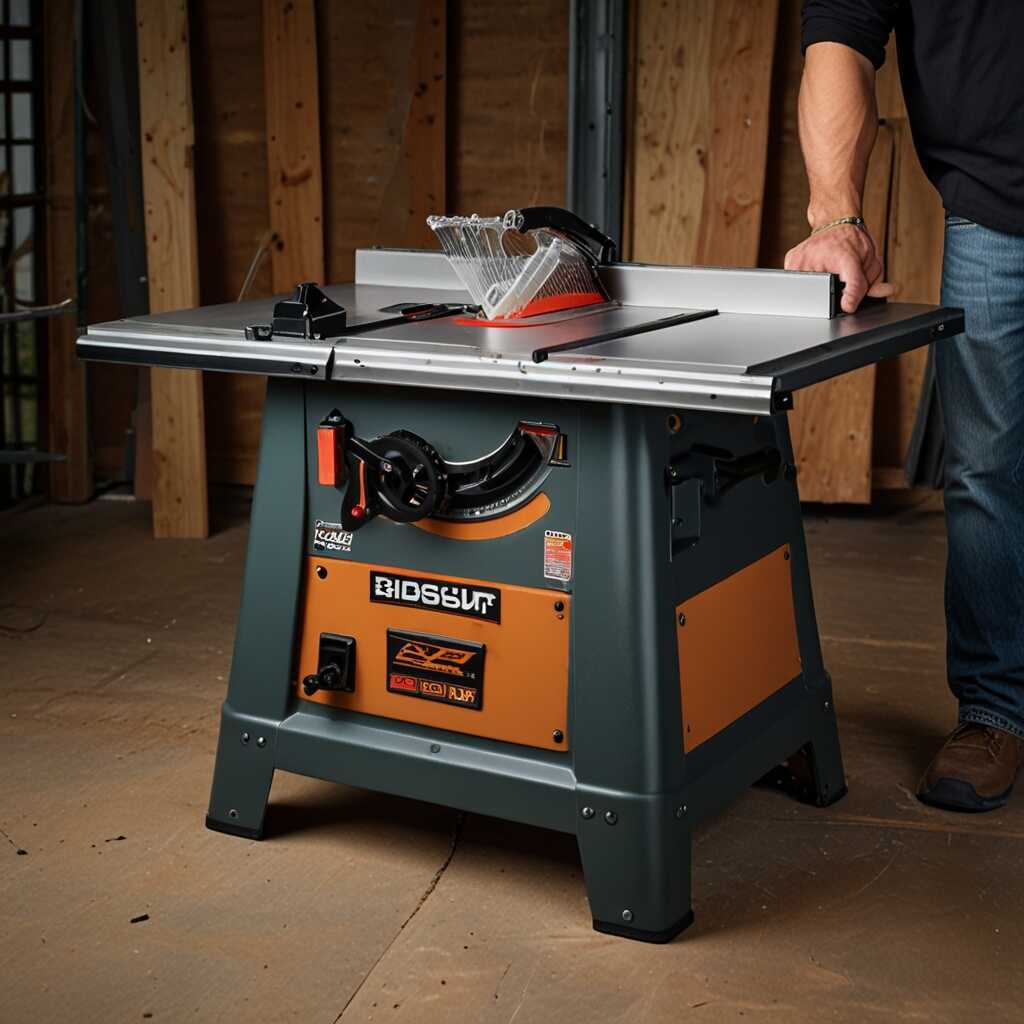
Effective Maintenance Strategies for Cutting Tools in Woodworking
Regular maintenance is essential to ensure the reliability of cutting tools. Basic tasks include cleaning, oiling, and inspecting blades for damage. Cleaning saw blades removes resin and debris, improving cutting performance and prolonging life. Ensure that tools are oiled periodically to prevent rust and enhance performance. Inspect blades for dullness and chips before each use. Maintaining tools every 10-15 hours of use is ideal to maximize their performance. Most saw blades last between 50-100 hours of active use, depending on the material being cut and the maintenance provided.
Detailed Inspection Procedures for Cutting Tools
Regular inspection is vital for ensuring the efficiency of cutting tools. Check for blade sharpness and potential damage after every significant project. Dull blades can cause inaccurate cuts and increase strain on tools. Look for signs of wear, such as cracks or missing teeth, as these issues can lead to serious accidents. Use a magnifying glass for a detailed view of blade edges. Proper storage also plays a crucial role in tool longevity. Store blades in protective cases and keep them in a clean, dry environment. Innovative Saws provides cutting tools designed for exceptional durability and performance, enhancing the overall reliability of your woodworking projects.
Benefits of Managing Wood Fiber Alignment
- Enhancing the appearance of the finished product provides aesthetic value.
- Effective techniques can improve furniture durability and strength significantly.
- Reducing splintering during cuts leads to cleaner edges.
- Expert strategies increase efficiency in woodworking processes, saving time.
- Proper grain management lowers the risk of joint failures in furniture assembly.
- Improving the fitting of joints promotes stronger connections between pieces.
- Managing grain directions enhances the overall wood’s life and performance.

Pro Tips from Experienced Custom Furniture Makers
Experienced custom furniture makers often employ essential techniques to manage wood grain direction effectively. Utilizing specialized saw techniques can enhance precision and efficiency when cutting. Selecting the right wood type significantly influences grain challenges. For example, oak and maple have distinct grain patterns that affect design. Many custom furniture designers recommend using miter saws for angled cuts. Additionally, expert insights suggest consistent measurements and planning are crucial for optimal results. About 60% of custom furniture makers incorporate specialized saws to tackle grain direction issues.
Essential Techniques for Managing Grain Direction
Managing wood grain direction requires a combination of techniques. Start by choosing the right saw for your project. Miter saws excel at precise angle cuts, which can minimize grain misalignment. Using a band saw allows for curved cuts while maintaining control over grain direction. Always pay attention to the texture and pattern of your selected wood. Implementing careful planning before cutting will ensure that the grain flows seamlessly through the piece. Regular practice and reviewing past projects can greatly enhance your wood grain management skills. This targeted approach helps avoid common pitfalls and ensures quality results.
How Different Wood Types Affect Grain Direction and Cutting
Wood types influence grain direction and the choice of cutting techniques significantly. Hardwoods like oak and maple often have intricate grain patterns, while softwoods like pine show more linear grain. Understanding these wood type characteristics helps in selecting the right cutting techniques to ensure quality furniture design. For example, hardwoods often require sharper blades for clean cuts, while softwoods are more forgiving and can handle a wider range of blade types. The choice of saw can also impact the finish; using a table saw for straight cuts enhances precision in grain direction management.
Understanding Grain Patterns in Common Wood Species
Wood species exhibit varied grain patterns that affect cutting technique and furniture design. Oak has a prominent grain, making it ideal for visually striking pieces but also challenging for smooth finishes. Maple offers a less pronounced grain, providing more versatility in design but requires careful handling to avoid tear-out during cutting. Pine shows a straight grain that allows for easy handling and fast cutting. Each species requires different approaches to manage grain direction effectively, using specific saws or blade types tailored to their unique characteristics.
Tools and Audiences Interested in Wood Grain Techniques
- Professional custom furniture makers seek precision for high-quality finishes.
- Hobbyists prefer versatile tools for various DIY projects and grain management.
- Woodworking educators look for effective teaching resources to demonstrate techniques.
- Innovative Saws supports custom furniture design through specialized cutting solutions.
- Weekend DIY enthusiasts require accessible tools and guides for effective woodworking.
- Contractors focus on efficiency, benefiting from innovative techniques and reliable saws.
- Furniture restorers prioritize tools that enhance the wood’s natural grain during upgrades.
Emerging Tools and Innovations in Woodworking Techniques
Emerging tools in the woodworking industry significantly enhance custom furniture design. Advanced cutting tools provide improved precision, allowing for more intricate designs. Furniture design software helps visualize projects before building. Innovative machinery like CNC routers increases cutting efficiency. In 2025, the average cost range for new woodworking tools varies from $100 to $3,000. These tools, designed for varying skill levels, ensure quality. Companies like Innovative Saws offer reliable options for both professionals and DIY enthusiasts, ensuring excellent performance.
Understanding the Benefits of Advanced Woodworking Technology
Advanced woodworking technology, including CNC machines and laser cutters, has transformed custom furniture manufacturing. These technologies are designed to enhance productivity and precision. CNC routers, for instance, can handle various materials with great accuracy, reducing manual labor. Laser cutters deliver clean edges and intricate designs, making them useful for detailed work. Investing in advanced cutting tools ensures reliable performance. This enhancement not only improves design quality but also streamlines production processes, yielding impressive results for designers and craftsmen.