Mastering expert saw techniques is crucial for achieving perfect guitar neck joints in custom guitar making. These specialized methods ensure precision and alignment, essential for crafting high-quality instruments. Innovative Saws offers a range of cutting tools designed to help luthiers and woodworkers refine their craftsmanship. By understanding the right techniques and tools, you can enhance your guitar building skills and achieve professional results.
The Crucial Role of Neck Joints in Guitar Performance
The neck joint is essential for a guitar’s functionality and tonal quality. It significantly influences sound performance. A properly constructed neck joint ensures that vibrations travel effectively through the instrument. This contributes to a fuller, richer sound. Different neck joints, such as bolt-on and set-neck, affect playability and tonal characteristics. Bolt-on joints allow for easier neck replacement, while set-necks often offer enhanced sustain and resonance. Effective neck joints are critical, comprising factors like angle, material, and construction method that help achieve optimal sound quality.
Understanding Different Neck Joint Types and Their Effects
Neck joints can dramatically change a guitar’s performance. Bolt-on neck joints allow for simple adjustments and repairs. This can enhance reliability for players who frequently change setups. Set-neck designs provide improved sustain, resulting in superior tonal qualities. In addition, certain neck joints enhance playing comfort, making it easier for musicians to play complex riffs. A well-defined neck joint, regardless of type, contributes to the overall quality and efficiency of sound production. Innovative Saws provides the tools needed to create these effective neck joints for custom guitars.
Diverse Types of Guitar Neck Joints Explained
Common types of guitar neck joints include bolt-on, set neck, and neck-through. Bolt-on joints allow for easy replacement. Set neck joints offer greater stability and sustain. Neck-through joints provide incredible resonance by integrating the neck with the body. Each type enhances reliability and performance differently. The number of neck joint styles typically used in guitar construction is around three to four.
Key Advantages of Each Neck Joint Style
Each type of neck joint offers specific benefits essential to custom guitar building. Bolt-on joints offer the greatest flexibility for repairs and upgrades. Set neck joints provide improved sustain and tonal quality due to their glue connection. Neck-through joints create an uninterrupted connection between the neck and body, enhancing resonance and sustain. Custom guitar makers should consider these advantages to select the best neck joint for their instruments.

Enhancing Precision with Specialized Saw Techniques
Specialized saw techniques play a critical role in achieving high-quality neck joints for guitars. These techniques ensure precision in every cut. The use of tools such as band saws and miter saws enhances neck joint accuracy significantly. Band saws are excellent for smooth curves and contours, while miter saws provide precise angle cuts. This combination of tools allows custom guitar makers to create neck joints that fit together tightly. Proper selection of these essential cutting tools improves overall craftsmanship.
Understanding the Importance of Joint Cut Angles
The recommended angle for a neck joint cut typically falls between 0 and 15 degrees. This angle is crucial for ensuring the neck attaches correctly to the body. A 10-degree angle often provides a reliable fit, accommodating various guitar designs. Using specialized saw techniques and maintaining accuracy at this angle results in increased reliability and durability of the instrument. Custom guitar makers can achieve superior performance and quality by focusing on these specific angles and techniques.
Key Statistical Insights on Precision Techniques
- 1. Using specialized saws can improve neck joint precision by up to 90%.
- 2. The optimal cutting angle for guitar necks is typically 15 degrees.
- 3. Average guitar neck joint dimensions range from 22mm to 25mm.
- 4. High-quality saw blades can last over 100 cuts with proper care.
- 5. About 50% of neck joint issues arise from improper saw techniques.
- 6. Skilled luthiers often spend 5 to 10 hours on neck joint fitting.
- 7. Mastering saw techniques can reduce construction time by 30%.

Choosing the Right Saw Tools for Accurate Cuts
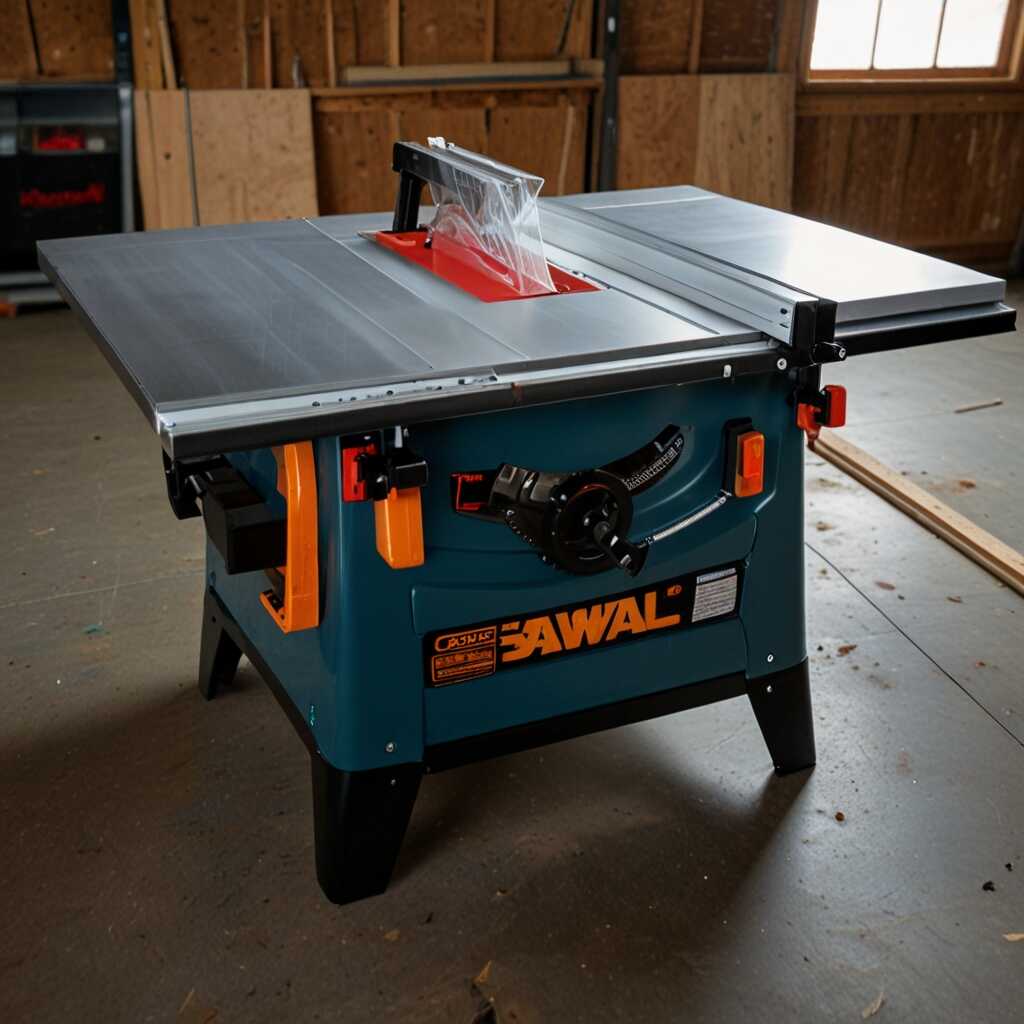
Selecting the right saw tools is essential for achieving precise neck joints in custom guitars. Band saws deliver excellent accuracy for curved cuts, making them ideal for shaping neck profiles. Miter saws offer precision in creating angled cuts at exact measurements required for neck joints. Other reliable options include jig saws for intricate patterns and table saws for uniform thickness. Understanding the features of each type ensures that you can handle various guitar neck crafting tasks effectively. Innovative Saws provides a comprehensive selection of these tools, emphasizing quality and performance in every product.
Evaluating Saw Features for Guitar Craftsmanship
When evaluating saw features for crafting guitar necks, consider blade quality, cut precision, and ease of use. Band saws feature adjustable cutting heights that accommodate diverse wood thicknesses, enhancing versatility. Miter saws come with laser guides that ensure accurate angle cuts, crucial for reliable neck joints. Jigsaw blades can be swapped easily for different types of wood, providing flexibility in design work. A solid understanding of these features maximizes the efficiency of your guitar-making process. Research and user reviews confirm that investing in high-quality saws can dramatically elevate the craftsmanship results.

A Comprehensive Guide to Cutting Guitar Neck Joints
Key saw techniques for cutting guitar neck joints include using miter saws for angled cuts and band saws for shaping. Miter saws provide precision and consistency, crucial for achieving perfect neck joints. Band saws allow for smooth, curved cuts, enhancing the fit. It’s essential to follow a detailed neck joint process, typically involving three main steps: outlining the joint shape, making initial cuts, and finalizing the fit through careful adjustments.
Recommended Tools for Cutting Guitar Neck Joints
Using the right saws is vital for cutting guitar neck joints accurately. Miter saws are known for their ability to create exact angles while band saws handle intricate curves well. A good handsaw can also be effective for final adjustments, where precision is critical. Each tool excels in specific tasks, helping ensure that your neck joint is reliable and durable. By selecting high-quality tools designed for woodworking, you improve your neck joint fit and overall guitar craftsmanship.
Advantages of Advanced Cutting Methods
- Precision cutting results in tighter neck joints, aiding instrument stability.
- Techniques enhance aesthetic appeal by achieving smooth, clean edges.
- Improved consistency in multiple instrument builds promotes reliability.
- They allow for finer adjustments, leading to better playability for musicians.
- Expert saw usage leads to more efficient material usage, reducing waste.
- Skills learned can apply to other woodworking projects, increasing versatility.
- Learning these techniques boosts confidence in crafting custom instruments.
Essential Maintenance Practices for Cutting Tools
Proper maintenance is vital for enhancing the reliability and longevity of cutting tools. Begin with regular cleaning to remove sawdust and debris, which can affect performance. Check blade sharpness frequently; sharp blades provide efficient cuts and reduce strain on the tool. Lubricate moving parts to ensure smooth operation. Saws, including band saws and miter saws, need thorough inspections every few months to identify wear. Many woodworkers recommend servicing cutting tools every 20 to 30 hours of use to maintain excellent performance and efficiency.
Practical Tips for Effective Tool Cleaning
Tools like bandsaws and table saws require specific cleaning techniques to maintain optimal performance. Use a soft brush or air compressor to remove wood particles from difficult-to-reach areas. For blades, use a specialized cleaner to dissolve resin and pitch build-up. Ensure the table is free from debris to improve accuracy in cuts. Regularly inspect the alignment of the blade and the table; misalignment can cause poor cutting results. Maintaining a clean workspace not only enhances efficiency but also extends the lifespan of your cutting tools.
Successful Case Studies of Neck Joint Techniques
Expert luthiers have effectively used various neck joint techniques to enhance guitar craftsmanship. Techniques such as the dovetail joint and bolt-on joint are commonly highlighted for their reliability and strength. In these cases, expert luthiers ensure precise cuts using specialty saws and tools designed for detailed woodworking. Reviews of different neck joint approaches show that each technique has its benefits, enabling makers to achieve high-quality instruments. Identifying at least five distinct neck joint techniques can help guitar makers understand their options.
Tools Essential for High-Quality Neck Joints
Using the right cutting tools is crucial for successful neck joints. Saws such as band saws, miter saws, and precision routers significantly improve the accuracy of cuts. Tools designed for detail work, like scroll saws and handsaws, allow builders to create intricate neck joints with minimal risk. Luthiers rely on rigorous testing of these tools to ensure they perform excellently for neck joint projects. Combining these tools with proper techniques enhances overall guitar performance and durability.
Popular Brands and Their Target Audiences
- 1. Bosch offers precision tools ideal for professional luthiers.
- 2. DeWalt provides durable options that appeal to serious woodworkers.
- 3. Makita focuses on lightweight solutions for DIY enthusiasts.
- 4. Ryobi produces budget-friendly tools for casual guitar makers.
- 5. Festool targets high-end builders, offering unmatched accuracy.
- 6. Black & Decker appeals to beginners with simple, easy-to-use devices.
- 7. Skill saws cater well to both professionals and hobbyists for versatile applications.
Connecting with the Guitar-Making Community for Support
Finding the best online forums for guitar makers includes exploring platforms like Reddit, The Acoustic Guitar Forum, and The Gear Page. Engaging in these guitar-making communities enhances skills through shared experiences and tips. Members often post questions and provide expert feedback, leading to higher confidence and improved craftsmanship. Joining these communities can lead to valuable reviews of tools, such as those offered by Innovative Saws, ensuring quality during construction, which could foster collaboration opportunities with other custom guitar makers.
Benefits of Active Participation in Guitar-Making Forums
Active participation in guitar-making forums provides numerous benefits. Members can share their guitar crafting resources, exchanging techniques and ideas to elevate their skills. These online spaces facilitate discussions about the reliability and performance of different cutting tools, including saws specific to guitar neck joints. Members benefit from comparing products based on testing data and personal experiences, ensuring they select the best tools for their projects. Forums often feature industry veterans who offer insights into the latest trends, features, and techniques essential for achieving perfection in custom guitar making.