Create custom saw guides from household materials to achieve straight cuts with ease. This guide will help you create simple yet effective saw guides using items you likely already have at home. Whether you’re a DIY enthusiast or a woodworking hobbyist, learning to make your own guides can enhance your projects significantly. Innovative Saws is committed to providing you with practical solutions and expert tips to ensure your cuts are precise and clean.
The Importance of Precision in Woodworking Cuts
Precision is crucial in woodworking because it directly impacts the quality of your finished projects. Straight cuts enhance the aesthetic appeal and contribute to the structural integrity of the item. Poor cuts can lead to misalignments, gaps, and an overall unprofessional look. This affects both the durability and reliability of your creations. Accurate cuts improve efficiency and reduce waste, making projects easier and faster to complete. For angle cuts, a precision within one degree is often recommended to ensure clean joints and a better fit.
Benefits of Straight Cuts in Woodworking
Straight cuts are essential for achieving quality woodworking projects. They ensure the components fit together well, providing a reliable foundation for the structure. Woodworking projects, such as furniture or cabinetry, require straight edges to prevent wobbling or misalignment. Using tools like saw guides can help you maintain precision. Innovative Saws offers various cutting solutions designed for optimal accuracy. Ensuring straight cuts enhances not just the appearance, but also the functional reliability of the final product, making woodworking rewarding and effective.
Identifying Household Items for Creating Saw Guides
Common household items for effective saw guides include wooden boards, cardboard, metal ruler, clamps, and plywood scraps. Wooden boards can provide straight edges, while cardboard can easily be adjusted to fit your cut needs. Metal rulers offer durability and accuracy. Repurposing these items encourages creativity, enhancing woodworking projects by enabling precise cuts with minimal cost. Many enthusiasts find that using everyday materials improves their efficiency by utilizing what they have on hand. Research shows that using repurposed items can lead to excellent results in DIY projects. Attempt to test various household materials to discover their potential as saw guides.
Best Household Items for Precision in Cutting
When selecting household items for precision, wooden boards and metal rulers stand out. Wooden boards, such as leftover lumber from previous projects, provide sturdy and easily adjustable guides. Metal rulers offer sharp edges, ensuring straight cuts that will lead to professional-looking results. Some users also find that sturdy cardboard can serve as a temporary guide by tracing cut lines. Using clamps can help secure these materials in place, enhancing stability during cuts. This combination of household materials enables DIY enthusiasts to maximize their woodworking efficiency while maintaining quality. Innovative Saws highly recommends experimenting with these items for optimal performance.

A Comprehensive Step-by-Step Tutorial for Crafting Basic Saw Guides
To create a basic saw guide, you will need simple household materials such as a straight piece of wood, clamps, a saw, measuring tape, and a square. The construction of a simple saw guide enhances the accuracy of cuts in woodworking projects by providing a stable and straight edge for the saw to follow. This ensures that your cuts are reliable and precise, improving the overall quality of your work. Typically, a saw guide measures about 48 inches long, with a width that comfortably accommodates your saw base while leaving enough space for your hands to operate safely.
Key Steps in Crafting Your Custom Saw Guide
Begin by selecting a straight board to act as the main body of your saw guide. Use a measuring tape to mark your desired length. With a square, ensure the edges are perfectly straight. Attach clamps to secure the guide to your work surface, ensuring stability. Place the saw against the guide and cut along the edge. This setup will improve your cuts, enabling quick adjustments. By following these steps, you create an effective saw guide that enhances cutting efficiency and accuracy in all your DIY projects.
Key Numerical Insights About Custom Cutting Tools
- 1 – A straight cut can improve the appearance of your woodworking projects by 100%.
- 2 – Using guides can reduce cutting errors by as much as 50%.
- 3 – You can save up to 30 minutes per project by using a homemade guide.
- 4 – A sturdy guide can last for over 50 cuts if properly maintained.
- 5 – Most saws can cut through materials ranging from 1/4 inch to 1 inch thick.
- 6 – DIY guides often cost less than $5 to create from household items.
- 7 – The average woodworking hobbyist makes 15 custom cuts per project.

Essential Tips for Ensuring Straight Cuts with Your Saw Guide
For achieving straight cuts with your custom saw guide, start by securing the guide firmly to your workpiece. Use clamps to hold it in place and check for any movement during cutting. If the saw blade is not aligned properly with your guide, it may lead to uneven cuts. Double-check the height and angle of your saw blade to ensure that it matches the guide’s edge. Additionally, avoid common pitfalls such as applying excessive pressure on the saw, which can cause it to deviate from the guide. Instead, let the saw do the work while maintaining a steady hand. Common household materials like plywood and straight aluminum strips can improve guide quality significantly, providing reliability and stability during cuts.
Detailed Techniques for Saw Blade Alignment
Ensuring your saw blade is properly aligned with your saw guide is crucial for maintaining accuracy. Begin by measuring the distance from the saw’s base to the blade to determine its alignment with the guide edge. Mark this distance on the guide. Use a square to ensure the guide is perpendicular to your cutting line. Adjust the guide as needed, and confirm using a level for a flawless setup. Remember, an accurate saw guide will enhance the quality of your cuts, helping you achieve professional results with your woodworking projects.

Maintaining Your DIY Saw Guides for Optimal Performance
Proper maintenance is crucial for maximizing the lifespan of your DIY saw guides. Regularly inspect your guides for signs of wear and tear. Utilize high-quality materials to construct them for enhanced reliability. Cleaning your saw guides with mild soap and water improves their performance by removing debris. You should also periodically check for alignment to ensure straight cuts. It is useful to maintain your guides at least once a month or after extensive use to prevent degradation.
Essential Tips for Inspecting and Maintaining Your Saw Guides
Inspecting your homemade saw guides involves evaluating both material quality and structural integrity. Identify any cracks or warping that could impact cutting accuracy. Use a ruler to check alignment after each major project. It’s essential to store your guides in a clean, dry place to avoid moisture damage. Implementing these practices will enhance the efficacy of your tools and ensure they remain reliable for future woodworking tasks.
Advantages of Making Your Own Cutting Guides
- Creating guides enhances cutting precision, producing professional-looking results.
- Using materials you already have saves money and reduces waste.
- Custom guides can be tailored to fit any specific project needs easily.
- These solutions can be made in under an hour, boosting productivity.
- They are lightweight and easy to transport between projects.
- Making guides encourages creativity and problem-solving skills in woodworking.
- Custom guides increase safety by helping align the saw correctly while cutting.
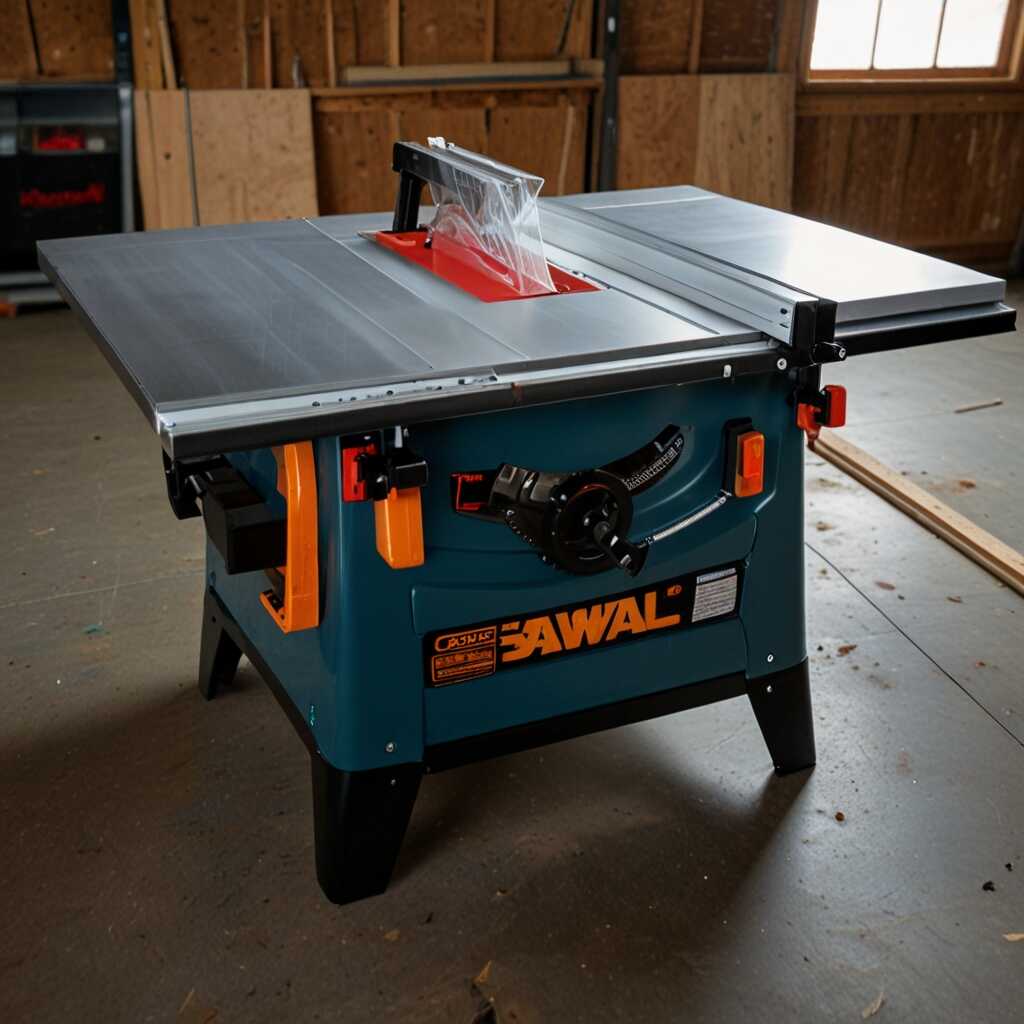
Innovative Modifications to Enhance Your Saw Guides
There are numerous creative modifications for saw guides that improve cutting precision. Using household materials like plywood, MDF, or even cardboard can enhance your custom saw guides. Adding adjustable features allows for versatility when making angled cuts. You can also incorporate clamps for stability, ensuring your materials remain steady during cuts. Materials such as rubber strips can be affixed to the guide’s base for better grip. Essential tools for creating these saw guides include a straightedge, clamps, a measuring tape, and a sturdy saw. These modifications help DIY enthusiasts achieve reliable and straight cuts in woodworking projects while ensuring improved efficiency.
Best Materials for Crafting Effective Saw Guides
Choosing the best materials for crafting effective saw guides is essential for achieving precise cuts. Plywood is a popular choice due to its durability and ability to handle various cutting tasks. Medium-density fiberboard (MDF) offers an excellent flat surface, reducing vibrations while cutting. Thin strips of rubber can be added to the guide base to prevent slipping. Additionally, T-track systems can be incredibly useful, allowing for easy adjustment of the saw guide length. These items enhance precision by providing a sturdy foundation for cuts. Using the right combination of materials elevates the reliability of your custom saw guides, resulting in professional-quality woodwork.
Practical Uses for Custom Saw Guides in Woodworking Projects
Custom saw guides can enhance woodworking projects like making cabinets, building furniture, or crafting intricate designs. For example, using a saw guide created from plywood or a straight edge can ensure straight cuts for cabinet sides or shelves. Projects involving intricate patterns also benefit, as guides can help maintain precise lines. The reliability of these guides in various projects highlights their essential role in improving woodworking efficiency and final results.
Enhancing Accuracy in Common Woodworking Projects
Using custom saw guides improves accuracy in tasks like cutting plywood sheets or trimming small boards. A straight guide made from sturdy materials, such as MDF or solid wood, offers stability for clean cuts. For example, when cutting plywood, placing a guide along the cut line minimizes errors. This accuracy helps ensure a better fit during assembly, resulting in tighter joints and overall better-quality work. Also, guides can enhance speed, as they allow consistent cuts with minimal adjustments, making your woodworking more efficient.
Target Users and Their Interests in Custom Guides
- Professional woodworkers seek precision and often need versatile cutting solutions.
- DIY enthusiasts enjoy making their own tools to enhance their creative projects.
- Educators in woodworking need practical examples for teaching straight cutting techniques.
- Hobbyists often experiment with materials to create fun and functional guides.
- Home improvement fans want affordable solutions for smaller, straightforward projects.
- Contractors appreciate quick and easy setups for larger scale projects.
- Gardeners may implement guides for precise pruning cuts on plants.
Recommended Tools and Resources for Successful Woodworking
Effective woodworking relies on quality tools and resources that complement custom saw guides. Essential woodworking supplies include clamps, measuring tapes, squares, and saw blades. Reliable tools such as a circular saw and a miter saw from Innovative Saws enhance the performance of your projects. Expert reviews often help identify the best tools for your needs. Many woodworking enthusiasts also use safety gear like goggles and gloves to ensure safe working conditions.
Best Practices for Choosing Woodworking Supplies
Choosing the right woodworking supplies is crucial for project success. Research guides available on Innovative Saws’ website provides useful tips on selecting materials that match your project needs. Essential features in woodworking supplies include durability, reliability, and compatibility with your custom saw guides. For instance, high-quality clamps improve the stability of your workpiece, allowing for accurate cuts. A sturdy measuring tape ensures precise measurements, which is fundamental for woodworking success.