Essential saw blade cooling techniques are crucial for efficiently cutting dense materials. These methods help manage heat, reduce friction, and prolong blade life during cutting tasks. Innovative Saws recognizes the importance of effective cooling strategies, offering tools and expert advice to enhance cutting performance. By addressing blade heat, users can achieve cleaner and more precise cuts while working on various projects.
Understanding the Role of Blade Cooling in Dense Cutting
Cooling saw blades is essential during cutting operations, especially when working with dense materials. Heat negatively impacts cutting performance. It can dull blades faster, leading to poor cutting results and increased wear. The high temperature can also warp blade teeth, affecting precision. Maintaining optimal blade temperatures is vital for efficient cutting and enhanced longevity. For most dense materials, keeping blade temperatures around 150°F (65°C) is ideal. Effective heat management methods can help achieve this, ensuring cleaner and faster cuts.
Effective Heat Management Techniques for Blade Longevity
Several effective heat management techniques are available to improve your saw blade’s longevity and performance. Using a cooling liquid or lubricant during cutting helps dissipate heat efficiently. Techniques like intermittent cutting, which involves pausing periodically, can also prevent overheating. Another method is using blades designed for heat resistance, ensuring they handle dense materials proficiently. Regularly cleaning the blade removes debris and allows for better airflow, facilitating temperature control. All these strategies contribute to maintaining an optimal blade temperature, thus enhancing the overall cutting efficiency and securing the best results.
Identifying Common Factors that Lead to Overheating
Common causes of saw blade overheating include improper cutting techniques and the challenges posed by dense materials. Incorrect feed rates can cause excessive friction, generating heat that overheats the blade. Moreover, cutting through materials like hardwood, laminated surfaces, or metal can further compound these issues. Using the wrong blade type can also contribute to overheating. For instance, blades without sufficient teeth may struggle to cut, resulting in more friction. Finally, inadequate lubrication can lead to increased heat buildup. Understanding these factors is essential for implementing effective cooling strategies.
Understanding the Impact of Material Selection on Heat Generation
Selecting the correct material for your cutting project significantly affects blade performance and heat generation. Dense materials like hardwood and certain metals generate more heat as they resist cutting. Using a blade specifically designed for these materials can enhance performance and reduce overheating. For example, carbide-tipped blades are excellent for cutting dense wood or metal as they can handle higher temperatures. Furthermore, ensuring your blade’s teeth are sharp offers better cutting efficiency and minimizes heat buildup. Regular maintenance and correct blade selection ensure your tools operate reliably and withstand intensive use without overheating.

Exploring Effective Cooling Techniques for Saw Blades
To enhance cutting performance on dense materials, consider using several effective saw blade cooling techniques. Using water or coolant sprays helps reduce blade temperature during operation. This technique increases blade life and improves efficiency. Heat buildup can damage blades, especially when cutting hardwoods like oak and maple. Another useful method is applying a high-quality lubricant to the blade before use. Lubricants can further reduce friction, positively affecting the durability of the blade. Keeping the cutting area clean also improves airflow, providing better cooling. Regular pauses during cutting can help keep the blade temperature in check, ensuring optimal performance.
Best Practices for Maintaining Ideal Cutting Temperatures
Maintaining ideal cutting temperatures is crucial for improving blade longevity. The optimal cutting temperature range is between 150°F and 200°F. Above this, you risk damaging the blade and material. Consider using infrared thermometers to monitor blade temperatures while cutting. Frequent temperature checks ensure that you can employ cooling techniques immediately when necessary. If temperatures approach critical levels, pause for a moment to allow cooling. Investing in cooling systems designed for your specific saw type can provide consistent results. These systems enhance overall cutting performance and deliver excellent reliability during extensive projects.
Fascinating Numerical Insights into Blade Cooling Strategies
- Blade temperature often reaches 200°F when cutting dense materials.
- Effective cooling can extend blade life by up to 50%.
- Water-cooled systems can reduce blade heat by 30% during operation.
- Effective cooling methods can improve cutting speed by 20%.
- Using the right lubricant can increase the tool’s lifespan by 40%.
- Overheating can cause blade warping in as little as 10 minutes of continuous use.
- Properly cooled blades can achieve a precision cut within 1/16 of an inch.
Implementing Best Practices for Temperature Regulation
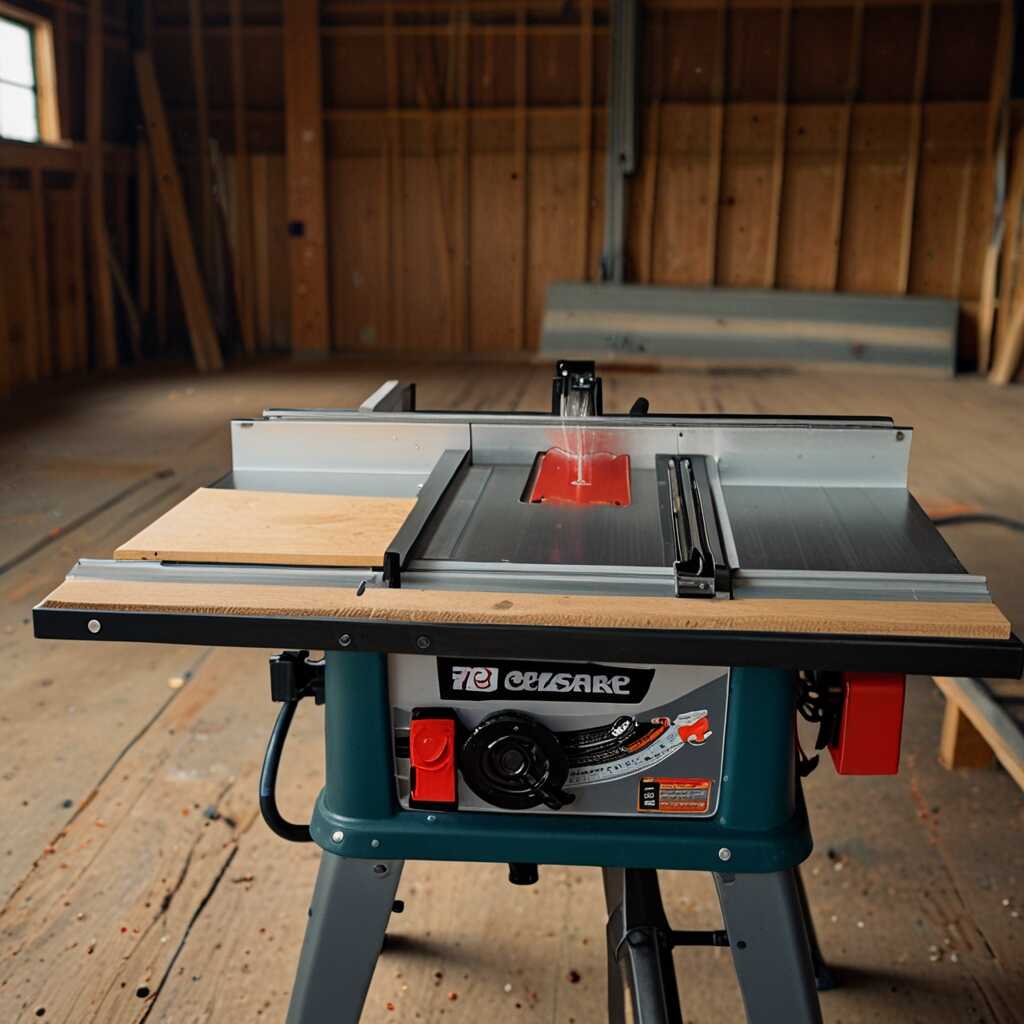
To effectively regulate saw blade temperature during operation, consider these best practices. One essential method is to use high-quality lubrication on the blade. This reduces friction and enhances cooling. For optimal results, apply lubricant at the beginning of each cut. Another strategy is to ensure adequate airflow around the blade. Many saws have adjustable speeds, so using the lower settings helps mitigate heat build-up. Using the right blade for the material also plays a crucial role. For instance, carbide-tipped blades can handle dense materials better, decreasing heat generation. Lastly, take breaks between cuts to allow the blade to cool. These practices can improve your cutting performance and extend blade lifespan.
Effective Cooling Methods and Their Uses
Several cooling methods can effectively manage heat during cutting. Water cooling is a reliable technique, especially for tile and masonry saws. This method not only cools the blade but also reduces dust. For metal cutting, using air cooling systems or fans provides essential heat regulation. Additionally, coolant sprays can be beneficial for high-performance cuts, significantly reducing temperatures. Implementing these cooling techniques helps maintain efficient cutting processes. By carefully selecting and utilizing the appropriate cooling method, users can greatly enhance blade performance and ensure a longer tool life.
Selecting the Ideal Blade for Tough Materials
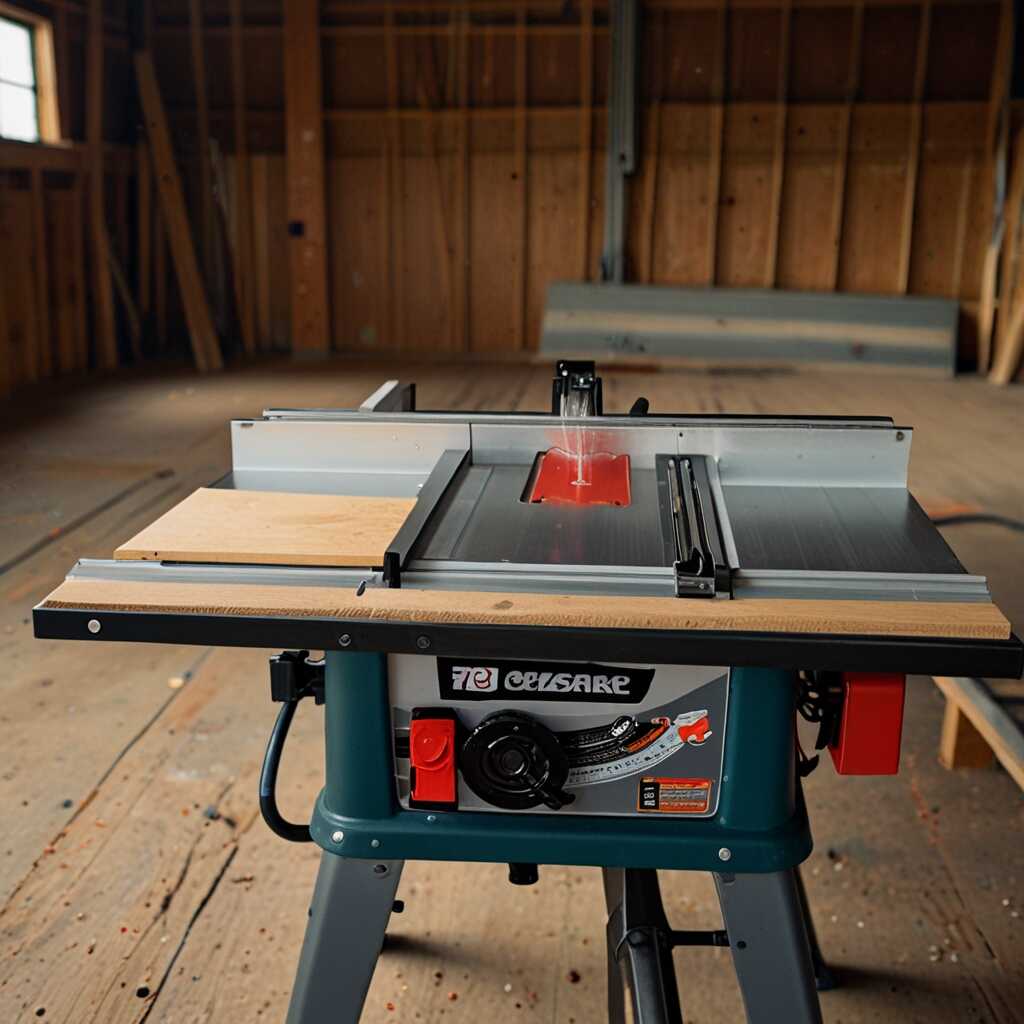
Choosing the right blade is essential for effective cutting of dense materials. Various blade types excel in specific applications. For softwood, high tooth count blades improve precision. For hardwoods, skip-tooth blades enhance chip removal and reduce binding. Carbide-tipped blades are designed for cutting ceramic and metal, providing durability. Diamond blades are ideal for cutting stone. Innovative Saws offers many blade options, including carbide-tipped and diamond blades, to ensure cutting efficiency in tough materials.
Features to Look for in Cutting Blades
When selecting cutting blades, consider features that improve cutting efficiency. Varying tooth counts match specific materials, enhancing performance. Blades with carbide tips are more durable, extending blade life and reliability. Consider coatings that reduce friction and heat buildup. A wider kerf decreases binding in dense materials. Pay attention to the blade’s design, which should offer improved stability during cuts. Blades designed for specific materials provide better results and greater reliability, ensuring smooth cutting experiences.
Strong Advantages of Proper Blade Temperature Management
- Improved edge retention enhances cutting performance.
- Effective cooling prevents overheating and warping of the blade.
- Longer blade life reduces tool replacement costs over time.
- Enhanced cutting precision allows for cleaner, more accurate results.
- Proper maintenance reduces vibrations, leading to smoother cuts.
- Less friction means quieter and safer operation during cutting.
- Consistent cooling can help avoid burning of the material being cut.
Accessories and Tools to Boost Blade Cooling Efficiency
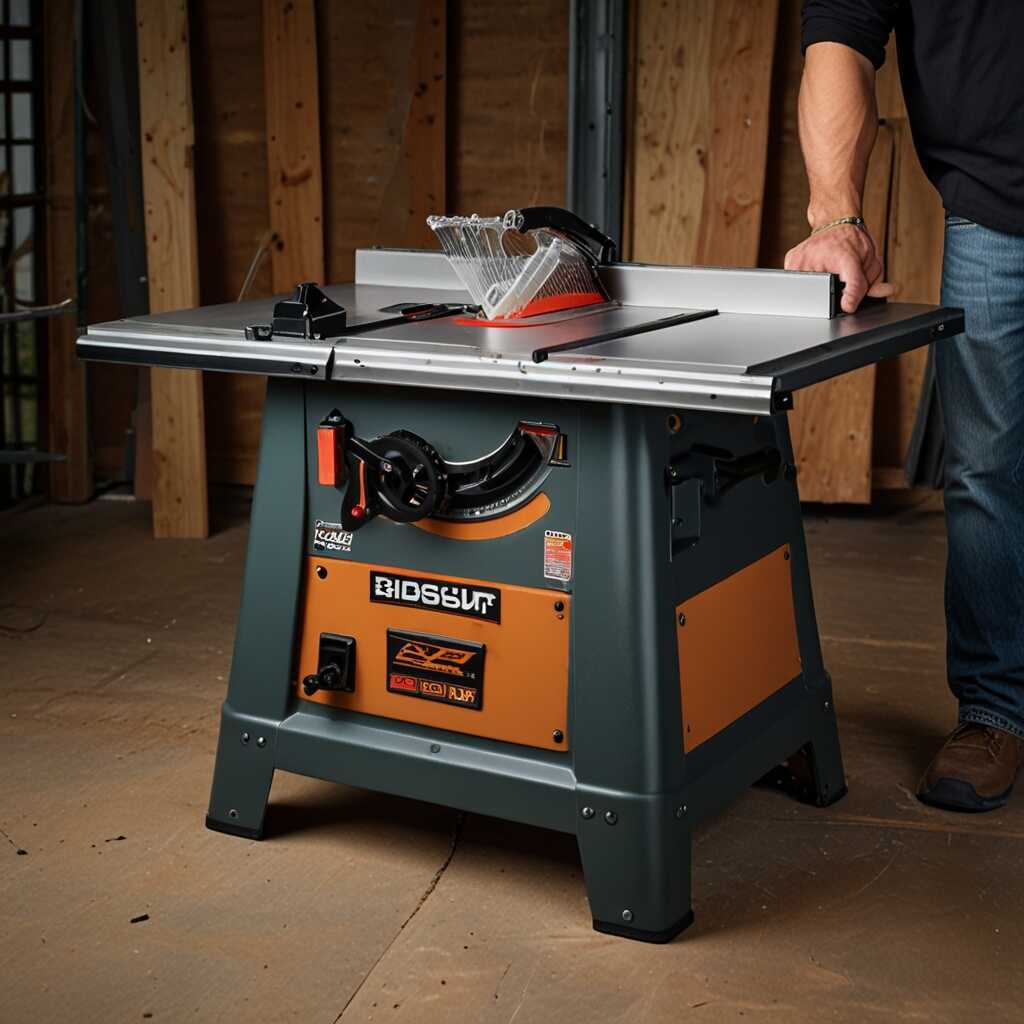
Several accessories and tools can significantly improve saw blade cooling efficiency. Blade cooling accessories include specialized lubricants, cooling systems, and sprays designed to reduce friction and heat. Users often review products like liquid blade coolants, which help maintain optimal temperatures during dense material cutting. Cooling systems, including misting systems and direct water delivery systems, are also highly effective for extending blade life. Many have found that using a quality lubricant can enhance cutting performance while protecting the blade from wear.
Essential Products for Optimal Blade Cooling
Among the top products for optimal blade cooling, several stand out. Blade cooling lubricants, like synthetic or water-soluble solutions, provide excellent heat displacement. Customers appreciate the ease of application and the effectiveness of these lubricants for various saw types. Misting systems offer effective cooling by introducing a fine spray of water directly onto the blade. Brands such as Innovative Saws offer complete cooling kits designed for specific cutting applications. These products ensure that users can keep their blades cool, maintaining cutting precision and extending tool life.
Cutting Techniques to Minimize Overheating Risks
Effective cutting techniques can significantly reduce overheating risks for saw blades. Users should maintain steady feed rates to ensure consistent cutting pressure, enhancing blade performance. Using the right saw and blade type for specific dense materials, such as hardwoods or composites, is essential. Cutting at the optimal speed is critical; for many dense materials, keeping your speed between 3000 to 5000 RPM can help you achieve great results without overheating. Regularly inspecting and cleaning blades also ensures longevity and reliability.
Choosing the Right Blade for Dense Materials
Selecting the right blade type is crucial for minimizing overheating risks when cutting dense materials. For hardwoods, a carbide-tipped blade with fewer teeth can provide better heat dissipation and improve efficiency. Specialized blades designed for specific materials, like diamond blades for masonry, can enhance performance, ensuring a clean cut. Additionally, using blades with cooling features, such as optimized gullet designs or cooling ports, can further reduce heat buildup during cutting. Innovative Saws offers a variety of blades engineered for optimal performance with dense materials, making it easy to select the right tool for your project.
Popular Brands and Their Unique Offerings for Users
- Dewalt features durable saws ideal for heavy-duty work, but they can be pricier.
- Makita offers lightweight options that are easy to handle, but may lack power for deep cuts.
- Bosch excels in precision cutting tools, making them perfect for detailed projects.
- Skil provides budget-friendly saws that are great for beginners, though they may not last as long.
- Milwaukee provides high-performance tools for professionals, but they can be heavy.
- Ryobi’s saws offer excellent value for DIY enthusiasts, but they may lack advanced features.
- Festool is ideal for fine woodworking, but their products come with a higher price tag.
Long-Term Advantages of Routine Blade Maintenance
Regular saw blade maintenance provides multiple long-term advantages. It enhances cutting performance by ensuring clean and precise cuts. Proper maintenance results in improved reliability and safety. Routine procedures like sharpening and cleaning remove debris. This reduces friction, leading to longer blade longevity. Consistent checks can indicate potential issues before they become serious. Moreover, maintenance helps maintain consistent cutting efficiency across various materials and saw types.
Essential Practices for Effective Saw Blade Maintenance
Effective saw blade maintenance practices include regular inspections, sharpening, and cleaning. Inspect your blades after each project. Look for signs of wear, chips, or dullness. Sharpening your blades helps maintain their cutting edge. Techniques like using a sharpening stone or professional sharpening services enhance performance. Additionally, keep blades clean from resin and dirt. Use appropriate cleaners and brushes designed for your blade type. Regular maintenance can significantly improve safety and enhance the overall quality of your cuts.